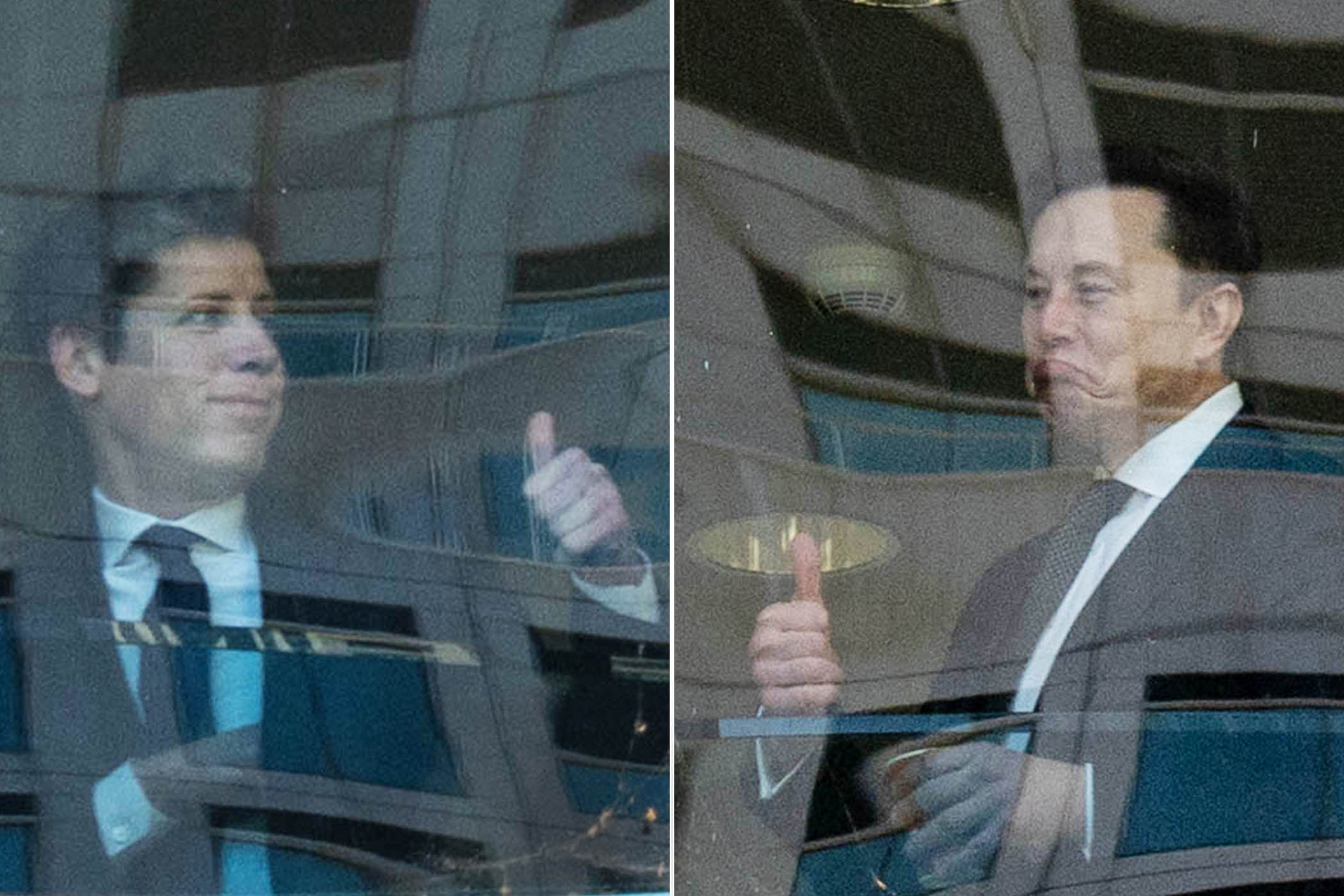
One of big tech’s most acrimonious feuds has spilled into a federal courtroom in Oakland, California. The three-week trial has drawn a cast of Silicon Valley stars to the witness stand, not least the two men at the heart of the case: Elon Musk and Sam Altman. At stake is the future of OpenAI, the most valuable AI company in the world – and the values of the people shaping the AI revolution.
Musk was a co-founder of OpenAI in 2015. Now he is suing Altman, OpenAI, co-founder and president Greg Brockman, as well as Microsoft – OpenAI's largest financial backer – for breaking a commitment to keep OpenAI a non-profit. “This lawsuit is very simple: it is not OK to steal a charity,” Musk said when he took the stand on 29 April.
Throughout the trial, Musk and his lawyers have framed him as someone who is existentially concerned about AI safety. In his closing argument on Thursday, Musk’s lawyer Steven Molo argued that OpenAI failed to prioritise AI safety when it took billions of dollars in investment from Microsoft and restructured itself into a for-profit company. OpenAI is now valued at $852bn.
Since its restructure and enormous growth, it has been criticised for failures of safety in its own products, including a wave of litigation alleging that its models led to severe mental health crises and deaths in teenagers and adults. (OpenAI denies causing harm to users in all of the cases, but has since updated its models to include more safeguards.)
OpenAI says Musk, whose chatbot Grok introduced a new feature last year which enabled some users to generate sexualised images of minors, never cared about safety – only control.
On Tuesday, Altman testified that Musk had previously pushed for a controlling stake of as much as 90% in a proposed for-profit subsidiary. Asked what would happen to OpenAI if he died, Altman recalled, Musk said he hadn’t thought about it much and might pass it on to his children, a moment Altman described as “hair-raising”. “One of the reasons we started OpenAI was because we didn't think any one person should be in control of AGI,” Altman said.
“Mr Musk’s lawsuit is a pageant of hypocrisy,” William Savitt, a lawyer for OpenAI, told the jury. Savitt argued that in 2017, Musk had wanted to turn OpenAI into a for-profit with himself at the helm, seeking to merge the company with Tesla, his electric vehicle business. When Musk left, Savitt said, and OpenAI succeeded without him, “then he launched his own competitor. Then he launched lawsuits”.
Musk also owns xAI, a rival lab founded in 2023 in an effort to compete with OpenAI, Google and Anthropic. Several sources said Musk’s real concern appears to be that he is falling behind with his own AI efforts.
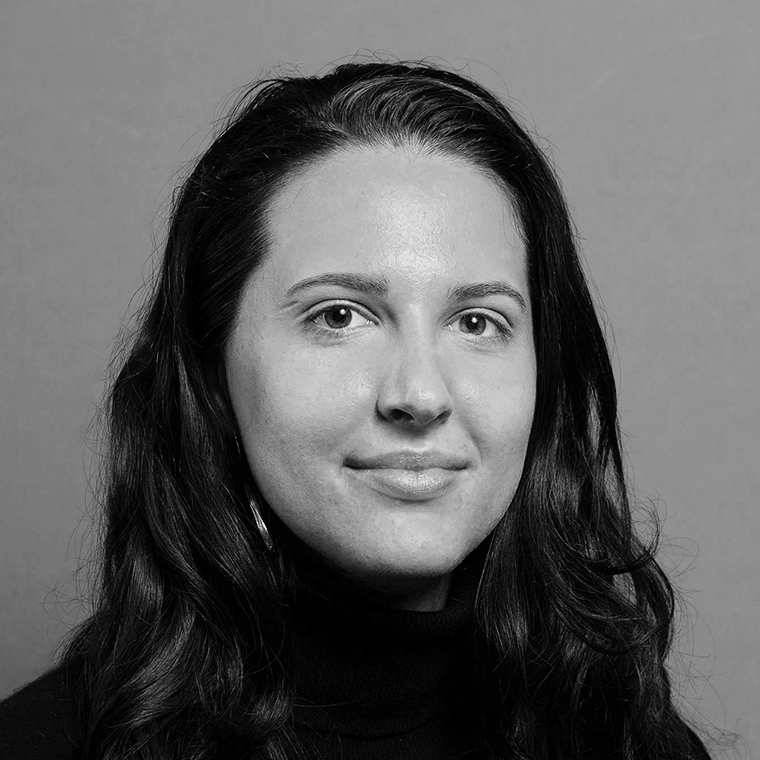
“What this case is really about is a wider failure across the AI industry to think about human beings and their safety,” says Imran Ahmed, founder and CEO of the Center for Countering Digital Hate. “While the billionaires compete over who leads the AI race, real harms from AI chatbots are already affecting users, and accountability is non-existent. We have no enforceable regulation or legislation allowing private courses of action.”
“Elon Musk uses lawsuits a bit like the rest of us use therapy, as his way of exorcising his demons,” says Ahmed, whose company was sued by Musk in 2024.
Newsletters
Choose the newsletters you want to receive
View more
For information about how The Observer protects your data, read our Privacy Policy
‘Elon Musk uses lawsuits a bit like the rest of us use therapy, as a way of exorcising his demons’
‘Elon Musk uses lawsuits a bit like the rest of us use therapy, as a way of exorcising his demons’
Imran Ahmed, CEO at the Center for Countering Digital Hate
Few observers expect Musk to prevail. But as Jim Prosser, who previously ran communications for Google, noted on X, “Elon has nothing to lose and everything to gain”. If he wins, the result could hobble the largest AI company in the world, just as it is preparing for a potential trillion-dollar IPO.
Even if Musk fails on the legal merits, the trial itself will be costly for OpenAI. Every day of testimony has reinforced questions about Altman’s credibility at a time when he is facing a litany of accusations, including a recent New Yorker article that painted him as a “pathological liar”.
Molo opened his cross-examination of Altman by asking him whether he was “completely trustworthy?”, before walking him through a catalogue of former OpenAI’s staffers who have questioned his credibility, including the board members who tried to oust him from his position as CEO in 2023.
The nine-person jury begins deliberations on Monday, though its role is advisory. US District Judge Yvonne Gonzalez Rogers will decide on the final ruling.
Whatever the verdict, the trial will not address the AI harms already facing the public. But by putting Silicon Valley’s most powerful executives under oath, it has shone a light on the inner workings of the tiny group of people in charge of a hugely consequential technology. Behind the grand claims of saving humanity, it seems, there is little more than a bitter fight over money.
Photographs by Amy Osborne / AFP via Getty Images