


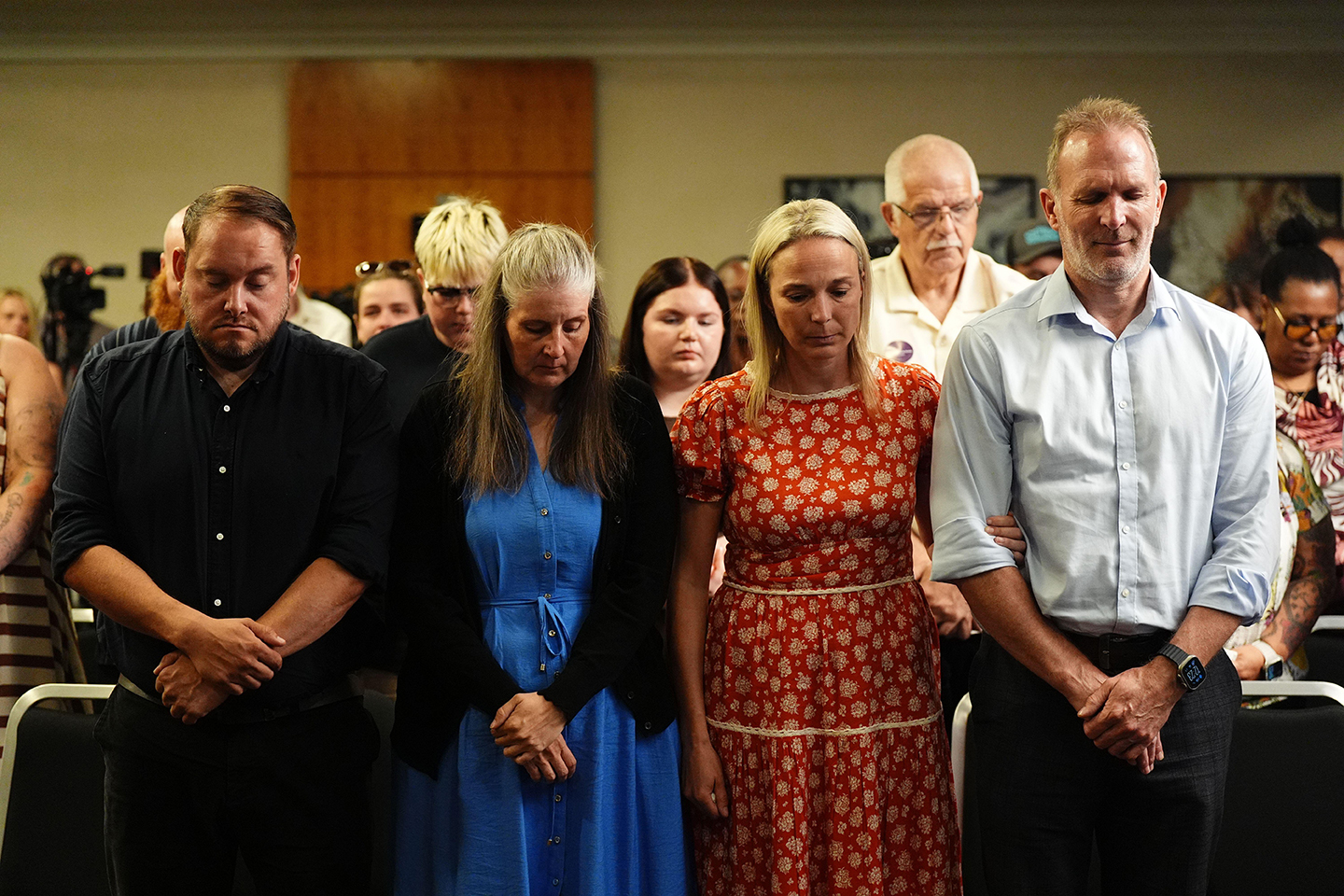
Protests against the ban on Palestine Action, ruled unlawful by the high court, have cost police well over £10m.
More than 2,000 arrests for holding signs in support of the group have been made across the UK since it was proscribed by the government in July last year, costing the Met police alone £8.73m across four days of protests. This figure does not include subsequent investigation and case work costs, which will run to many millions, police sources say.
After a panel of high court judges ruled on Friday that the ban was unlawful and disproportionately affected the rights of peaceful protesters to freedom of speech and association, Scotland Yard confirmed that the arrests will now stop.
The judges also found that the then home secretary Yvette Cooper had wrongly relied on the automatic police powers that would be gained from the ban as a reason to pursue proscription in the first place.
The Home Office, which reportedly spent £700,000 defending proscription in the judicial review, immediately announced its intention to appeal the decision. The group remains proscribed for now to allow for further legal arguments. Police will continue to gather evidence and prosecute sign holders by court summons.
Huda Ammori, co-founder of Palestine Action, who brought the judicial review against the decision, said yesterday: “It's astonishing the police are spending that much money. This government has used taxpayers’ money in order to arrest, prosecute and attack their own citizens’ rights to free speech – to pursue an unlawful ban.”
The ruling did not consider the sign-holding arrests themselves, but found that insufficient regard had been given to the impact on freedom of speech and freedom of association under the European Convention on Human Rights for peaceful members of the group.
The court stated that out of 385 direct action protests, a “very small number” of the group’s raids on weapons factories qualified as “actions amounting to terrorism”. However, it said that “for those actions, regardless of proscription, the criminal law is available to prosecute those concerned”. The judges also rejected Ammori’s assertion that Palestine Action was a non-violent organisation.
“I've been very clear throughout that Palestine Actions’s intention is never to hurt people,” said Ammori. “It's to disrupt the Israeli weapons trade.
“I've grown a tough skin through all of this. I've got quite accustomed to accepting that a decent number of people might despise me or Palestine Action [but] I know that other people understand what we stand for.”
Newsletters
Choose the newsletters you want to receive
View more
For information about how The Observer protects your data, read our Privacy Policy
Crucial to the ruling was that police and Home Office reports used to proscribe Palestine Action argued that there would be “significant disruptive benefits beyond the current policing powers”. The judges found that the police powers available after proscription should not be used as a reason to seek proscription.
They also said that the proscription had infringed the rights to freedom of speech and freedom of association of Palestine Action-linked protesters who had played no part in the acts considered to be terrorism.
The Rev Sue Parfitt, 83, was arrested three times for her involvement in sign-holding protests. “How I can be deemed to be a terrorist by sitting quietly, saying my prayers in Parliament Square, I can't imagine,” she said. She described the ruling as “wonderful” and “quite a surprise”.
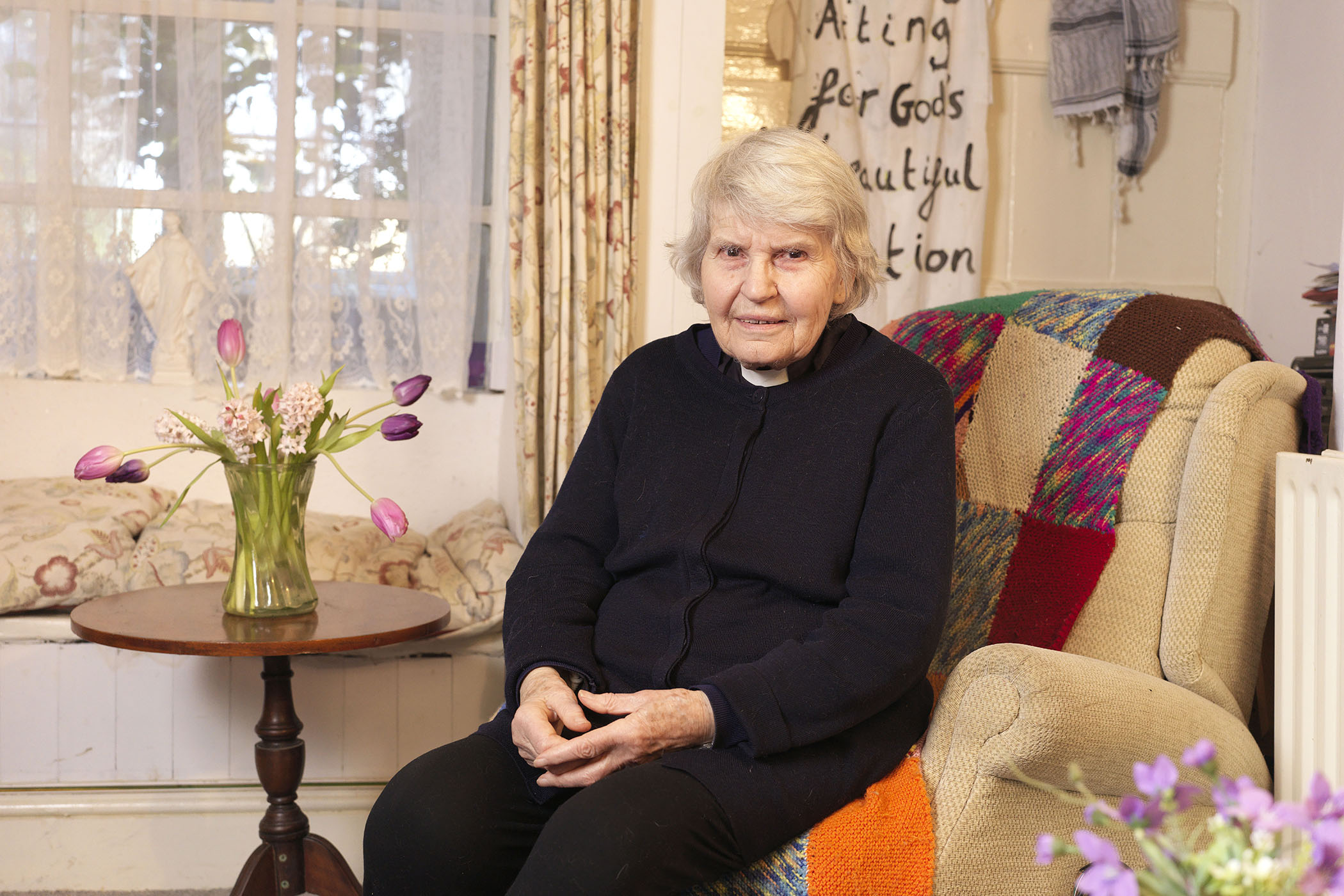
Reverend Sue Parfitt, who was arrested multiple times for protesting the ban against Palestine Action, at her home in Bristol
“Now, what we have won is a different matter… the ban stays in effect and of course, that means that all of us who have supported them are left in a sort of legal limbo,” she said.
Responding to the ruling, the home secretary, Shabana Mahmood, said the court had agreed that the group had promoted violence and carried out acts of terrorism.
“The proscription of Palestine Action followed a rigorous and evidence-based decision-making process, endorsed by Parliament,” she said. “As a former lord chancellor, I have the deepest respect for our judiciary.
“Home Secretaries must however retain the ability to take action to protect our national security and keep the public safe. I intend to fight this judgment in the Court of Appeal.”
Portraits by Eamonn Smyth and Karen Robinson for The Observer