One of the myths around Emily Maitlis’s interview with Andrew in 2019 was that it came as a surprise to the palace. It didn’t. Queen Elizabeth’s press secretary was in the room.
The institution knew. It knew about the interview. It would have known that the answers were laughably misleading. If it had chosen, it could have tried to find out the truth and set the record straight. Instead, it bought into Andrew’s lies and it peddled them.
From the outside, it’s odd how little scrutiny there is of the operation inside. Sure, the Andrew saga is a family story of fraternal rivalry, a mother’s favourite, and trouble. But the monarchy is not just a family office, it’s a public institution, staffed by hundreds of people paid by the taxpayer.
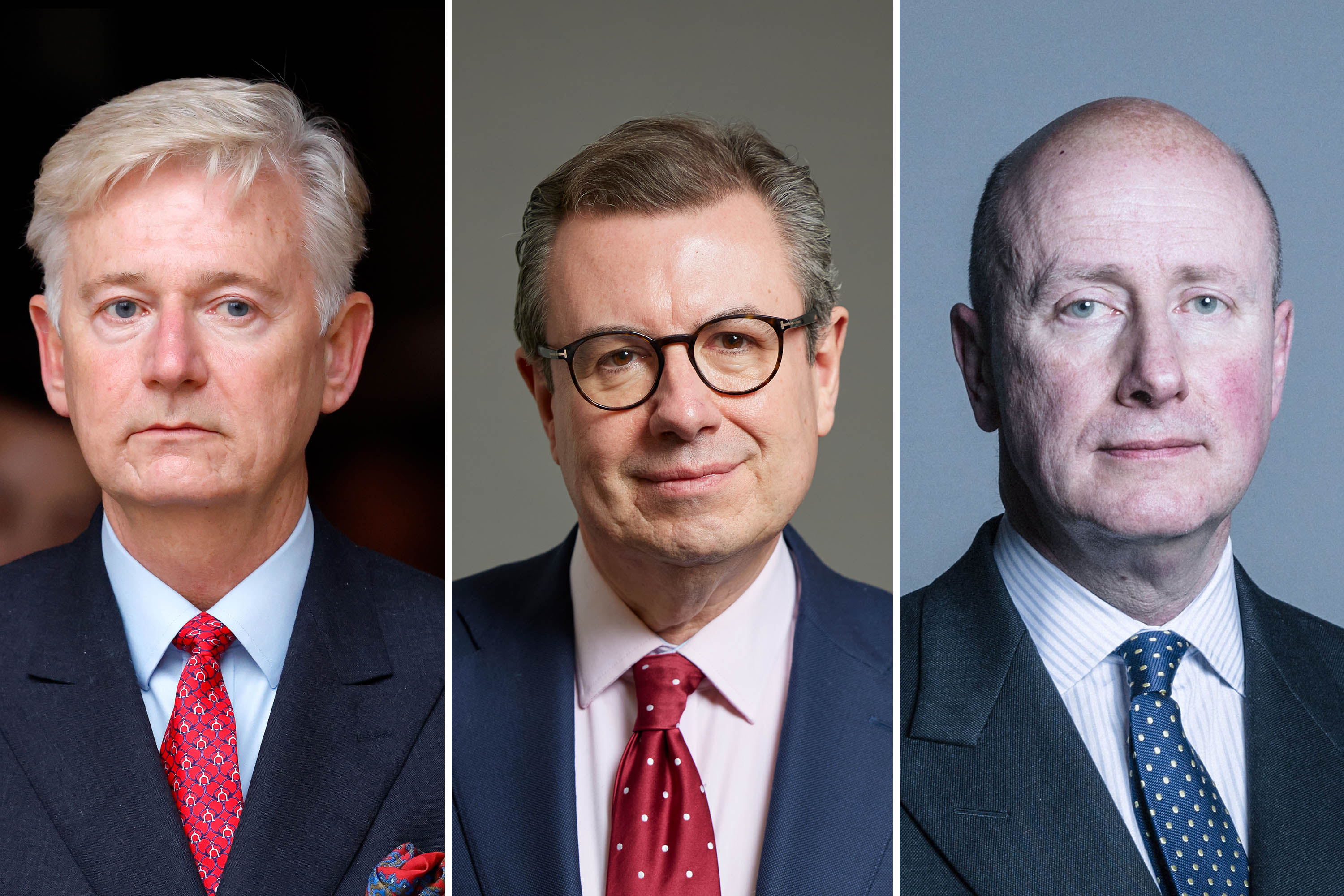
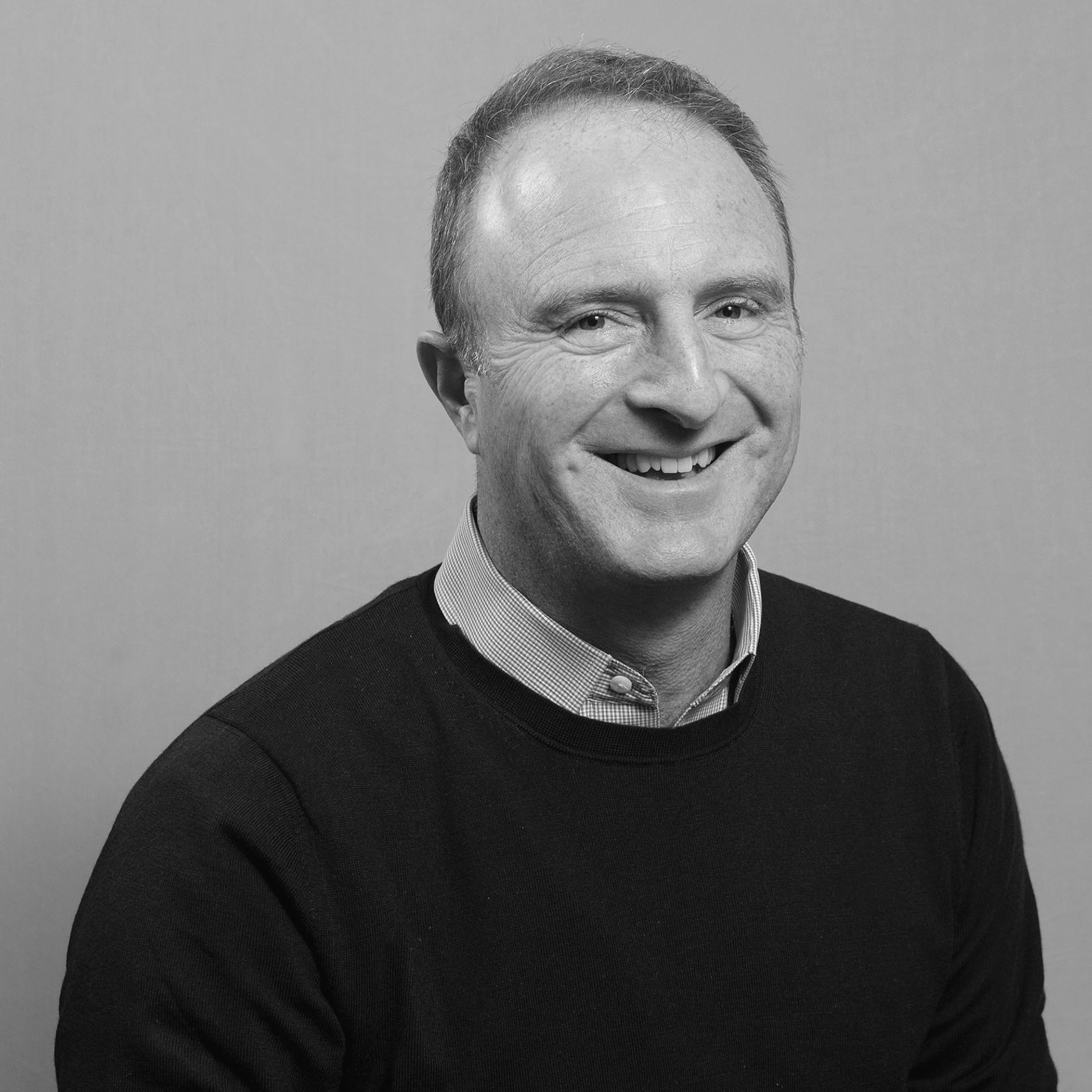
Over 20 years, three men have run the royal household. Christopher Geidt, now Baron Geidt, was the queen’s private secretary for a decade, then came Edward Young, now Baron Young of Old Windsor and, today, Sir Clive Alderton is the king’s private secretary.
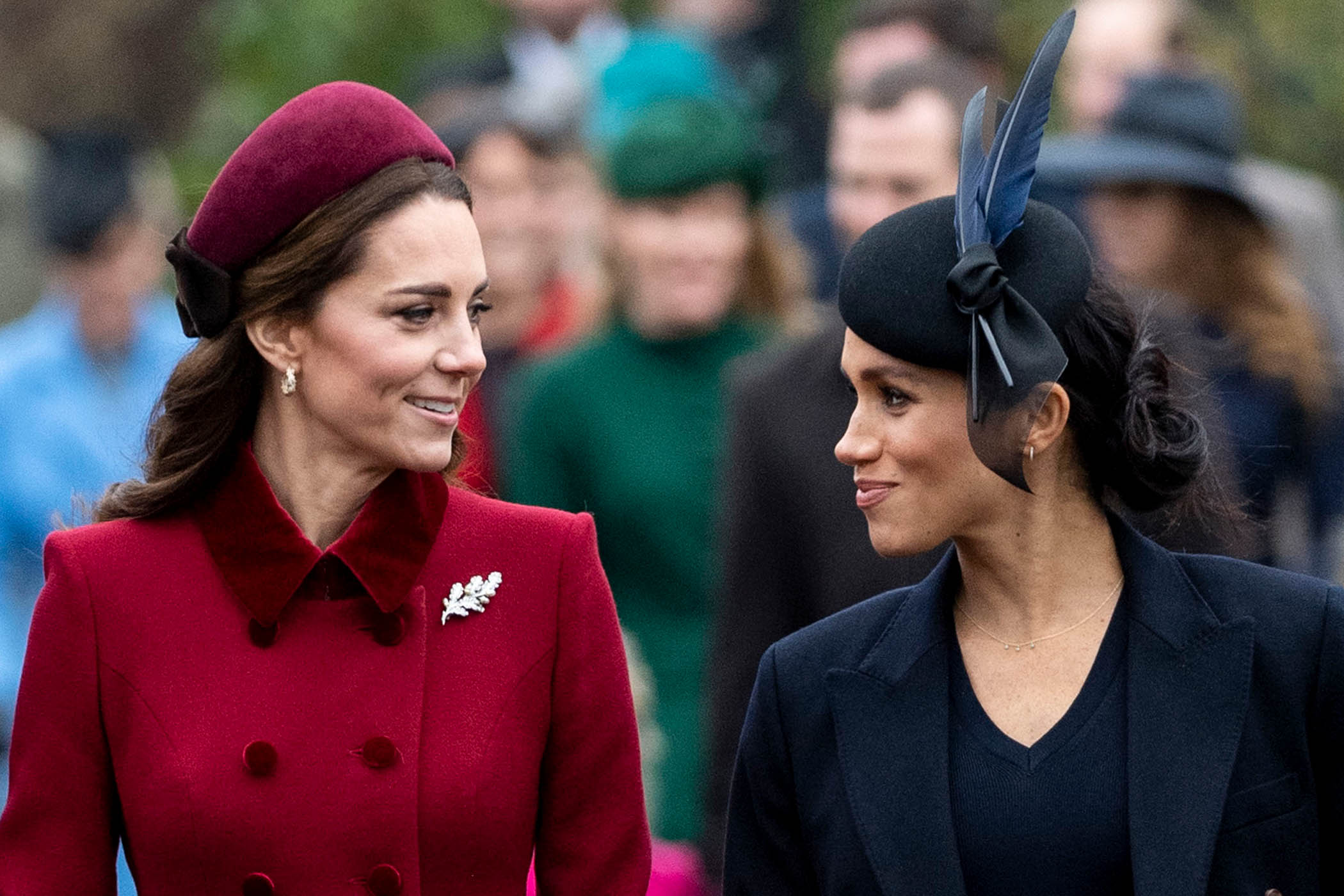
They have been the unseen ushers to British history: Geidt advised after the hung parliament and around the formation of the coalition government in 2010; Young handled the prorogation of parliament to facilitate Brexit in 2019. They are the backroom fixers to a troubled family business – Alderton managed the media in the repositioning of Camilla as queen, rather than the HRH Princess Consort title originally envisaged to cater to post-Diana sensitivities; Young and Alderton, between them, oversaw Megxit – Meghan and Harry’s departure.
They are easily parodied as faceless red carpet people, all buffed Church’s shoes, double-breasted suits, flouncy handkerchief and military bearing. But that’s to misread them. They are serious, sophisticated operators of the machinery of British public life, working at the Mariana Trench-level of the deep state.
Much more so than Andrew, they are invisible men – very private, private secretaries. But the Andrew scandal leads, inevitably, to them. What they knew, what they sought to know and when.
Because you did not need the US Department of Justice to release three million Jeffrey Epstein emails to know Andrew was a problem. For at least 15 years, he has been pursued by a set of questions about girls, money and boorish behaviour. Where did Andrew and his family get their money from? Were Virginia Giuffre’s allegations true? Were there others – and surely the claims were, at least, worth investigating independently?
Just looking at The Observer’s coverage this past couple of weeks, it’s obvious that awkward questions were being asked of the palace. Reading Rachel Sylvester’s reporting, you have to ask: why did David Cameron tell the queen he wanted Andrew removed as trade envoy if he’d done nothing wrong? And why did Vince Cable, the business secretary, worry that the UK’s international business champion was working at odds with British government strategy in China and putting CEO backs up in India? When you read Jon Ungoed-Thomas’s story about the passing of trade envoy briefings to Epstein, you have to ask: what did Andrew get in return?
Why, in other words, did no one in the palace want to know? The answer, it seems, is that they didn’t want to tell the late queen what they knew she didn’t want to hear about her favourite son. And they weren’t much answerable to anyone but her. It looks like a culture of deference and a lack of external accountability made smart people incurious and complicit.
Newsletters
Choose the newsletters you want to receive
View more
For information about how The Observer protects your data, read our Privacy Policy
Now there’s a queue of people wanting answers. Police and prosecutors will have questions for the people in the palace who oversaw the family finances, properties, security details and travel. Parliament will want scrutiny too. Politicians from all parties are waking up from a historic delusion that the conduct of the office of the head of state is none of the public’s business. Tom Tugendhat, a former and perhaps future contender to lead the Conservative party (hardly a hotbed of chia-eating republicans) is calling for a joint committee of the House of Commons and House of Lords to investigate the oversight of the royal family.
Likewise, the press is rethinking its way of working with the palace. Prince Harry called it right long ago: the public institution is run as a whispering campaign of anonymous briefings, deals on access and preferential treatment that has bred suspicion within the family, a fair few made-up stories, violent press intrusion and widespread public derision at royal reporting. The White House has daily on-camera briefings; might the office of the UK head of state entertain such a new-fangled way of doing things once a month, maybe once a week?
Andrew is not going to bring down the House of Windsor. We’re not headed for a republic, but a reckoning with the way the monarchy is run. King Charles wanted to slim it down. William will need to open it up. On the to-do list: moving out of Buckingham Palace and its gardens and letting the public in; putting an end to the cosy deal on properties and the muddled handling of private and public money; bringing the finances and activities of the royal family into the light.
The invisible men of the future will not just sit in on interviews; they might need to answer questions, on camera.
Photographs by Max Mumby/ Getty Images, UK Parliament