
Listen to Rachel Sylvester’s reporting for this story on this week’s episode of the Slow Newscast, The God Complex, here.
The 13-year-old was at her most vulnerable as she was wheeled into the operating theatre under general anaesthetic. She was having major surgery related to a lifelong neurological condition that means she uses a wheelchair.
But the physical pain she faced that day at Bristol Royal Hospital for Children would be more than matched by the emotional trauma caused by one of the medical team in the room.
Over the next four years Cian Hughes developed an increasingly close friendship with the girl. By the time she was 17, doctor and patient would be in a sexual relationship.
“He first met me unconscious on an operating table, which is so weird, and then, five days later, he came and introduced himself,” she said. “And because of the nature of the operation I was having, [I was] presumably not very covered from the waist down. There were scars around my hips and front and back of my thighs.”
‘Surgery requires special attributes in a personality. But those attributes can become overpowering’
‘Surgery requires special attributes in a personality. But those attributes can become overpowering’
Helena Kennedy, barrister
Last year, Hughes was found guilty of “serious sexual misconduct” by a medical tribunal, which concluded that his fitness to practise as a doctor was “impaired”. The panel found that the age gap “created an imbalance of power in the relationship” that must have left the younger woman “feeling pressured”. But instead of being struck off, as recommended by the General Medical Council (GMC), the regulator, Hughes was suspended for 12 months. He will be able to return to clinical practice in June.
The case raises serious questions about the handling of sexual misconduct in the NHS, the effectiveness of the Medical Practitioners Tribunal Service (MPTS) and whether “God complex” doctors are putting patients, as well as colleagues, at risk.
Patient A – the pseudonym given to the young woman at the tribunal – is now 28. She works as a civil servant. But when she first met Hughes in March 2011, she was a child. She had cake time at school and wore pink socks with cows on them. He was a 23-year-old medical student, who was writing a paper on her condition. “He became someone I could rely on… a trusted adult,” she said.
Almost immediately, however, the normal professional boundaries began to blur. Hughes sent her a copy of some X-ray images, but used a personal email address that included his mobile number. They began exchanging emails, and then texts. To start with, the conversation was innocent. Patient A talked about her grades and asked his advice about which A-levels to take. He forwarded her links for a school project. She called him Snufkin, after a character in the Moomin series of children’s books.
Gradually, the difference in their ages and expectations became clear. When Patient A suggested Hughes should read the teen romance The Fault in Our Stars, he recommended The Kite Runner, which includes a graphic child rape scene. By the time she was 16, they were exchanging texts every day and discussing personal topics. The messages became sexual. “We used to talk about daydreams. They eventually became full-on sexual fantasies,” she said.
“They’re really quite disgusting to read back, seeing myself as a teenager saying these things that I didn’t really understand. I’d copy and paste what he’d say: ‘Change a bit, look at some stuff on the internet.’ I felt I had to keep up with him.” She was 17 when they kissed for the first time. Hughes had completed medical school and was working as a surgical trainee. Patient A was in the last year of school. “By the time he was doing major things with me sexually, I’d known him for four and half years,” she said. “There was a four-and-a half-year period for him to really get to know me, to build up a dependency that’s not normal.
And the power dynamic between a 13-year-old and a 23-year-old is huge.
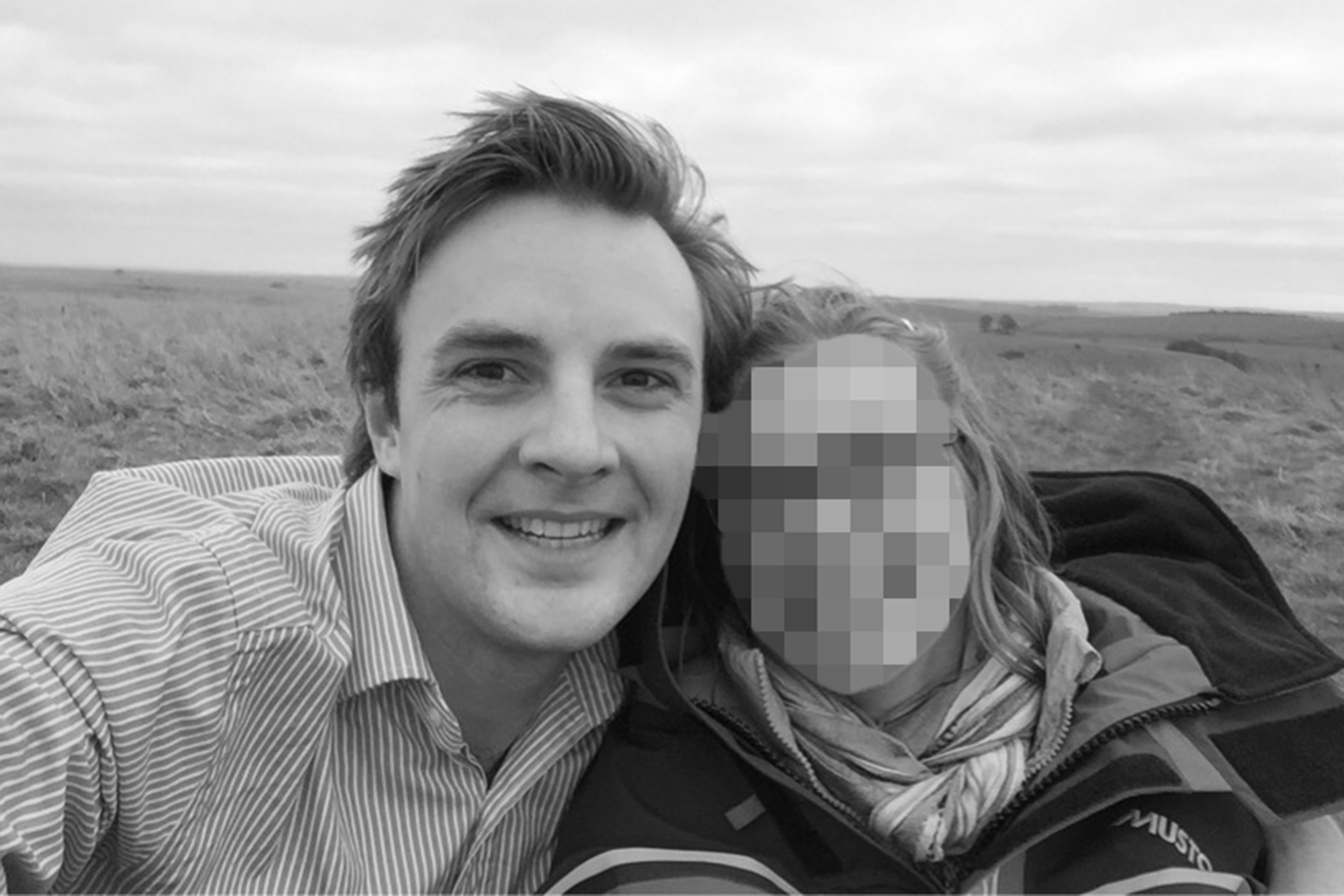
NHS doctor Cian Hughes, left, developed a sexual relationship with a patient, right, when she was 17
“I hadn’t even started my periods, I hadn’t started my GCSEs – all of the things that mark adulthood hadn’t started at the point I met him.” In early 2015, Patient A went to a conference at the Royal Society of Medicine in London. Coming home the same night would mean taking a late train, so her parents gave her permission to stay with Hughes. He was a qualified doctor and they thought he was trustworthy. That evening, as they were lying on the sofa, he picked her up and moved her to the bedroom.
“He left the wheelchair in the next room,” she recalled. “He’s double my weight and a foot taller than me. Even as an able-bodied person that would be difficult to get yourself out of.”
She had been clear that she did not want to have sex without being married and he said they could not have intercourse until she was 18. But she said she “let him do things that I wouldn’t have naturally wanted”. One by one, the “rules” she had set out for herself in a notebook, illustrated by stick men with boxes covering the places she did not want to be touched, went out of the window.
She found the sexual encounters so painful that she took paracetamol before each meeting. The first time they had intercourse, a few days after her 18th birthday, Patient A was in such agony that Hughes gave her co-codamol, a prescription painkiller, then carried on over several hours. She was violently sick. “One of the first times he saw me naked, he said: ‘You’ll be glad to know my stitching’s got better than that,” she said. “He was looking at me as a medical thing.”
Although they were no longer doctor and patient, Hughes knew there was a potential issue. A few days after their first kiss, he sent text messages to her about his concerns that the relationship might breach GMC rules. “They say that ‘whatever your speciality, you must not pursue a personal relationship with a former patient who is still vulnerable,’” he said. “While I don’t think you’d describe yourself as vulnerable, everyone is automatically considered vulnerable until they turn 18.” Patient A has reassessed what happened to her as a teenager. “I’ve come to recognise over the years that it meets the threshold for child abuse. He was in a position of trust. There was a power dynamic,” she said. “It wasn’t a loving relationship – it was manipulation.” A month after they had sex, Hughes ended it. “I was absolutely devastated,” Patient A said.
Hughes did not want to comment but his lawyer said he rejected any suggestion of grooming or child sexual exploitation. At the tribunal last year, he admitted to beginning a sexual relationship with Patient A when she was 17. He accepted this amounted to serious misconduct and that his actions were in breach of the guidance. He said he was not seeking a relationship with Patient A at that stage. He acknowledged that he knew she was “vulnerable” but he denied that it was a “controlling, coercive or destructive relationship”. His barrister said he had been “very much in love” with Patient A at the time and he apologised for the hurt and distress that his actions have caused her.
But Simon Bailey, the former National Police Chiefs’ Council lead on child protection, said that in his expert opinion: “It’s a clear case of child sexual abuse.” Hughes “was an adult who was in a position of authority. He met [Patient A] when she was barely a teenager. He has then groomed her over years and he has then abused her in a way to satisfy his own sexual desires.”
Bailey said he was “surprised” that, given the seriousness of the sexual misconduct, Hughes was only suspended for 12 months. “I don’t see how he could be seen to be fit to practise,” he said. The case is an extreme example but it is part of a troubling pattern, revealed by an investigation into sexual misconduct in surgery for The Observer’s Slow Newscast podcast. A 2023 survey found that two-thirds of women working in surgery had been sexually harassed by a colleague at work. Nearly a third had been sexually assaulted by a colleague and there were at least 11 instances of rape.
Now female consultants are warning that patients are also being put at risk by male surgeons who think they are above the rules.
Tamzin Cuming, a colorectal surgeon and co-chair of the working party on sexual misconduct in surgery, said that when female surgeons were asked to describe their own experiences of harassment or assault, “someone reported that they witnessed a consultant surgeon on an operation that was not to do with the breast, lifting the patient’s gown when they were under anaesthetic and feeling their breast in theatre”.
‘The perpetrators walk among us’
‘The perpetrators walk among us’
Homa Arshad, trauma and orthopaedic surgeon
There is also a danger to patients if surgeons are distracted in the operating theatre – either as victim or perpetrator. One female surgeon who was groped and harassed – including during operations – said: “In theatre, your focus should be wholly on the patient and my focus was not on the patient. My focus was on not getting touched.”
Homa Arshad, a trauma and orthopaedic surgeon, was subjected to “a protracted” and “horrific” sexual assault by a male colleague when she was away from home on a course. The man who attacked her resigned from his NHS post but he is still operating in the private sector. “The perpetrators walk among us,” Arshad said.
“I think it’s hazardous to patient safety. Patient safety depends on everyone being able to function well.” Rosalind Searle, professor of organisational psychology at Glasgow University’s Adam Smith Business School, analysed data about sexual misconduct by health and social care staff. “There were individuals that had multiple patterns of abuse, people who were targeting both their colleagues and patients,” she said. Surgeons were over-represented. She believes perpetrators have a kind of moral “balance sheet” in their mind and think sexual misconduct is somehow “offset” by all the noble things they do.
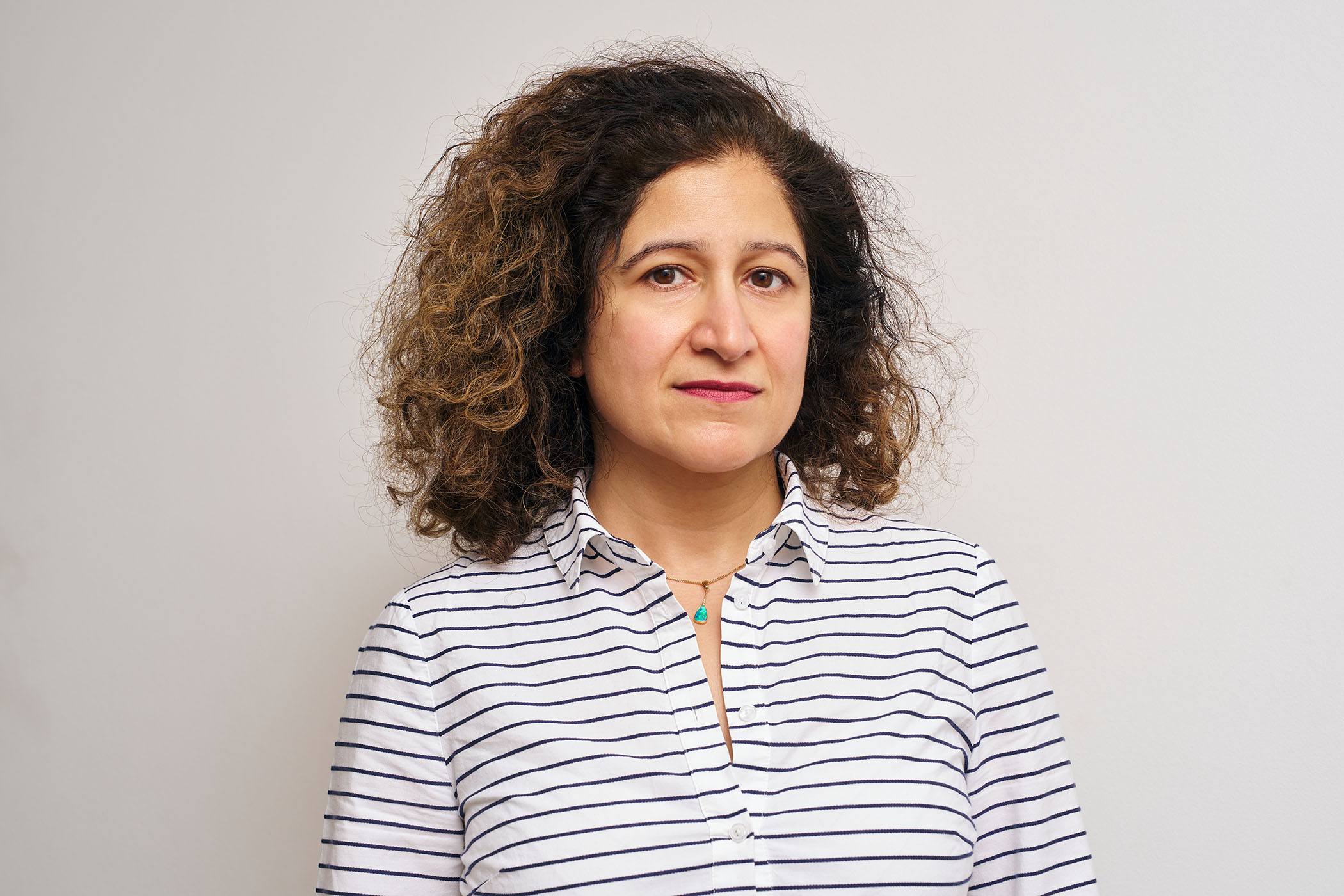
Trauma and orthopaedic surgeon Homa Arshad was assaulted by a male colleague who is still working in the private sector
Others describe a “God complex” among some surgeons. “You are giving patients the gift of life, which of course is incredible, but it must give you that certain God complex,” said one female consultant. “You can see how in the wrong mind you could really warp that – because you are doing so much good, how could you be doing any bad?”This is as much about power as sex in a highly hierarchical profession. Surgery is still one of the most male-dominated medical specialisms. Only 17% of surgical consultants are female and 9% of trauma and orthopaedic surgeons.
The barrister Helena Kennedy, who conducted a review of diversity for the Royal College of Surgeons of England, said: “You need to be self-confident to cut open somebody’s body and so surgery requires special attributes in a personality but those attributes can become overpowering and sometimes bullying.
Concerns are also growing about the effectiveness of the regulatory process. A recent study found that in nearly a quarter of cases, the sanction imposed for sexual misconduct by the MPTS is more lenient than the one proposed by the GMC.
‘It’s clear the system isn’t working when it comes to protecting staff and patients’
‘It’s clear the system isn’t working when it comes to protecting staff and patients’
Wes Streeting, health secretary
Mei Nortley, the consultant vascular surgeon who led the team that did the research, said the “alarming disparity” means that perpetrators who had been found guilty of serious sexual misconduct are being allowed back into the operating theatre. “We read all the tribunal transcripts for all of the cases over the course of a year.They were harrowing. There were doctors against patients, doctors against colleagues, doctors against children,” she said. “The MPTS as a regulatory body really needs to start asking itself some difficult questions.”
The GMC says it takes a “zero tolerance” approach to sexual misconduct. Judge Fiona Monk, chair of the MPTS, said it had strengthened guidance for tribunals, with a clear focus on sexual misconduct, abuse of power and breaches of professional boundaries. She added: “We listen to feedback and are committed to continually improving.”
But Wes Streeting, the health secretary, said “major changes” were needed to safeguard staff and protect patients. “The Medical Practitioners Tribunal Service is under heavy scrutiny from me,” he said. “I’m seeing too many cases where the standards the professionals seem to apply to their peers fall well short of what I would expect, not just as a health secretary, but also as a patient. It’s clear the system isn’t working when it comes to protecting staff and patients. This type of behaviour has to come with consequences. Unless and until it does, perpetrators will think they've got licence to continue because their medical expertise makes them indispensable. We have to send the opposite message.”
Newsletters
Choose the newsletters you want to receive
View more
For information about how The Observer protects your data, read our Privacy Policy