Keir Starmer’s new year message to the British people couldn’t have been clearer: “This year more of you will start to feel richer.” The PM therefore expects either a sharp rise in wages, or that prices will stop rising so quickly.
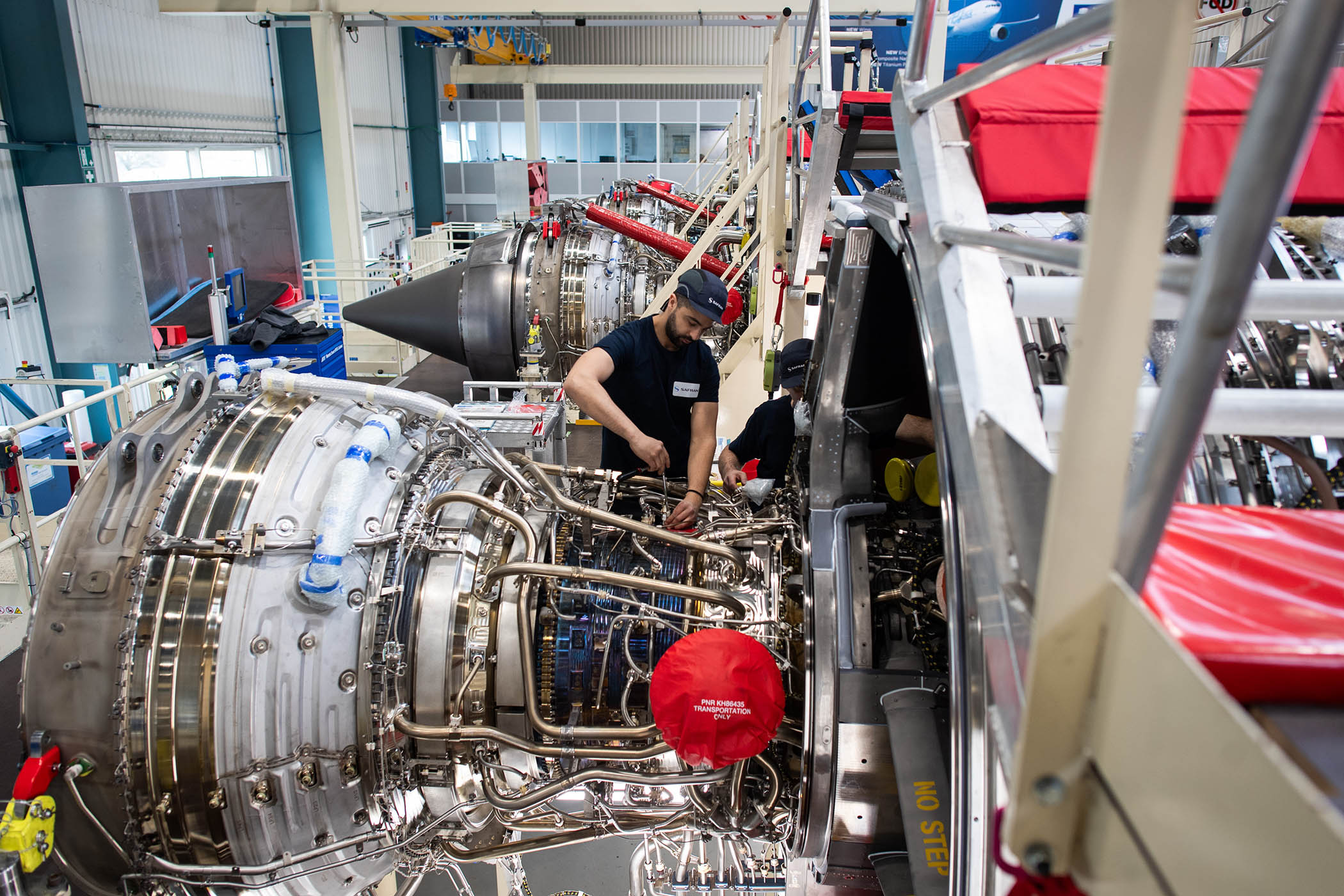
As he well knows, the former is unlikely. The OBR predicts that the economy will grow by 1.4% this year, but most of this will be taken out of pockets by higher taxes. Households will be just 0.2% better off. These numbers appear optimistic – most economists polled by the Financial Times over Christmas believe that growth will be lower than 1.4%, and the Resolution Foundation has speculated that household incomes could rise by less than 0.2%, which is in any case a shockingly low figure.
When the prime minister says “you will start to feel richer” what he means is that prices are going to stop rising so quickly. Not, please note, that inflation will go into reverse.
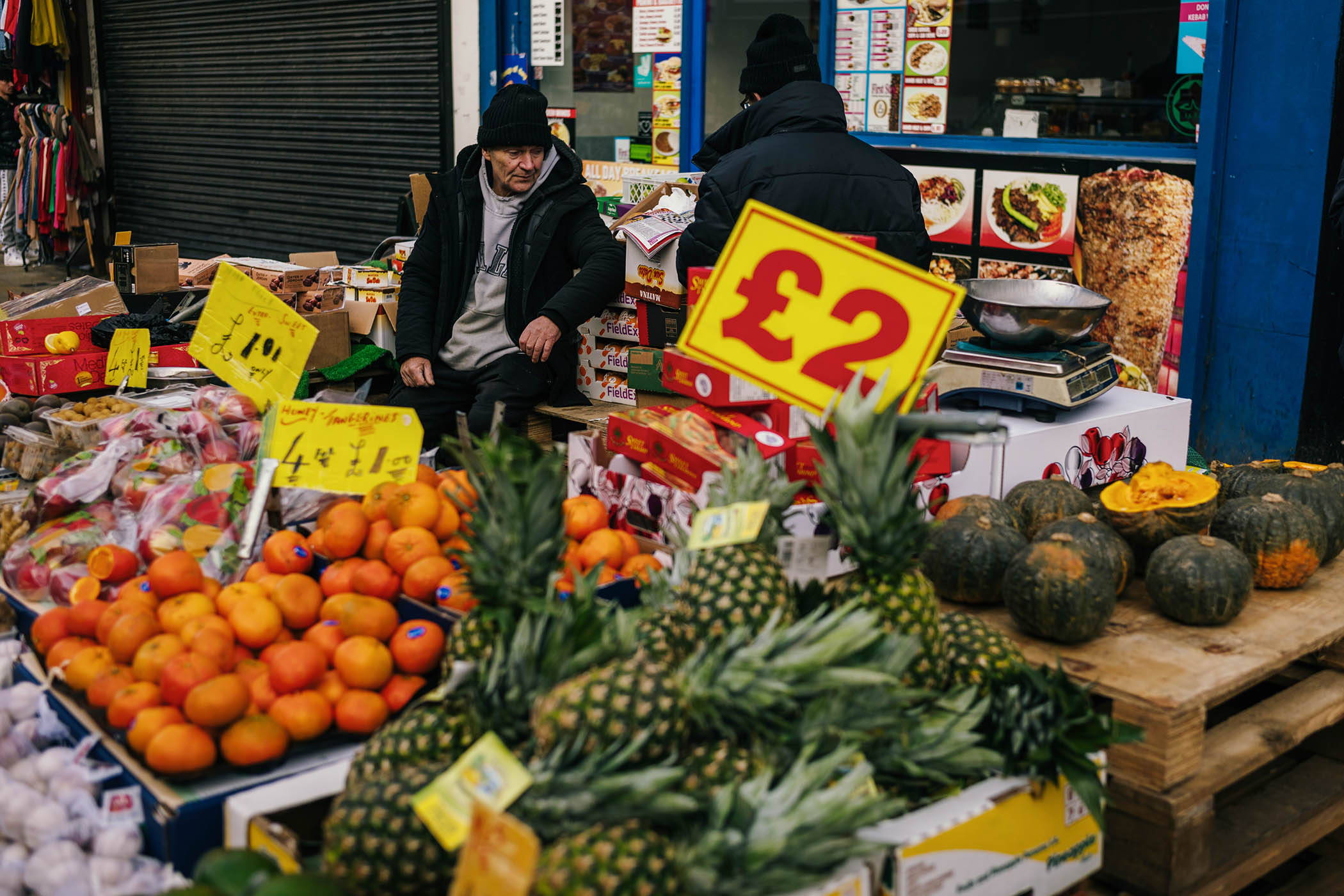
Prices for a few things will certainly fall – for example, analysts predict £138 will be saved on the average annual energy bill when the price cap drops in April – but overall prices will not go back to where they were a few years ago. A new normal will be established.
The PM has done enough – cutting energy bills, freezing rail fares (although not all of them – always read the fine print of any politician’s announcement) – that he can claim falls in inflation were because of the actions of his government.
Prices will not go back to where they were a few years ago. A new normal will be established
Prices will not go back to where they were a few years ago. A new normal will be established
However, inflation is falling around the world. The price of staple foods, such as corn, wheat and rice, have fallen over the past year. Beef and poultry prices have in turn fallen a little. Oil prices are down a long way, and European gas prices have also fallen significantly. Deutsche Bank predicts that UK inflation will be 2% or thereabouts by the spring, and that the UK will have one of the lowest inflation rates in the G7. That in turn will allow the Bank of England to cut interest rates, perhaps by another 0.5% over the year.
For all that, though, it is hard to see people feeling much better off as the year goes on. It is easy – and costless – to make interest rate predictions, but both Halifax and HSBC are charging a fraction more for five-year fixed-term mortgages than for two years, implying that they do not expect to see interest rates fall over this period.
More generally, however much people tell opinion pollsters that inflation is their top issue, they also hate low inflation, at least in a low-growth environment. The chancellor Rachel Reeves’s early hero, Gordon Brown, got inflation down to 1.1% in 1999. That in turn meant that he only had to raise pensions by 75p to cover the effect of rising prices. There were many protests but Labour stuck to their guns. Later on they regretted doing so – Tony Blair described the 75p rise as one of the worst mistakes of his time in office.
Today, of course, the triple lock guarantees that pensioners are winners no matter what. If inflation comes down, they will still get the better of earnings or 2.5%. But pensioners win at the expense of the rest of us, because any real-term rise in pensions – whether caused by inflation being below 2.5% or for any other reason – has to be paid for by higher taxes.
Labour will make some people better off this year. The triple lock and more free childcare will see to that. But those people will gain at the expense of the rest of us. Making everyone better off requires a focus not on the cost of living, but on economic growth. Labour may need to relearn that lesson later this year, when prices fall without popularity doing the opposite.
Newsletters
Choose the newsletters you want to receive
View more
For information about how The Observer protects your data, read our Privacy Policy
Photograph by Jose Sarmento Matos/Bloomberg via Getty Images