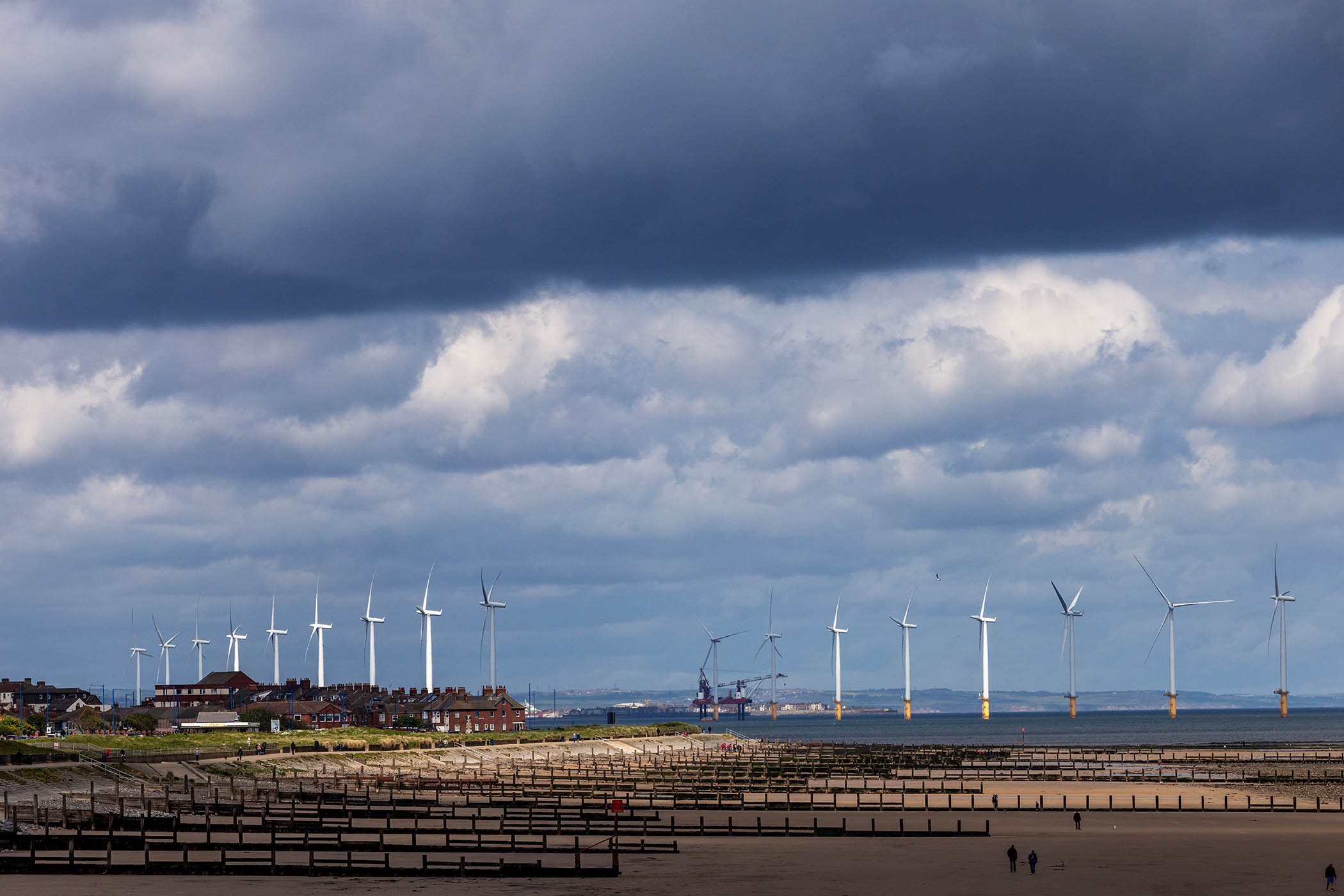

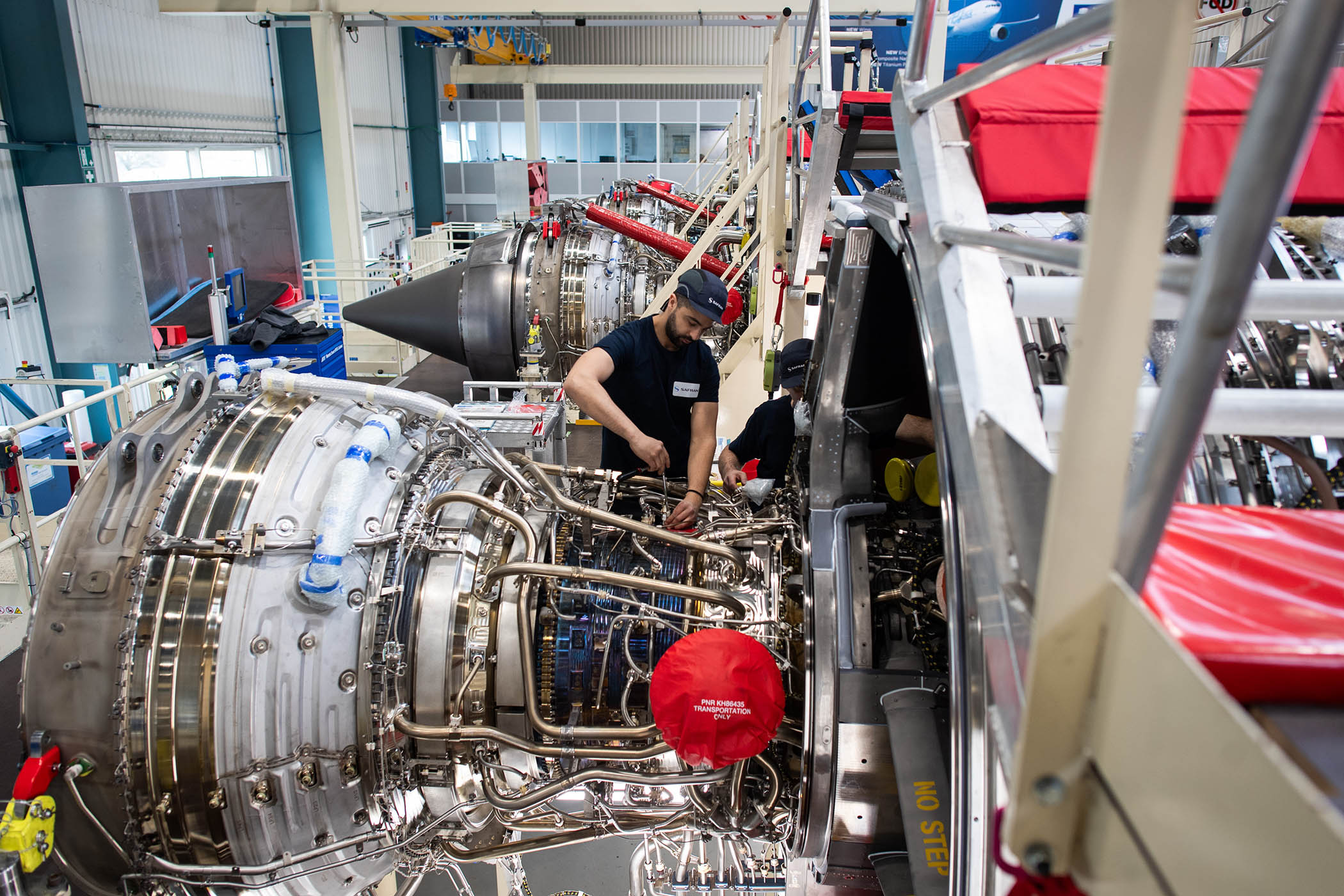

Photographs by Gary Calton for The Observer
There’s nothing left to see now of the giant steelworks that once stretched for miles along the south bank of the Tees, where the river empties out into the North Sea at Redcar.
Teesside steel helped build the modern world. Steel made here went into Sydney Harbour Bridge and the frames of some of New York’s earliest skyscrapers. The fires in the coke ovens were extinguished in 2015, and the site has since been levelled: a stark reminder of Britain’s manufacturing decline.
The antidote, championed in government by Ed Miliband, has been “green jobs”. A policy document his department released last year said that the clean energy workforce will nearly double by 2030 to 860,000. But the “goldilocks” window – when new green jobs outnumber oil and gas losses – will not, in the government’s own modelling, materialise until 2027 at the earliest, and the cabinet is now riven with an argument about whether to restart drilling in the North Sea.
At the last Labour conference, Miliband explicitly called out Reform’s opposition to net zero as “a war on the construction workers building carbon capture and storage in Teeside”.
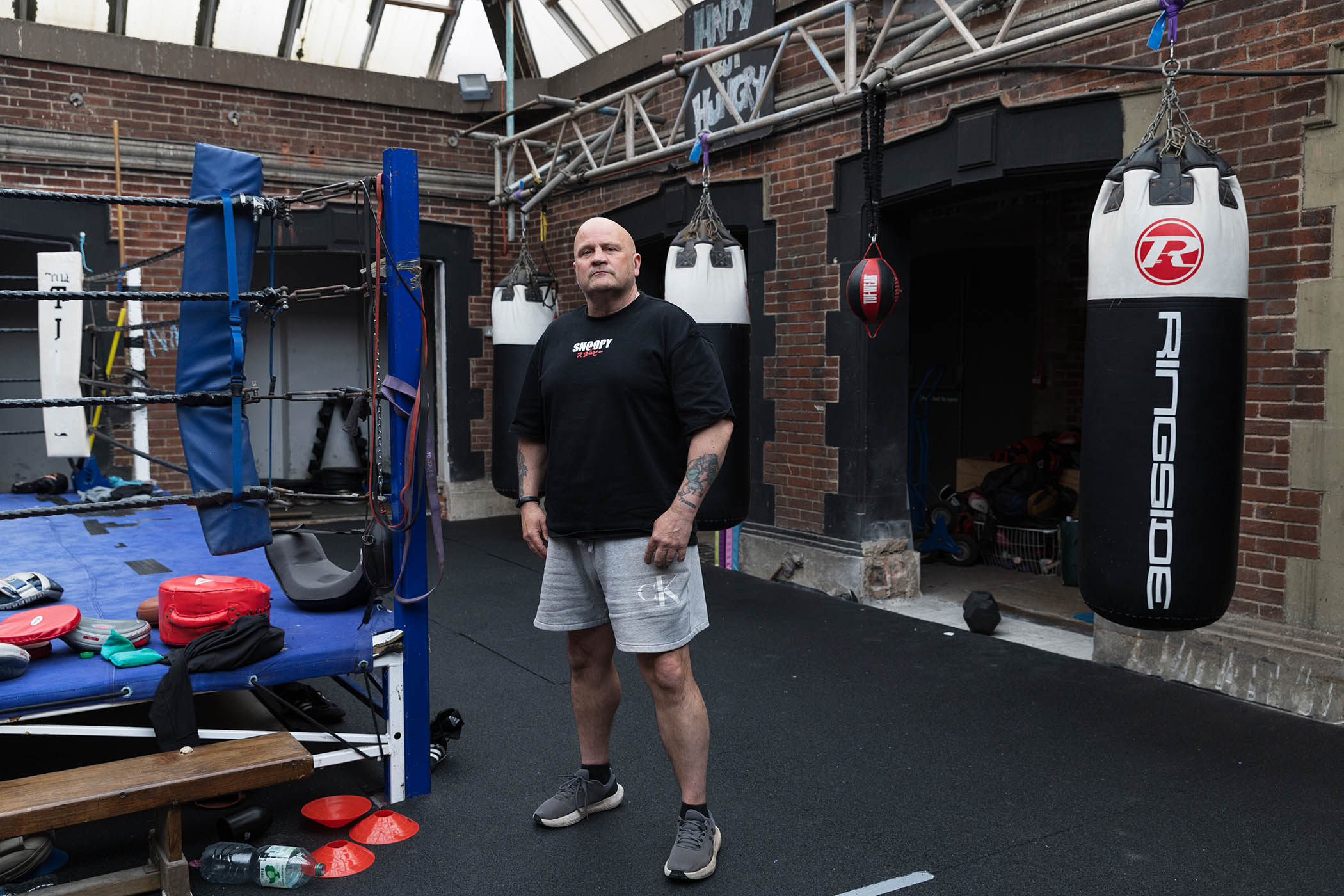
Ex Steel Worker and founder of Redcar Amateur Boxing Club Frankie Wales
But for the residents of Redcar, which voted heavily for Brexit in 2016, the green jobs revolution feels like a chimera. “God help us if we have to go to war with anybody,” says Frankie Wales, a former steelworker who runs an amateur boxing club. “Because how are we going to build anything?”
Green manufacturing arrived on the former steelworks site last year, when a giant factory built by Korean company SeAH Wind became operational, cutting steel plates for windfarm foundations.
The government announced nearly £22bn in funding to support carbon capture from a gas-fired power plant and the production of hydrogen here and on Merseyside, backing the growth of new industries and, in the prime minister’s words, “reigniting our industrial heartlands”.
At around 4,500 acres, the Teesworks is the UK’s biggest industrial zone, able to call on skilled labour in the region and adjacent to the North Sea for easy transport.
It ought to be a motor of the national economy, but it’s hard to identify the green shoots of a revival here.
Newsletters
Choose the newsletters you want to receive
View more
For information about how The Observer protects your data, read our Privacy Policy
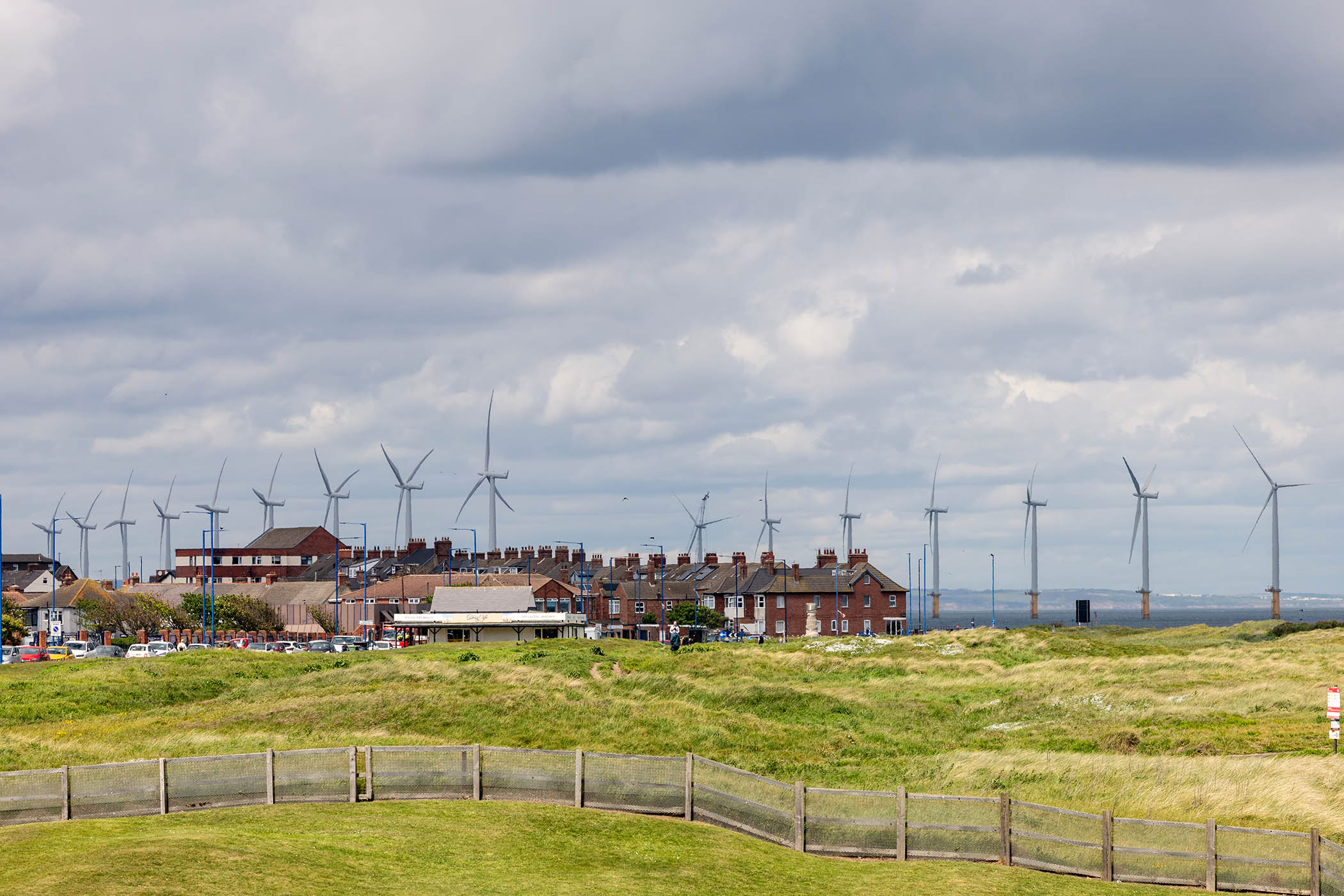
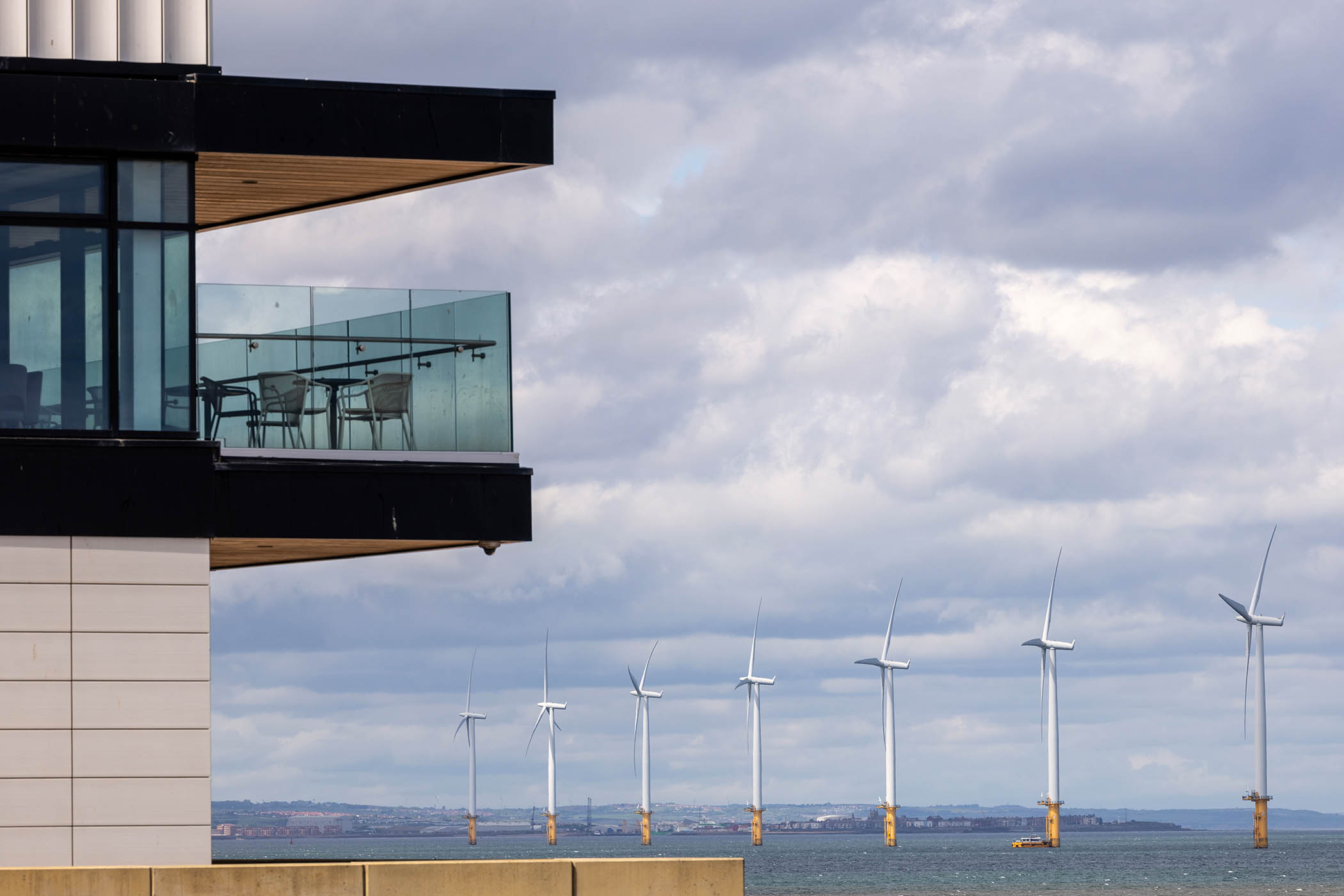
View towards Redcar and the Teesside windfarm from Marske Stray
Late last year, BP scrapped plans to build a hydrogen plant on the site after the proposal came into conflict with an application to build a data centre.
Meanwhile, windfarm developer Ørsted cancelled a contract to build windfarm foundation parts at the SeAH Wind factory. The wind technology business is now cutting back. TeessideLive has reported that the process could result in a loss of 72 roles, from an existing headcount of 153.
“When the steelworks closed, overnight we lost over 2,000 high-paying jobs,” says Alec Brown, Labour leader of Redcar and Cleveland borough council. “They haven’t in real terms been replaced. Yes, we do have SeAH Wind that became operational in recent months, but they are downscaling their operation.”
Documents submitted with the data centre planning application suggest 700 jobs could be created if that business becomes operational, but there is a degree of scepticism about this.
Brown said: “Common sense would say an AI data centre will take a lot less operational running than a hydrogen factory would. I’m very disappointed, as there are skilled people who would have applied for those jobs – and we have lost £10m a year in business rates.”
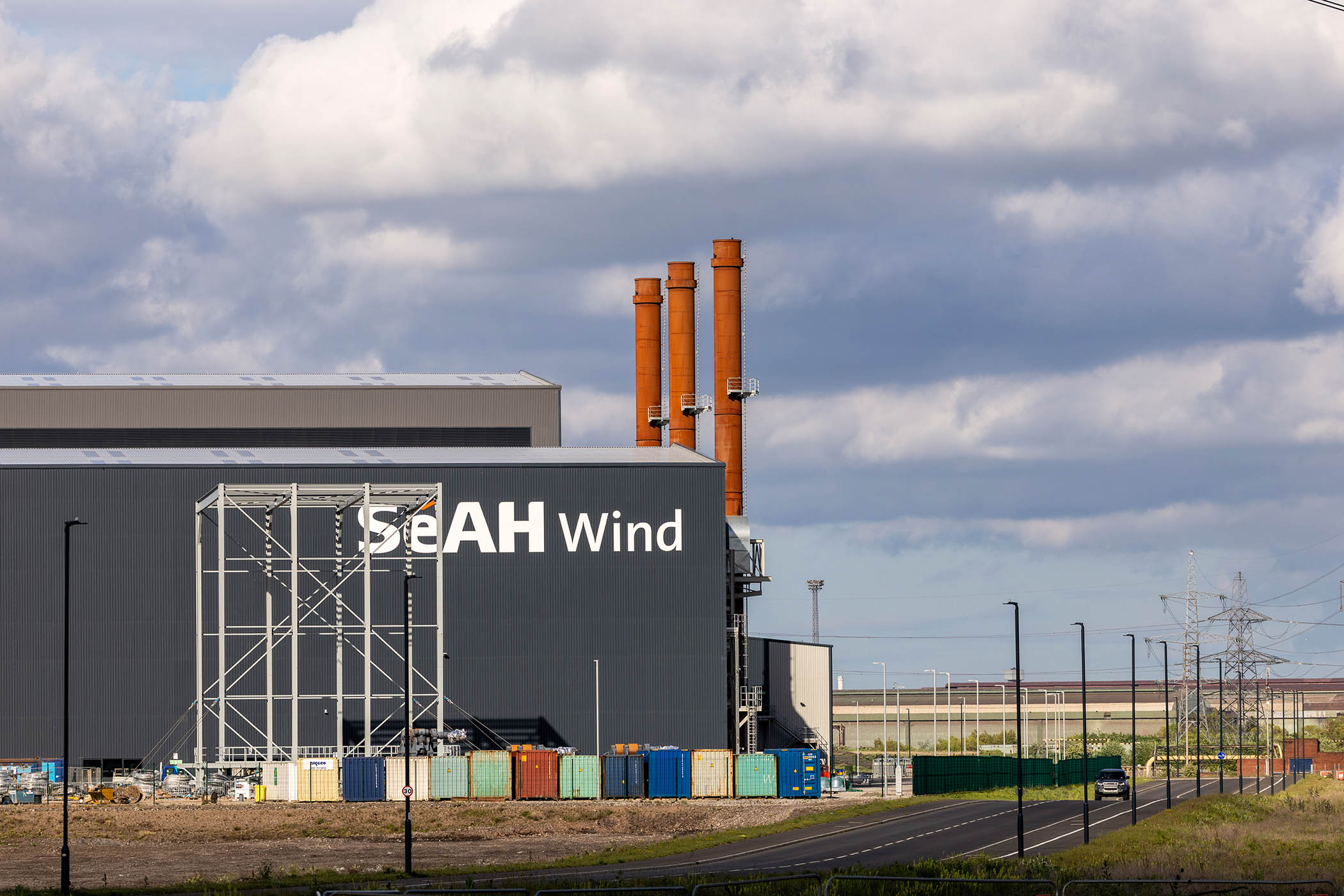
SeAH Wind which is located in the Teesworks Eco Area
But while jobs seem scarce, there’s been a bumper payout for the business that is in charge of regenerating the Teesworks site. That business, Teesworks Ltd, is mainly owned by two local developers, Chris Musgrave and Martin Corney, and it currently makes money primarily from the sale of scrap and aggregates – material such as sand and gravel that is being cleared from the former steelworks.
Though the business’s turnover was just £6.3m last year, it paid out dividends of nearly £30m, according to accounts filed at Companies House. Teesworks Ltd declined to comment.
There is democratic oversight of the regeneration, and it comes in the form of the South Tees Development Corporation (STDC), a public body that was chaired until last June by the Conservative mayor of Tees Valley, Ben Houchen.
Houchen is one of Britain’s most successful local politicians, winning three terms, the last by a majority of more than 50%.
He is marmite here – either a “lovely bloke” or something unprintable, depending on who you ask. Houchen did not respond to a request for an interview.
David Smith, chair of the STDC, said in a statement: “A decade ago this site was derelict, costing taxpayers money while it sat idle after the steelworks closed. Today it is one of the most significant industrial regeneration projects anywhere in Europe.” Smith said that there were already 650 permanent jobs on the site and that number would keep growing.
Paul Swinney, chief economist of The Data City, said that mayors like Houchen or Andy Burnham have, on the whole, been positive for economic growth. “Because of their visibility they are able to go and have a conversation with central government,” Swinney said.
“Ben Houchen has been successful at that – under the Conservatives, because of the colour of his rosette, and also because he had the personality to go out and fight for the area.”

Redcar high street
So far, though, that banging of the drum has brought government money and promises, including freeports and AI growth zones, but the results have so far failed to live up to expectations.
Part of the problem is definitions. The official description of a green job, from the Office for National Statistics, defines it as “an activity that contributes to protecting or restoring the environment”.
That can be everything from working in recycling to being an environmental consultant. By that measure, the UK has more than 650,000 green jobs, up from 510,000 in 2015. But these are not necessarily the kind of job that former steelworkers in Redcar aspire to; a skilled role in heavy industry that commands a high wage.
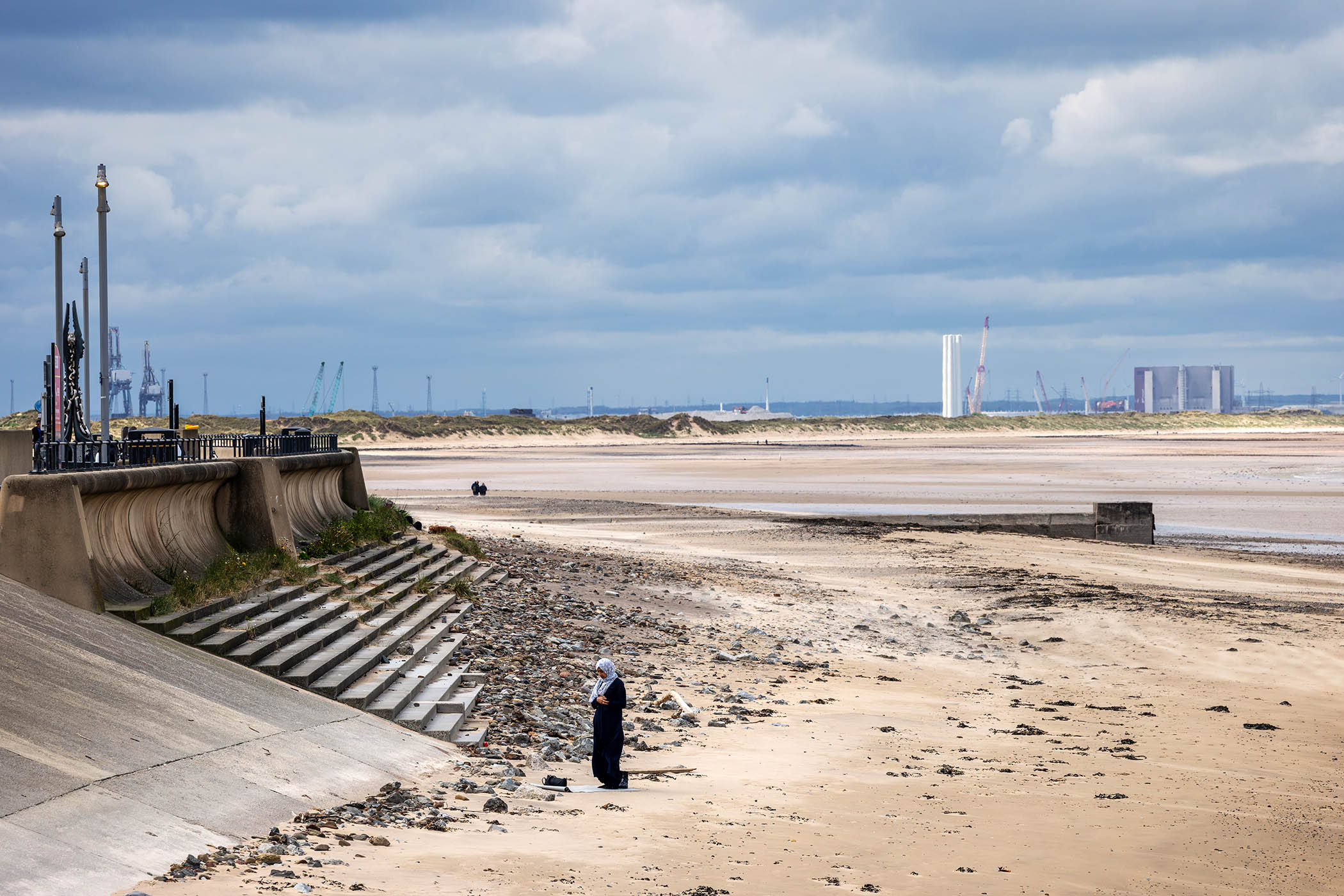
A woman takes midday prayers on Redcar beach with the former Corus steel works and Teesworks site in the background
The difficulties at SeAH Wind are a good example of the challenge – it’s exactly the kind of “green-collar” job that could replace the polluting industries of the past, bashing steel to make parts for windfarms.
But UK firms have found it difficult to create enough green jobs to offset those previously lost. UK companies struggle to produce more than 50% of the necessary components in offshore wind, according to an independent report for government. Instead, the wind industry has been dominated by Denmark, Spain and Germany, which were all pioneers in the sector.
Swinney cautioned that ideas of a green jobs boom may be overblown. “The reality is that most of the much-needed green transition will be about swapping one job for another – a plumber fits a heat pump instead of a boiler.”
There isn’t a single explanation for the stumbles on the Teesworks site so far. Analysts suggest BP’s withdrawal of the hydrogen plant proposal may stem from difficulties establishing a market – hydrogen is currently too expensive to be a viable alternative for the energy-hungry industries that might require it.
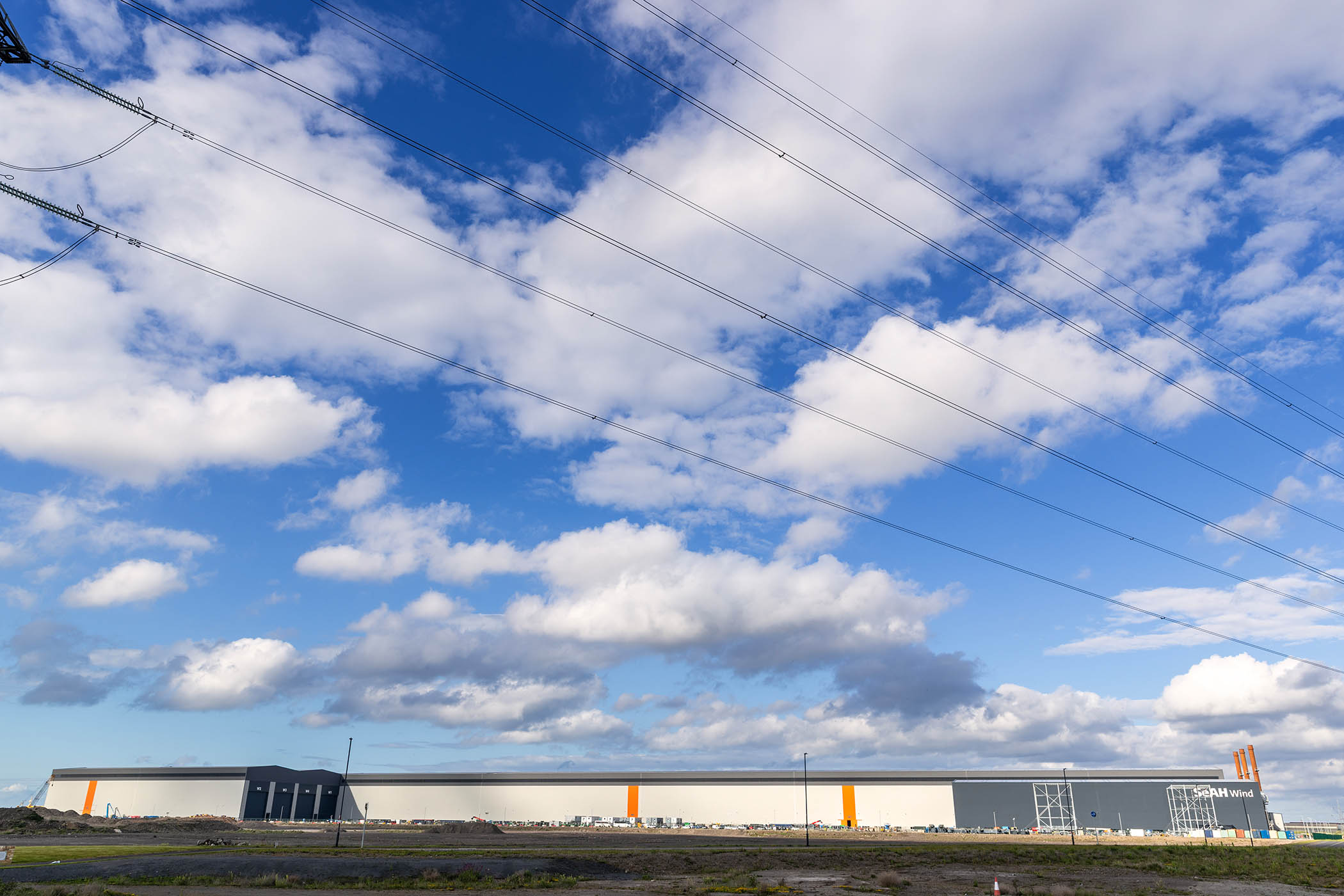
Insiders at SeAH Wind suggest the company may have over-hired at the beginning, bringing in a workforce of more than 350 before the facility was ready to be operational. “There were lads sat in a cabin for six months watching Netflix,” one worker said.
People familiar with the company suggest its initial problems may have been teething troubles.
Meanwhile, work on two carbon-capture projects is underway and the sites are expected to become operational in 2028. There’s support from the financial sector, too: in January, Lloyds Banking Group announced £1bn in new finance for industries across the north-east, including support for the green economy.
There is hope that these projects will eventually help bring a renaissance of jobs. There are few alternatives for those with steelworking skills – locals say the other major source of employment in their line of work is 300 miles away at Hinkley Point in Somerset, where a new nuclear power station is being constructed.
One worker at the SeAH Wind factory, who asked not to be identified, said: “The company said that this would be a generational project, where your son could go and work. We all still hope it works like that.” SeAH Wind did not respond to a request for comment.