
Two months ago, Oxfam boss Halima Begum sent an email to the charity’s trustees with a series of explosive claims: she felt she had been “gaslighted” in the organisation; she felt humiliated as a woman; and she was concerned about what she felt was a culture of racism and bullying within parts of the organisation.
“I feel my voice is being continually sidelined,” Begum wrote. She complained of a working environment of “intimidation, fear and confusion”, and said her card had been “marked for an exit”.
The email was part of a ferocious battle inside one of the country’s biggest charities after a bruising restructuring which had cost more than 140 jobs. Begum, 50, was said to be exhausted, facing criticism over her leadership and concerned that she was being pushed out of the organisation.
A dossier of documents leaked to The Observer reveal a disastrous breakdown in relations between Charles Gurassa, the businessman and Oxfam GB chair, and Begum, culminating in Begum’s departure.
The charity’s board, meanwhile, said it had lost confidence in her leadership and she had faced multiple complaints from staff. One senior Oxfam source said: “Given all that has happened, it now feels entirely unrealistic to pretend that confidence can be restored in Oxfam GB without profound change at board level.”
The civil war inside Oxfam is the biggest crisis for one of Britain’s best-known charities since a scandal which broke in 2018 over sexual misconduct by staff in the aftermath of the 2010 Haiti earthquake.
‘Oxfam values kindness, justice and fairness. Halima’s treatment hasn’t been kind, just or fair’
‘Oxfam values kindness, justice and fairness. Halima’s treatment hasn’t been kind, just or fair’
Balwant Singh, trustee
Gurassa, 69, who is also chair of Guardian Media Group and a boardroom veteran, was due to remain for another year after his term was extended. But during the inquiry into a grievance claim against him by Begum, Gurassa told trustees on 27 November that he was standing down that day.
The board scrambled to appoint two acting co-chairs, leaving the organisation with no permanent chair or chief executive.
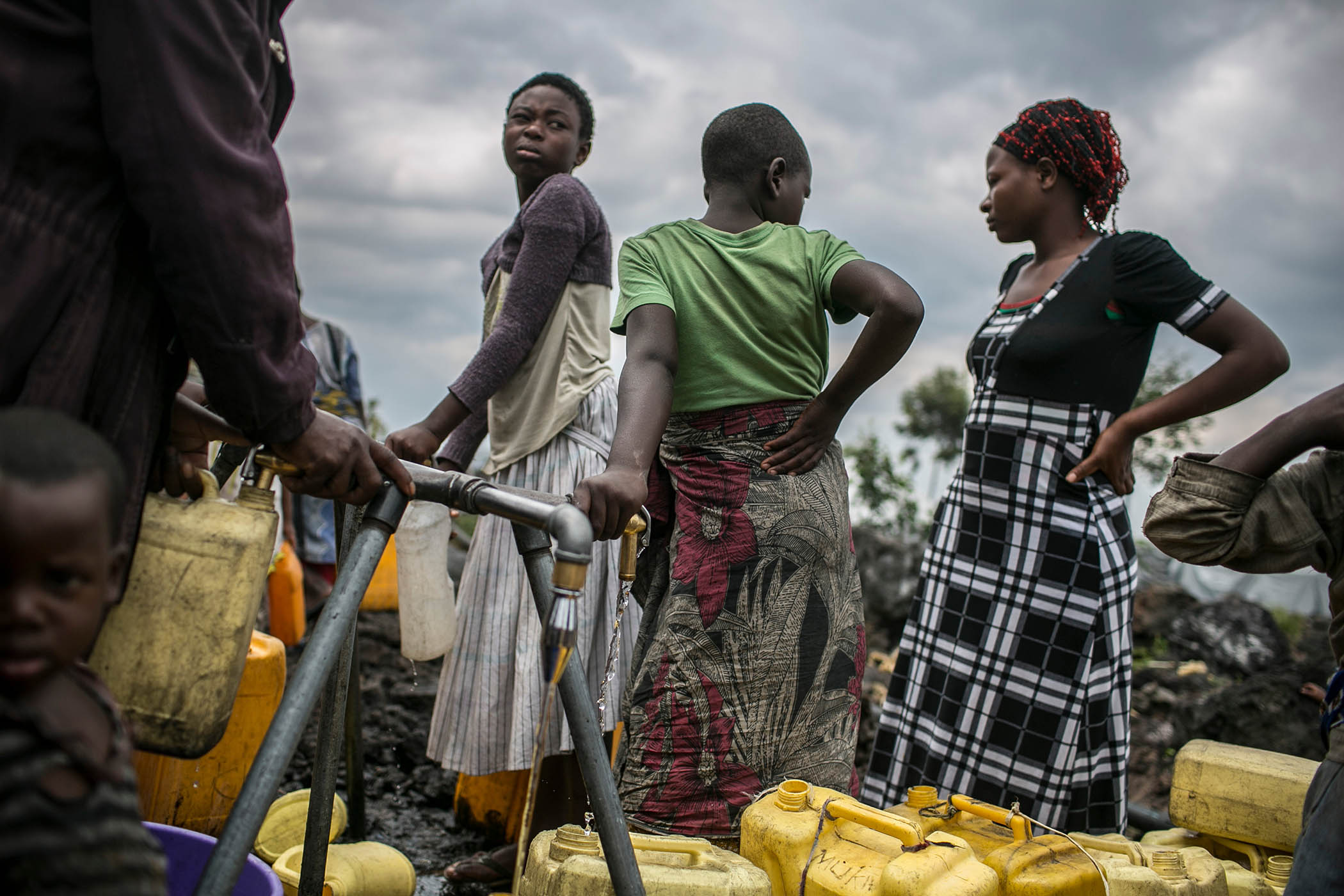
Oxfam was founded in 1942 in response to famine in Greece, caused by the Nazi occupation and an Allied naval blockade. It is now part of a confederation of 21 Oxfam organisations across the world, focused on conflict zones. In recent years, it has provided life-saving aid in Gaza and supported hundreds of thousands of people in East Africa experiencing the worst hunger crisis in living memory.
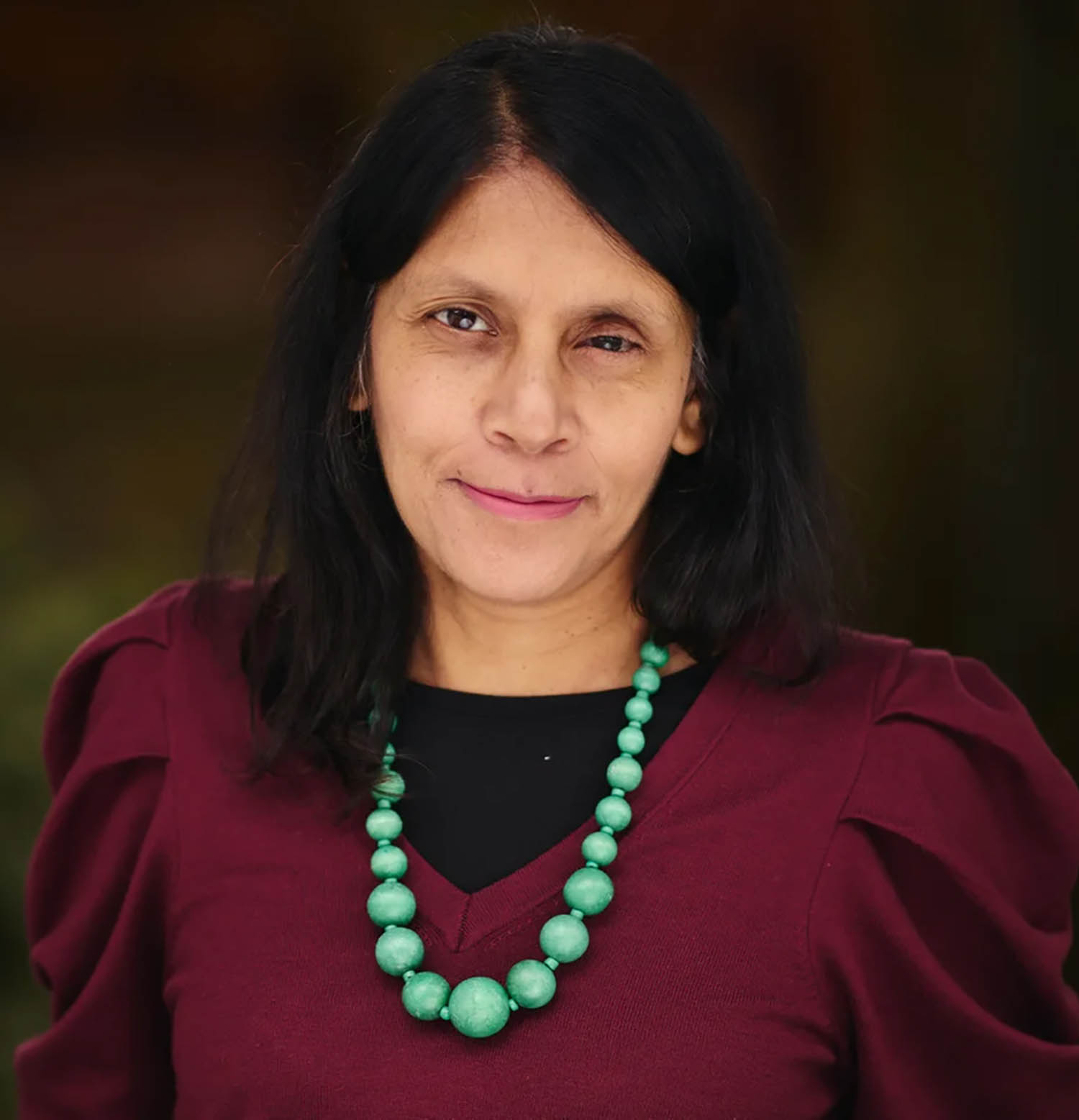
Halima Begum was forced out as head of Oxfam after her relationship with the board chair deteriorated
When Begum was hired to head Oxfam in December 2023, she was praised by Gurassa for her “wealth of experience” and “a real passion to fight injustice”.
Newsletters
Choose the newsletters you want to receive
View more
For information about how The Observer protects your data, read our Privacy Policy
She had worked at the Department for International Development and was chief executive of the charity ActionAid. She has worked on diplomatic assignments and overseas postings in China, Indonesia, Bangladesh and Nepal, with a focus on civil rights and post-conflict reconstruction.
“She is a fearless leader and campaigner,” Akiko Hart, the director of Liberty, the civil rights organisation, posted on LinkedIn after Begum’s departure. “That is why she was appointed to lead Oxfam, one of our most beloved but troubled charities.”
While Oxfam had reported a surplus (net income) of nearly £40m in 2022/23, Begum discovered the charity was facing financial pressures and heading for a deficit of more than £16m. In April last year, the charity – which has a network of more than 500 shops on Britain’s high streets, and 3,800 staff – announced it was putting 265 jobs at risk.
Profits from its shops had fallen by about 60% in two years, from £16m in the year to March 31 2023 to £6.4m in the year to March 2025. Oxfam has said shoppers are spending less, but costs are increasing.
Oxfam also faces a tougher fund-raising environment, with deep cuts to UK and US aid budgets. Last February, USAid and the Bureau for Humanitarian Assistance (BHA) terminated their humanitarian contracts with Oxfam GB. Despite the aid reductions, Oxfam increased its income from governments in 2024/25 to £19.2m, from £18.2m in 2023/24.
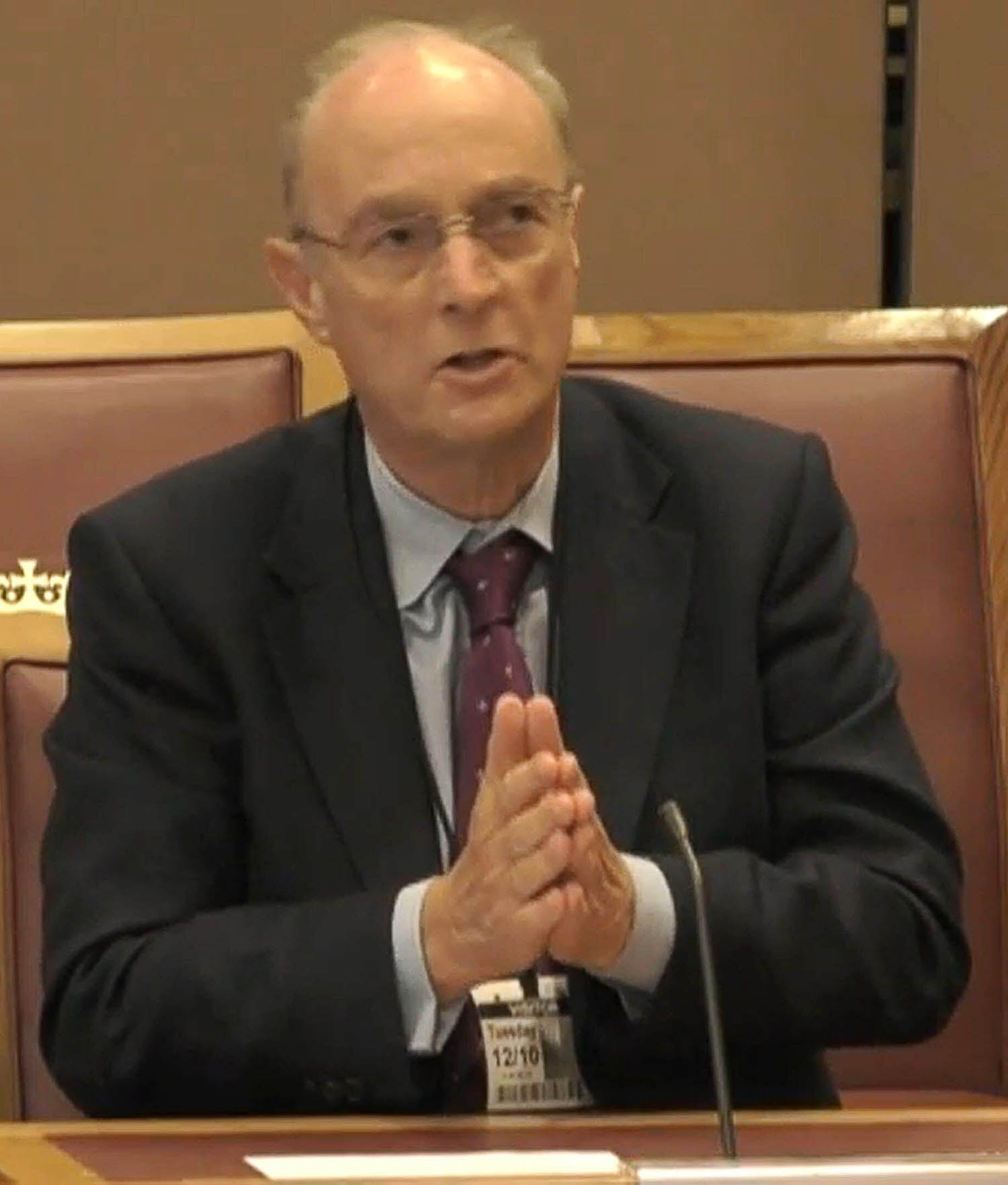
Oxfam board chair Charles Gurassa pushed for a performance assessment of Hamima Begum
There was growing dissent over the cost-cutting plans, with union members protesting outside Oxfam offices at Oxford, London and Manchester in June over the jobs cuts.
On 8 October an anonymous letter claiming to be supported by more than 100 existing and former staff was sent to the Oxfam board, warning that the restructuring had caused “widespread animosity and upset with staff”. It accused Begum of “operating in a siloed manner, removed from key functional teams”.
As chair of the board, Gurassa responded to the complaint two days later, stating that it would not address complaints sent anonymously and there was a specific email address for flagging confidential concerns. “The transformation process has been a painful one for all involved,” he wrote.
Gurassa, however, had his own concerns about Begum’s leadership and was pushing for a performance assessment, known as a “360 review”. These reviews collect feedback from multiple sources, including managers, junior staff and stakeholders. At a confidential board meeting on 24 October, trustees shared concerns about Begum’s performance, involving communication, a lack of transparency in decision making and deciding matters “on the hoof”.
Within a few days, the working relationship between the chairman and chief executive had broken down. On 29 October, Begum filed a grievance against Gurassa, with 16 complaints, including operational interference beyond his remit and contrary to Oxfam’s interests.
She said Gurassa had “failed to meaningfully address the long-standing culture of racism in Oxfam or to fulfil his duty of care regarding incidents of racism and aggression directed at me personally as a female leader of colour”.
She complained about their private meetings, which she described as “flagrant gaslighting” or “psychological manipulation”. She alleged that he was “weaponising” her performance review. Gurassa told the board the claims in the emailed complaint were “inaccurate, with mischaracterisations and innuendo”.
It was agreed by the board on 6 November to set up two independent investigations. The employment investigation firm Howlett Brown was appointed to examine ongoing concerns around Begum’s leadership. And an independent human resources expert, Janet Campbell, was commissioned to investigate the grievance complaint against Gurassa.
There were also wider concerns that the board was being urged to examine. A programme director who attended an Oxfam summit in Istanbul in September said he was concerned at Begum’s treatment by a senior official at one of the charity’s international affiliates. Rhaea Russell-Cartwright, the charity’s director of racial justice, had also written to the board raising concerns about organisational culture and racism.
The board had extended Gurassa’s term of office to November 2026, but he decided to step down early about three weeks after the independent inquiry commissioned into his working relationship with Begum.
Gurassa wrote: “With my other professional and academic commitments, I know I will not be able to give the role the time and focus it deserves beyond this point.”
One source suggested that he may have considered the divisions at senior leadership level might be better resolved with a new chair.
Meanwhile, the Howlett Brown investigation into Begum had continued apace, interviewing 32 people. The report is said to have found “breaches of organisational processes” by Begum and “interference into safeguarding and integrity investigations”.
There was a unanimous decision by the board at a meeting on 12 December to terminate her employment. It was agreed there had been an irretrievable breakdown in trust and confidence in her leadership role.
But Begum was not immediately notified. The fact a review had been commissioned was leaked to the Times newspaper, with Oxfam confirming Begum’s departure in a press statement on Sunday 14 December. The media statement was released before Begum had been officially notified of the detailed findings of the review or given a chance to respond. A source told The Observer that the first Begum knew about the result of the review was when she was contacted by a Times journalist.
One of the board trustees, Dr Balwant Singh, was stunned at what he considered was a “brutal” briefing against Begum.
“Oxfam values kindness, justice and fairness,” he wrote in a public statement. “Halima’s treatment has been anything but kind, just or fair.” Singh has filed a whistleblowing complaint to the Charity Commission.
Begum had in any event submitted her resignation on the Sunday afternoon, which her lawyer Lawrence Davies described as a “forced” resignation. She had independently come to a decision to leave, considering she had been given no other option. Davies has said that Begum will file a claim at an employment tribunal.
A Charity Commission spokesperson said: “In line with our guidance, Oxfam GB has submitted a serious incident report relating to its leadership. We are actively engaging with the charity’s trustees to determine any appropriate regulatory steps.”
The board of trustees at Oxfam GB said: “We take seriously the duty to investigate serious concerns raised both by and against senior leadership or board members, irrespective of the complainant or subject of complaint.”
The board said that a thorough review was conducted into the chief executive and a “difficult” decision was taken as a result of the review. The board said it was “confident in the integrity of the processes”, but there were always lessons to be learned and the media coverage was “undeniably unsettling”.
Oxfam officials said the complaints raised by Begum against Gurassa on 29 October are subject to an independent investigation.
Begum declined to comment. Gurassa was repeatedly contacted for comment but did not respond.
Photograph by Jean Chung/Getty Images