



Weight-loss drugs have transformed healthcare, and the recent approval of the first pill version of Novo Nordisk’s Wegovy drug marks the start of a new era in obesity treatment.
But as the industry expands, manufacturers are searching for a solution to a little-known downside: the lakes of toxic waste created as a byproduct of the drugs.
The active ingredient in the drugs, GLP-1 agonists such as semaglutide (sold as Wegovy) and tirzepatide (sold as Zepbound), are synthesised using a process invented by the Nobel prize-winning chemist Bruce Merrifield. It requires large quantities of hazardous solvents, producing 14,000kg of waste for every kilo of the active ingredient.
The market for weight-loss drugs is expected to reach $150bn globally by 2035, according to Morgan Stanley, up from about $15bn in 2024. To meet the anticipated surge in demand, Eli Lilly, Roche and other pharma companies are investing billions in new manufacturing facilities.
But the waste from industrial production of GLP-1s is so toxic that it cannot go to landfill and must be incinerated instead. In 2023, the EU brought in greater protections for those working with one of the most common solvents, DMF, restricting its use in drug manufacturing. Those involved in industrial processes are not allowed to be exposed by inhalation to more than 6mg of DMF per cubic metre of air or through their skin to more than 1.1mg per 1kg of their body weight.
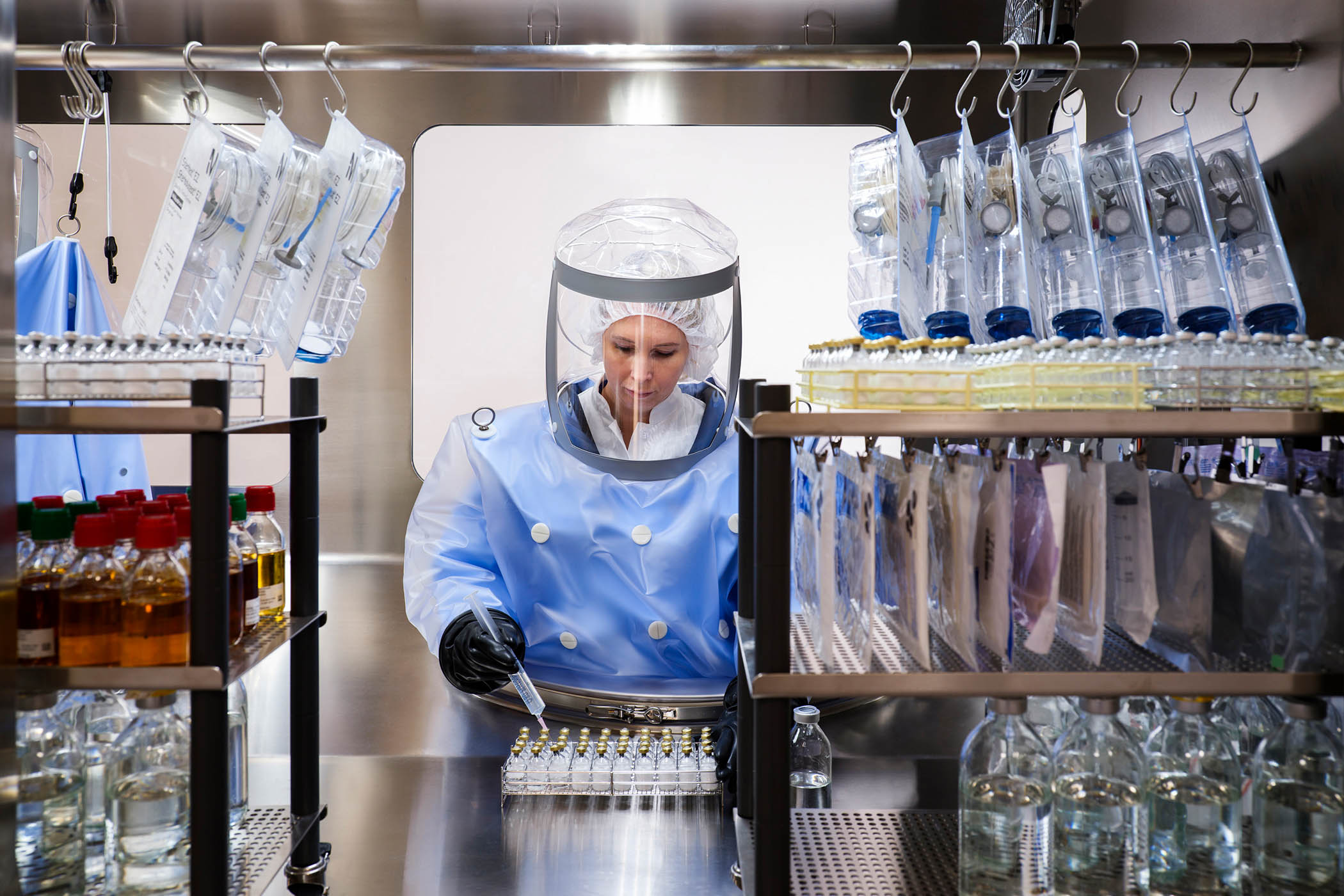
A laboratory technician at a Novo Nordisk facility
Ola Wlodek, chief executive of Constructive Bio, a Cambridge-based biotechnology startup, said: “This is a life-changing category of medicines but every kilo creates waste which is flagged for reproductive toxicity, is already restricted in the EU and which could possibly be banned in future.”
Studies have linked exposure to solvents to reproductive problems in women and men, including reduced fertility and miscarriages.
Constructive Bio has won a £914,000 grant from Innovate UK, a government agency, to manufacture GLP-1s using biological methods rather than chemical synthesis.
The process is based on research by the startup’s founder, Jason Chin, a professor of chemistry at Cambridge who in 2019 was able to rewrite the DNA of a bacteria, a breakthrough that allows scientists to create living organisms that can be coded to manufacture valuable drugs.
The startup, which launched in 2022 and has also raised $75m from private investors, is now ready to begin large-scale manufacturing.
Newsletters
Choose the newsletters you want to receive
View more
For information about how The Observer protects your data, read our Privacy Policy
“We have raised capital and are now essentially ready to go,” Wlodek said. “We have convinced ourselves that the tech is functional. We now need to prove it at a larger scale.”
The company aims to prove that biological manufacturing can produce drugs that are just as effective as chemically synthesised ones, with a lighter environmental footprint.
The biological route is not the only means of reducing the potential harm from weight-loss drug production. Separately, Novo and other pharma manufacturers are exploring the use of lower volumes of chemical solvents, or replacing the most harmful chemical solvents with ones that are less damaging to the environment and human health.
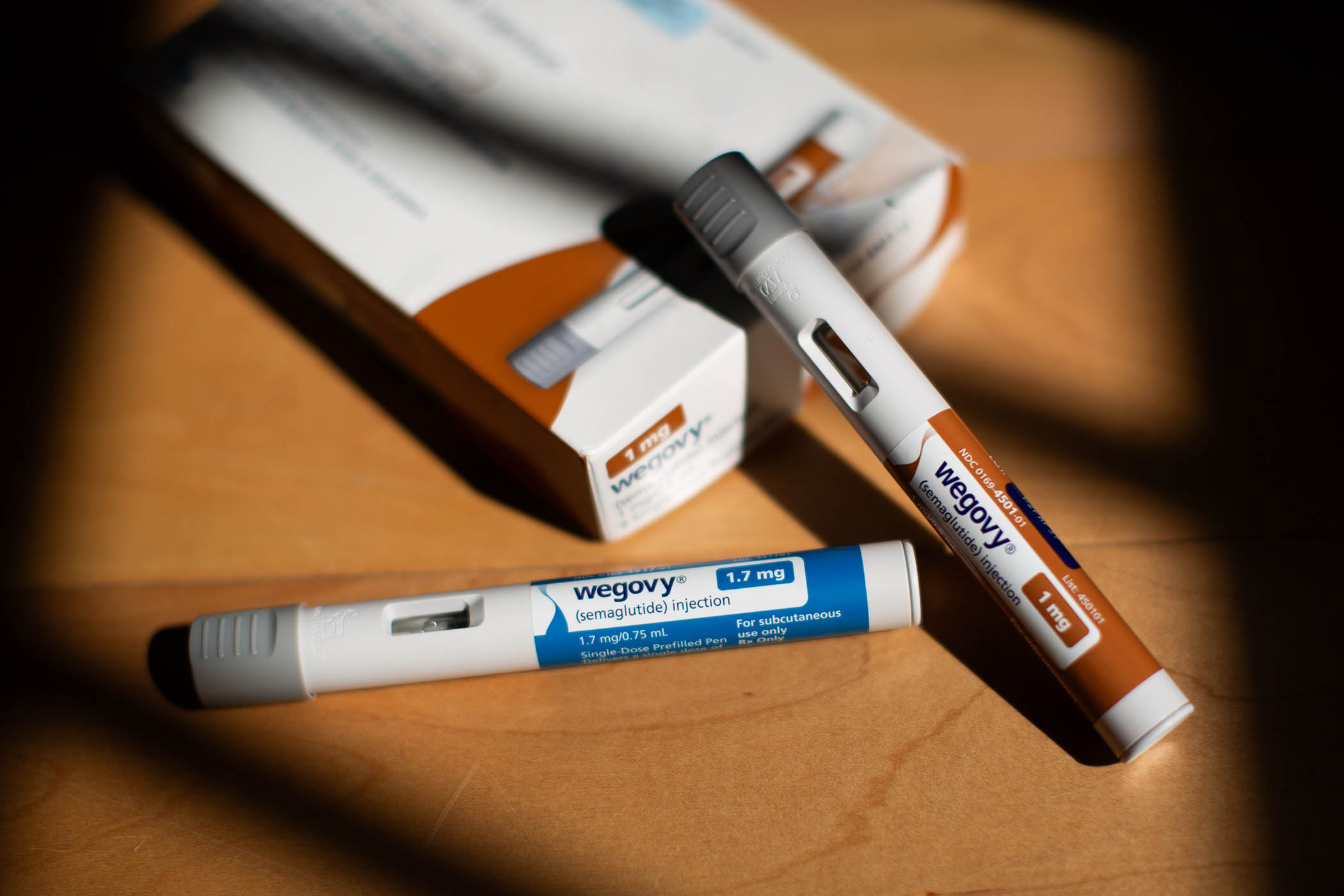
Wegovy injection pens
Using bacteria to manufacture the drugs is not only cleaner than chemical synthesis, but could also reduce costs, Wlodek said.
“In general, a biological process is very energy efficient in comparison with chemical processes,” Wlodek said. “Life thrives without huge energy consumption. We do believe it will cut down costs and hope that it will translate into better pricing for people using these drugs.”
In December, the US Food and Drug Administration approved a pill version of Wegovy, which will go on sale early this year. Novo’s rival, Eli Lilly, expects to bring its own pill to market in March. The pills will have the same active ingredients as the injectable drugs, requiring the same manufacturing process and leading to the same waste byproducts.
The arrival of the drug in pill form is expected to broaden the US market, attracting more cash-paying customers who can obtain the drug at pharmacies and on telemedicine platforms without waiting for insurance cover, as well as those who may be reluctant to use a needle.
In trials, neither pill has been as effective at reducing weight as the most successful injectable, so the new form of the drug is not expected to cannibalise existing sales. Pharma analyst Evaluate suggests that pills will account for about a fifth of the overall market by the end of this decade.
Photographs Shelby Knowles/Bloomberg via Getty Images and courtesy Novo Nordisk