

Britain’s more ambitious arts leaders and curators will be weighing up a new prospect this weekend: should they go for the job of running Tate now that Maria Balshaw, who has headed the galleries for nine years, has announced she is stepping down in the spring?
Among them might have been Nicholas Cullinan, recently appointed to run the British Museum, but the Tate post, which includes running Tate Modern, Tate Britain, Tate Liverpool and Tate St Ives, has come up too quickly for a seemly switch.
London’s other successful major museum bosses, including Tristram Hunt at the Victoria and Albert and Gabriele Finaldi at the National Gallery, would have no clear reason to jump. Other candidates might include New York’s Thelma Golden, the National Portrait Gallery’s new appointee Victoria Siddall, Jessica Morgan, the director of the Dia Art Foundation, or the American art historian Zoé Whitley. But they would have to have a big appetite for bureaucracy, as well as art.
“We really need someone who has been in charge of a large European institution to come over, but it is not such an enticing prospect now,” said the head of one of Britain’s museums this weekend. “It shouldn’t really be an older white male either, which rules many of us out,” he said, adding that the job Balshaw inherited from her expansionist predecessor, Nicholas Serota, who was there for almost three decades, is now too big for one person.
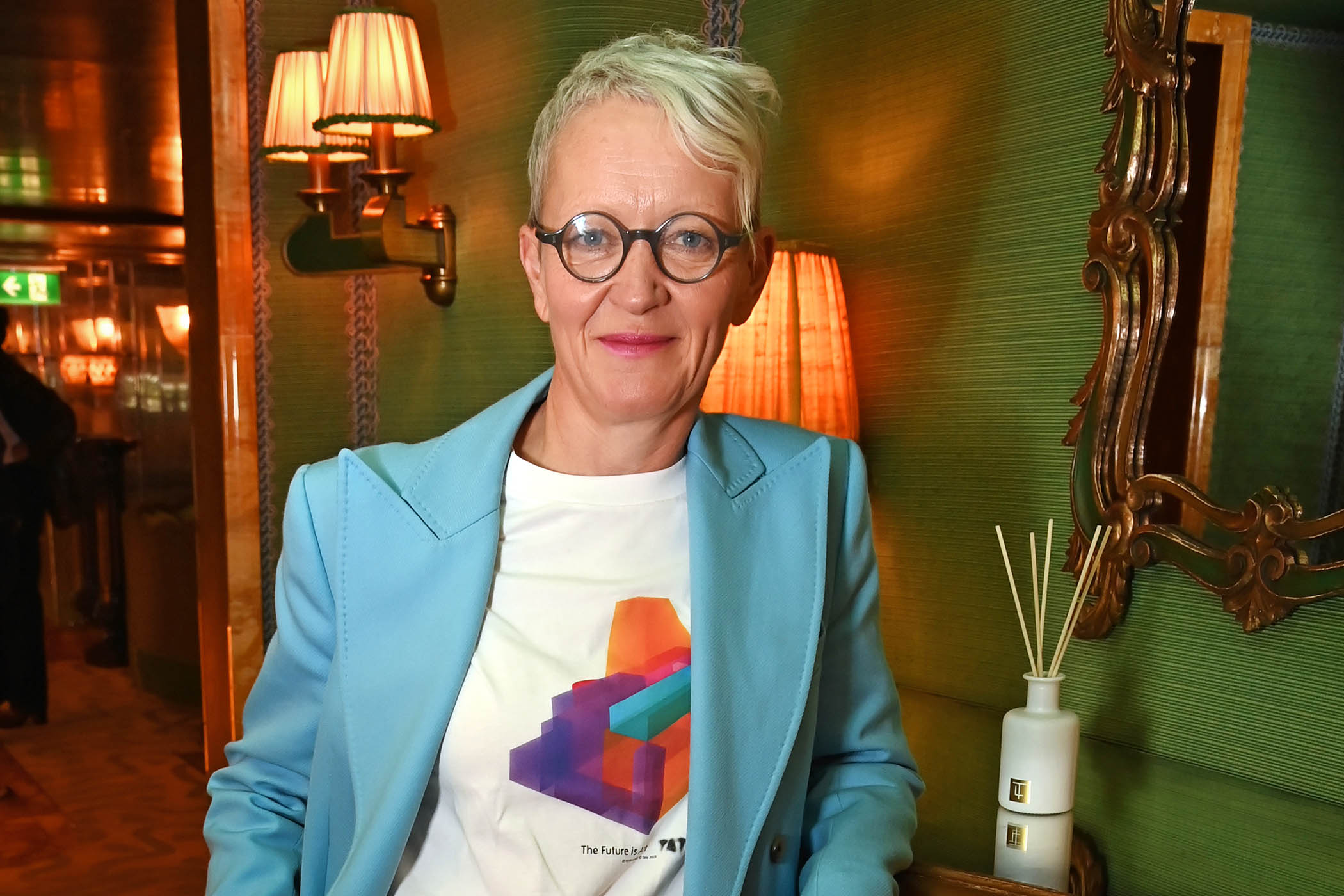
Maria Balshaw has been the director of Tate since 2017, when she was the first woman to be nominated to the position (Photo by )
Balshaw, who built her reputation jointly running the Whitworth Art Gallery and Manchester Art Gallery, has not revealed her future plans. When she joined her priority was “to ensure that everybody irrespective of background” had a connection to Tate’s work, wherever they were from in the world. One of the most pressing issues Tate now faces is a steep drop in foreign tourism since the pandemic.
In September the combined galleries’ accounts revealed an operating loss of nearly £5m over the previous year. In recent months financial lifeline discussions with the government have run alongside staff cuts, with 150 Tate workers walking out over a pay and conditions dispute.
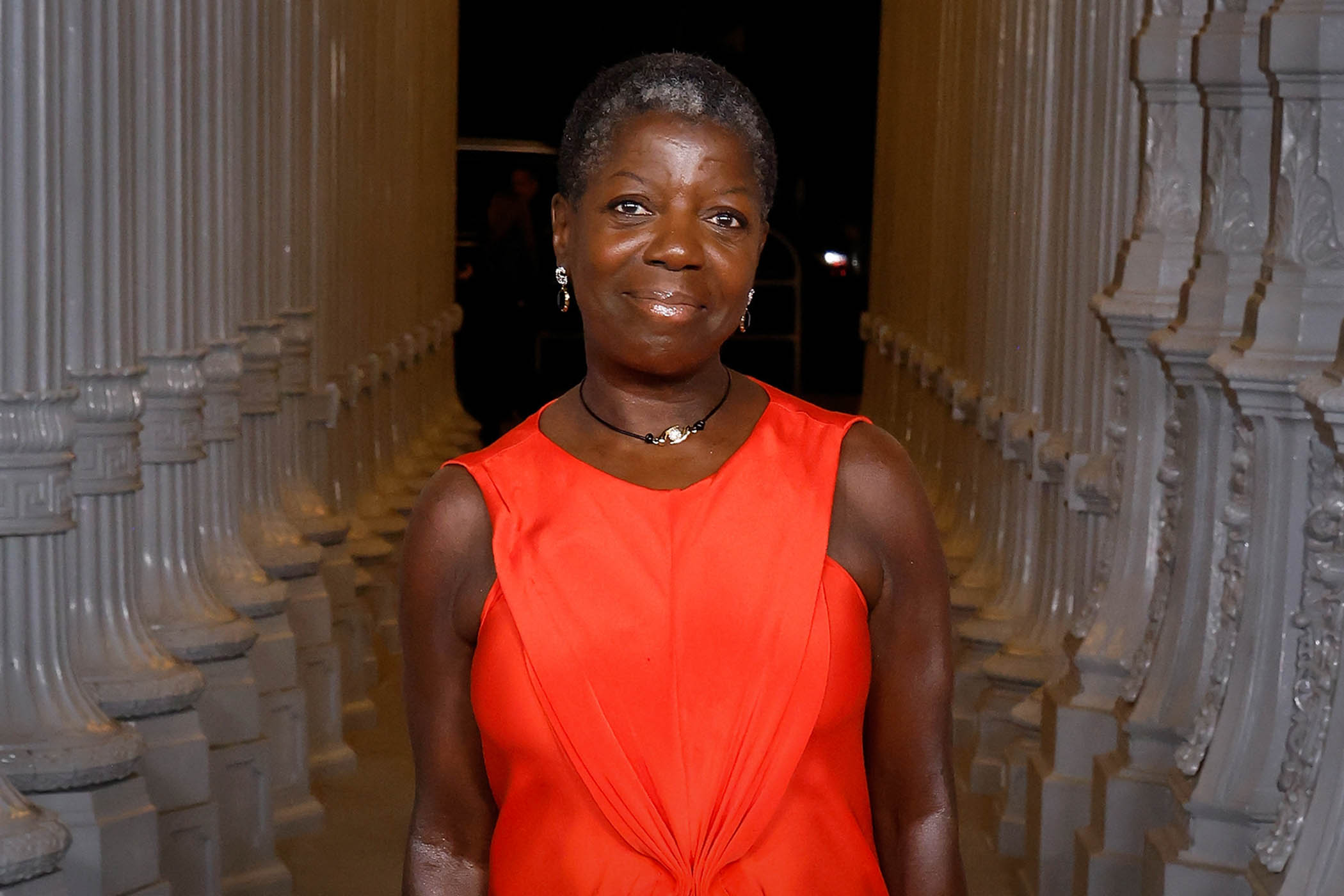
Studio Museum director and New Yorker Thelma Golden has been named as a possible candidate for the top job at Britain’s biggest art institution
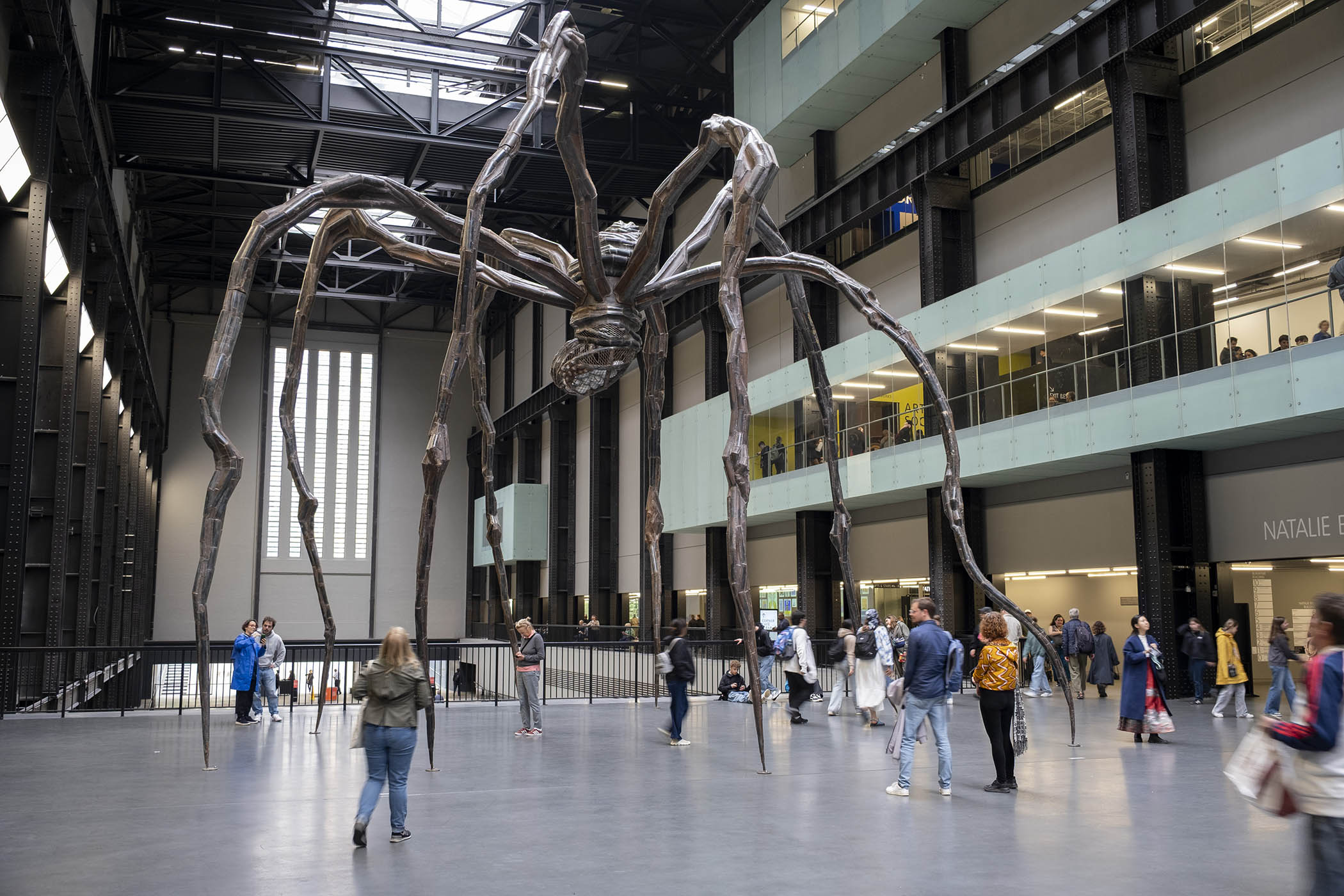
Tate Modern, the vast former power station on London’s Bankside, celebrated its 25th anniversary this year and marked its greatest hits, including the initial installation of Louise Bourgeois’s giant spider in the Turbine Hall, followed by Olafur Eliasson’s indoor sun and 2018’s spectacular Picasso show. But as visitor numbers have fallen, critics have put the boot in. Sunday Times pundit Waldemar Januszczak attacked Tate Britain’s 2021 Hogarth show for the “wokeish drivel” in its wall texts, while Jonathan Jones of the Guardian bemoans the sidelining of “treasures like its Rothkos, Picassos and surrealists”. The 2023 reorganisation of Tate Britain’s collection was received as patronising by many critics and the Financial Times’s Jackie Wullschläger argued that other shows have placed “social activism before aesthetics”.
Tate Modern, now led by Karin Hindsbo, has held its place in visitor rankings, at number four in a list still led by the British Museum. Tate Britain, upstream at Millbank, was in fifth place, despite being down a whopping 32% on its bumper pre-pandemic year. Balshaw has rejected a link with curatorial choices, saying: “There’s no evidence the current level of visitors bears any relationship to the programme we’re presenting.” But for one informed observer, Balshaw has always been out of her depth in the London world of politics and high-stakes sponsorship and philanthropy.
If Serota’s reimagined Tate empire mirrored what he has called a “profound reorientation” in the arts, then Balshaw’s era has reshaped visual arts in the public image, giving women and diverse groups more prominence, as recent shows on Leigh Bowery and Emily Kam Kngwarray demonstrated.
Roland Rudd, the chair of Tate, said: “She has never wavered from her core belief – that more people deserve to experience the full richness of art, and more artists deserve to be part of that story.” In waving goodbye, Tate’s board has saluted Balshaw’s skill at bringing a greater gender balance and breadth.
Newsletters
Choose the newsletters you want to receive
View more
For information about how The Observer protects your data, read our Privacy Policy
Fittingly, her final act of co-curation at Tate will be the largest survey of Tracey Emin’s work, opening at Tate Modern in late February.
Photographs by Mike Kemp/In Pictures/Getty Images, Dave Benett/Getty Images, Taylor Hill/FilmMagic