


More bad news from the world of artificial so-called intelligence. Where to begin? First, we learn that Taylor Swift is trademarking her voice, so it won’t be cloned to make Taylor-bots. Matthew McConaughey has done the same for his awright-awright-awright. This seems pretty King Canute holding back the tide to me, frankly: surely it’s not going to stop any bad actors intent on persuading you that Taylor or Matthew wants you to invest in crypto/buy cat food/can teach you the secret of eternal youth.
But even if you want to talk to a bot that isn’t pretending to be a celebrity, too bad: you may well be driven mad, as Patricia Clarke has reported in The Observer, comparing the rise of AI-psychosis to the “glass delusion” – in which people thought their bones or bodies were made of glass – of the early modern period. Meanwhile, gas-powered data centres may emit more greenhouse gases than entire nations. Meanwhile again, tech titans Sam Altman and Elon Musk are beginning a courtroom battle that is the culmination of a years-long feud; why do I suspect the spectacle will be unedifying?
With that as the gloomy background, I wish to present a short essay in praise of difficulty. I’ve just filmed a segment for ITV (to air 6 May) because I have been asked to be an ambassador for the Society of Authors' Human Authored initiative. The Authors Guild, in the US, is running a parallel scheme: authors sign up and receive a Kitemark certifying that their work is generated by a person and not a machine. One of the things I said to the nice person interviewing me is that we who write novels (or nonfiction, or anything at all) aren’t just after the end result. We’re after the joy – for which read hardship – of making.
I’m struck by how many conversations around AI centre on the idea of the stuff we choose to do (or indeed, have to do) being made easier. This app will tell you what to cook if it knows what’s in your fridge. This one will plan your trip for you. Another will eavesdrop on your meeting and always know who was speaking and what they spoke about, thereby absolving you of the need to listen in the first place. As the great Jerry Seinfeld remarked to Jimmy Fallon the other day: “If I’ve got this right, we’re smart enough to invent AI, dumb enough to need it, and so stupid we can’t figure out if we did the right thing.”
But what is our time for? That’s the question I find I keep asking myself in the face of all this potential rest and relaxation that’s supposedly on offer or going to be on offer sometime in the vaunted future. (And this ignoring, for the time being, the issue of copyright theft in the construction of large language models: it is worth noting that in Bartz v Anthropic, one of the major copyright lawsuits under way in this area, papers recently filed in court cover 440,490 of the 482,460 eligible works in the class action. This is 91.3% rate of all eligible claims – an astonishingly high percentage. And yes, even if I get money retrospectively for my work: it’s still stealing, folks, if you don’t ask permission first.)
Remember the “all-access hoverchairs” available to future humans in Pixar’s Wall-E? “Buy N Large: everything you need to be happy!” Back in 2008, when the movie came out, we could laugh (at least in the moments when we weren’t observing the global economy slide into the toilet). Now there’s an eerie prescience to those scenes.
But it’s not just AI and its promise of pointless leisure that threatens our will to act, to live as humans. Our education system is, broadly speaking, results-driven rather than process-driven. Anecdotal, I know, but I bet you’ve got a story like this too: I recollect my son, madly studying for his French GCSE. I tried to help him by speaking French. He brushed me off anxiously: he just needed to memorise these lists of words, he said. He got an A*. He speaks not a word of French.
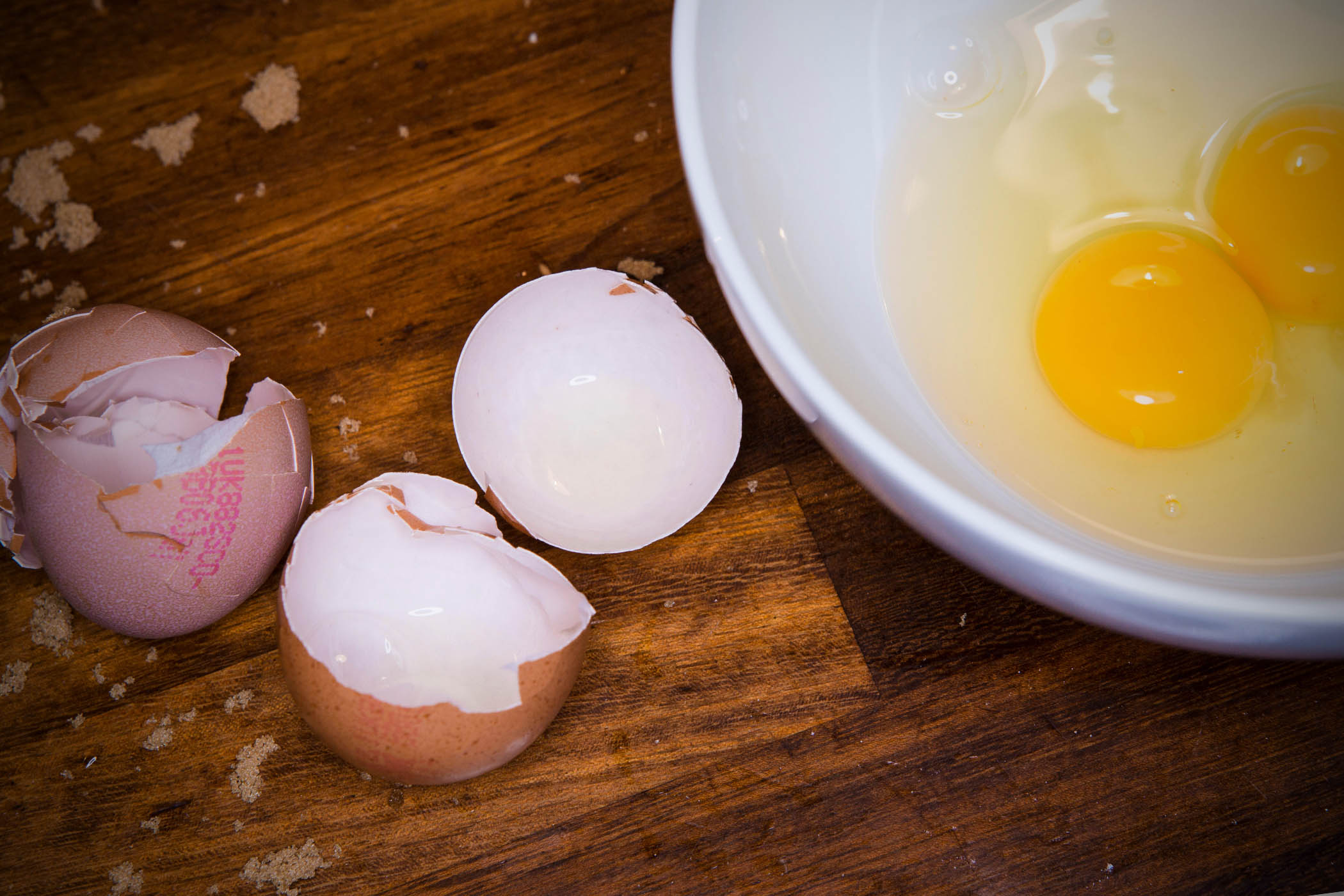
We do these things not because they are easy, but because they are hard. Remember that? Of course, there’s a word for this now: friction-maxxing, it’s called, choosing the less convenient over the convenient. But what about progress? I hear you cry. I get the idea of progress. And you may find AI useful in certain aspects of your life. But why should it intrude on what you enjoy? Or what you might discover you enjoy? I have a friend who thought he didn’t like cooking; he found it a bit scary, I think. Then he took the time to start to cook. Slowly. He read Samin Nosrat’s Salt, Fat, Acid, Heat. And then he was making mayonnaise from scratch. Yes, you too can be a part of the resistance. All it takes are some egg yolks and a little oil.
Photograph by Stephen Shepherd / Alamy
Newsletters
Choose the newsletters you want to receive
View more
For information about how The Observer protects your data, read our Privacy Policy