
I opened TikTok a few days ago and the first video to pop up was of a man explaining how “27 was young, 28 is the oldest age you will ever be, 29 was old but hitting 30 was the same as turning 18 – you were young again’’. With no further explanation the video ended and, like much of the comment section, I agreed. The years leading up to 30 feel like a second adolescence. A time of reaping and sowing, reconfiguring and adjustment, in a way that doesn’t always feel linear. It’s a feeling many of us experienced in our teens.
For the first time in nearly a decade, I find that my friends and age-mates are aligned again. We spent our early 20s in wildly different circumstances – travelling, working, having children or studying. But now, in our late 20s and early 30s, there’s an unspoken recognition that these are strategic years. Perhaps spurred on by the looming shadow of life milestones or recent admission into middle management. A time to consider a more serious approach to our goals.
This realisation has manifested itself into the “workification” of our social lives. My best friend and I regularly schedule admin nights. The idea stemmed from the growing online trend of young people swapping the occasional night at the bar for a Sunday session around the dinner table tackling life admin. Because organising bills, emails and the weekly shop are all tasks best done in company.
When a colleague told me her friends hold AGMs where they discuss the highlights of the year and look forward to Q1 and beyond, I fell in love with the concept. My friends and I immediately started planning our own version.
Matching suits, laser pointers and hiring a workspace were all discussed in great detail to make the event feel as performative as possible. And of course, social media loves a presentation night. Catching up over coffee is a relic of the late-2010s. Sharing the most intimate details of your life via a deck is what adults do, right?
This fascination with strategy is playing out in my latest small-screen obsession: the current season of Industry. When the show started, the characters were interns navigating London’s financial sector. In season four, they are no longer surviving the 100-hour work week – they are weaponising their proximity to power through Machiavellian wit and ambition, in a way that feels more terrifying than aspirational. I respect Industry’s refusal to hold the audience's hand as it races through complex economic theory and jargon at a pace that screams “you either get it or you don’t”. The show’s ethos is clear – strategy execution waits for no one.
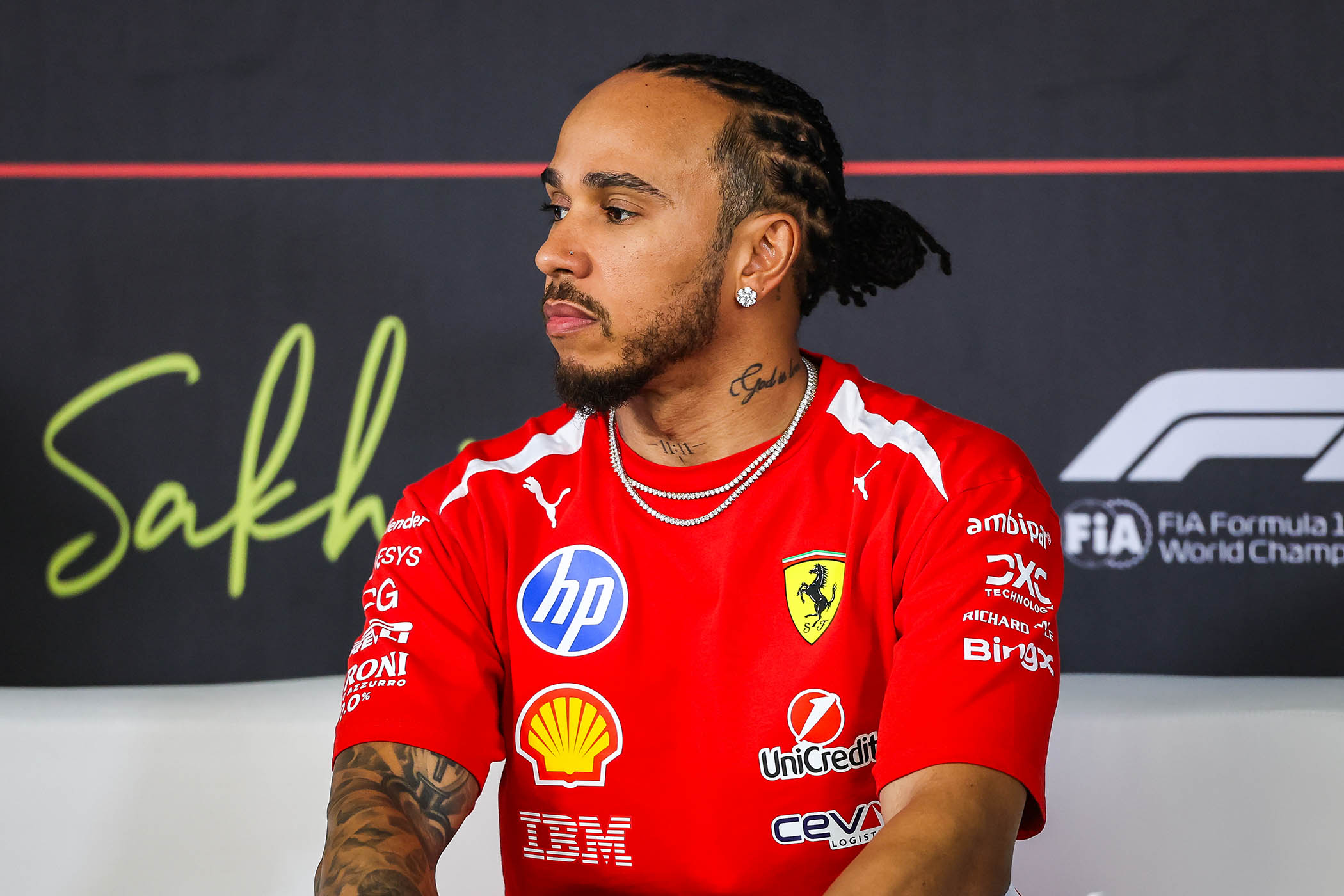
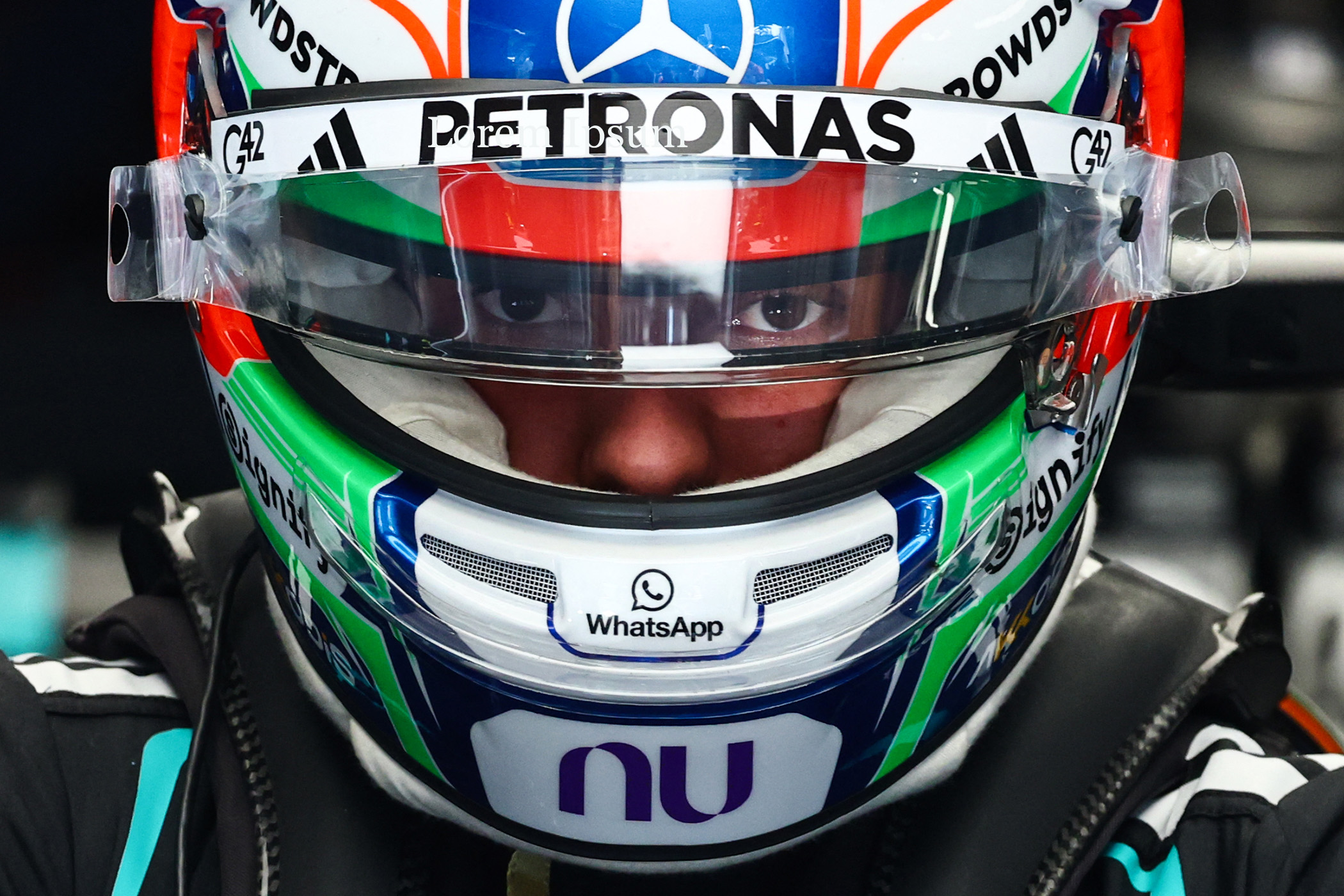
And that brings me to the upcoming F1 season. An overhaul of the regulations has swiftly upended any predictions about the year ahead, and a shake-up of the years-long hierarchy may be imminent. But as a loyal Lewis Hamilton and Ferrari fan (in that order) my focus is on the cars in red.
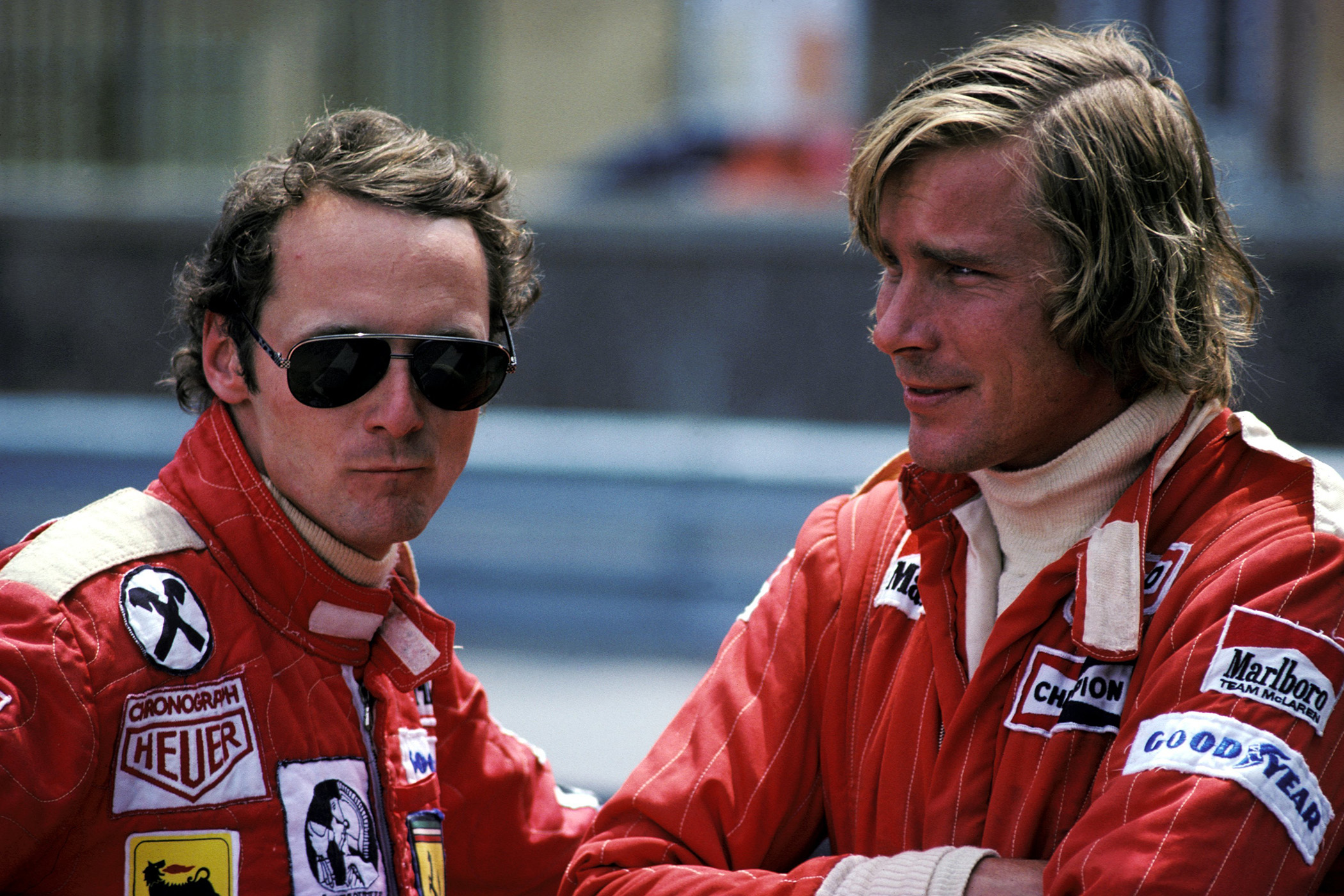
The Ferraris are looking better than last season, but true fans of the Italian team know strategy has been their achilles heel for a while. I fear my dreams of an eighth world championship for Hamilton are unlikely to come to fruition, but there’s still lots to look forward to. Only a week until racing fans get to hear “lights out and away we go” again.
But until then I will be enjoying the latest season of the hit Netflix documentary Formula 1: Drive to Survive. Watching a rerun of the season in which six rookies joined the grid, Red Bull booted out Christian Horner and the McLaren “let them fight” doctrine threatened to derail its title run is my idea of a perfect weekend.
From our social lives to entertainment, in 2026 we are not just casually living, we are actively plotting our success.
Newsletters
Choose the newsletters you want to receive
View more
For information about how The Observer protects your data, read our Privacy Policy
Photograph by Kym Illman/Getty Images