
In the middle of the longest partial government shutdown in American history, which has left some federal workers unpaid for over six weeks, the gossip site TMZ put out a call. If you spot a member of Congress on holiday, having fun at a theme park, on a beach, sipping something cold while millions of people go unpaid, snap a picture and send it in.
And holiday they did. Within days, the site had assembled a gallery of elected officials caught mid-shutdown. Republican senator Lindsey Graham appeared at Disney World, pouring coffee at a character breakfast before hopping onto Space Mountain, his Little Mermaid bubble wand in hand. A group of lawmakers turned up in Scotland, touring castles on what TMZ emphasised was a taxpayer-funded trip: “pack your kilts,” the headline teased. Democratic senator Bernie Sanders was photographed boarding a flight out of Washington. Republican senator Ted Cruz was spotted mid-journey to a sun-soaked destination. Elsewhere, lawmakers were shown drinking at bars, organising reality show watch parties, coaching at their children's sports games. The cheeky tone was familiar and incredulous, but its target was now Congress, instead of a wayward pop star.
For most of its existence, TMZ has operated as the apex predator of celebrity culture in the US, publishing shameless and ruthlessly effective gossip. It broke stories the traditional press could not or would not touch, often happily bypassing ethical codes about privacy or respect. It thrived on proximity, paparazzi, tipsters, leaked footage and on a particular American appetite for watching the powerful behave badly. In the early 2000s, they scooped Michael Jackson’s death and chased Britney Spears down the street. More recently, the site caused distress when it published photos of the pop star Liam Payne’s dead body.
Harvey Levin, TMZ’s founder, said there is a strategy behind their latest focus on politics. He has an agenda – he wants all of Congress to be removed and to start fresh, “We’ve started this movement, OWTA, which is ‘out with their asses,’ and that means vote all of them out,” he told CNN last week. “I think you need to clean house.”
TMZ has opened a new press bureau in Washington. Beyond Congress vacationers, they’ve begun reporting on Trump’s administration changes and his press secretary Karoline Leavitt’s ‘diva’ status. “Enough is enough,” said Levin in a recent plea for photos on TikTok.
Commenters supported him. “We don't care about celebrity gossip right now… We need the news,” one said. “Thank you for speaking the truth,” said another. “What exactly are we paying these people for?” A Hill staffer told Politico last week that “there are definitely conversations on how to engage and prepare for your boss’s TMZ moment”.
When TMZ zoomed its lens from Hollywood to Washington, it was a pivot long in the making. In 2021, Lachlan Murdoch bought TMZ for somewhere under $50m. The Murdoch empire already owns The Sun tabloid in the UK, but what it was after with TMZ was something different: a digital-first juggernaut that has never existed in print. TMZ’s online audience is huge, with 6.4 million followers on TikTok and 8.5 million on X. With Murdoch at the helm, TMZ started pushing into new territory, namely, the kind of snarky, paparazzi-style reporting that has historically been reserved for the Kardashians but now includes congresspeople in cargo shorts.
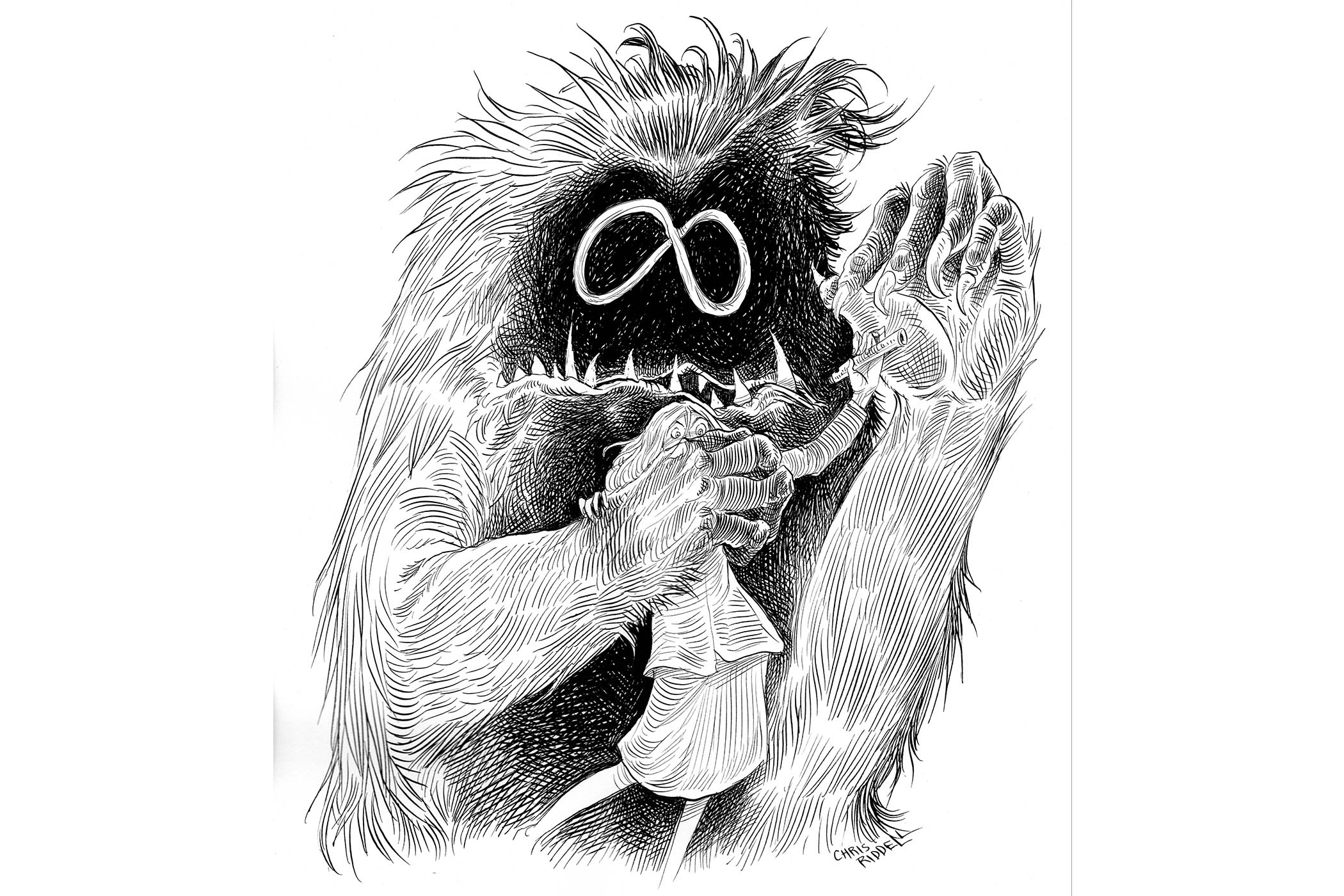
This coverage follows a broader social shift. It isn't just that TMZ decided to start covering politics, it’s that politics itself has become TMZ-like. Anton Jäger, a political theorist, wrote about this idea in his recent book Hyperpolitics. He argues that our society feels more political than ever — politics seeps into every part of our lives, yet we're less likely to actually participate politically than a few decades ago. People vote less, there’s less direct action, less meaningful or successful protest. The fault is that most of this hyperpolitics is political consumption — our digital lives means we constantly want to know what’s happening, what politicians are saying, what they’re fighting about, everything they’re doing – we just don’t want to act on it.
Politicians then work to grab our attention. They say provocative things, produce memes, TikTok videos, do stunts, do anything to get noticed. It’s not just about getting a good write-up in the newspaper anymore; digital attention is what keeps politicians in power. That they should then become celebrities, subject to the same salacious scrutiny as reality-TV stars, is the logical next step.
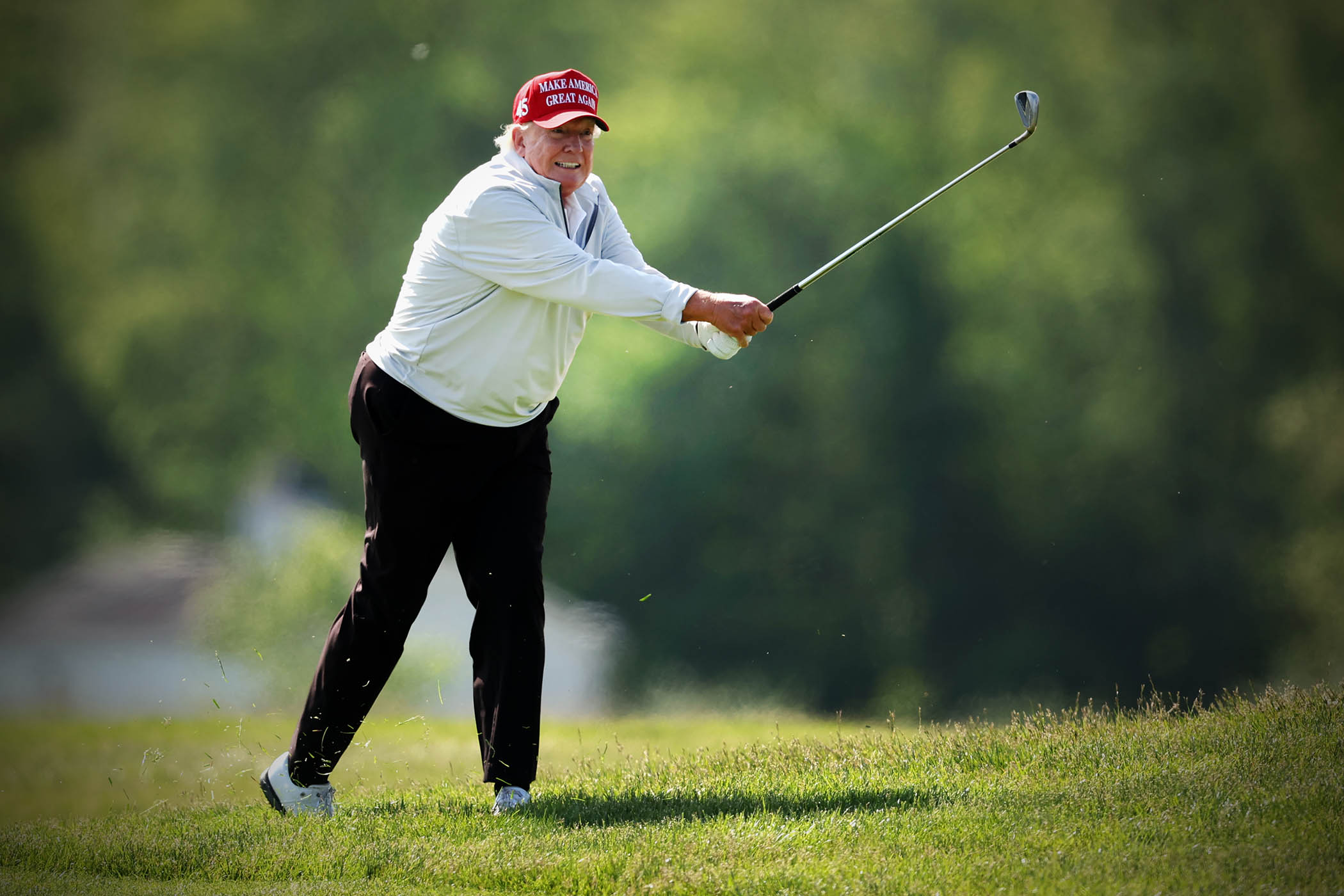
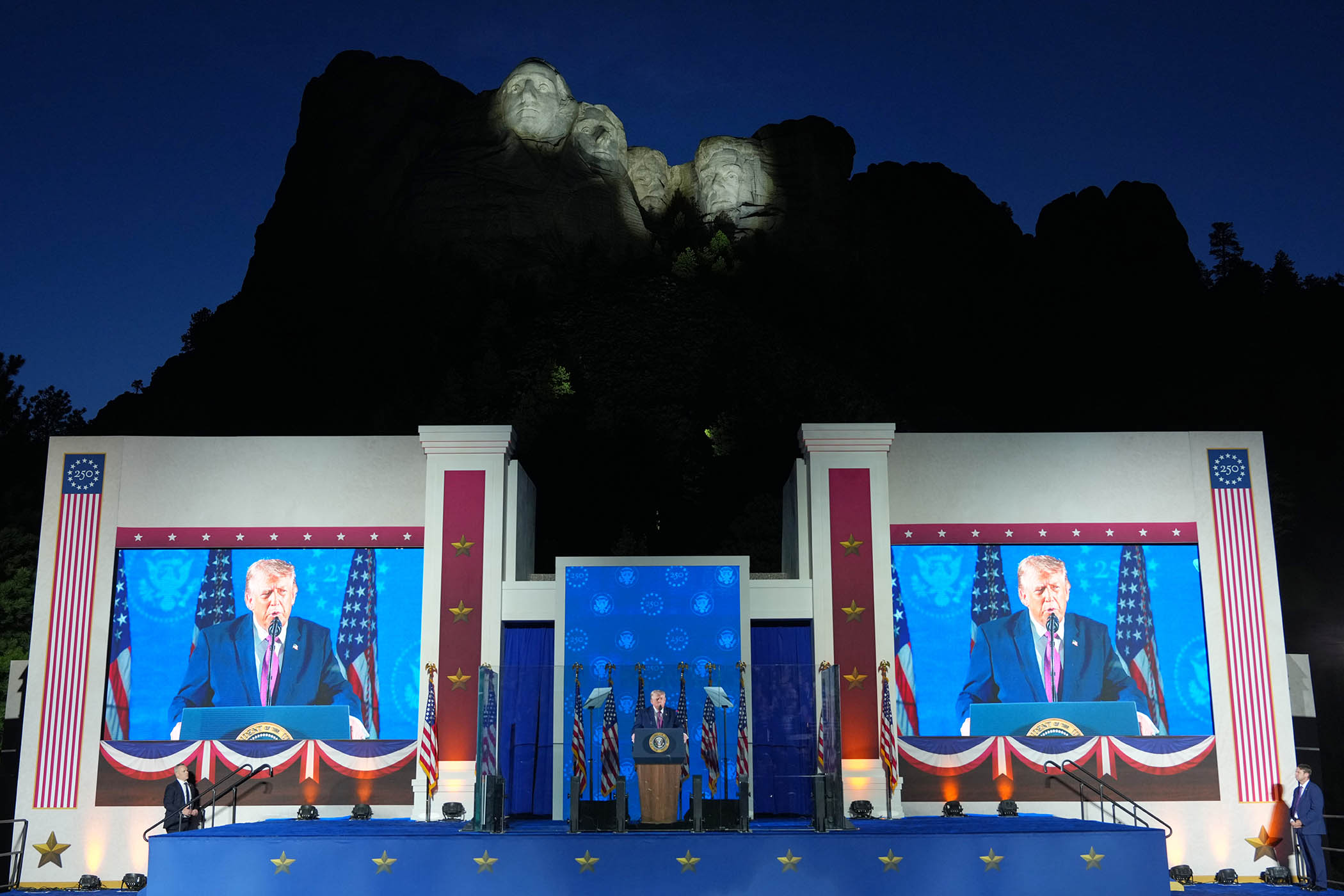
Leading this doom loop is Donald Trump – the reality TV star turned president who knows how to hog so much attention that his ubiquity transforms into popularity. In his 1987 book Art of the Deal, he told his readers that the press is “always hungry for a good story… the more sensational the better”. He recommended being “outrageous” to get as much publicity as you can.
TMZ’s coverage is fitting for Trumpian politics. TMZ is a mirror reflecting the weird, hyper-visual, hyper-political, reality-TV-infused world of modern politics, where every misstep, every vacation snap and every badly-timed Instagram post can become the subject of a viral takedown.
Whether they like it or not, politicians have entered the era of TMZ. Even as the shutdown ebbs, the real transformation holds: politics has slipped its moorings and bolted into the attention economy, where everyone is fair game.
Photograph by Rob Carr/Getty Images
Newsletters
Choose the newsletters you want to receive
View more
For information about how The Observer protects your data, read our Privacy Policy