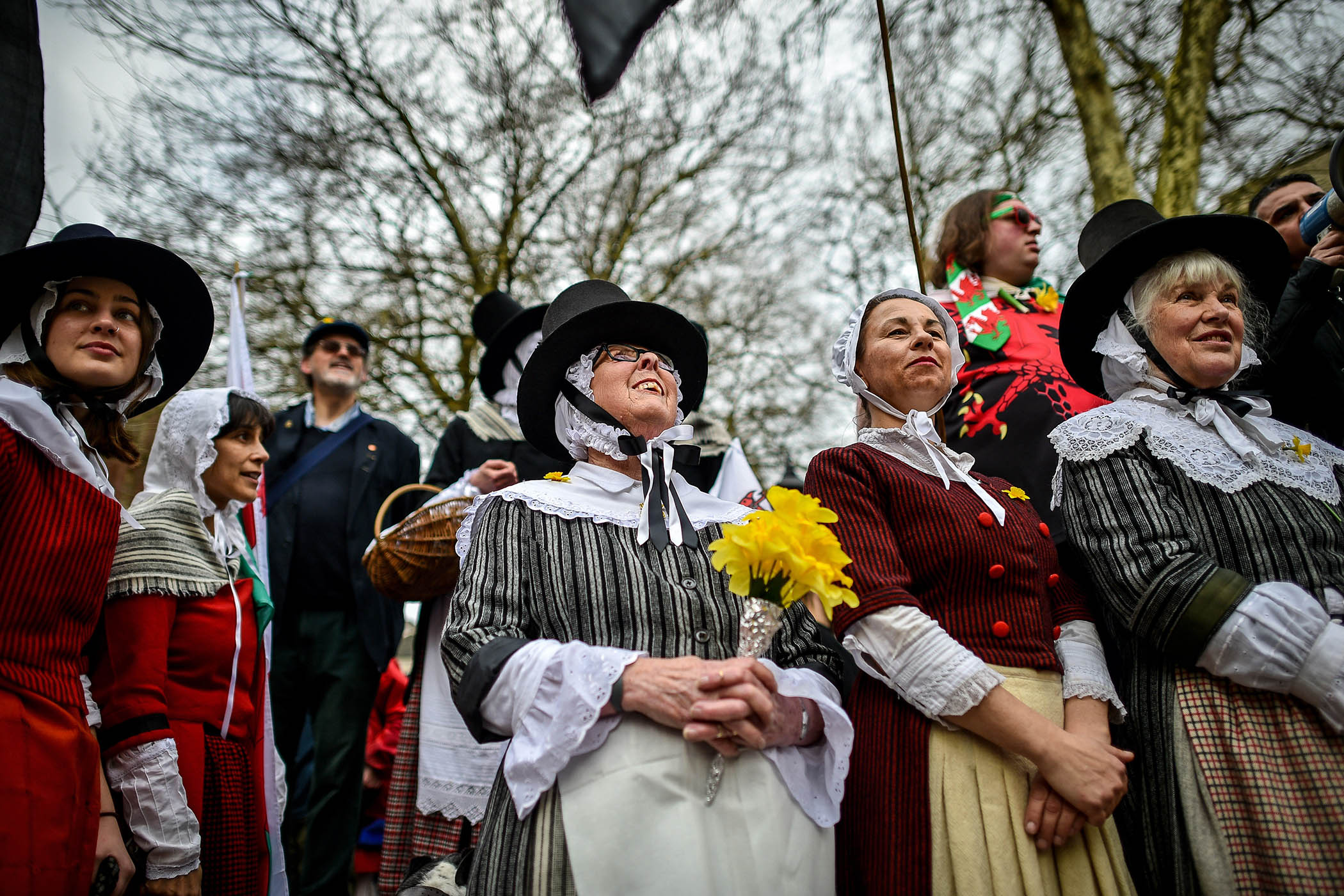

This St David’s Day, the Welsh will be remembering the saint’s injunction: “gwnewch y pethau bychain” (“do the little things”). Like everybody else, Welsh speakers are subject to huge forces making that task of taking trouble, attending to linguistic detail, much harder than it used to be.
When major languages are under pressure, the plight of Cymraeg shows in microcosm the forces blunting language – our most important tool for the promotion of social and emotional health.
I’ve grown up knowing that my mother tongue is in decline. My grandfather was the headteacher of a village school in Ceredigion, which was monoglot Welsh when I was a child. By the time the daughter of Welsh-speaking friends attended the same school, she was the only child from a home where Welsh was spoken as a first language.
I once had the unnerving experience of finding myself even more pessimistic about the future of the language than the craggy poet RS Thomas. He and I were at a festival in Barcelona in the 1990s being interviewed by a Catalan newspaper about Cymraeg. Thomas hailed the progress that had been made, pointing to the decrease in the decline of Welsh speakers. I was less sanguine.
The grand old man of Welsh poetry died in 2000 and would have been heartened by the gradual increase in Welsh speakers between 2007 and 2019, according to the Annual Population Survey (APS), run by the Office for National Statistics (ONS). Confusingly, the census figures for roughly the same period show a decline from 562,000 speakers in 2011 to 538,000 in 2021.
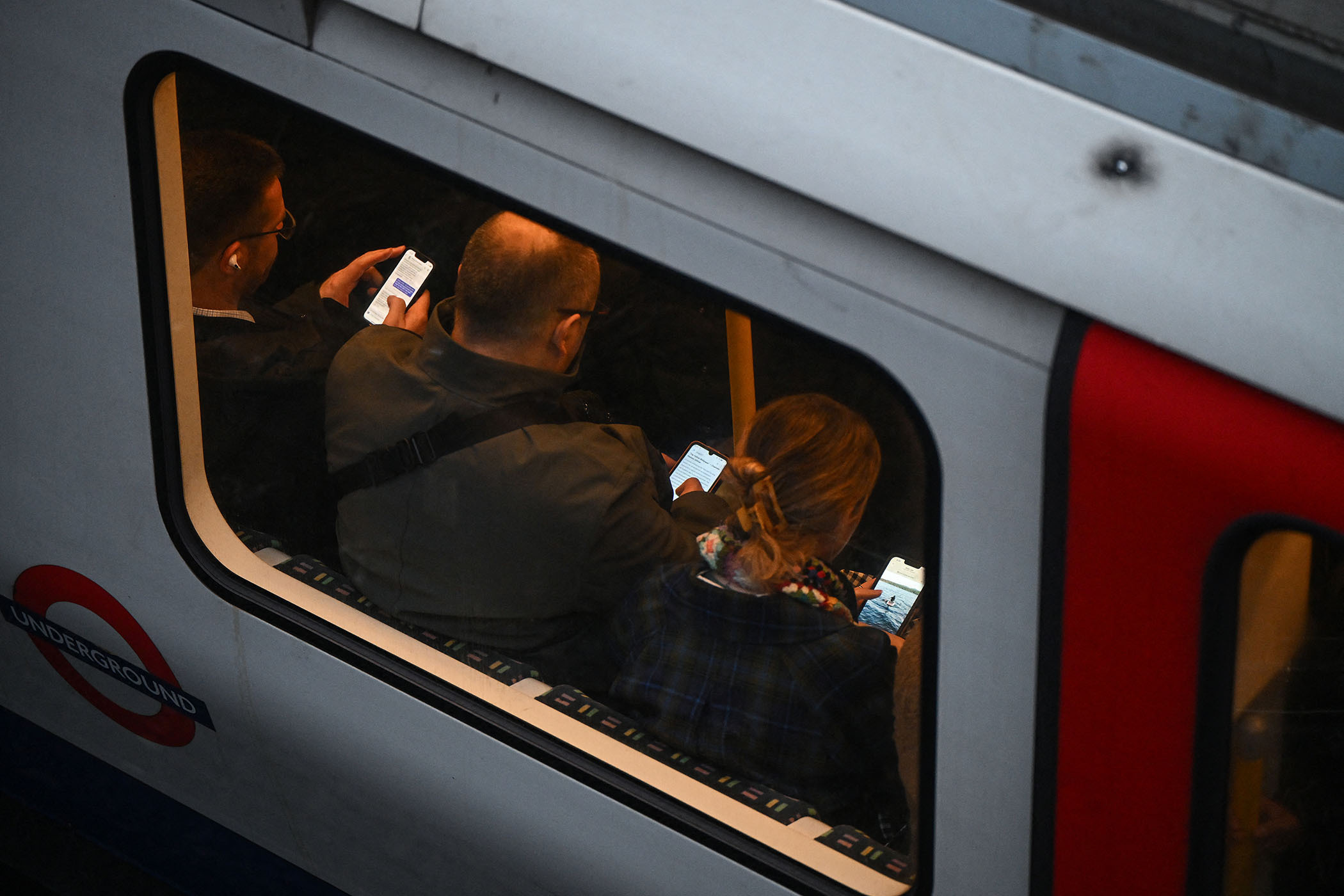
The linguistic and cultural crisis caused by AI slop and aggressive social media algorithms is replicated worldwide
The linguistic and cultural crisis caused by AI slop and aggressive social media algorithms is replicated worldwide
But even I was shocked by the most recent APS statistics, published last month, suggesting a drop of 63,300 Welsh speakers in the last two years. Even accounting for my parents’ generation of fluent speakers gradually dying, or a flight of young people from Wales to look for work elsewhere, this is a startling figure. For a sense of scale, the Principality Stadium in Cardiff seats a maximum of 73,931 spectators (when they’re not staying away in protest at the current state of the game, but that’s another story). Imagine all that roaring, singing crowd suddenly silent, like birds failing to return in spring.
The ecological analogy isn’t accidental. The same care needs to be exercised in ecosystem preservation as in the minutiae of using the full range of language with integrity. What happens to Cymraeg is happening to other minority languages, but also global languages such as English.
I spoke with a group of young journalists at the Reuters Institute for the Study of Journalism in Oxford recently. I was struck by how the linguistic and cultural crisis caused by AI slop and aggressive social media algorithms is replicated worldwide. One journalist from Croatia was so discouraged by the decimation of language precision in news reporting that she thought we’ve already lost the language battle.
The APS statistics about Welsh speakers are not as straightforward as they seem. Recent reduced sample sizes may make the figures less robust and account for the dramatic change. The Welsh government has a goal of achieving 1 million speakers by 2025. Its chances of success depend very much on how you define a speaker. As a writer, however, I have great faith in language’s ability to find new forms of expression as old ones die, and I see this happening in Welsh poetry.
Have you ever tried to send a message or email in a language unsupported by computer software and had it scrambled by autocorrect or predictive text? It’s a graphic demonstration of an impersonal drive to conformity and over-simplification. I’m told this is why young Welsh speakers tend not to message each other in Welsh. Because I’m obsessive, and resistant, I fight this automation and refuse to be wrongly “corrected”. On St David’s Day, this is one of the “little things” that I can attend to, insisting on writing exactly what I intend in Welsh. Dydd Gwyl Dewi Hapus i chi gyd.
Newsletters
Choose the newsletters you want to receive
View more
For information about how The Observer protects your data, read our Privacy Policy
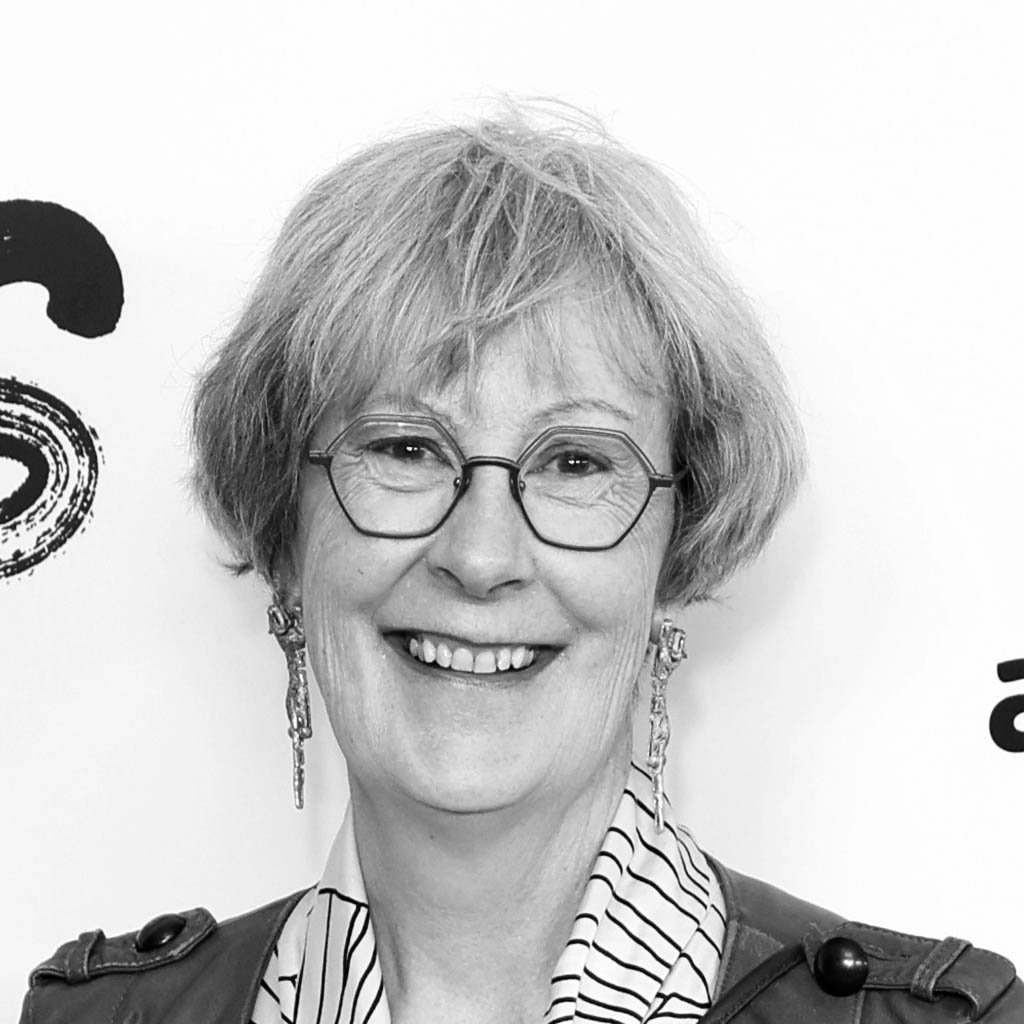
Gwyneth Lewis’s memoir, Nightshade Mother: A Disentangling (Calon 2024), won the Wales non-fiction book of the year and was nominated for a Sky Arts Literature Award. Her most recent book of poems is First Rain in Paradise (Bloodaxe, 2025)
Photograph by Alamy