
The Remain campaign in 2016 was derisively called “project fear” by Brexiters. A decade on, the evidence shows that the warnings were actually misplaced – the damage is even worse than previously feared.
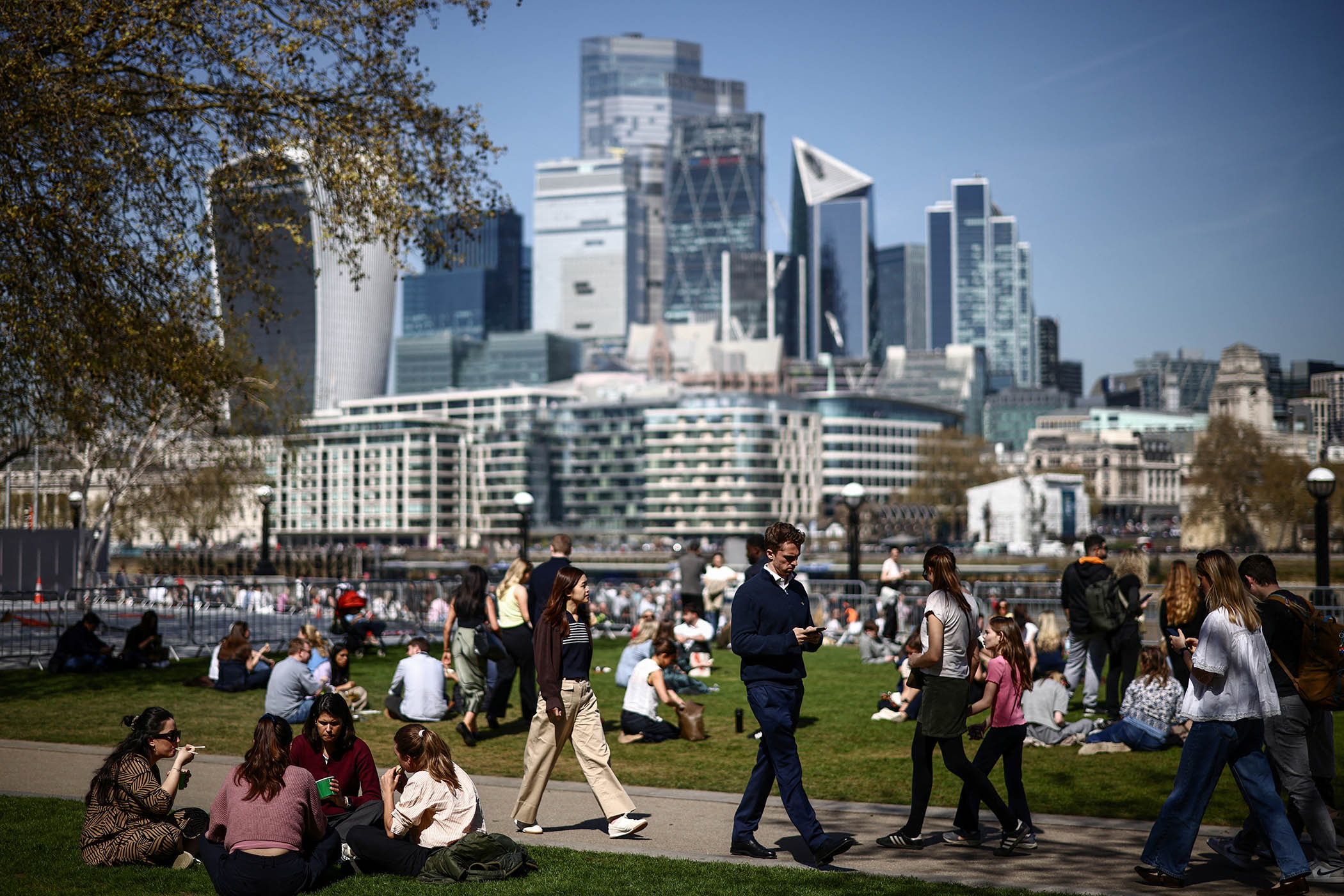
Research commissioned by City Hall found that London’s economy was £30bn smaller than it would have been without Brexit and that Londoners are on average nearly £3,400 worse off as a result. If current trends continue, the UK economy could be £250bn smaller by 2030 than similar EU countries.
It’s now clearer than ever that walking away from our largest trading partner and nearest neighbours has been the biggest act of economic self-harm in the history of our country. It has been particularly detrimental to businesses that are crucial to our success, including hospitality, retail and professional services.
The imperative to act also goes beyond economics. Ten years on from the Brexit vote, the world is a more fragmented and dangerous place, with the US an increasingly unpredictable and unreliable ally under President Trump, who is showing an unsettling ambivalence to security in Europe.
I welcome the government’s commitment to a youth mobility scheme with the EU, but getting an agreement has been slow. Let’s use the upcoming UK- EU summit to get this deal over the line. We also need to make it easier for British citizens to work within Europe when it’s beneficial for both sides – like touring artists who are still having to navigate bureaucratic hurdles.
We should then seek to rejoin both the customs union and the single market this parliamentary term. The trade potential and economic benefits of being in the customs union far outweigh any of the independent trade deals that have been secured.
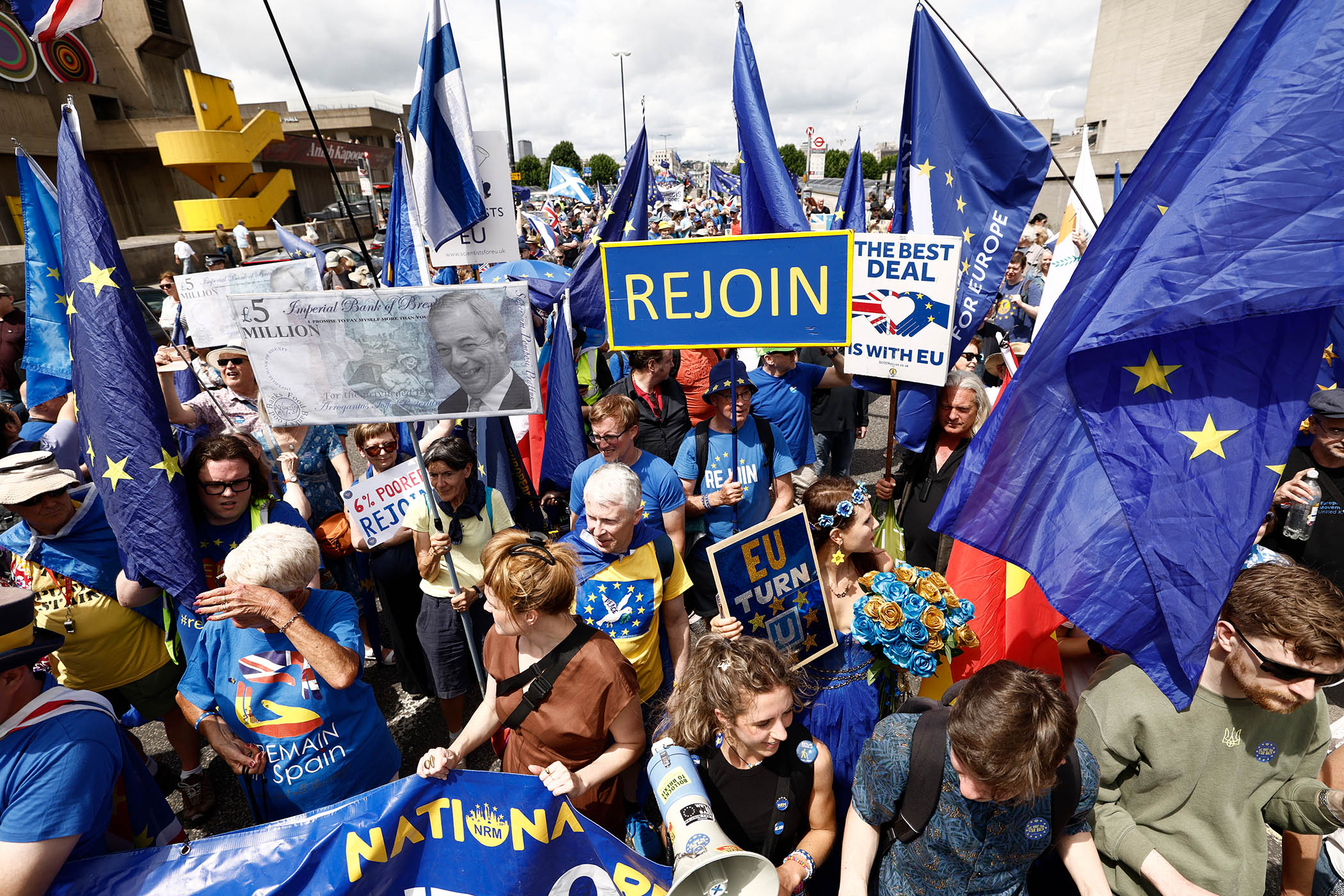
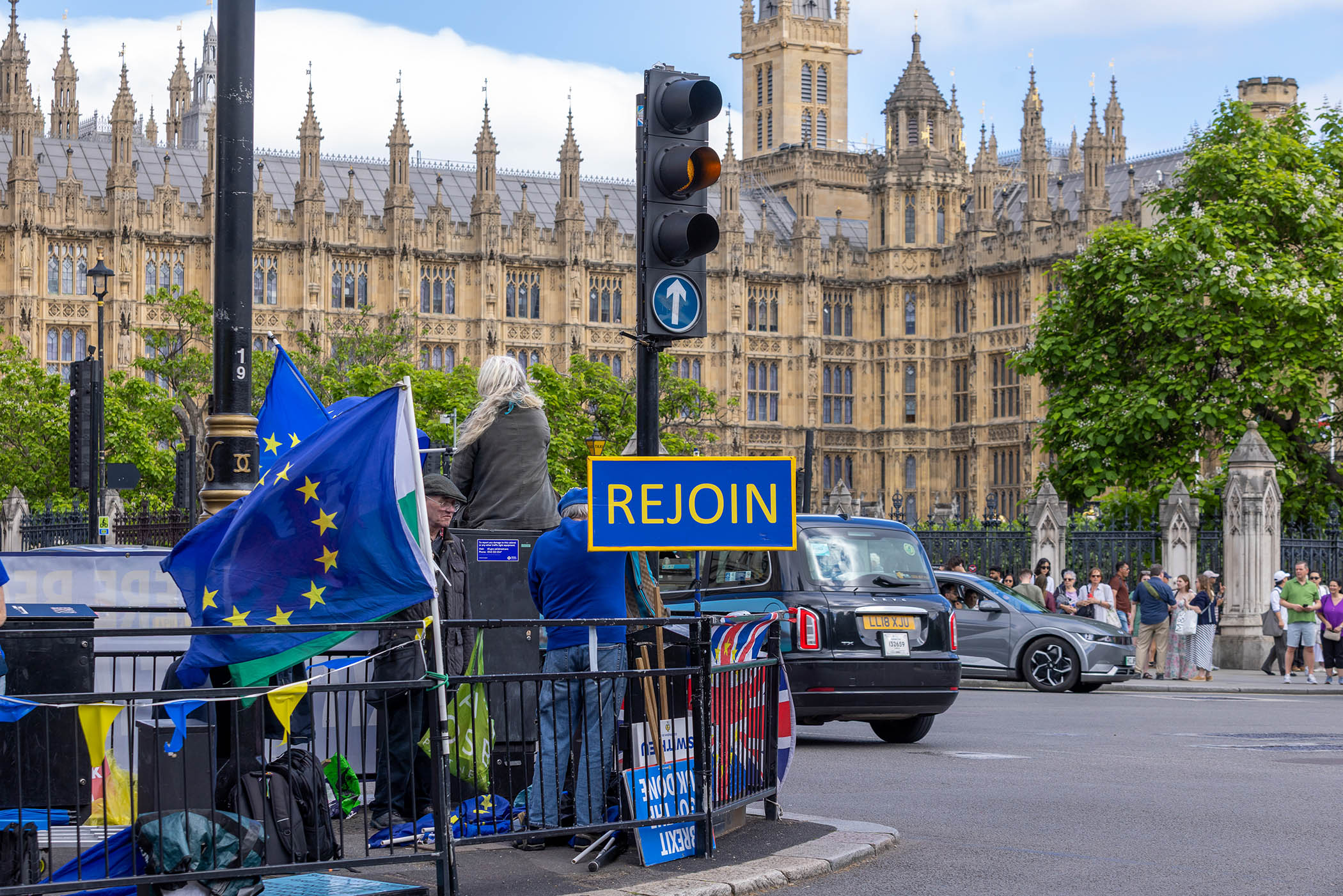
The government should also say that we would rejoin the EU after the next general election – effectively putting rejoin on the ballot paper and letting the British people decide.
One recent poll found that nearly 60% would support our country rejoining the EU, and this jumps to over 80% for 18 to 25-year-olds. This means that support to rejoin will only grow in the years ahead. So I encourage the government to be bold on this issue.
I hear different arguments for why we should not talk about rejoining now, including from those who were staunch Remainers. One is that we don’t want to rerun the arguments of the past and divide Britain further. But we don’t need to rerun the arguments of the past as the debate is settled. The damage is there for all to see and is weighing heavily in the cost pressures felt in people’s daily lives. The lies of the Leave campaign have been exposed, and it is the dire economic inheritance left by Brexit that is allowing populists to thrive and divide our communities further.
I’ve heard arguments that the EU won’t want us back and we would get a worse deal than before. This should not be a barrier to us trying. The worst possible deal is the one we currently have – the hardest possible Brexit. I’m confident we would get a good deal because it’s in the best interests of both sides to come together again and work on the huge challenges we face — from security to the AI transition.
Newsletters
Choose the newsletters you want to receive
View more
For information about how The Observer protects your data, read our Privacy Policy
We can’t afford another decade in relative decline, putting off the inevitable due to a misguided fear of the political consequences. The EU is our future, and we have no time to waste in getting there.
Photograph by Henry Nicholls / AFP via Getty Images