

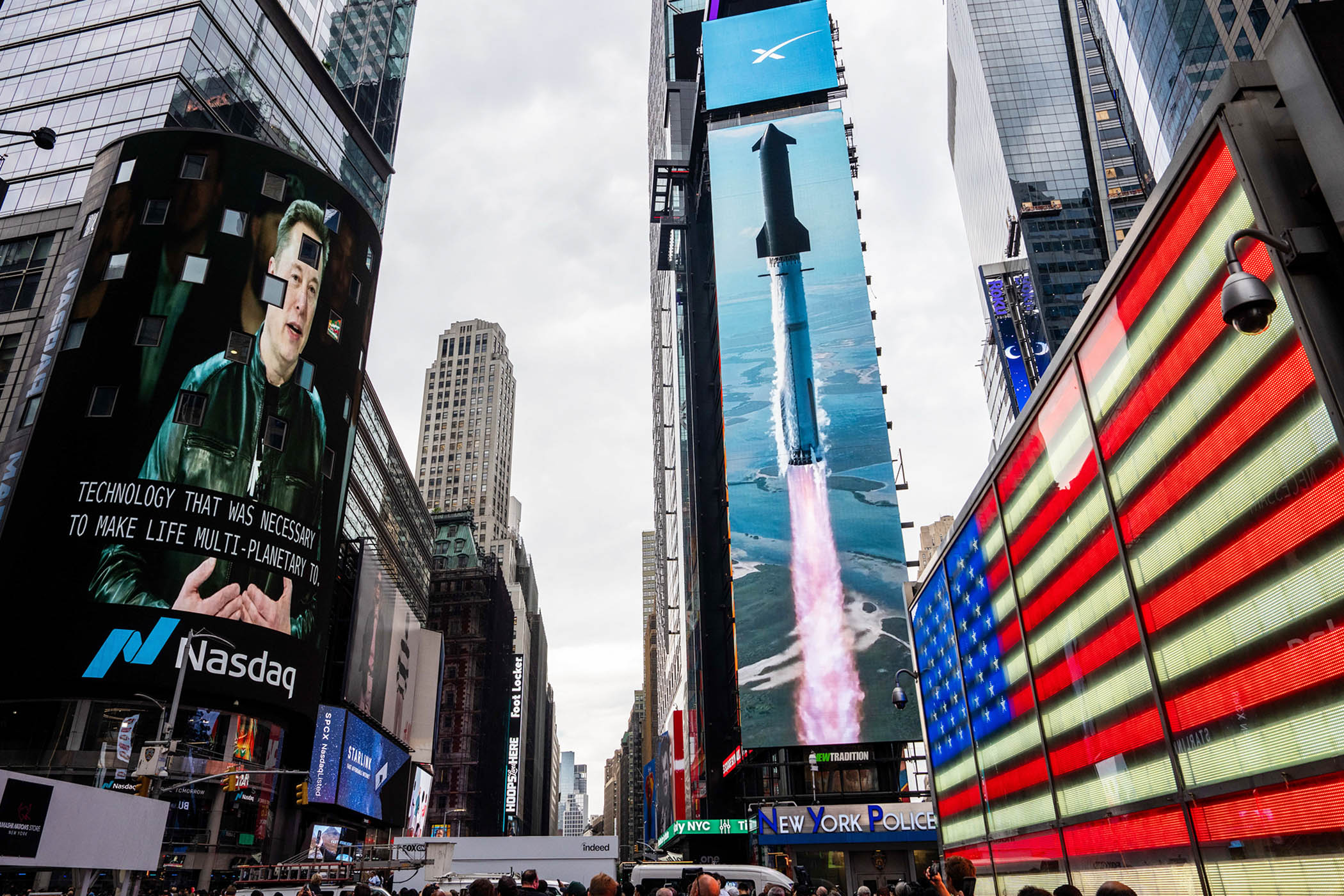
X rolled out a feature over the weekend that shows the location of accounts on the service. It would be reasonable to see this as a positive move. While we generally believe that transparency is good, people have proved themselves chameleonic on social media. By changing your user-name, deleting your old posts and updating your profile picture, you can adopt a fresh identity in minutes. X users can now feel more certain than ever that their interlocutors are who they say they are. But it remains a feeling, and false confidence will do more harm than good.
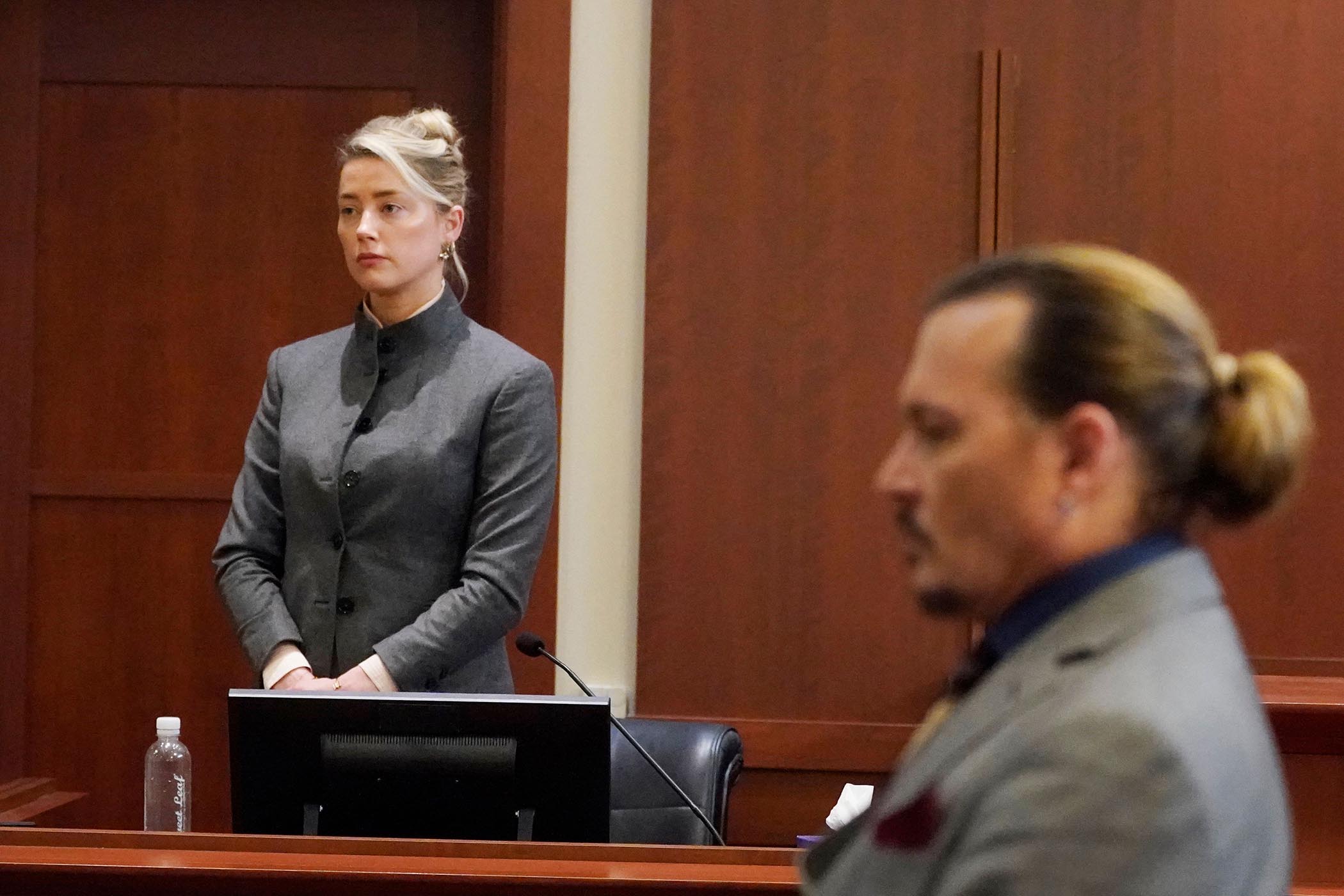
I was the producer of the 2024 podcast Who Trolled Amber?, which investigated how the narrative around the legal battle between Johnny Depp and Amber Heard was crafted and manipulated online. A breakthrough came when we found a constellation of X accounts dedicated to praising Depp and attacking Heard. While these tweets were in English, older posts from the same accounts were in Arabic and of a completely different nature: a stream of messages promoting Saudi Arabia. The journalist Bradley Hope thought the accounts could be part of “the flies” – bot and troll accounts used by the Saudi government to influence opinion, at some point repurposed to support Depp.
Back then we were only able to assign a degree of probability to the true origin of the accounts. So to revisit them now and confirm through X’s new feature that they are based in Saudi Arabia is reassuring. Public data of this kind could be a crucial addition to the digital toolbox that exposes misinformation campaigns, bot networks and potential foreign influence operations. Journalists have already identified a cluster of users who support Scottish independence and claim to be from the country but access X from Iran, as well as Maga accounts with sizable followings that are based in Morocco, Bangladesh and Eastern Europe.
The dangers of the new feature are most acute for those whose speech is threatened by authoritarian governments
The dangers of the new feature are most acute for those whose speech is threatened by authoritarian governments
However, there are major drawbacks. The tagging system is imperfect, and can be influenced by recent travel or the use of virtual private networks (VPNs). In some cases, it appears to be inaccurate. The Palestinian journalist Motasem A Dalloul was forced to film a piece to camera from Gaza after his account was mislabelled as being based in Poland. This is despite the fact that, he says, he has only left the enclave once in 2012. The Israel foreign ministry used the location data to accuse Dalloul of being a “fake” journalist.
The dangers of the new feature are most acute for those whose speech is threatened by authoritarian governments or the spectre of war. Many freedom fighters have to mask their location through VPNs or rely on overseas proxies to access their accounts. The legitimacy of their voice now risks being undermined by changes that give their enemies a blunt stick with which to beat them. Location data will offer enough information for users to feel confident about another user’s identity but not so much for that confidence to be entirely warranted, at least without other contextual clues. This dynamic is already playing out in real time.
A cynical view is that X has launched the feature to win back advertisers, who have left the site in droves due to concerns about content on the platform. The site previously generated roughly 90% of its revenue from advertising and some investors will be hungry for a return. A more generous interpretation is that Elon Musk wants to build trust. But even if this is the case, it is unlikely to succeed.
The dead internet theory posits that much of the content we see online is AI-generated, disseminated by bots programmed to circulate specific messages. Perhaps the location tool will put this to the test by helping users home in on questionable accounts posting from strange places. But it will more likely demonstrate that social media is all too human, as we are at our worst: suspicious, tribal and desperate to undermine each other.
Sites such as X have become digital panoptica. We govern ourselves and each other in the knowledge we are watching and always being watched. This has shone some light on a world where bad things often happen in the shadows. But it has also caused tremendous suffering. A new way to peer into each other’s lives, even if done in the name of transparency, may make matters worse.
Photograph by Steve Helber/AFP via Getty Images
Newsletters
Choose the newsletters you want to receive
View more
For information about how The Observer protects your data, read our Privacy Policy