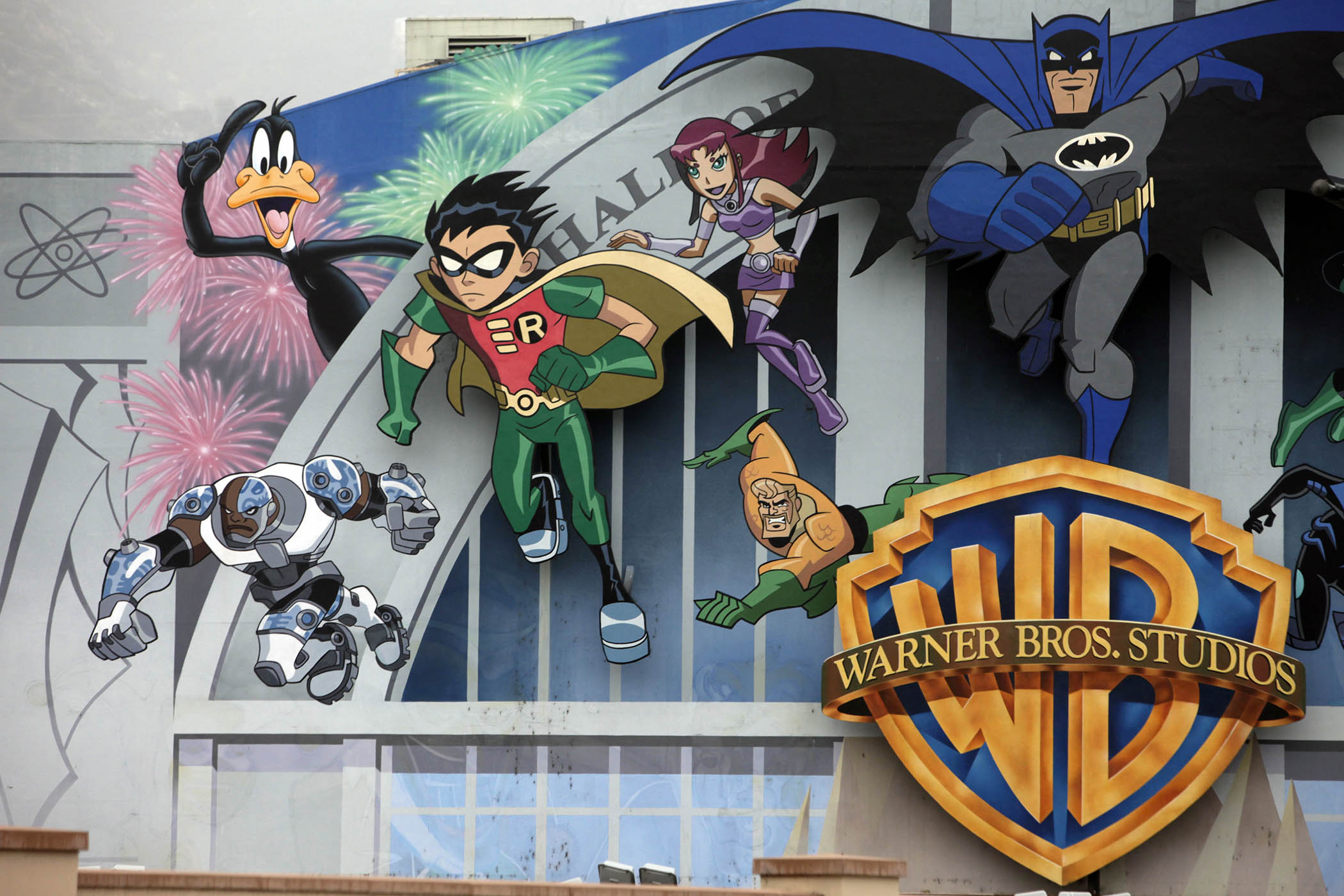



The battle for who will buy Warners Bros Discovery continues – the two titans, Paramount Skydance and Netflix still battling it out. The latest? Paramount has improved its offer from around £80bn to £84bn. Hollywood trade magazines have called it the offer Warner can’t refuse.
Netflix may counter, but Wall Street is betting Netflix will fold after dragging out the process and forcing up the price.
The deal is a battle for the soul of Hollywood. Paramount, run by David Ellison (son of right-wing billionaire Larry), has lost money for years, and is trying to do the deal to survive. Netflix, the relatively new kid on the block, is doing it to expand its IP and reputation. In the middle, Warner is a prestige brand – its films Sinners and One Battle After Another are expected to clean up at the Oscars.
All over Hollywood, the talent is divided. Last week Titanic and Avatar director James Cameron described a possible Netflix ownership as “disastrous for the theatrical motion picture business”, suggesting it would kill off cinemas. Netflix has promised it would still give movies their traditional 45-day big screen window, but cinema owners are sceptical at best. While the actor Mark Ruffalo posted a screed on social media denouncing “the monopolization that a Paramount acquisition would create”.
They’re both right and, as a result, this deal starts cinema’s – and thus Hollywood’s – slow descent towards its final resting place. There have been six major movie studios in Hollywood for the last 50 years – a combination of 20th Century Fox, Universal Pictures, Warner Bros, Paramount, Columbia and MGM. By 2000, Paramount had replaced Sony on that list. Between them and the mini-majors, the Lionsgates and the Miramaxes, they took 92% of the box office. At no point did any one studio dominate, they all lurched from glory to catastrophe from year to year. Since Disney bought Fox in 2019 Hollywood has been on a merger path inevitably ending in a few mega-studios making fewer films”
Tom Harrington at Enders Analysis says: “Whatever they say, when Fox combined with Disney, they made fewer films. When people merge, they make less stuff. It's just how it works. So there’s fewer films costing more money meaning there’s not enough stuff in the cinema to attract a lot of people regularly. The cinema business model is not really selling cinema tickets as 60% of that money goes to the studio. It’s getting people in every night to sell popcorn and drinks. That model thrives on people going more rather than less.”
Hollywood’s drive to consolidation rests in a harsh reality: people aren’t watching films because they have so many other options. And in an age of short form video, sitting in a cinema rather than flicking through a highlights reel is less enticing. Just look at the Wuthering Heights rollout – largely watched by millions in social clips on their phones. This slow wilting away – cinema profits still haven’t returned to pre-pandemic levels while ticket sales are falling – has enormous ramifications. Cinemas are closing. In the UK about 70 have shut for good since 2020.
From the heights of Hollywood to the British highstreet, these deals have an impact. A report from the BFI in 2023 found that, on average, a cinema was worth £1.18m per year to a town in terms of the spending in and around it. When a cinema closes, on average the community sees a 12% drop in sales for neighbouring businesses. They can anchor high streets and catalyse urban and rural regeneration.
And proving that when Hollywood sneezes, the entertainment world catches a cold: after making moves to buy ITV, Comcast is now stalling – waiting to see how the Warner deal plays out and what the market conditions will be. Everything is on pause until this clash of the titans concludes.
Newsletters
Choose the newsletters you want to receive
View more
For information about how The Observer protects your data, read our Privacy Policy
More from The Observer
Photograph by Bloomberg / Getty Images