Ten years ago this week, Barack Obama stood in London beside David Cameron and said something Britain has not quite forgotten.
If the United Kingdom left the European Union, he said, it would be “at the back of the queue” for a trade deal with the United States.
It was a short phrase with a long afterlife. To some, it sounded like a friend offering a candid assessment. To others, it sounded like an American president telling British voters how to vote.
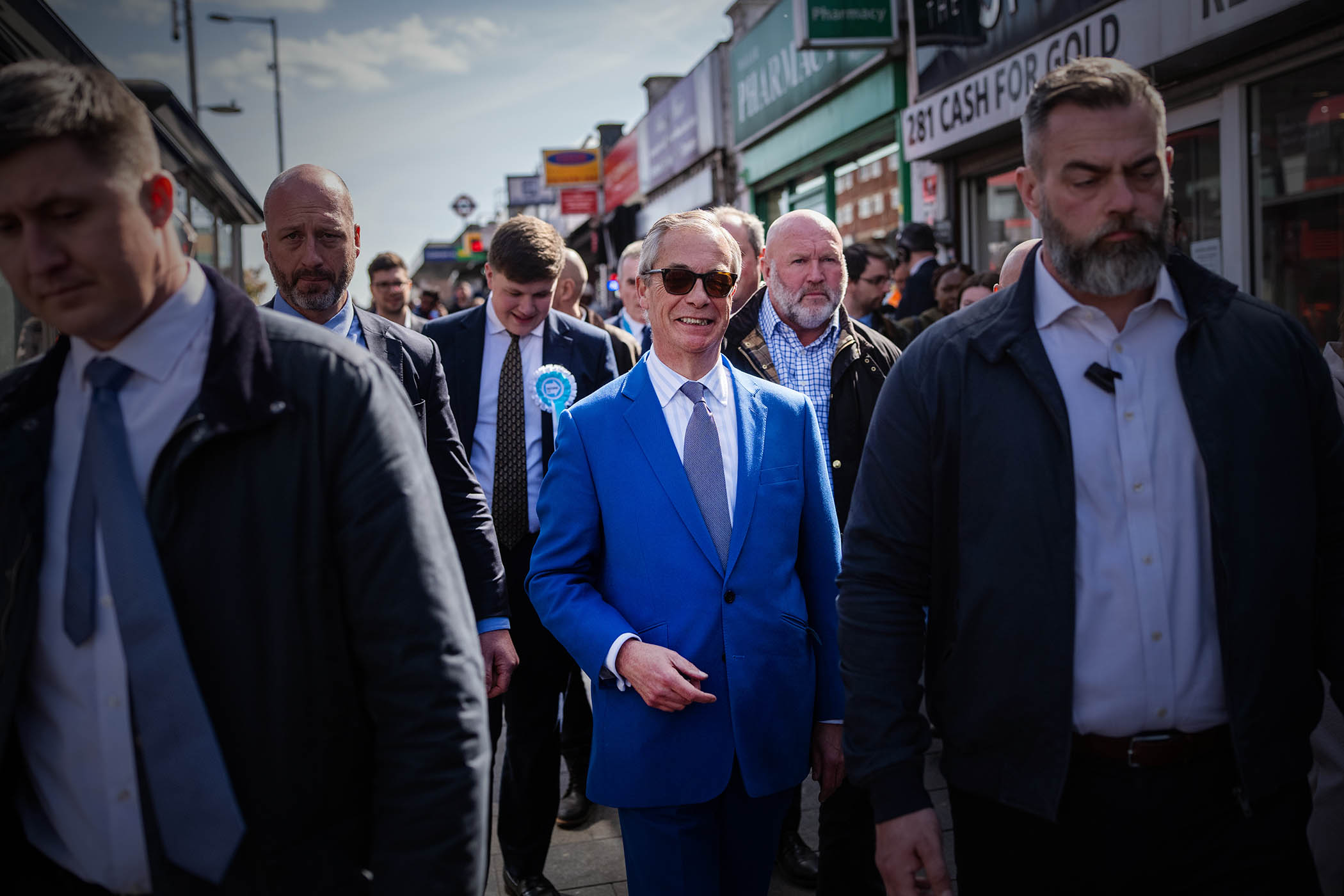
Since then, politicians have grown more comfortable acting not just as observers of other democracies but as participants in them. Nigel Farage appears on American campaign stages backing Donald Trump. JD Vance praises the model of Viktor Orbán.
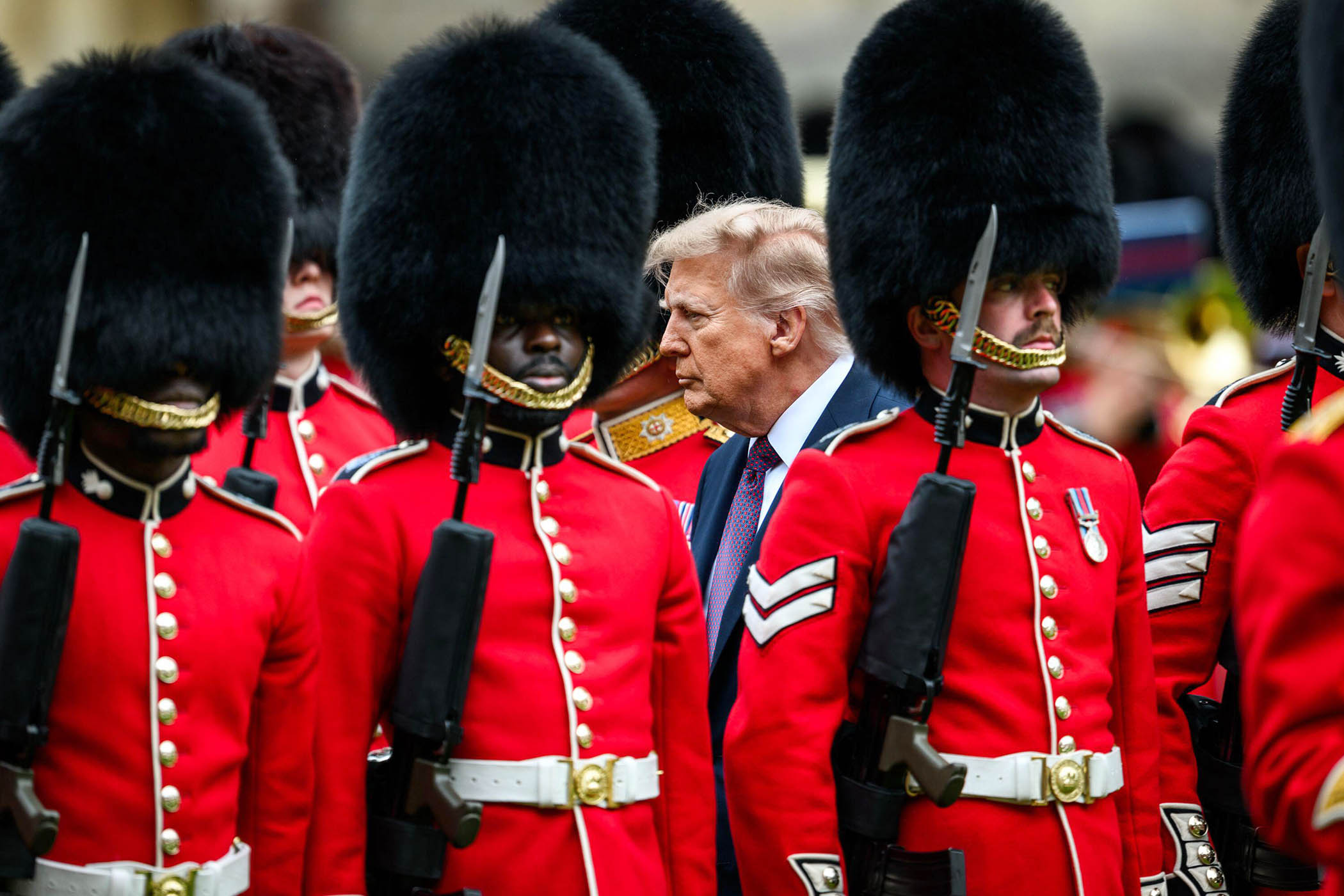
In the coming days, King Charles III will visit the US. There will be the usual questions about the health of the “special relationship”. I’ve been asked to offer my view. I hesitate, because the answer may sound odd.
I’m not that concerned.
Not because everything is going well. But because it isn’t.
Six months ago, in these pages, I wrote about the value of the space between us – about how difference, handled well, can be a strength rather than a weakness. I still believe that.
I don’t lose much sleep over relations between countries like the US and the UK. There is no shortage of hard things — and no shortage of official and informal tables — where Americans and Britons sit next to each other and work through disagreements.
We sometimes say we do hard things together because we’re friends — fight wars, strike trade deals, manage crises. But the more powerful truth runs the other way. We’re friends because we do hard things together.
Newsletters
Choose the newsletters you want to receive
View more
For information about how The Observer protects your data, read our Privacy Policy
What does concern me is something closer to home – not relations between these two great countries but within them.
Just because we both have “united” in our names is no guarantee we’ll remain so.
And the habits that sustain relationships between countries — staying in the room, grappling with difference, making something together — are the same ones we seem to be losing within our nations. Unlike international diplomacy, with its summits, back channels and negotiating tables, we don’t have a predictable set of forums where we can (imperfectly and provisionally) work through our domestic differences together. Instead, domestic politics tends to revolve around one party “winning” — and then claiming the problem is solved, once and for all.
Aristotle had a useful way of thinking about this. Most virtues, he argued, aren’t fixed states. They’re habits that sit between two temptations at the extremes. He called this the golden mean.
Courage, in this view, is a virtue that sits between cowardice and recklessness. Being scared is part of what we value about a courageous act. Always jumping in with no fear isn’t what we admire or advise.
Aristotle said something similar about truthfulness. The virtue isn’t in saying everything that comes to mind, nor in holding everything back. It sits between the two.
Ten years ago, Obama was trying — imperfectly — to do just that. Both in his comments about what became Brexit and about the powerlessness he felt about gun violence in America.
There’s another way to see it, one that King Charles III often returns to: harmony.
Harmony isn’t the absence of difference. And it isn’t everyone doing their own thing.
Harmony is everyone singing different notes to the same song.
Unity is very similar.
In recent years, we’ve drifted away from that golden mean.
On one side is fragmentation: everyone retreating into their own corner, certain and separate. On the other is uniformity: everyone expected to say the same thing at the same time.
Unity sits somewhere harder. It asks us to do something that feels unnatural in the moment: to stand out as a unique individual, and then try to fit into something bigger without losing ourselves in it. And then try to stand out again and fit in again.
Because in the end, “united” is not a description of a state we’re in. It’s not something we are but something we do. And like courage and harmony, it takes practice.
Matthew Barzun is a former US ambassador to Britain and chair of Tortoise Media, owner of The Observer.
Photograph by Daniel Torok/American Photo Archive/ Alamy Stock Photo