This article first appeared as part of Rachel Sylvester on politics, a new weekly newsletter sharing insight on what’s happening in Westminster, Whitehall and beyond. To sign up, click here.
When Andy Burnham was appointed chief secretary to the Treasury in 2007, a previous holder of the post told him he had just got the easiest job in government: “All you have to do is put your feet up on your big desk and say ‘no’ to everyone who comes into your office,” he said. Burnham laughed and thanked him for his advice but, as he admits in his book Head North, he had a feeling of dread inside. “As anyone who knows me will verify, I’m more of a spender than a saver. I would much prefer to say ‘yes’.”
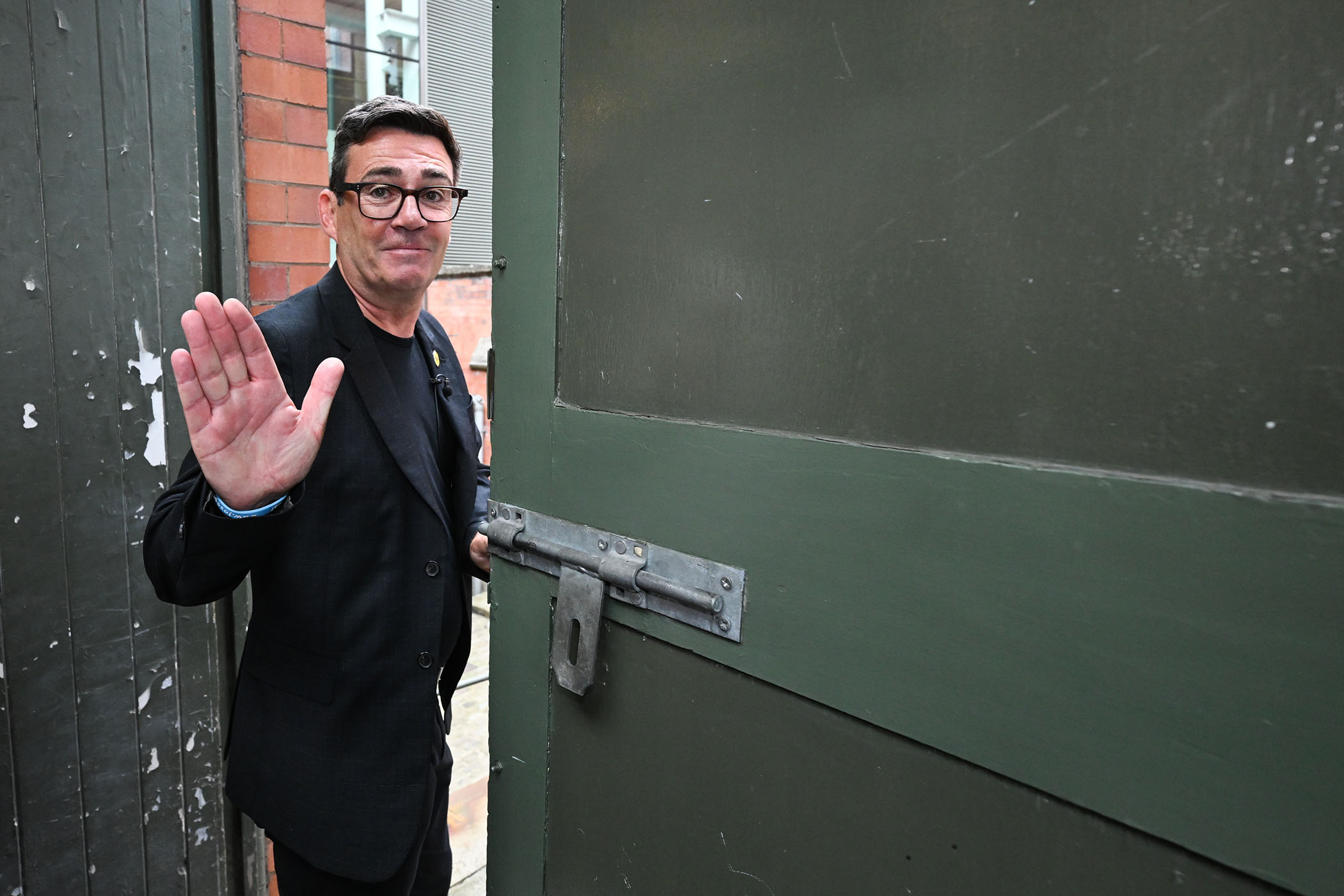
Tomorrow Burnham will formally be anointed leader of the Labour Party. On Monday he will become prime minister and his first task will be to learn how to say no. In fact I don’t think it’s going too far to say that the entire success of Burnham’s premiership will depend on whether the instinctive people pleaser will have the guts to sometimes tell his ministers, MPs – and the voters – what they do not want to hear.
It’s going to be a fast learning curve. On his first day in No 10 Burnham will have to ring up some members of the cabinet to fire them. “He’s going to hate it,” one minister says. But he will have to do it. James Purnell, the new Downing Street chief of staff who previously worked at No 10 under Tony Blair, still remembers the time when Blair was supposed to sack someone but ended up promoting them because he didn’t want to break the bad news. He is not going to let Burnham get away with doing the same.
There will be difficult conversations with those who do get jobs too. If, as the Financial Times reports today, Burnham has decided to appoint Shabana Mahmood as his chancellor then he will be denying Ed Miliband the job he has wanted all his political career. It will feel like a betrayal. Burnham’s political authority will be at its peak at the start of his premiership so he can choose who he wants for his top team but that will not make the human dimension any easier.
Then the policy dilemmas will begin. Nearly 80 Labour MPs have signed a letter urging Burnham to water down the government’s immigration reforms. Others are pressing him to drop proposed changes to jury trials. The decision on whether or not to approve production at the Jackdaw and Rosebank gas and oil fields in the North Sea is coming fast down the track. In his meetings with MPs over the last few weeks Burnham has been in listening mode but many people got the impression that he agreed with them. Some are going to discover that he does not.
There will be difficult choices on tax rises and spending cuts. The new prime minister is going to have to revisit welfare reform and look again at the pension triple lock – at least for the next parliament – if he is going to have any hope of balancing the books. He has to find the money to fund the defence investment plan and faces on-going pay demands from teachers and health staff. This week he refused to rule out introducing a wealth tax and he has made clear he wants to press ahead with reform of property taxation including a land value tax.
The promise to encourage “good growth” by awarding public contracts to companies that promote social value will create losers as well as winners. Ambitious house-building and infrastructure plans will mean annoying the Nimbys and concreting over parts of Britain. In an interview with the former footballer Gary Lineker, Burnham stressed that he did not want to “demonise one group or create a new way of dividing people”. But it will be impossible to keep everybody happy. Young or old, north or south , rural or urban, rich or poor there will be trade offs . A leader cannot be all things to all people.
To govern is to choose but it is also to explain and I think this is where Burnham may have an advantage over Starmer if he is willing to seize the chance. He is a good communicator. He has a few weeks in which the public will give their new prime minister the benefit of the doubt and be willing to hear what he has to say. Burnham needs to make the big political argument for the choices he is going to make. He mustn’t duck the challenges, fudge the dilemmas or raise taxes by stealth. He should treat the voters like grown ups and explain the trade offs the country is facing rather than pretending they don’t exist. It will take courage but if Burnham is honest about what he is doing and why then he may just manage to make people respect him even if he is telling them what they don’t want to hear.
Photograph by Bloomberg via Getty Images
Newsletters
Choose the newsletters you want to receive
View more
For information about how The Observer protects your data, read our Privacy Policy