

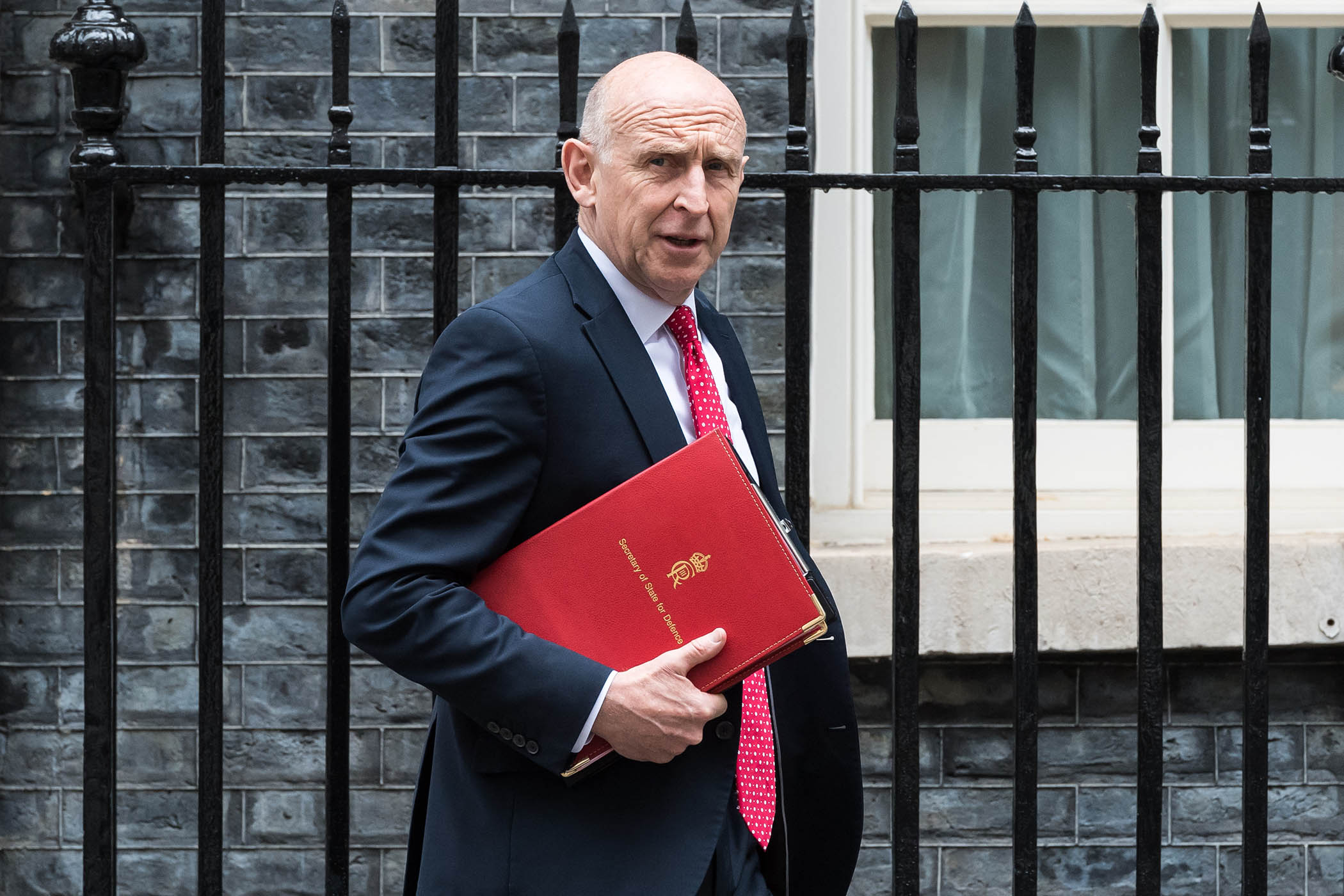
Next week, two politicians of the left will lay out their contrasting economic visions for the country. Rachel Reeves, the Labour chancellor, will deliver the annual Mais lecture at the Bayes Business School, which is in the heart of the City.
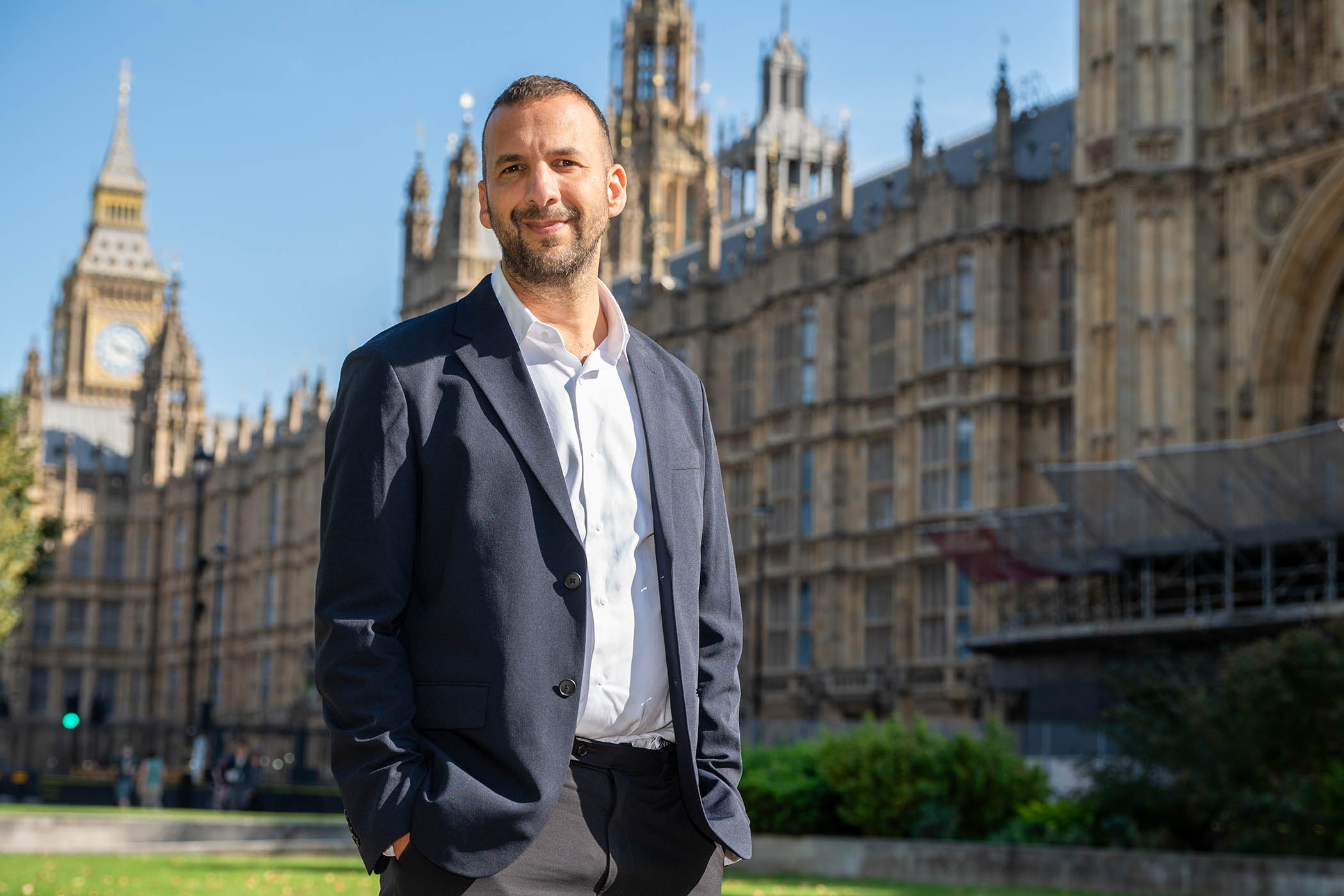
Zack Polanski, leader of the Greens, will set out his stall in the more humble setting of the New Economics Foundation (NEF), in Lambeth, next to the river.
Against a backdrop of surging oil prices and anaemic GDP figures, Reeves will recentre connections to Europe and tech investment as “big bets” for growth. Polanski will offer a diagnosis of how Britain’s shift from a “making stuff” economy to an “owning stuff” economy has led to a deterioration in living standards. So, how do the two parties compare on key issues facing business?
Europe
Reeves is clear on the economic cost of Brexit but is sticking to the red lines ruling out a customs union, freedom of movement and the single market. Defence and her mantra of “securonomics” are likely to feature heavily in her speech on Tuesday. Any announcement on the UK striking sector-specific deals, a youth mobility scheme or joining the EU’s rearmament fund would be significant. James Smith, chief economist at the Resolution Foundation, says: “There’s been a lot of talk about using Brexit flexibility, but we haven’t seen it particularly exploited in a lot of industries. If you’re a manufacturer, and you’re selling into the [EU], dynamic alignment is fairly close to a no-brainer.”
The Greens’ 2024 manifesto committed to rejoining the EU. A party source noted that this would take place “when the time is right”. It’s not clear whether the Greens would entertain the prospect of joining the EU’s defence fund.
Fiscal rules
The chancellor’s spring statement successfully said nothing. Since then, though, gilt yields have surged, wiping out £10bn of headroom, so reiterating a commitment to stability and her fiscal rules seems likely.
As for Polanski, it’s understood that his speech at NEF will propose a “tweak” to make the fiscal system more “flexible”. Previously, he has flirted with the view of Modern Monetary Theory (MMT), telling the New Statesman last year: “The fiscal rule we need to have is to make sure inflation doesn’t go higher than the skills and resources that we have in our economy.” MMT is the idea that a government which issues its own currency – like the UK with the pound – can never truly “run out of money” because it can always print more. Debt is not the real constraint – inflation is. If it rises, raise taxes to take money back out of circulation. Critics call it magical thinking.
Both parties aim to double down on renewables and spare consumers bills resulting from oil and gas upheaval
Both parties aim to double down on renewables and spare consumers bills resulting from oil and gas upheaval
There are signs, however, that the party’s thinking on fiscal policy is becoming more nuanced. Verdant, a thinktank linked to the party, with ex-leader Caroline Lucas as a director, was launched earlier this year. Its co-founder, James Meadway, an economist and former adviser to ex-shadow chancellor John McDonnell, told The Observer: “The hard reality is that the debt acts as a constraint, and the MMT stuff suggesting you can just wander away and ignore it I think is a nonstarter. The Greens will have to be a lot more creative in thinking through how, for instance, the debt management office operates. Why are we issuing certain kinds of gilt as a government? And are there ways to get this to work more efficiently, and cheaper?”
Energy
It’s the one policy area where Polanski and Reeves overlap: double down on renewable energy and spare consumer bills from the wild gyrations of oil and gas markets.
Reeves will announce a “targeted” support programme, costing tens of millions, to help vulnerable households deal with the soaring cost of heating oil. But businesses do not benefit from the same energy price cap that will insulate households until June.
Newsletters
Choose the newsletters you want to receive
View more
For information about how The Observer protects your data, read our Privacy Policy
The Greens have a more direct approach to bringing down household bills, via nationalising the water industry and big five energy companies. They estimate that these plans would cost £250bn a year in 2029-30, or 7% of GDP.
Polanski is likely to mount a stout defence at the NEF of his green credentials, amid criticisms that the party has strayed from its roots. The parties also diverge on the rollout of nuclear power, which Labour is trying to accelerate by cutting red tape. The Greens remain firmly opposed.
Growth
On Tuesday, Reeves is expected to urge the NHS and the Ministry of Defence to “buy British tech”, and lay out plans to strengthen regional policy in the Oxford-Cambridge corridor as she seeks to capitalise on productivity gains from AI. But the chancellor continues to face criticism from businesses that its employment-rights and minimum-wage policies are hindering growth.
Polanski is likely to say that the government’s “growth at all costs” strategy clearly isn’t working, with the economy flatlining in January. The Greens are strongly in favour of nature protections and the ability for communities to have a say in planning decisions.
Photograph by Ben Montgomery/Getty Images