
This article first appeared as part of Rachel Sylvester on politics, a new weekly newsletter sharing my insight on what’s happening in Westminster, Whitehall and beyond. To sign up, click here.
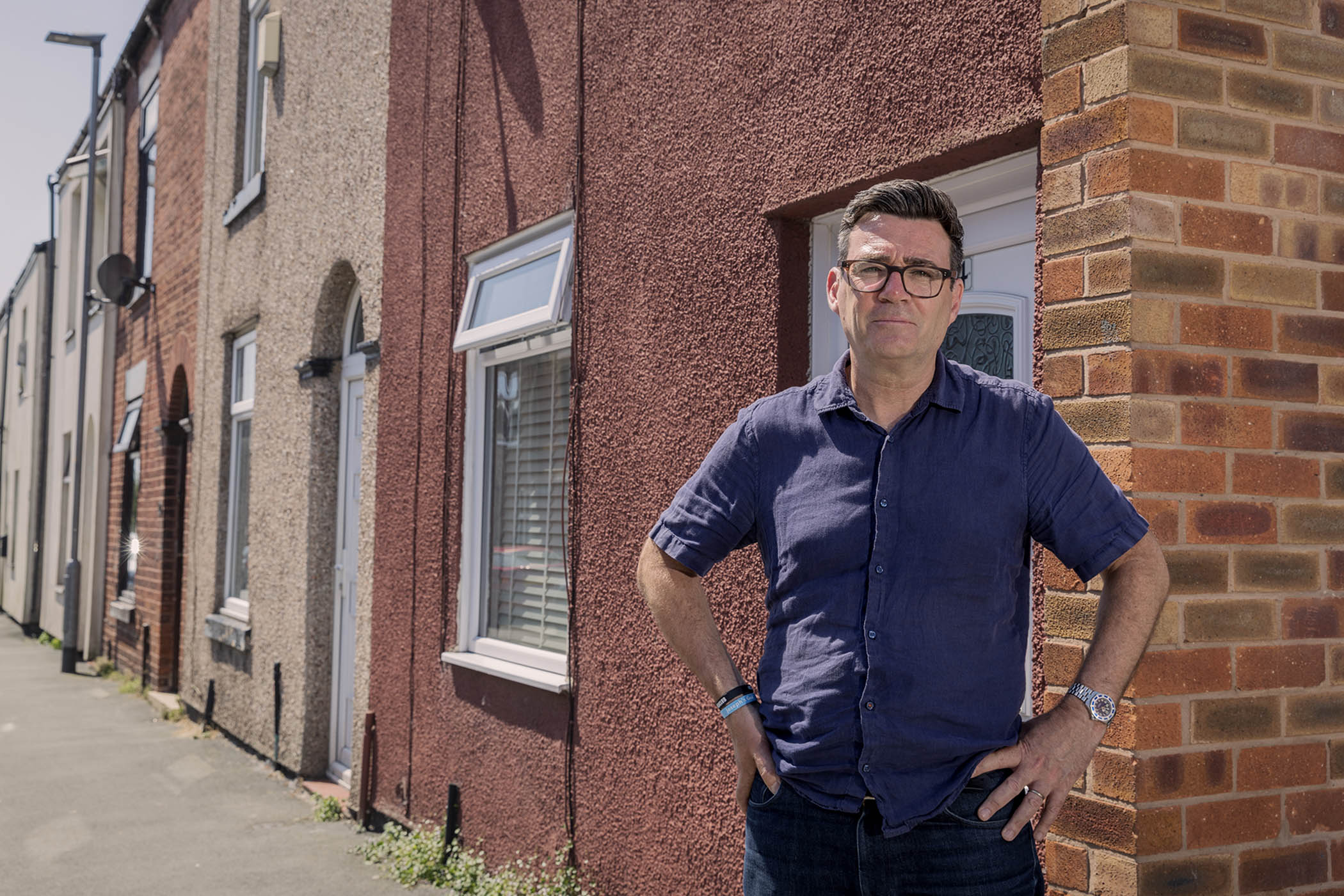
Photograph by Gary Calton for The Observer
The Labour leadership crisis is, one senior party figure observed to me recently, in danger of turning into a political version of The Archers – endless plot twists, a confusing cast of characters and no conclusion. That soap opera is now coming to an end with the expected return of Andy Burnham to parliament. One way or another the drama will have to be resolved.
There are a lot of “ifs” in politics at the moment but if Burnham does win the Makerfield byelection today, and if he does become prime minister, then the most important decision he will have to make is who to appoint as chancellor. “Everything boils down to that,” one Labour source says. “It sets the tone for how radical the reset is.”
It’s a delicate balancing act. The bond markets are already wobbling at the prospect of a Burnham premiership and the corporate world is nervous about his plan for “business-friendly socialism” so whoever takes over at the Treasury must offer reassurance as well as radicalism.
And Burnham’s allies insist he is not about to subcontract whole swathes of policy to his chancellor as previous prime ministers have done. “Andy’s not politically neutral on the economy,” one says. “He has got as coherent and advanced views as anyone so he’s not going to completely cede the Treasury to someone else as Tony Blair did with Gordon Brown. The question then is who does he feel he works best with?”
Ed Miliband definitely wants the job. In fact, I think it’s fair to say he expects to get it, although no promises have been made. One Labour source says Miliband would feel a “sense of betrayal” if he remained as climate change secretary in a Burnham cabinet. “He thinks he should be chancellor.”
As a former Treasury adviser, with a background in economics, Miliband is clearly qualified for the role. He has the confidence and experience to grip a difficult department and challenge the officials beset by the fiscal caution sometimes dismissed as “Treasury brain”. He has undoubtedly been one of the most effective ministers of the Starmer government.
He also broadly shares Burnham’s politics. He has been working closely with the mayor during the byelection campaign. Miliband was among those urging Burnham to calm jittery bond markets by promising to stick to the existing fiscal rules and tax pledges. His special adviser has been seconded to Makerfield. “There’s been an interlocking,” one Burnham confidant says. “Ed knows what he thinks, he knows how to make things happen. He’s worked around the Treasury, he is one of the most grown up politicians. He’s of the soft left with Andy.”
Nick Macpherson, the former permanent secretary at the Treasury is a more surprising fan. “It doesn’t matter whether a chancellor is left or right,” he told the Financial Times recently. “The key to gaining the confidence of the markets is to articulate, implement and deliver a coherent strategy. Miliband is one of the few cabinet members with the intellect, experience and authority to do that.”
Newsletters
Choose the newsletters you want to receive
View more
For information about how The Observer protects your data, read our Privacy Policy
But Burnham knows there are also “downsides” to appointing the man known by the right-wing press as “red Ed.” Miliband is a “bogeyman” for business, according to one City insider. As Labour leader he alienated the corporate world by dividing companies into “predators” and “producers”. Earlier this year he compounded those fears when he urged Starmer to focus more on the class divide. One senior Labour figure says: “Making Ed Miliband Chancellor would be utterly reckless”.
Some around Burnham also fear that Miliband would have his own agenda, leading to tension between the Treasury and Number 10. “There would be a concern that it might replicate some of the elements of the Gordon Brown Tony Blair relationship,” according to one ally. “Ed’s got a very firm idea of what he wants and how he wants it.” Burnham is less devoted to the “net zero” agenda than Miliband. He also has a slightly different approach to wealth creation. When I asked him last month whether he agreed with Miliband that businesses should be divided into predators and producers he said he preferred the concept of “good growth” with companies encouraged to treat employees well. He avoids the language of class war. “I think it’s first and foremost about making life affordable for people rather than necessarily going to take off people,” he told me. “That’s my first approach but I do think levels of inequality are a real problem.”
These nagging doubts explain why some around Burnham would like to see Shabana Mahmood to be appointed chancellor. She has made clear that she wants to stay in the Home Office. Louise Haigh, the former transport secretary who is managing the Makerfield byelection campaign, is also discussed. She recently published a pamphlet outlining a new economic agenda to help voters with the cost of living.
The work and pensions secretary Pat McFadden would be a “safe pair of hands” but may be too cautious for Burnham who has made clear he wants to reshape the state with privatised utilities returned to public control. Torsten Bell, the pensions minister and former head of the Resolution Foundation, is one of the few at Westminster who has always wanted to be chancellor rather than prime minister. The mischievous point to rumours that David Miliband wants to return to UK politics. Having been beaten to the leadership by his brother, it would be ironic if he was parachuted in as chancellor over Ed, although if Burnham does want to bring him back to the cabinet, foreign secretary would be a better fit.
Then there is Wes Streeting. The former health secretary’s allies insist he is determined to be “first lord of the Treasury” – in other words prime minister – but the role of chancellor would be a good consolation prize. This week he made his economic pitch insisting Labour could not “play fast and loose with the public finances” and calling for a move towards “progressive capitalism”. Like Burnham, he wants to reform property taxes, equalise income and capital gains tax and invest in social care. “How different is progressive capitalism from business-friendly socialism?” one Burnham ally says. “It depends on all the other balances of all the other forces but Streeting as chancellor is not impossible. There are pros and cons to all of them but someone’s going to be disappointed. Not everyone can be chancellor.”
Burnham’s pick – if he gets to make it – would reveal more than anything else about what kind of prime minister he would be.