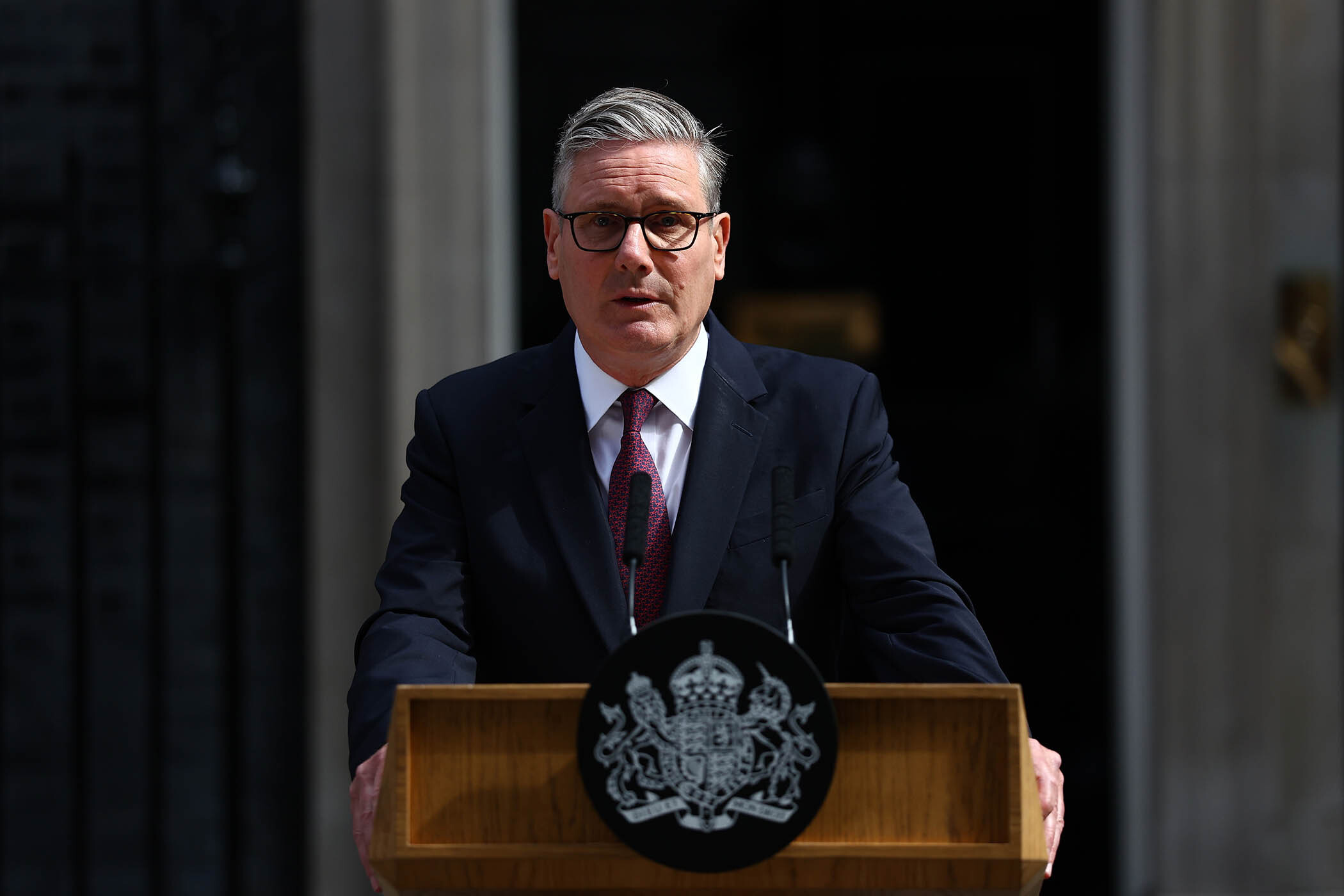

Keir Starmer has resigned less than two years after winning a landslide general election victory, saying he accepts “with good grace” that he must now go.
So what? Andy Burnham, who had not even arrived in Westminster when Starmer announced his departure on Monday morning, could become the UK’s next prime minister in less than a month unless a rival stands against him.
Burnham, who won the Makerfield byelection last week, is the favourite to win a Labour leadership contest. While there is no guarantee, Burnham allies believe they have the support of more than half the Parliamentary Labour Party (PLP). In that event, any contest would likely be performative.
Minutes after Starmer’s speech, Burnham confirmed he would run as his successor.
“Keir has given huge service to our country and I want to thank him for his leadership and dedication during such a challenging period,” Burnham posted on X. “His decision marks the beginning of a transition and it is important that this process is conducted in an orderly and responsible way. I will put myself forward as part of this process.”
Shortly after that Streeting confirmed that he would not contest Burnham, but rather is backing him. “Having spoken at length with Andy in recent days I am convinced that… he is committed to building an inclusive party that draws on the best of our political traditions; and that he can win the fight of our lives against the forces of nationalism.”
The timetable now set by Starmer means:
•
Nominations for a new leader will open on 9 July;
•
The deadline will be 16 July, and
•
“A new leader will be in place before Parliament returns in September”
Brexit dividend. Whoever becomes leader will be the country’s seventh in a decade, underscoring the turmoil in British politics since the EU referendum 10 years ago. In his speech, almost drowned out by anti-Brexit campaigner Steve Bray, Starmer stressed that his successor would inherit a country that is “stronger and fairer than two years ago”. Some will quibble with that characterisation.
Hemmed in. Assuming there is no general election, Burnham will have to operate within the constraints of the 2024 manifesto, principally the “triple tax lock” meaning he cannot raise income tax, national insurance and VAT. Burnham is hoping to deploy his “Manchesterism” approach to the entire country. After Starmer announced his departure, the pound fell and gilt yields climbed, displaying the financial markets’ concerns about Burnham’s proposals to reverse decades of privatisation.
Burnin’ for Burnham. The new MP for Makerfield returns to Parliament after nine years away as Mayor of Greater Manchester, with supporters planning a welcome “mini rally” to mark his return to Westminster on Monday afternoon. Although allies stress he has broad backing across the party – and Starmer has vowed to support his eventual successor – the prime minister’s defenestration has inevitably created bad blood. “This is an interim administration if Burnham comes into power,” one minister told The Observer: “They’ve already made fatal mistakes.”
Newsletters
Choose the newsletters you want to receive
View more
For information about how The Observer protects your data, read our Privacy Policy
Not so fast. Despite having lost to Burnham in Makerfield, Reform UK leader Nigel Farage is now demanding a general election. Farage claims that it is “ridiculous to pretend that Andy Burnham has any kind of meaningful mandate to lead the country.” Burnham supporters point to his critique of “HMO Britain” as proof that he is best placed to win back Labour’s support in the red wall and beyond, but it is true to say that his national popularity is untested. With the same list of thorny problems to resolve across the country – economic growth, immigration, and a deteriorating geopolitical situation – the honeymoon period for Burnham or whoever succeeds Starmer, is likely to be brief.
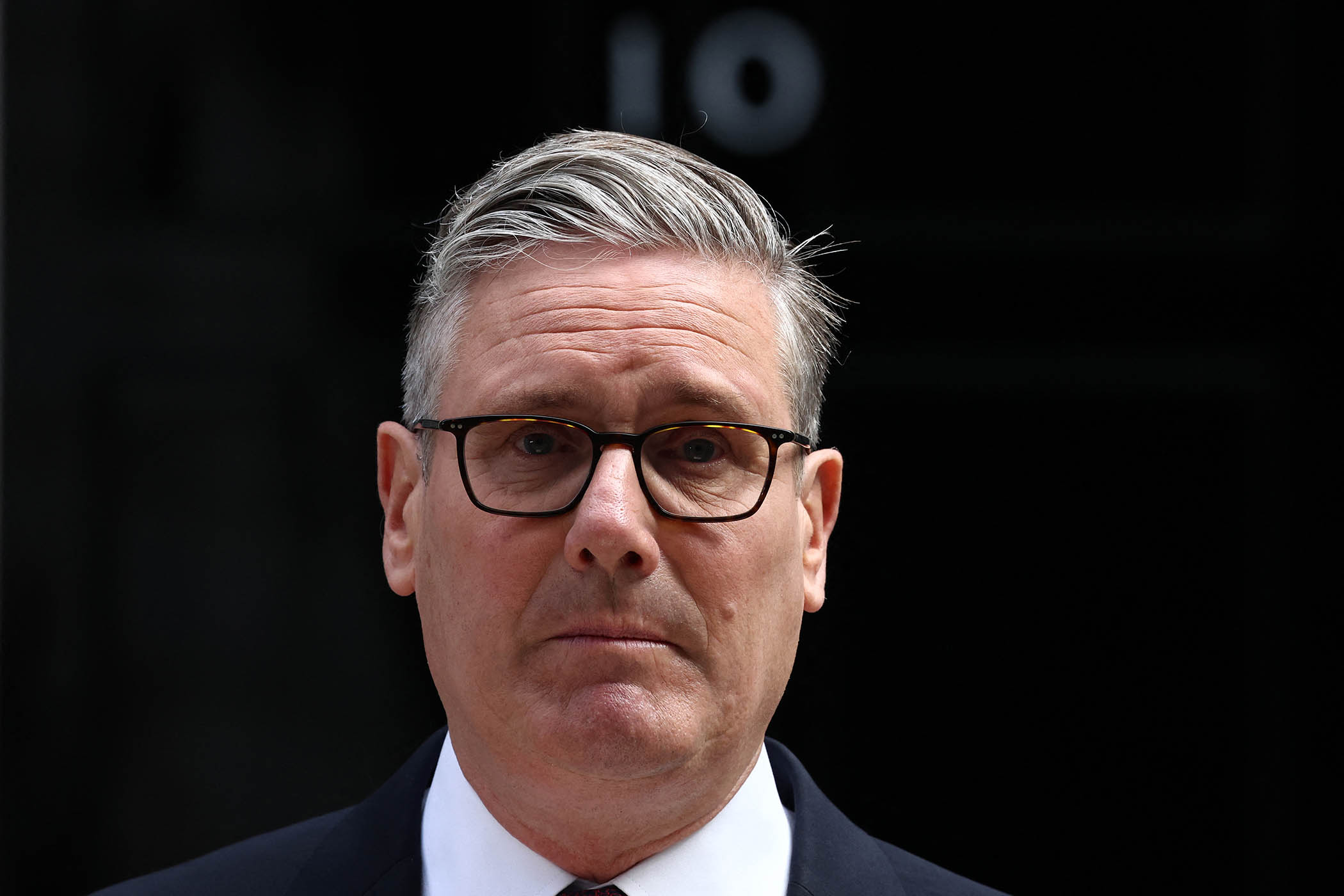
Tears for fears. Having spent the weekend holed away in Chequers, this morning Starmer betrayed a rare glimpse of emotion. As he announced that he would be leaving “the biggest job” to “spend more time on the most important job” of being a husband and a father, the outgoing prime minister’s voice cracked.
Legacy building. Starmer will now look to cement his legacy, building on a recent flurry of activity that includes a social media ban for under-16s. With his strength widely seen as being in foreign diplomacy, Starmer is expected to be in place for the Nato summit on 7 July – bringing with it publication of the much-debated Defence Investment Plan. But for many in Westminster, Starmer will be remembered for constant personnel change, policy U-turns and a failure to grip the problems facing the country, as the populist right. Whether his successor can govern differently remains to be seen.
Photograph by Peter Nicholls/Getty Images