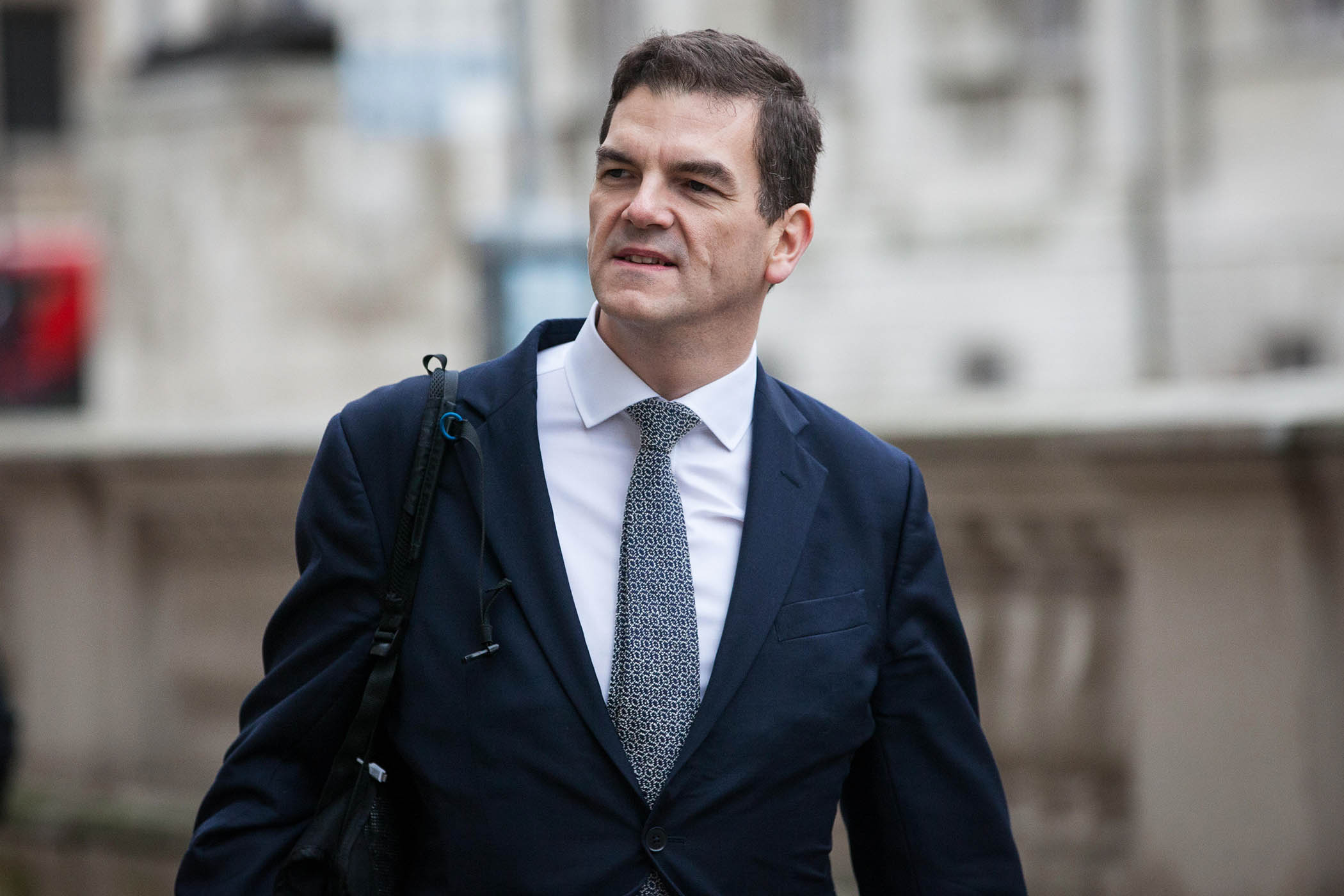

Keir Starmer’s claim that due process was followed in the appointment of Peter Mandelson may be technically correct, but the man he sacked last week says that is only because civil servants dug their heels in.
The prime minister yesterday attempted to lay the blame for Mandelson being made ambassador to the US against the recommendation of security officers at the feet of Olly Robbins. This morning it was the former Foreign Office permanent secretary’s turn to reciprocate.
While mostly declining to name names, Robbins was clear who committed the original sin: No 10’s private office, acting as a “vector” for those around Starmer, who were calling “frequently” to push the issue, he said; and the Cabinet Office, which he claims queried whether developed vetting (DV) was even necessary. Robbins declined to comment on reports that the PM’s then chief of staff Morgan McSweeney had told his predecessor to “just fucking approve it”.
Regardless, there was an “atmosphere of pressure”, Robbins said, noting that he had taken on his Foreign Office role after the king’s approval for the Mandelson appointment had been sought and the US had agreed; and that the prime minister had announced Mandelson as “nominee without caveats”. It is noteworthy that by then Mandelson had already been granted access to highly classified information.
All in all, there was the “very, very strong expectation” that Mandelson would be approved for the role, noting that it would have been “very difficult” not to, not least because it would have damaged US-UK relations.
Despite all this, Robbins said, the decision was taken independently. Some will find this less than credible, although it may count in his favour that No 10 had also – without success – sought a diplomatic role for Matthew Doyle, Starmer’s former spinner, who was controversially made a peer at the start of this year.
Robbins also insisted that he did not overrule a simple vetting “fail”, saying the first time he had seen the “RAG” (red-amber-green) tick box form was when it was released by the government after he had been sacked. Instead, the mandarin says he had discussed the vetting outcome in a meeting in which the outcome was considered “borderline”, with security officers "leaning towards recommending that clearance be denied". He then took the decision to proceed with mitigations in place, without informing ministers, to ensure the integrity of what he explained was a confidential and highly sensitive vetting process.
This last point was central to Starmer’s defence on Monday, and yet it’s unlikely to be the point that voters remember. Both men have focused on questions of process, but what seems likely to stick in the public mind is the sense that Starmer and his team pushed for Mandelson despite clear potential for conflicts of interest because of his widely-reported commercial work, and despite his links with Jeffrey Epstein. The Conservative leader Kemi Badenoch has been known to miss an open goal but on this occasion homed in on the hypocrisy of Starmer’s position: a man who set standards for his political rivals that he has failed to meet himself.
Starmer’s saving grace so far is Labour’s reluctance to jettison its leader this side of the 7 May elections. Even thereafter, an awareness of how disastrous that route was for the Tories weighs heavily on MPs. There is also the knowledge that disloyalty is seldom rewarded. The Observer understands that internal Labour polling shows Starmer would beat Wes Streeting – the most viable candidate to replace him – if the choice were put to party members. Even Angela Rayner, more popular with the members generally, would struggle. As one minister puts it, the conventional explanation for Jeremy Corbyn’s survival of what became known as the “chicken coup” in 2017 is wrong: members weren’t backing him because he was Corbyn, so much as because he was leader.
However, ministers including the usually loyal energy secretary Ed Miliband have sought to distance themselves, both from the prime minister’s decision to appoint Mandelson, for which he has taken personal responsibility, and from Robbins’ further claims about a job for Doyle. The foreign secretary Yvette Cooper said she was “not involved” and that it would “not have been an appropriate appointment”.
Either way, Tuesday’s testimony makes life more difficult for the man in No 10. The Mandelson affair was already cutting through on the doorstep, and having it dredged up has renewed impetus for change at the top. It doesn’t help Starmer that civil servants are now spitting feathers at his handling of the situation. The post-election environment may be his most challenging yet.
Photographs by Mark Kerrison/ Alamy
Newsletters
Choose the newsletters you want to receive
View more
For information about how The Observer protects your data, read our Privacy Policy