
Photographs by Christopher Bethell for The Observer
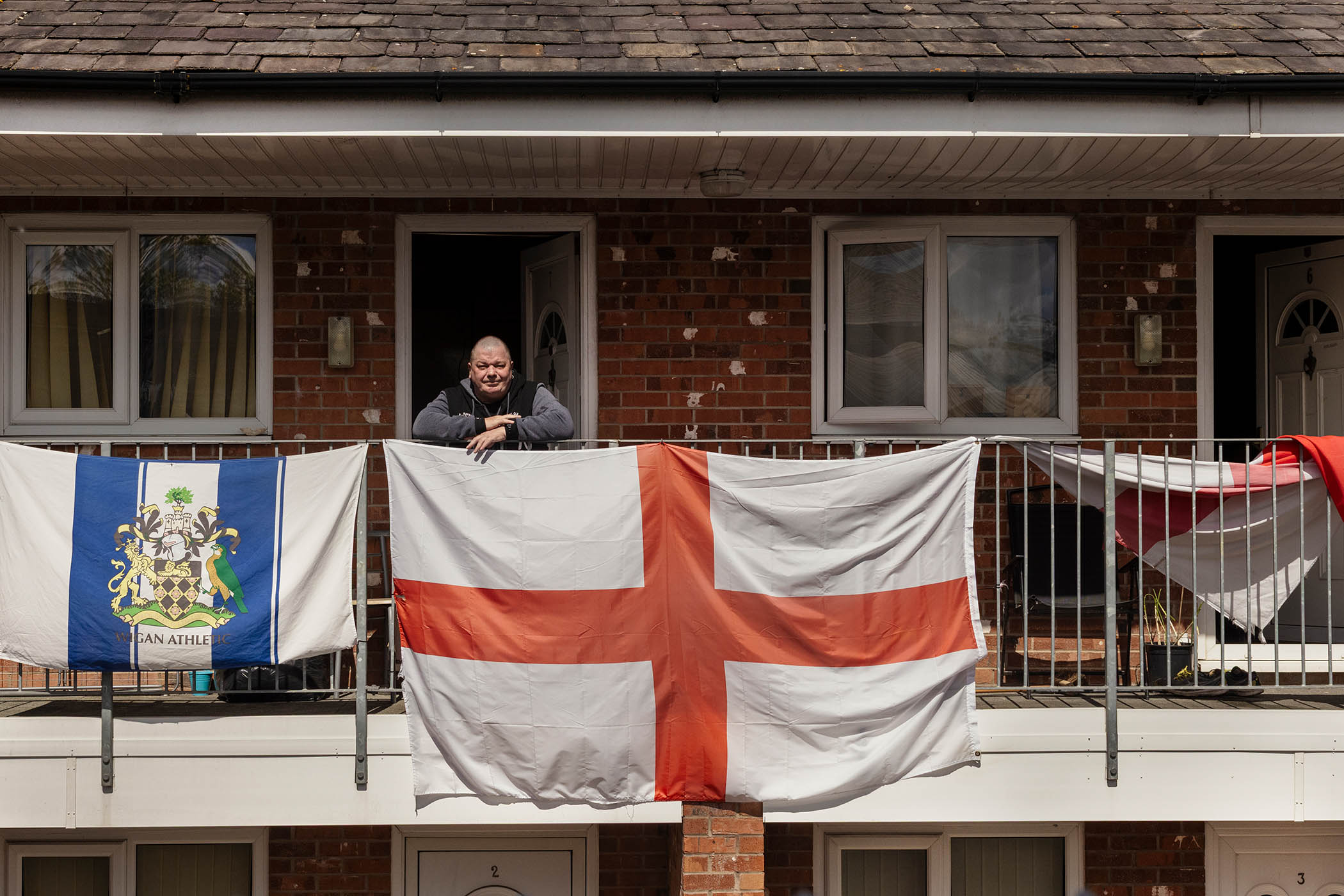
Located halfway between Manchester and Liverpool, Ashton-in-Makerfield is the not the kind of place that brings attention to itself. It’s a working-class town, neither thriving nor down-at-heel; a modest community with modest ambitions, more than its fair share of beauty salons and mini-markets, and plainspeaking men who wear shorts on a chilly spring day.
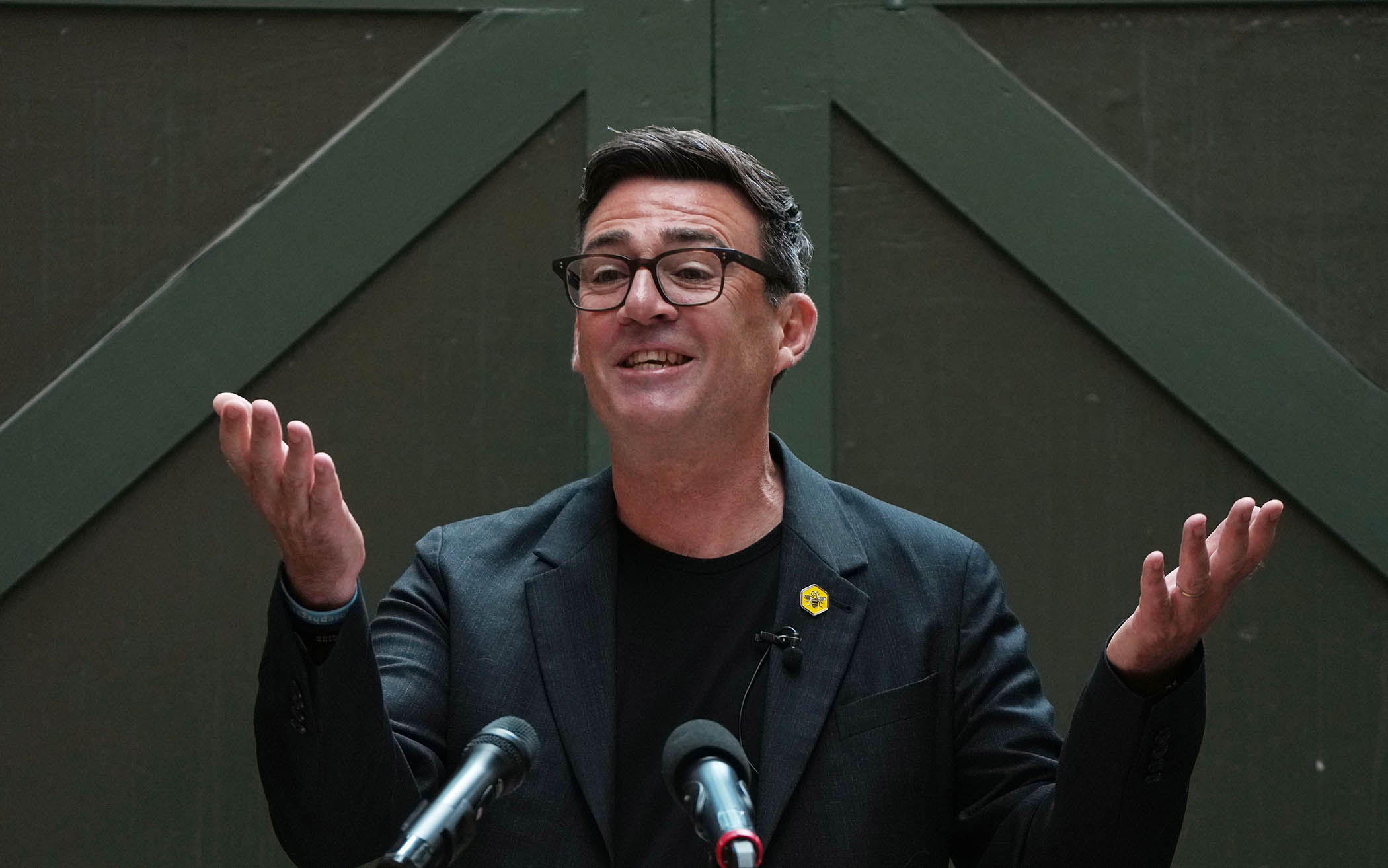
Last week, it was thrust into the spotlight when Makerfield’s sitting Labour MP Josh Simons resigned to enable the Greater Manchester mayor, Andy Burnham, to stand in a byelection in the hope of securing a seat in the Commons from which he could launch a leadership campaign.
But it is a high-risk manoeuvre. Once at the heart of the south Lancashire coalfield, boasting 13 collieries, Ashton-in-Makerfield used to be a Labour stronghold. Joe Gormley, president of the National Union of Mineworkers in 1970s and 80s, was born and worked here as a miner.
By 1997, the pits had long closed, yet three in every four votes still went to Labour. As recently as 2017, the party won 60% of the vote. That was before the Brexit party, a predecessor of Reform UK.
Although Simons enjoyed a healthy, if slimmed-down majority, at the 2024 election, Reform triumphed at the recent local elections. So, as safe seats go, it looks distinctly precarious.
On Gerard Street, the town’s shopping thoroughfare, local people dodge a succession of camera crews looking to gauge public opinion about the impending byelection.
“I believe in Andy Burnham,” says David Parkinson. “The danger is whether he gets in.”
“I like him,” agrees Rebecca Rile, “but I’m not sure it was a risk worth taking. Going from mayor of Manchester to MP for Makerfield?”
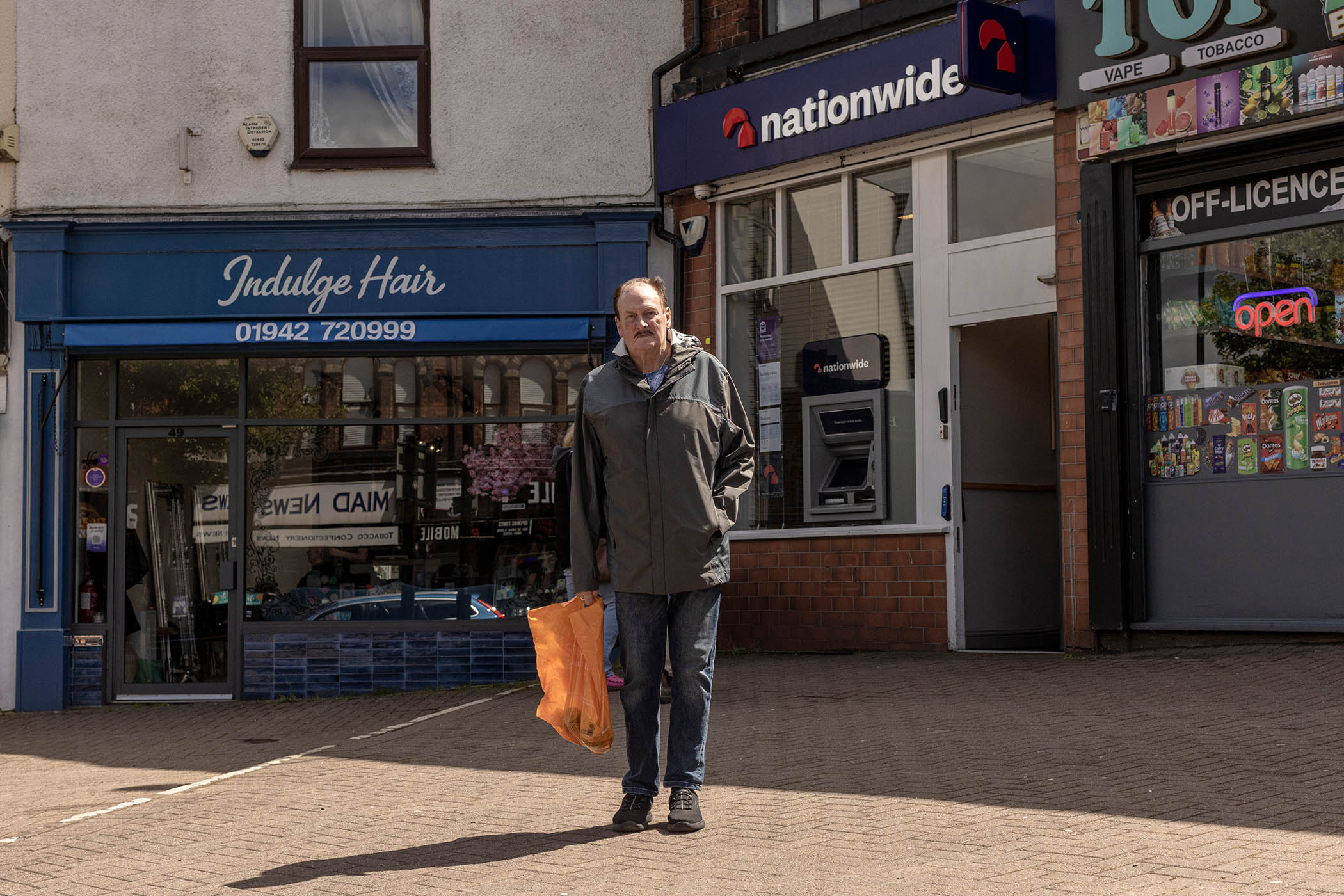
David Parkinson
Sometimes the word from the street is so strong and consistent that it is possible to feel confident about a given outcome. Not in Ashton. For every person who welcomes Burnham’s candidacy, there are plenty who are opposed.
Newsletters
Choose the newsletters you want to receive
View more
For information about how The Observer protects your data, read our Privacy Policy
“Nobody wants Andy Burnham round here,” declares newsagent Jyoti Broadhurst, a lifelong Conservative turned Reform voter. “I know people go on about Reform being racist, but there are certain issues we believe in.” In her case, she is most concerned about the sale of illegal cigarettes that, she says, the authorities overlook.
Others, such as James Taylor, admit that they cannot make up their mind between Labour and Reform. All he knows is that he does not want to “waste” his vote by voting Conservative again.
Chris Wood does not think any of the parties represent his views, but he is dismissive about the mayor. “Andy Burnham is only after one thing – to be prime minister. And people can see right past him straight away.”
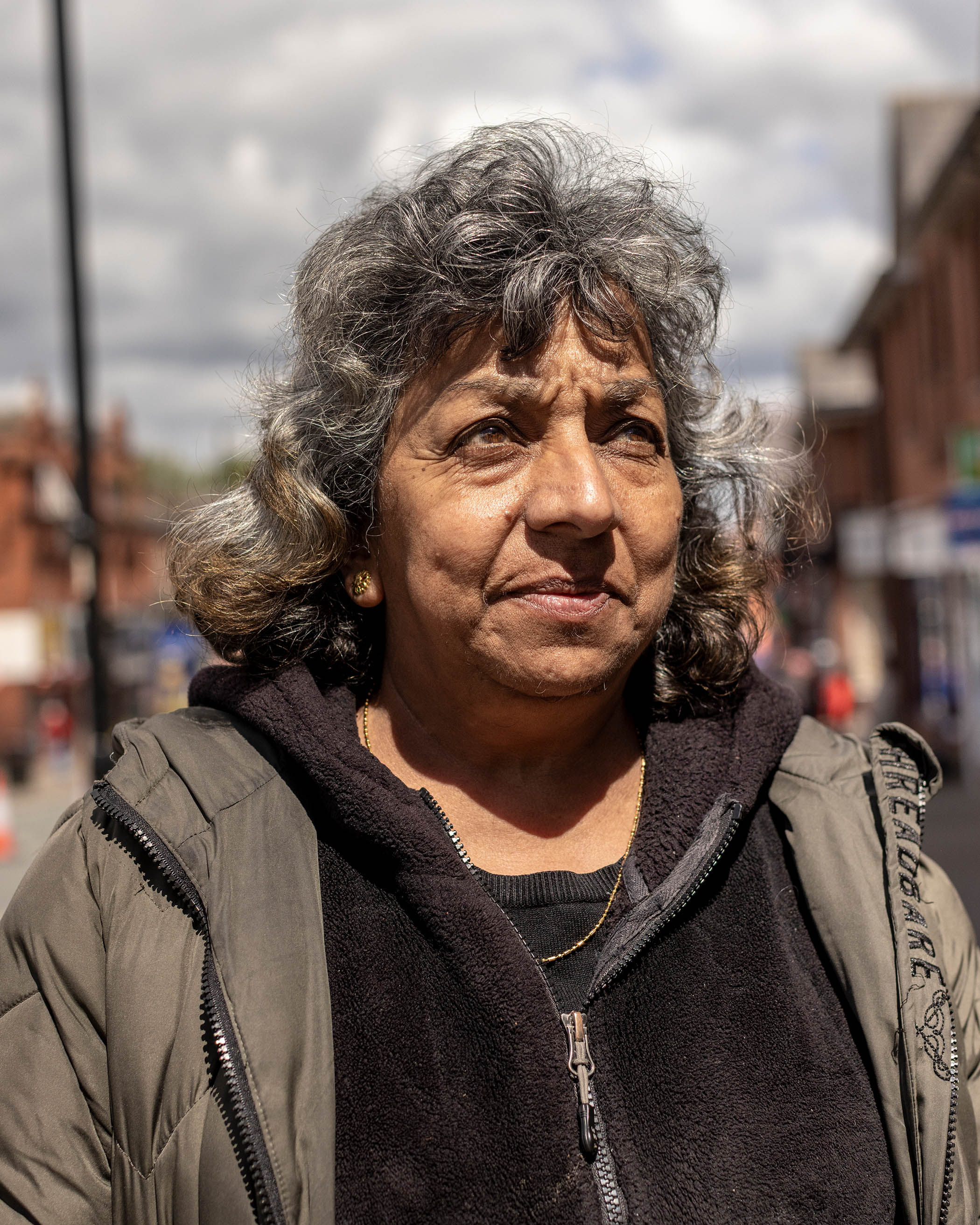
Jyoti Broadhurst
Down the street, I encounter a couple of women who do not want to see past Burnham, because they like the look of him, like what he has achieved in Manchester, and think he will be strong advocate for the north. They say their friends think the same.
It is noticeable that people standing cheek-by-jowl not only hold wildly different views but often seem to live and work among those who share their particular perspective, while avoiding those who do not, like so many street-level versions of the curated silos that flourish on social media. The result is that they are convinced everyone else shares their opinion.
Lorese Attree, for example, is very anti-Burnham. She maintains he is only after power and that Labour is anti-farmers and anti-pensioners – despite its hugely expensive maintenance of the pension triple lock. “All the money’s going to illegal immigrants,” she says.
This is a common theme, frequently expressed by former Labour voters. The Bryn community club used until recently to be called the Bryn Labour club, part of the once ubiquitous social clubs that emerged from the Labour movement and hosted political organisation. Nowadays, they are more often just somewhere that serves cheaper beer.
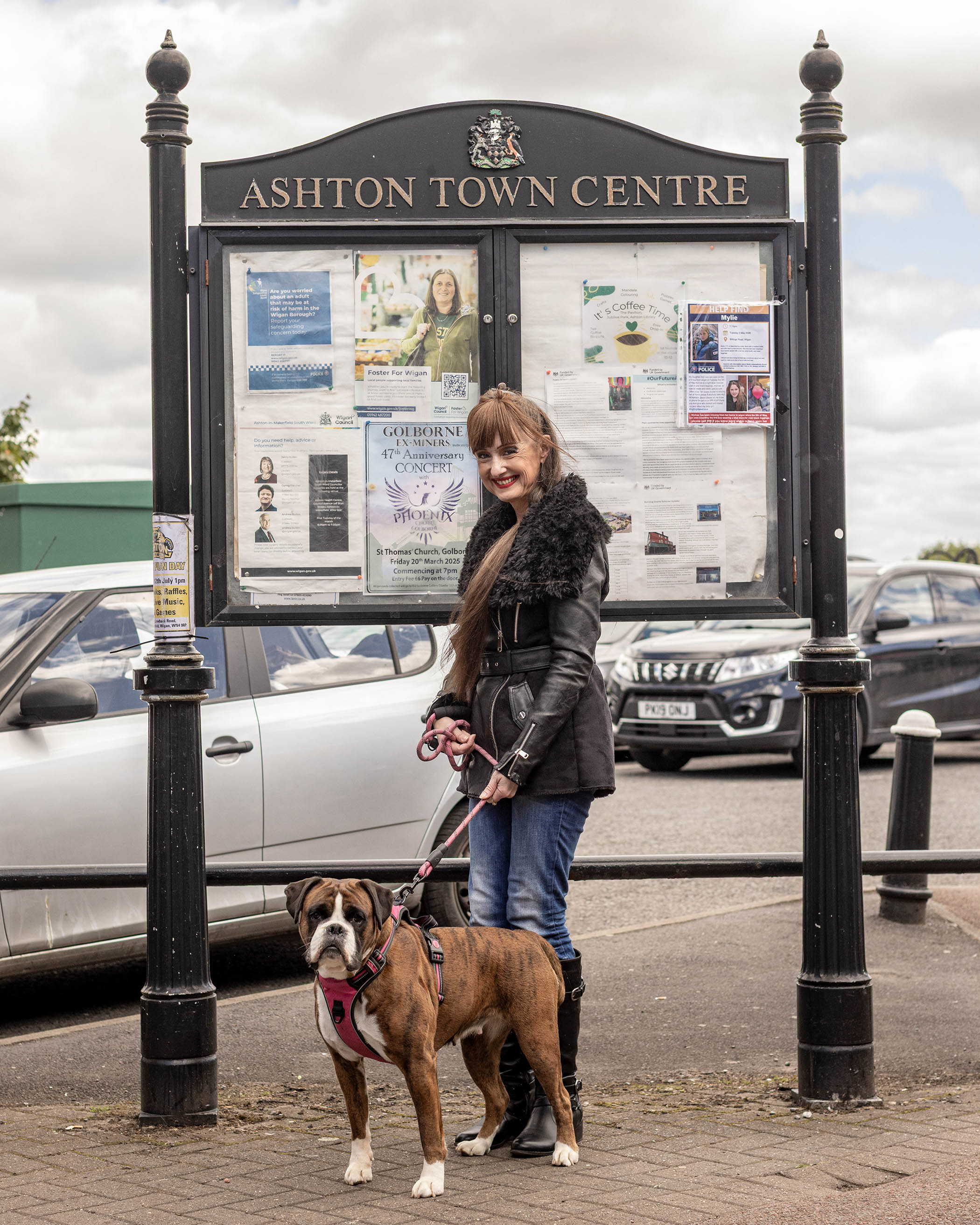
Lorese Attree
Inside the club, men and a few women sit nursing their drinks as the TV shows sport in the background. Tony Miller, a factory worker, was a lifelong Labour voter. “I’ll never vote Labour again,” he says, a sentiment echoed by his friend across the table, John Dickinson.
“I was steward of this place for three years and Josh Simons had his surgery upstairs,” says Dickinson. “He came in one afternoon, introduced himself to people at the bar, saying he often came in for a pint. And then he asks where the toilets are!”
For Dickinson, this question, suggesting an unfamiliarity with the surroundings, revealed a pretence that embodies Labour’s insincerity. Which only goes to show how hard a vote is to win, and how easy it can be to lose. Candidates inevitably grapple with presumptions, emotions, rumours, gripes and a whole range of predispositions that are seldom vulnerable to political pronouncement or even political deeds.
Just up the road from the club is the railway station, where a team of workers is busy building passenger lifts as part of more than £6m in improvements – “Funded by the UK government”, as a poster announces.
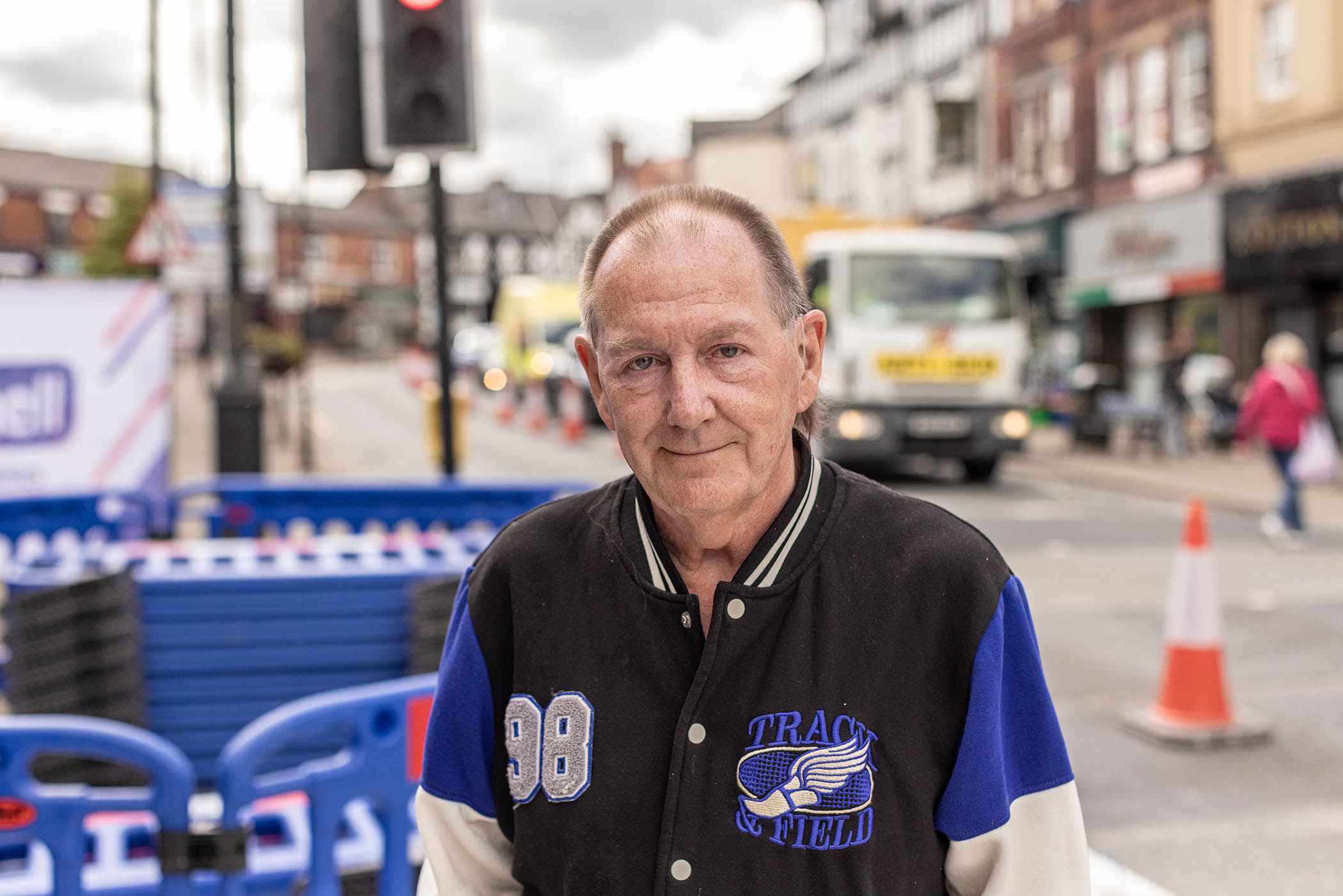
Stefan Trwoga
That probably will not cut much mustard with someone such as Stefan Trwoga. The son of a Polish immigrant, he is another lifelong Labour supporter who worked in the NHS and was involved in the union. “I don’t see how this byelection benefits Labour in the long-term,” he says.
He makes an eloquent case for the need to combat Iran war-driven petrol and gas shortages with a reassessment of the UK’s energy policy. But for all his reservations about what it might do with the NHS, he is going to vote Reform. How successful Labour is in bringing people such as him back into the fold will be the key not just to this byelection but the next general election.
Burnham has a very big battle on his hands.