


Since the 2008 crash, Britain’s rate of jettisoning prime ministers has more than doubled. Since the Brexit vote it has quintupled: six in 10 years compared with six in the preceding 50.
The pace of churn has accelerated even faster in Whitehall: nine chancellors since 2008, none able to restore the UK to robust financial health; 10 education secretaries since Michael Gove, one of whom lasted 35 hours; 14 housing ministers since the coalition of 2010-15, none given time to test the theory that mass home-building can unleash pent-up productivity, let alone prove it.
When Keir Starmer warns of chaos to come he could be describing the recent past. This is a time of chronic instability in Downing Street, of life imitating Yes Minister in the great offices of state, the business of government conducted despite elected representatives rather than driven by them and, building in the background, a mountain of voter weariness verging on despair.
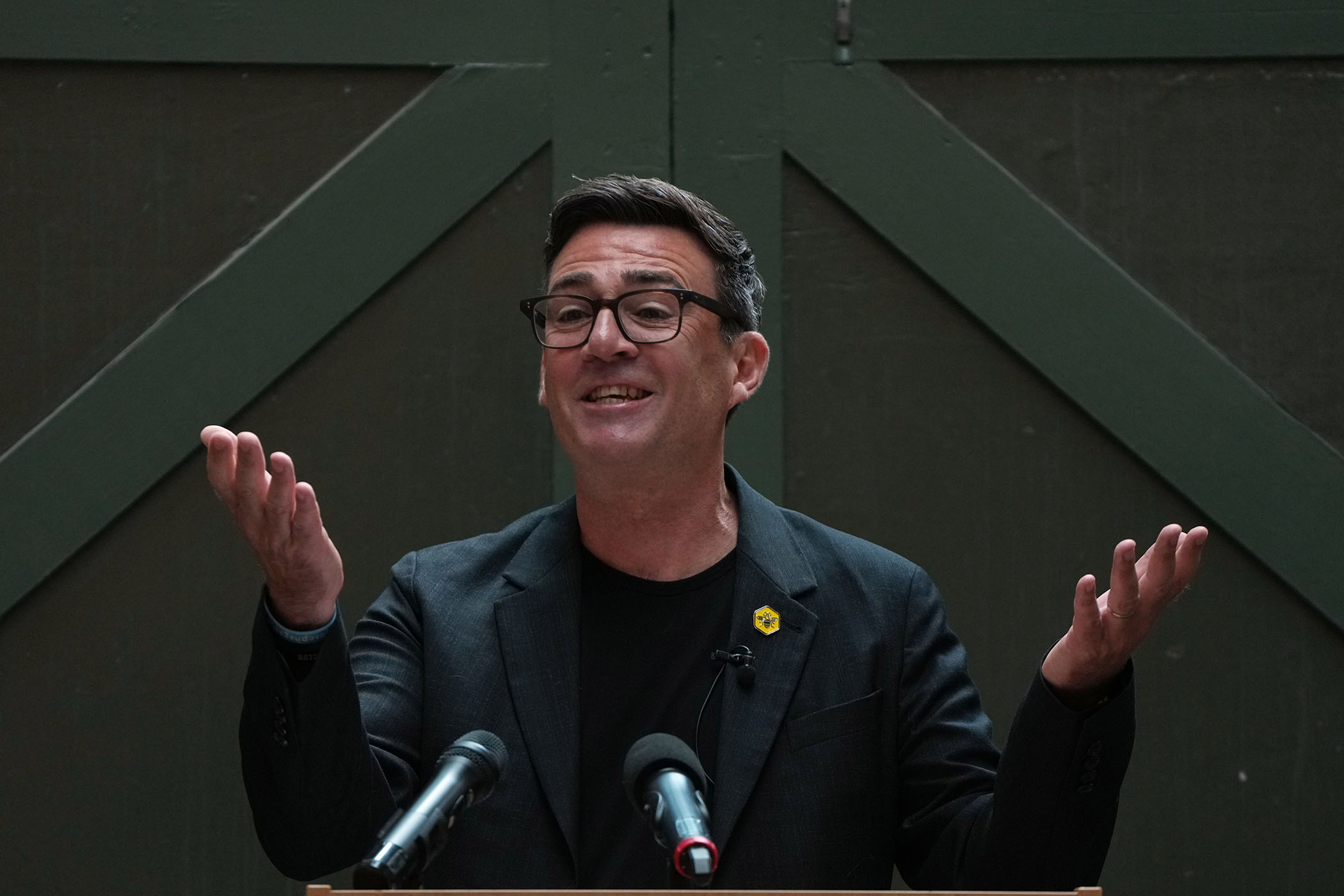
It’s no surprise that voters feel left out. Barely 0.3% of them put Liz Truss in power. Four Tory prime ministers within six years were installed by an entirely opaque Conservative party membership of a few tens of thousands. If there’s a contest to succeed Starmer it will be decided by 403 Labour MPs plus party and affiliated trade union members. If Andy Burnham is anointed, it’ll be by a cabal of insiders as tight as Sir Thomas Clifford’s 1667 original.
Italy used to be Europe’s exemplar of how not to run a country. Step aside. The insurgent Reform UK has a treasury spokesman who used to loot the Towns Fund for Tory marginal constituencies, and a leader funded by a crypto billionaire, who doesn’t represent or, even, live in Britain.
Like Italy, this country is better than its politics. There’s no Venice, Ferrari or dependable sunshine, but there’s music that the world loves, storytellers who capture the world’s imagination, a pantheon of sorts at Stonehenge and, here’s a claim, better food in London than Rome. There’s an extraordinary concentration of endeavour and ingenuity that has grown up on this sceptred, soggy isle since those obelisks were dragged to Salisbury Plain: at least a dozen of the world’s best universities, a pharma sector to rival that of the US, a creative industry with a headstart on much of the world thanks to the English language, two fifths of Europe’s tech scale-ups, a global financial centre in London despite Brexit and the rule of law despite Nigel Farage’s apparent belief that the rules do not apply to him. And Donald Trump is proving good for London, driving Britain back into a meaningful relationship with Europe, launching a war that has taken a little of the shine off Dubai and prompting enough exasperated, wealthy Americans to build lives and businesses in the UK.
Conservatives are not unreasonably taunting Labour over its self-indulgent psychodrama. They should know. They introduced the new politics of party over country by promising a referendum to resolve a psychodrama of their own 11 years ago. It’s time for politicians to grow up, look out, raise their game and prove themselves worthy of the voters who issue their license to operate.
Part of that process should be a firm commitment by progressives to electoral reform, so that fewer voters feel disenfranchised every time the first past the post system ignores their choice.
The good news is that serious thinking has, at last, begun.
To listen yesterday to Wes Streeting, the former health secretary and the first candidate to officially challenge Keir Starmer, was to hear a politician willing to make clear choices. Streeting called Brexit a “catastrophic mistake” and committed to put Britain back at the heart of Europe and, one day, back in the European Union. Common sense has returned.
Newsletters
Choose the newsletters you want to receive
View more
For information about how The Observer protects your data, read our Privacy Policy
Likewise, Streeting invoked the spirit of the BBC in the age of AI, the idea that technology be tasked with serving society and taking on the tech bros who use it to make their fortunes by sowing division. Riffing on Barack Obama’s hopeful promise “Yes we can”, Streeting took a stand against the fatalism and fashionable despair over Britain’s future: “We still can”.
The one merit of the mess is that, on the left and right of the Labour party, there’s a fresh appetite to produce the kind of detailed plan for economic revival that has been missing under Starmer. It won’t work if it simply loads up the exchequer with more debt, but at least those angling to replace him recognise what has been missing on his watch.
Photograph by Tristan Fewings/Getty Images