

Last year Ed Miliband announced that China would be banned from investing in the Sizewell C nuclear power station. “We’re going to get some private investment in but obviously that always goes through national security checks,” the energy secretary said. “It’s about making sure that any bidders… are people you would want owning part of your nuclear power station.”
The government has made clear that it will resist the involvement of China in critical national infrastructure. Under the Conservatives, the Chinese telecommunications company Huawei was excluded in 2020 from running the 5G network.
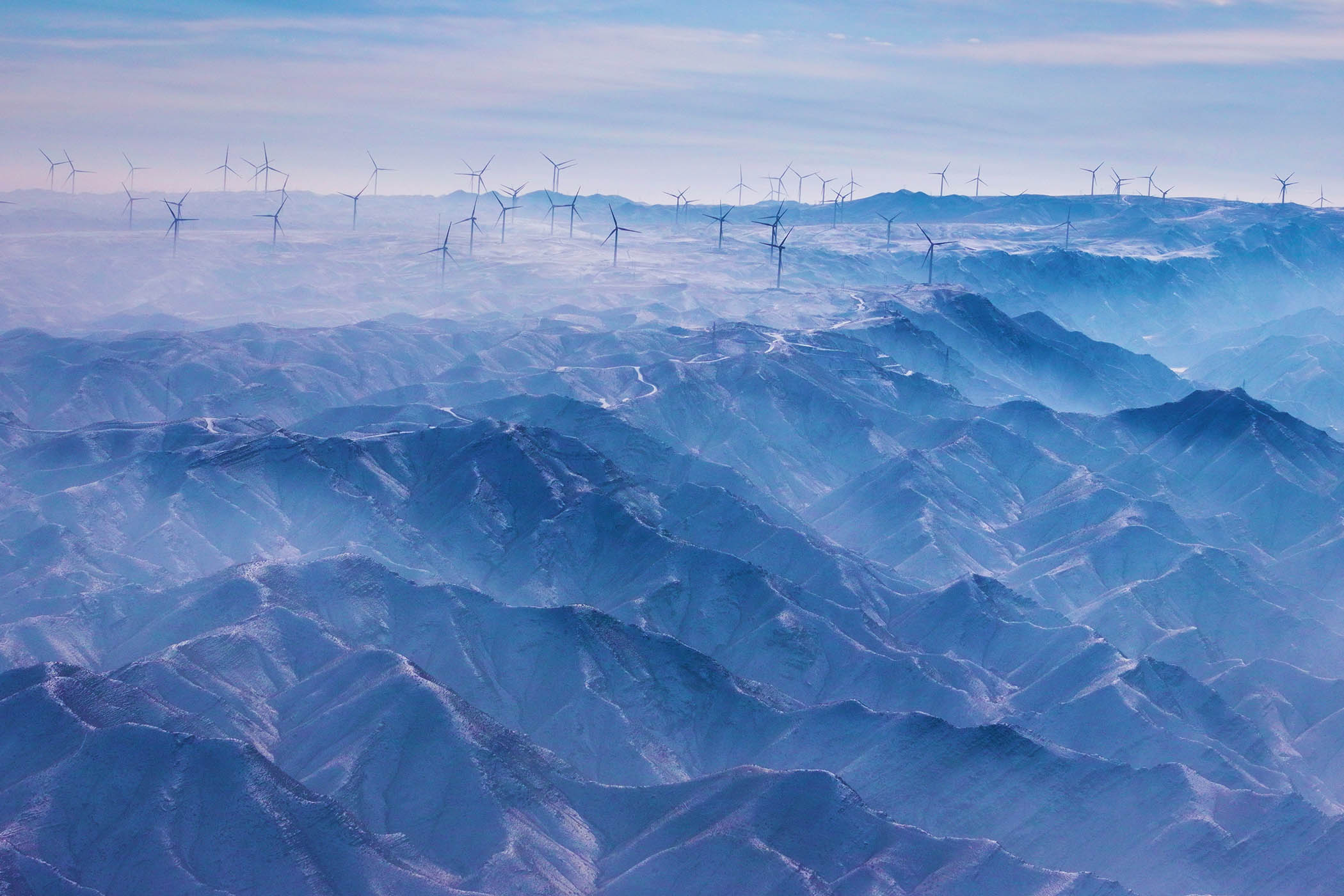
But what about windfarms? A Chinese energy company called Ming Yang has announced plans to build the UK’s largest wind turbine manufacturing facility in Scotland. The £1.5bn project will create up to 1,500 jobs, with production due to start in 2028. Ming Yang has said it will invest up to £750m in the first phase of the scheme before expanding to create an “offshore wind industry ecosystem”. The chief executive, Aman Wang, says the firm wants to make the UK a “global hub” for the technology and help deliver the government’s mission to become a “clean energy superpower”.
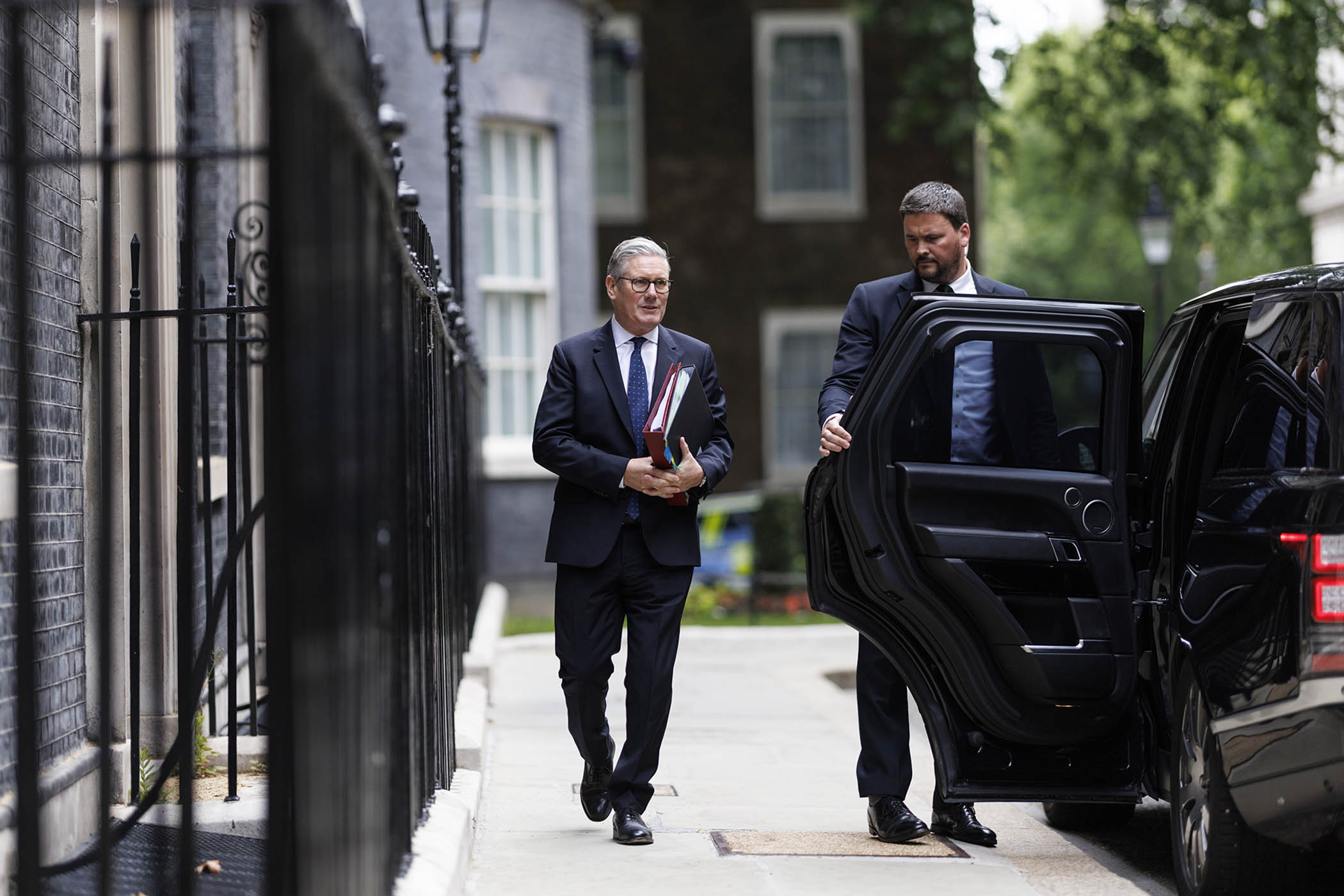
Now the government is wobbling about whether to allow the plan to go ahead. Speaking to journalists on the plane to Beijing as part of his four-day trip to China, Keir Starmer stressed that “no decision has been made in relation to Ming Yang” and that “obviously uppermost in our minds is the national security of the United Kingdom.” The comparison with nuclear power was “part of the consideration in any decision,” the prime minister said.
The Conservative MP Nick Timothy is among those who have expressed concerns about the deal, insisting it raises “serious questions about energy and national security” and the government should rule out investment from “hostile states”.
The issue is a perfect illustration of the trade-offs and dilemmas facing Starmer as he embarks on his visit to Beijing and Shanghai, the first by a prime minister since 2018. It’s not only how to define critical infrastructure but also how to balance the risk and reward of Chinese technology.
“China presents Britain with all kinds of problems, ones of values, spying threats and then security threats,” said Bronwen Maddox, chief executive of the foreign policy thinktank Chatham House. “One of the most difficult decisions I think Starmer has to make is whether to buy a load of windfarms off China which essentially give China an off switch and also a whole load of information about Britain’s use of electricity.”
He may not have much choice. In 2024, China built 68% of all the wind power installed on the planet. The Chinese are also increasingly dominant in solar power and electric vehicles, as well as AI and high-speed rail. If the UK wants to meet its net zero target it will find itself under growing pressure to buy their products – unless it starts seriously ramping up production itself.
Photograph by CFOTO/Getty Images
Newsletters
Choose the newsletters you want to receive
View more
For information about how The Observer protects your data, read our Privacy Policy