
In Number 10 the prime minister’s advisers have started to joke about how long they will last in their jobs. Six months is seen as a triumph for some positions. The dark humour has developed as a coping mechanism for the dysfunction in Downing Street but it’s not really a laughing matter. Keir Starmer is now on his fifth director of communications, his third chief of staff, his fifth policy head and his third cabinet secretary in less than two years. Many more junior aides have been shunted out or aside. The instability is ricocheting through the civil service too. Olly Robbins, brutally fired as head of the foreign office last week, was the fourteenth permanent secretary to leave or move job since the general election, meaning more than half of government departments are under new leadership. This is no way to run an office, let alone a country.
A prime minister, who was elected on a platform of steadiness, probity and decency, has presided over an unprecedented level of churn in his top team. There are echoes of Oscar Wilde – to lose one aide may be regarded as misfortune, to lose more than a dozen looks like carelessness. But it is actually worse than that because it’s symptomatic of a tendency by Starmer to blame others rather than accepting responsibility for his own mistakes. There is a pattern developing in which the prime minister declares himself “furious” about what he has not been told instead of acknowledging that it is his job to know what is going on. He accuses the civil service of being “too comfortable in the tepid bath of managed decline” rather than seizing the challenge of political leadership.
That is now unravelling. Whitehall grandees believe Robbins has a strong case for an unfair dismissal claim. Starmer did not have to sack the respected mandarin – he could have explained that security vetting is more nuanced than the initial reports suggested and accepted that the process should have been completed before Peter Mandelson’s appointment as ambassador to Washington was announced. Instead, for the sake of controlling one day’s news cycle, he threw an experienced official under the bus and trampled on his reputation. “This is all self-inflicted, it’s crazy,” one former permanent secretary says. “I can’t understand why he thought sacking Olly was a good idea. As prime minister you need to have the right people around you and judgement about people is not one of Starmer’s strengths.”
Cabinet ministers – themselves under constant threat of being reshuffled – are starting to question the prime minister’s instincts too. This morning Pat McFadden, one of Starmer’s most loyal lieutenants, distanced himself from the decision to sack Robbins and stressed how much he personally respected him. He joined Yvette Cooper in condemning Number 10’s attempt to find a plum diplomatic posting for Matthew Doyle, one of the many former directors of communications who have lost their jobs. Yesterday Ed Miliband made clear that he believed Mandelson “should never have been appointed”.
At one level, the furore is all very trivial. The detail of who said what to whom about the vetting of an ambassador matters far less than the wars in the Middle East and Ukraine, the cost of living crisis or the problems in the public services but the prime minister’s handling of the Mandelson affair points to a wider problem.
A political leader’s greatest strength always turns into their biggest weakness. Starmer’s main selling point when he was first elected was that he was not a career politician. He was a lawyer who had come late in life to Westminster and brought with him a wealth of managerial and professional experience from outside the bubble. He was the antithesis of Boris Johnson, who had declared as a child his determination to become “world king”, and promised to usher in a new era of probity and calm during which politics would “tread more lightly” on our lives. One Whitehall grandee, who sat around the table with the prime minister at the weekly permanent secretaries’ meeting when he was director of public prosecutions, said he had always thought Starmer was the “least likely” person in the room to go into politics. “The rest of us would talk about how to make sure our secretaries of state got along with each other but Starmer was always rather detached and completely uninterested in those political relationships.”
Ministers say the Labour leader appears to almost “despise” politics and politicians but as one member of the cabinet points out “that’s the job”. A prime minister needs good political judgement and emotional intelligence as well as – perhaps more than – grasp of policy detail and intellectual clout.
Starmer has always sub-contracted his politics to others. He asked Morgan McSweeney to win control of the Labour Party, and then the general election, and preferred not to know all the details about the sometimes ruthless ways in which he did that. He appointed Mandelson as ambassador to Washington not despite his serpentine cynicism and questionable connections but because those were qualities that he believed would appeal to the Trump administration. He made a speech suggesting that Britain was becoming an “island of strangers” as a result of immigration, then later suggested he had not read it properly and did not mean it.
There is a strange passivity to Starmer’s leadership – there is a reason why Labour strategists compared him to the driver of the driverless Docklands Light Railway train. But he is the prime minister. If there is a problem with the government’s message or policy platform or appointments, it is not ultimately the fault of Downing Street advisers or career civil servants, it is down to the politician at the top. The buck stops with Starmer and he is running out of people to throw under the bus.
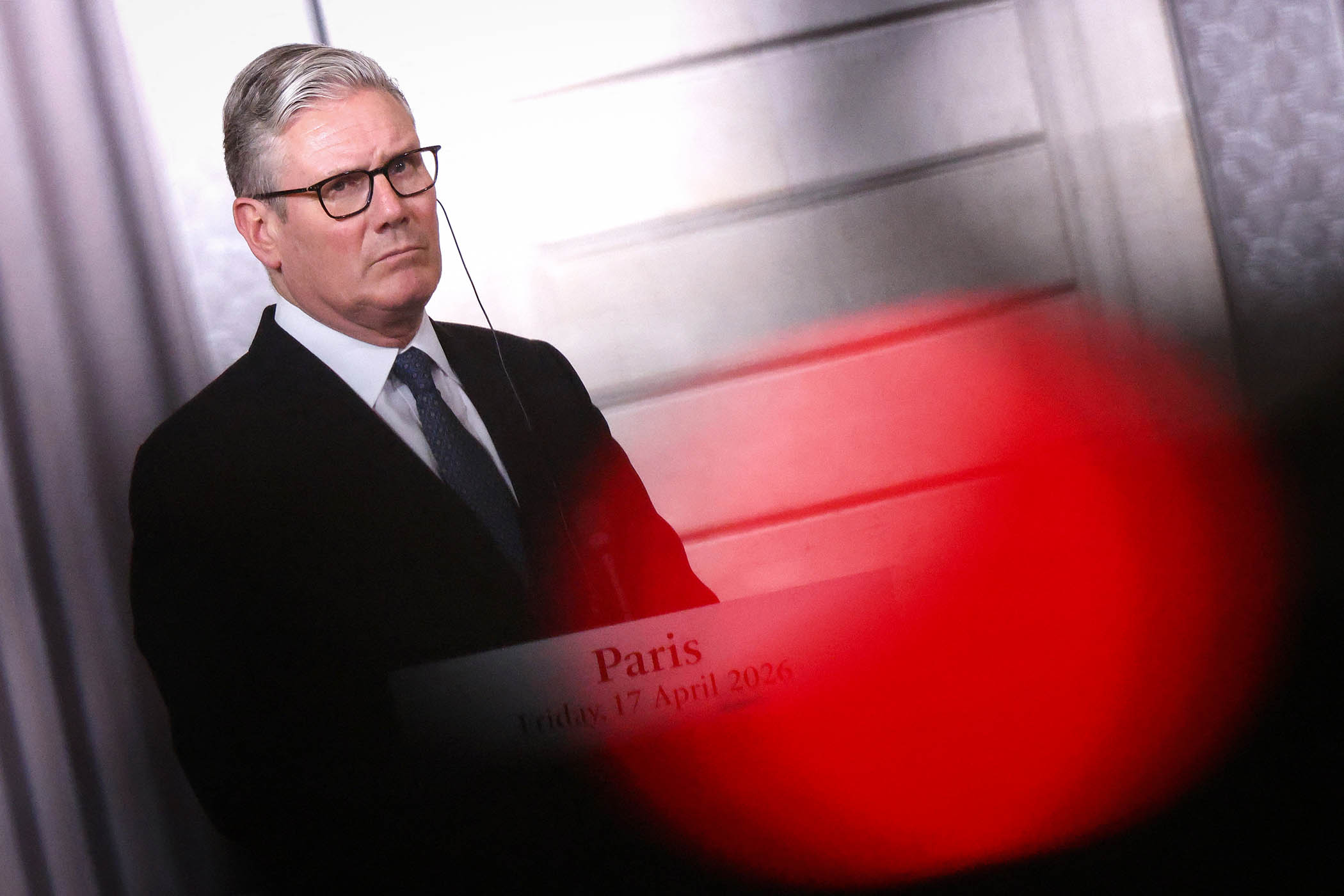
Photograph by Tom Nicholson / AFP via Getty Images
Newsletters
Choose the newsletters you want to receive
View more
For information about how The Observer protects your data, read our Privacy Policy