I was 10 years old when the coalition government came into power in 2010 and began their legacy of slashing funding to public services. I was much more concerned with which pop star was in the charts that week and watching America’s Next Top Model after school. But later that year came the launch of Instagram.
The political decision to pursue austerity in the UK would lay the foundations for my own addictive relationship with social media, and that of a whole generation.
In a kind of dystopian synchronicity between Silicon Valley and our political leaders, in the 2010s young people were deprived of real world community spaces and instead swept up into the digital alternative. Funding for youth services in England and Wales was gutted by 70 per cent over the course of a decade, and across the capital 81 youth centres closed in 14 years with 800 youth worker jobs lost. We became the lost generation; our youth centres were replaced with home feeds, spontaneous conversation with streaks and community leaders with influencers.
Collectively, we now recognise this to have been a huge mistake, and this week the prime minister has made the ultimate admission of that by banning social media for under 16s. But given this government’s cosy relationship with Silicon Valley, I’m not convinced this is a genuine commitment to online safety. It seems more like a well-timed move to win support ahead of the Makerfield by-election.
A ban is only as effective as its enforcement. So far Ofcom have failed to demonstrate the bold action required to challenge tech giants. In Australia, the first country to ban social media for under 16s, two thirds of under 16s can still access banned platforms. The prime minister is yet to give any real answers as to how our ban would be any different in practice. A blanket ban on the biggest platforms also leaves children vulnerable to being drawn into more sinister and unregulated online spaces, which won’t be covered by the ban.
Real tech accountability would take the shape of further regulating or sanctioning the corporations causing harm to users, rather than putting the onus of keeping kids safe onto parents, carers and children themselves. Safety by design is what campaigners like myself have been fighting for. 84 percent of the British public are convinced that requiring companies to prove their products are designed to be safe before use would keep everyone safe on social media platforms.
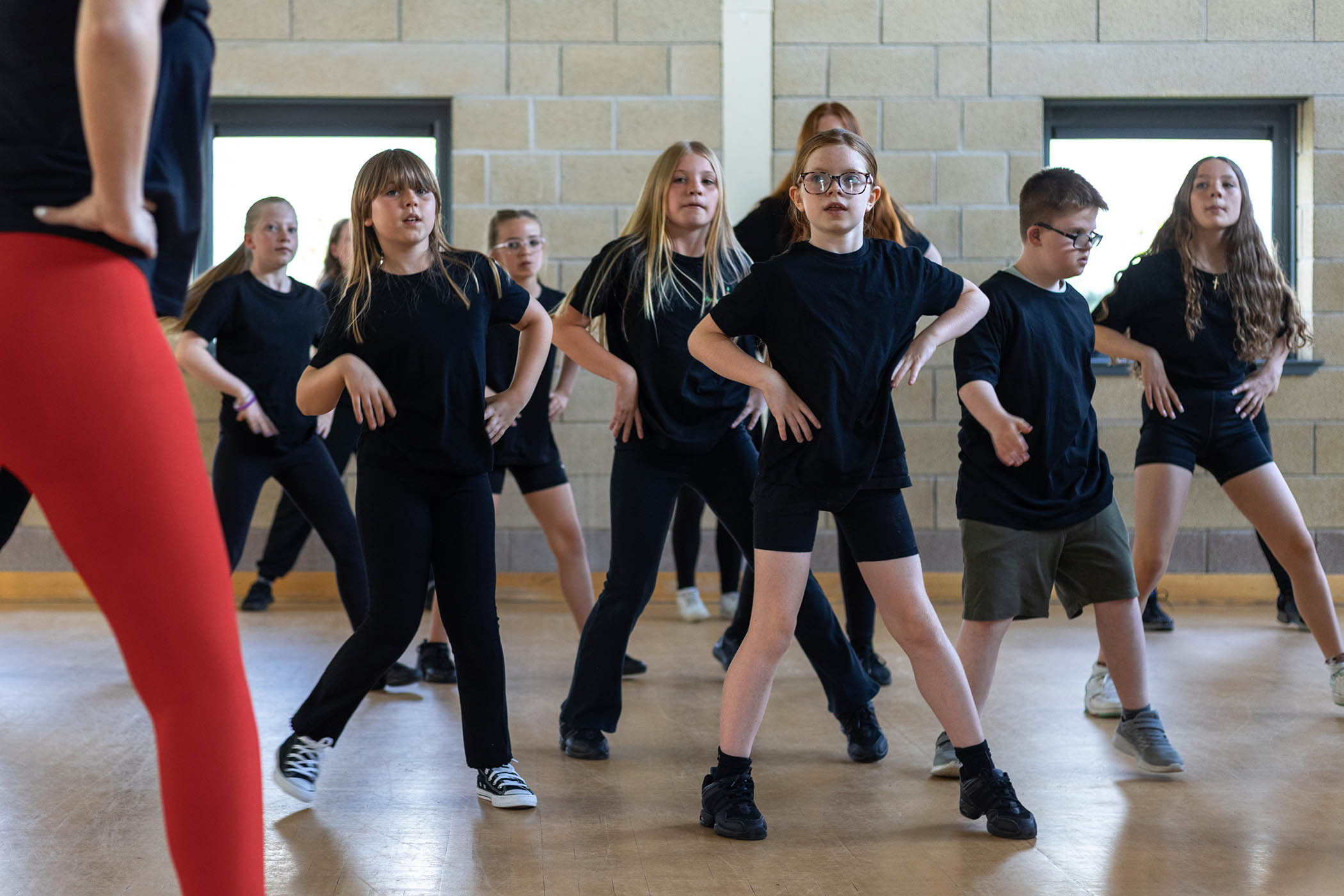
The natural curiosity of young people can be exploited by algorithmically curated feedback loops or, worse still, social media’s dangerous design can lead them into dark places. But a social media ban that doesn’t invest in offline alternatives for young people will only leave them in the lurch and vulnerable. This is a point I stressed to the prime minister when I was invited to Number 10 in May for the last day of the social media consultation. We must rebuild the alternatives that public funding cuts have decimated over the past 16 years. That’s why I’m pleased to see that, alongside the ban, the government has pledged £132.5m to fund activities offline in our communities, responding directly to a survey of 14,000 young people who say they want safe spaces, trusted adults and access to enriching activities.
It’s evident that political leaders are at last recognising that community and connection offline is a right that every young person deserves. Earlier this year, the mayor of london pledged to invest £30m into Youth Lates, an initiative to get a youth club open late in every London borough.
This political moment is an opportunity not just to reclaim childhood from big tech billionaires, but to invest into the next generation in a way that mine were not. Alan Milburn’s landmark report last month made clear the scale of political failure that 16-24 year olds in the UK have faced — with almost 1 million young people in the UK not in education, employment or training.
The next few months will help determine the future for young people in Britain. Whether they have the opportunity to thrive will depend on a genuine commitment to not only invest in youth centres and third spaces, but also on whether our prime minister will finally have the political courage to stand up to the handful of tech billionaires who’ve been treated with impunity for too long.
Newsletters
Choose the newsletters you want to receive
View more
For information about how The Observer protects your data, read our Privacy Policy
Adele Walton’s book, Logging Off: The Human Cost of Our Digital World, is published by Orion (£20). Order a copy from The Observer Shop
Photograph by Getty Images