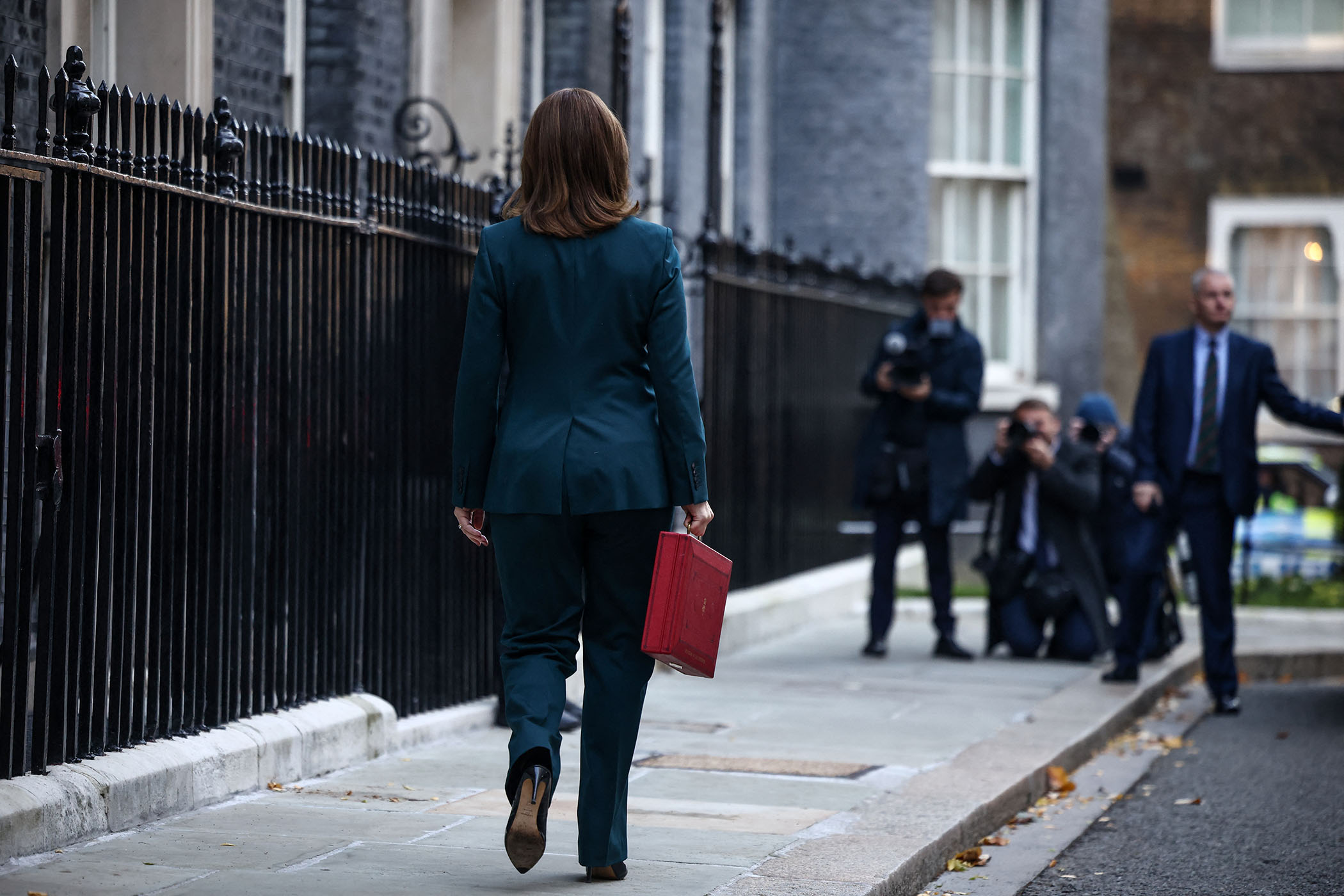



Rachel Reeves has been chancellor of the exchequer for a little over two years; next week she’s all-but-certain to be replaced. How will economists judge her tenure? I’ve asked around. What follows is far from scientific, but it does give a flavour.
She received plenty of praise for her decision to prioritise public investment, the payoffs for which will only come in the longer term, and for her technical changes to the fiscal rules which facilitated it without tanking market confidence.
Choosing to make planning policy a central plank of her economic growth strategy, rather than a niche housing issue, also gained her plaudits among the economists I spoke to.
Reeves was praised for her policy on nuclear energy, her removal of the two-child limit in the benefit system, and for having got the ball rolling on fiscal devolution (something which Andy Burnham’s government may ultimately take credit for). She resisted the pressure to announce an expensive energy support package following the invasion of Iran – a decision which has aged well.
It wasn’t all positive, of course. The increase to employer national insurance at the 2024 budget was frequently cited as her biggest mistake, due to its impact on inflation and business hiring. Others criticised her decision to leave herself so little “headroom” against her borrowing rule, leading to relentless and damaging speculation about possible tax increases in the run-up to each budget. The absence of growth-enhancing tax reform also came under repeated fire.
Perhaps the worst decisions made by Reeves predated her time at No 11. The decision to sign up to Jeremy Hunt’s pre-election cuts to national insurance, followed by a manifesto commitment not to raise any of the big taxes, boxed her in and paved the way for everything which followed.
She leaves a decidedly mixed inheritance for her successor. On the one hand, the economy is growing faster than it is for our major European neighbours, there are some tentative signs of a productivity rebound, government borrowing is coming down, and future governments may reap the benefits of her decisions on planning, investment and AI.
On the other hand, after splurging in the short term, she backloaded the economic and fiscal pain to the end of the parliament. She leaves behind billions of unfunded spending commitments, plans which imply big cuts to public services outside of the NHS and defence, and plenty of tax rises still to come. Those will be someone else’s problem.
Reeves was chancellor at a difficult time, and many of her economic instincts were good. But many of the challenges she faced were obvious ahead of time and she steadfastly refused to reckon with that reality. She tied her hands, and then proved unable to wriggle free or to put Labour’s large majority to use in pursuit of dial-moving economic reform. Overall, she leaves things better than she found them. But the country hoped for – and needed – more than that.
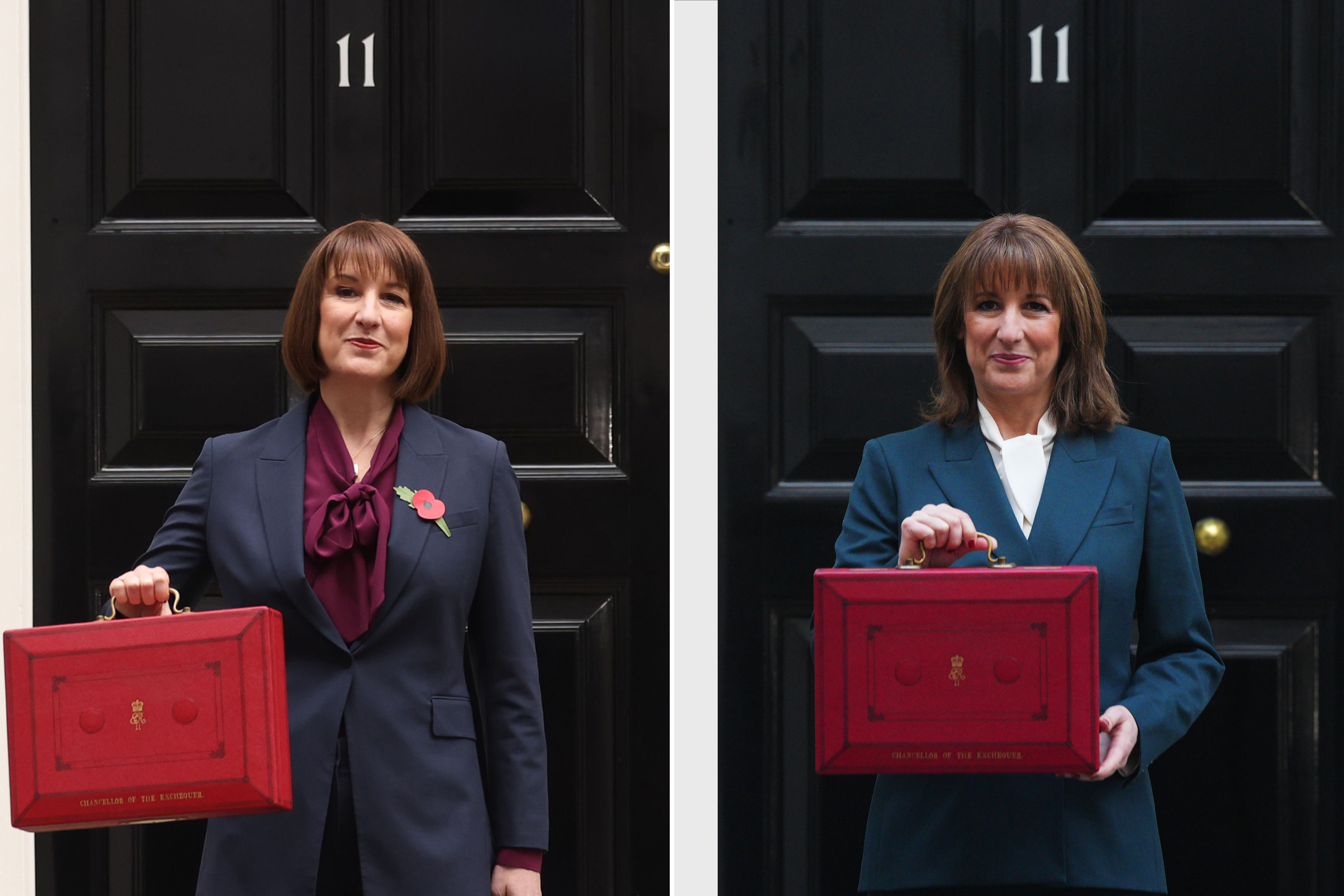
Rachel Reeves in 2024, left, and 2025
How would you sum up Rachel Reeves’s chancellorship?
Newsletters
Choose the newsletters you want to receive
View more
For information about how The Observer protects your data, read our Privacy Policy
“My guess is that historians will see her as a competent but ultimately constrained chancellor: someone who understood many of Britain’s structural economic problems but whose political choices, especially before the election, limited her ability to tackle them.” Professor David Bailey, Birmingham Business School
“A chancellorship that was reactive, always firefighting, and trapped by unwise manifesto tax pledges.” David Aikman, director, National Institute of Economic and Social Research (NIESR)
“Rachel Reeves took big steps to improve the public finances and boost growth, but the straitjacket of the manifesto and the desire to boost public services – especially the NHS, which received £9 in every £10 of new money in her spending review – meant damaging tax rises were the only option.” Ruth Curtice, chief executive, Resolution Foundation
“Disproportionate criticism for the policy mistakes she made; failed to be forcefully backed by her prime minister on welfare reform.” Simon French, chief economist and head of research at investment bank Panmure Liberum
“She did her best in a highly challenging role and difficult circumstances, and some of her policies will benefit the UK in the long term; unfortunately, the short-term nature of British policymaking means she is unlikely to receive due credit.” Professor Jun Du, Aston Business School
“A chancellor who spent her political and intellectual energy managing short-term fiscal forecasts, at the expense of genuine reforms that would have raised productivity.” Tera Allas, honorary professor, The Productivity Institute
“Britain’s first female chancellor, whose attempts to restore fiscal credibility and increase investment were overshadowed by the winter fuel decision, higher employer taxes and persistently weak growth.” Professor Mairi Spowage, University of Strathclyde
“She correctly identified stability and credibility as preconditions for growth, but a government can be responsible and still be too cautious; indeed, in present circumstances, excessive caution is itself irresponsible if it prevents the investment and reform without which productivity, and hence fiscal sustainability, will not improve.” Professor Jonathan Portes, King’s College London
“While she deserves credit for restoring stability and credibility, the government remained overly optimistic about its ability to generate growth and too reluctant to confront the deeper structural challenges facing the UK economy.” Modupe Adegbembo, economist at investment bank Jefferies
“Disappointing, with not enough focus on lifting potential growth.” Michael Saunders, senior adviser at economic advisory firm Oxford Economics
“She made decent choices in an unforgiving fiscal environment.” Carsten Jung, associate director, Institute for Public Policy Research
“From the winter fuel allowance to inheritance tax reliefs, Reeves made a series of political misjudgments that left her devoid of political capital to make the reforms necessary to grow the economy and repair the public finances.” Sam Dumitriu, head of policy at pro-growth campaign group Britain Remade
Photograph by Henry Nicholls/AFP, Dan Kitwood, Carl Court via Getty Images