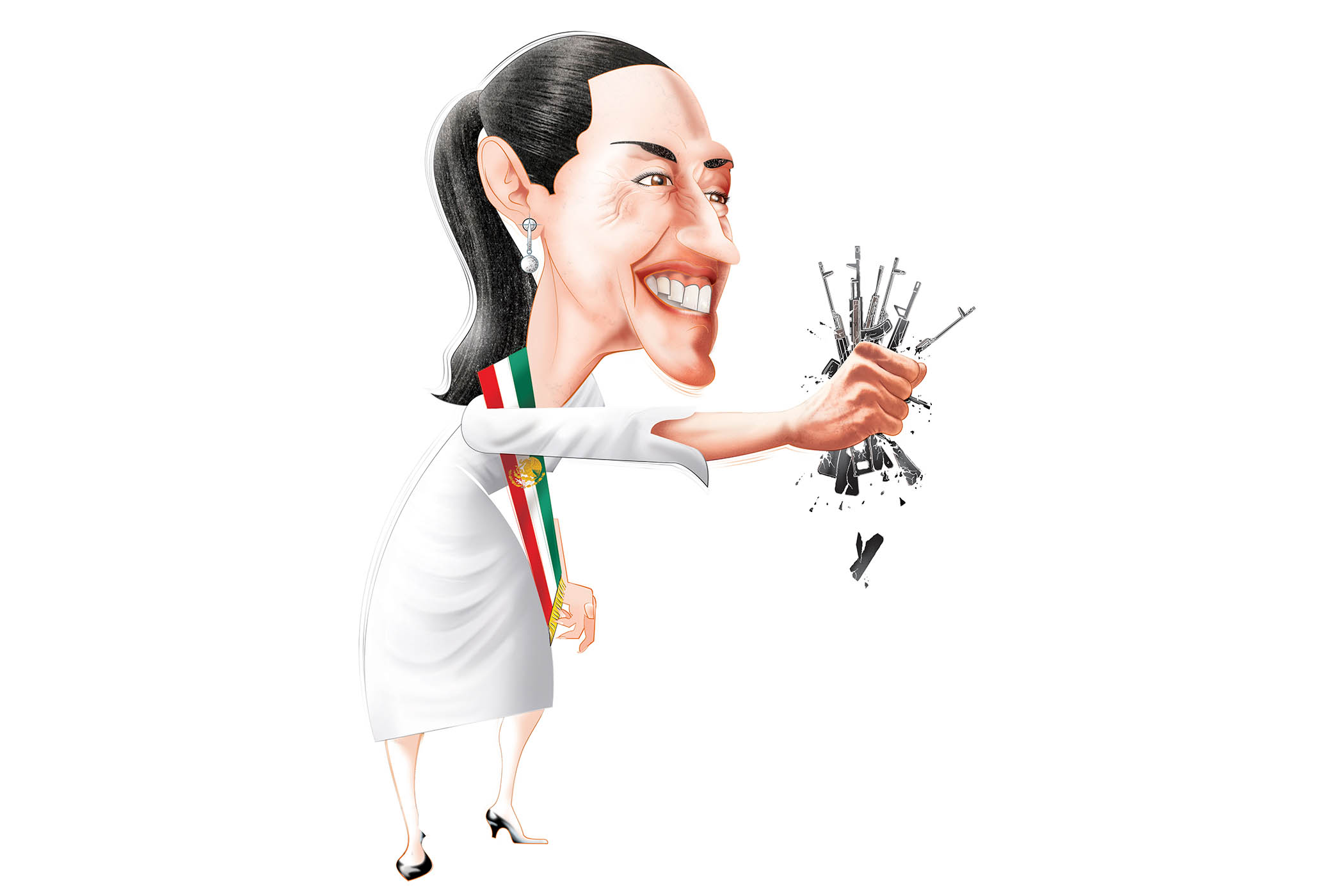
It’s often noted that Claudia Sheinbaum is the first woman and first Jewish president of Mexico. But that understates her novelty. She is also the first female and first Jewish leader to be elected in North America, and as such she represents a continental shift in gender and ethnic political profile.
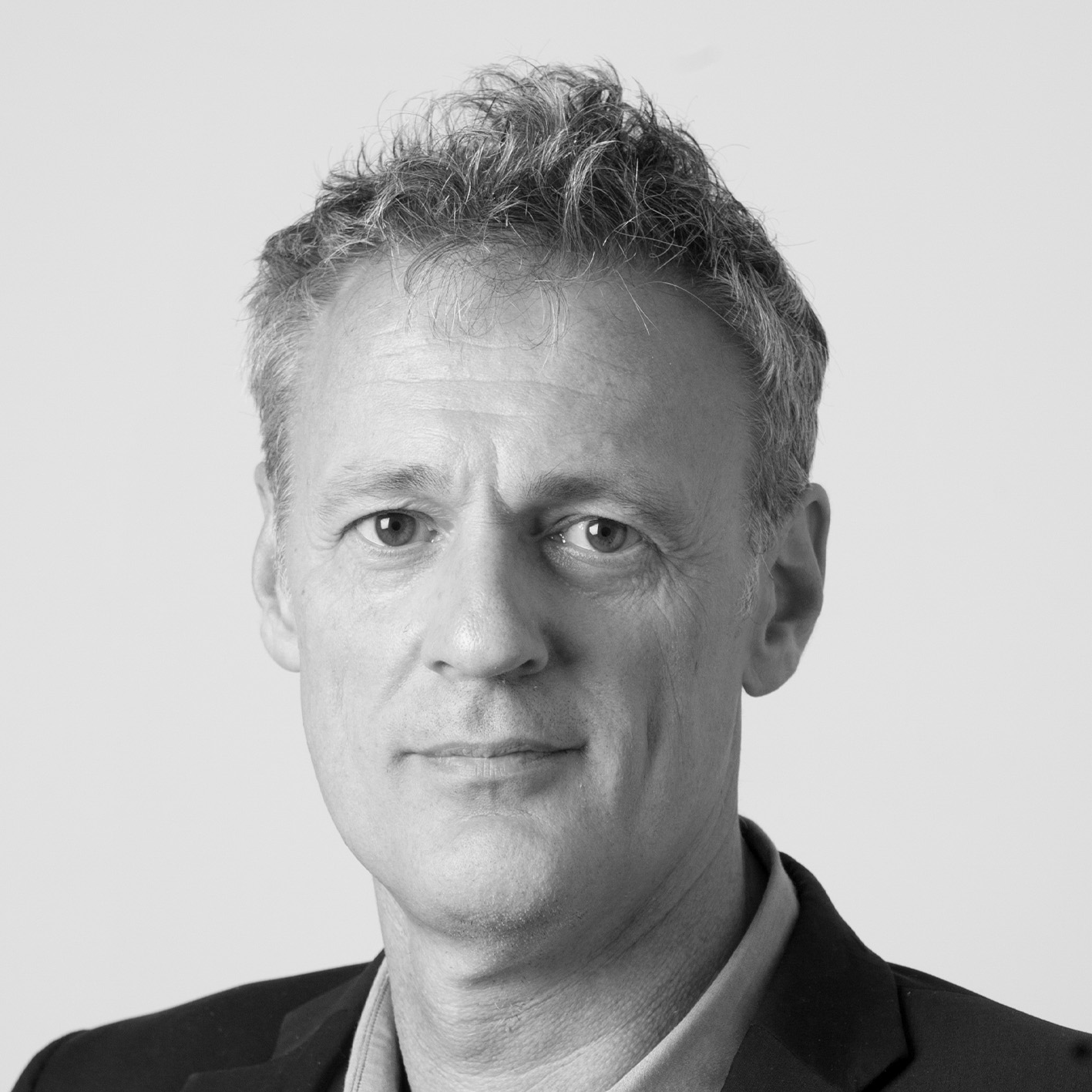
As groundbreaking, however, as her personal identity may be, it’s not something she spends much time promoting. According to Alex González Ormerod, founder of the Mexico Political Economist, “She is completely focused on the economy and inequality, rather than identity politics or culture wars.”
Which is probably just as well when it comes to dealing with her nation’s longstanding adversarial ally to the north.
“Poor Mexico, so far from God, so close to the US,” is the saying attributed to Porfirio Diaz, who ruled the country from 1884 to 1911 – and there’s seldom been a day since that those words haven’t resonated.
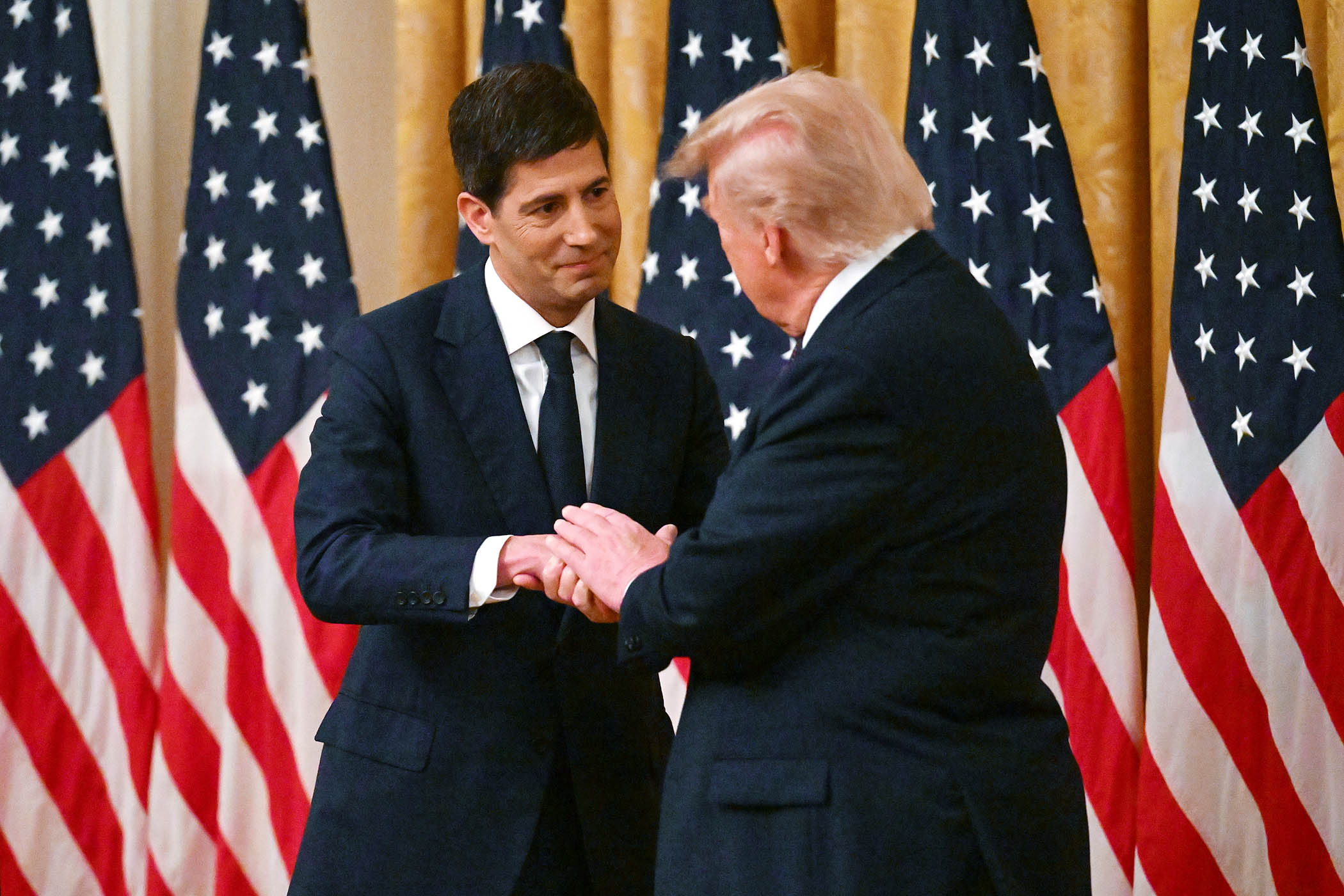
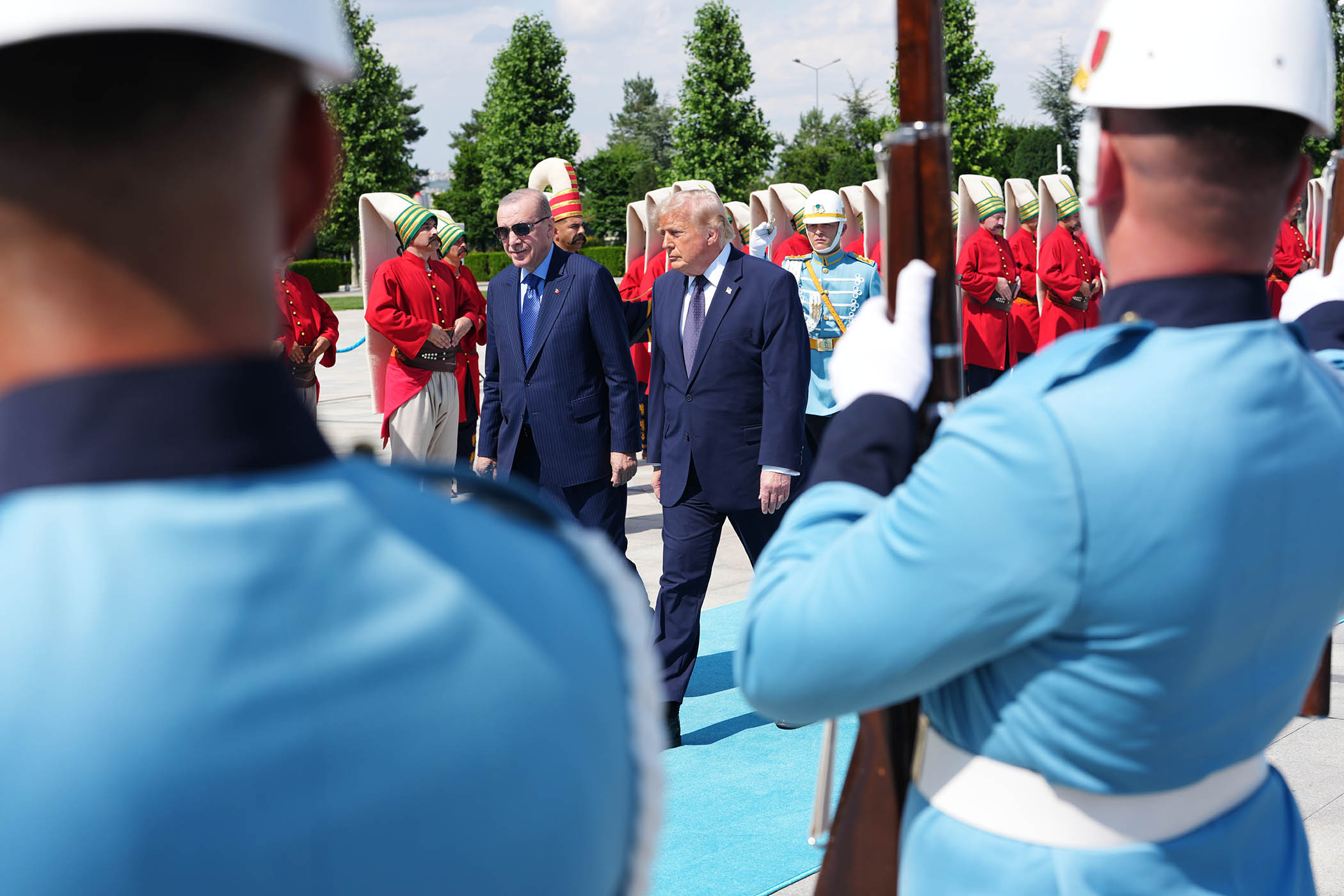
When Donald Trump was inaugurated as president for the second time, nearly four months into Sheinbaum’s own presidency, he declared war on Mexico’s drug cartels, designating a number of them terrorist organisations.
“What Trump is doing is fairly traditional US foreign policy,” says historian Edward Shawcross. “It’s essentially externalising a domestic problem [of narcotic consumption]. It makes it extraordinarily difficult for a Mexican president.”
Most assessments judge Sheinbaum adept at deflecting Trump’s rhetorical assaults. If his aggressive stance, combined with threats of huge tariff hikes, has shaped her policy on the cartels, in truth it was already up and running before he returned to the White House. The thinktank México Evalúa found that in her first 100 days Sheinbaum’s forces carried out more than five times as many drug raids as her predecessor over a comparable period. Drug seizures rose from 33kg to 665,000kg and arrests from 31 to 7,720.
The most consequential raid of her presidency came last Sunday, when Nemesio Oseguera Cervantes, known as “El Mencho”, head of the Jalisco New Generation cartel, was killed by the Mexican military. In the past week more than 60 people have died in the ensuing bloodletting, including at least 25 members of the national guard, and tensions have increased nationwide.
Previous administrations have targeted cartel bosses, but leaders have often taken a pragmatic, or wary, approach to criminal enterprises whose wealth and firepower seep into every layer of national life, including political parties.
Sheinbaum’s predecessor and mentor, Andrés Manuel López Obrador (or Amlo) founded the ruling Morena (National Regeneration party). A charismatic populist, he tried to contain cartel violence by allowing criminal monopolies to take shape. His abrazos, no balazos (“hugs, not bullets”) strategy culminated in the notorious image of him shaking the hand of El Chapo’s mother.
Newsletters
Choose the newsletters you want to receive
View more
For information about how The Observer protects your data, read our Privacy Policy
Sheinbaum does not go in for such stunts. Her reputation is that of a restrained, calculating technocrat. Her messaging is more subtle: she wears chic skirts with embroidered shirts featuring indigenous motifs. The elegant 63-year-old, whom the New York Times named last year as one of the most stylish people of 2025, will require all her cool to manage the aftermath of El Mencho’s killing.
González Ormerod contrasts her restraint with Trump’s boast, in his State of the Union address, about “taking down one of the most sinister cartel kingpins of all”. “In Mexico, we know that the gung-ho approach doesn’t work,” says González Ormerod.
Her reputation is that of a restrained, calculating technocrat. Her messaging is more subtle
Her reputation is that of a restrained, calculating technocrat. Her messaging is more subtle
In treading a careful path between cartel confrontation and pressure from Washington, she can draw formidable popular support. Unlike any other democratic leader in the Americas, and arguably worldwide, she has maintained extremely high approval ratings, between 70% and 80%, beyond her first year in office. “Along with Lopez Obrador, she is by far the most popular president in recent Mexican history,” says González Ormerod.
The grandson of the general who commanded troops at Tlatelolco is Omar García Harfuch, Sheinbaum’s security secretary, who survived an assassination attempt six years ago. His father, says Smith, “was head of the agency that signed the original pact with the cartels in the late 1970s, and his half-brother was a quite famous drug dealer”. Rumours persist, Smith adds, of links to the Sinaloa cartel. “He’s the person that protects Sheinbaum from the nasty bit of security,” he says.
Observers cite several reasons for this success. First, is the lingering “Morena effect”: the appeal of a relatively new party that broke the stranglehold of the Institutional Revolutionary Party (PRI), which had governed for many years. She has also maintained a clean anti-corruption image – no small feat in Mexican politics, especially given that her former husband, the academic and politician Carlos Ímaz, was filmed apparently accepting 350,000 pesos in bribes from a businessman in 2004. He was sentenced to three and half years in prison but later acquitted on appeal. There has been some economic uplift, too, particularly among formal-sector workers, for which Morena has proposed a long-overdue 40-hour working week.
“The worthy poor, or the lower middle class, have done pretty well out of both Amlo and Sheinbaum,” says Benjamin Smith, professor of Latin American History at the University of Warwick and an expert on the narcotics trade. It is in crime and security, however, that the biggest claims have been made. Government figures suggest the homicide rate has fallen by up to 42% since she took office, leaving a current annual rate of 17.5 murders per 100,000 inhabitants (still 17 times higher than the UK’s). Smith is a little sceptical about the numbers. “They stuck lots of homicide mortalities into categories like suicide and accidental death,” he says, noting that Sheinbaum oversaw a similar manipulation of homicide figures when she was mayor of Mexico City, from late 2018 to the summer of 2023.
Sheinbaum grew up in Mexico City, the second child of a chemist, whose father emigrated from Lithuania, and a biologist whose parents fled Bulgaria at the start of the second world war. Both were active on the radical left and took part in protests and student uprisings. Sheinbaum too became involved in student politics before becoming the first woman at her university to complete a PhD in energy engineering.
She likes to describe herself as a child of el sesenta y ocho – 1968. She was six that year, one of revolt and repression, culminating in the Tlatelolco massacre, when up to 300 protesting students were shot dead by the military days before the Mexico City Olympics.
The dark side of Mexico’s modern story is the “desaparecidos”: more than 100,000 Mexicans who have disappeared since 2006, victims of the cartels and, many suspect, some arms of the military. Politicians, including Sheinbaum, have long spoken about initiatives to address Mexico’s growing list of the missing, but with limited progress.
Smith sees little change. “It’s a complete no-go area,” he says. “They still have no figures on the disappeared, no unifying database of DNA.” One reason for the inertia, he suggests, “is that some of those unmarked graves will have military bullets in them”.
Smith calls Sheinbaum, “the last shining beacon of leftwing politics” but argues she has also neglected another overlooked constituency of the hundreds of thousands of migrants, mostly from Central America and Venezuela, detained while moving through Mexico towards the US border. “The military controls these migrant detention centres and they are completely opaque,” he says. “No human rights people are allowed in.”
Neither the disappeared nor the migrants are likely to dent Sheinbaum’s popularity. She will be judged by how she navigates the Scylla and Charybdis of Trump and the cartels. She is unlikely to defeat either. But surviving them will be a kind of victory.
Claudia Sheinbaum Pardo
Born Mexico City
Alma mater National Autonomous University of Mexico
Work President of Mexico
Family married, two children
Illustration by Andy Bunday