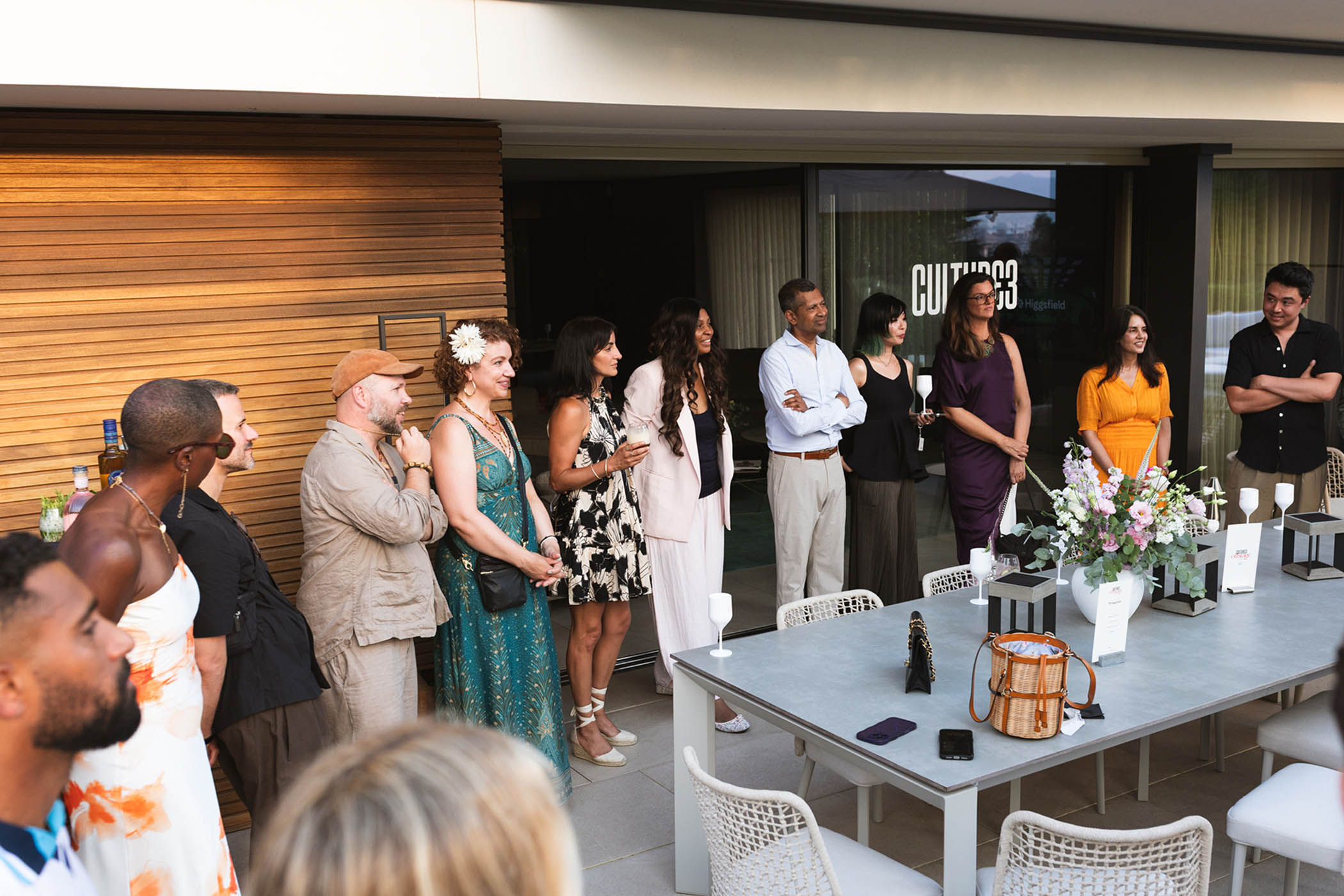

Cannes Lions is the advertising and marketing industry’s largest annual gathering. For five days, Culture3 Offstage gathers global brands, innovators and creative leaders around the table to host the conversations shaping the future of creativity.
By Tuesday evening, Cannes Lions festival has fallen into a familiar rhythm of trophies and open bars. But while the Croisette fills up, the industry’s most senior marketers are making their excuses and taking taxis into the hills, bound for the week’s first Culture3 Offstage dinner.
At this distance you can see how creativity has changed throughout Cannes Lions’ history. In the 1950s, animation helped Chlorodont toothpaste lift its brand off the page and onto the big screen to claim the festival’s first Golden Lion. Over the following seven decades, the internet, smartphones and social media would redefine what marketers considered creative, whether that was wrapping up the most listened-to songs or funding films “Shot on iPhone”.
Each new technology has pushed the boundaries of what we are willing to call creative. Tonight, Higgsfield sponsored the week’s first Culture3 Offstage dinner to explore The Culture of Creativity, examining how AI is changing both the creative process and the way audiences respond to the output.
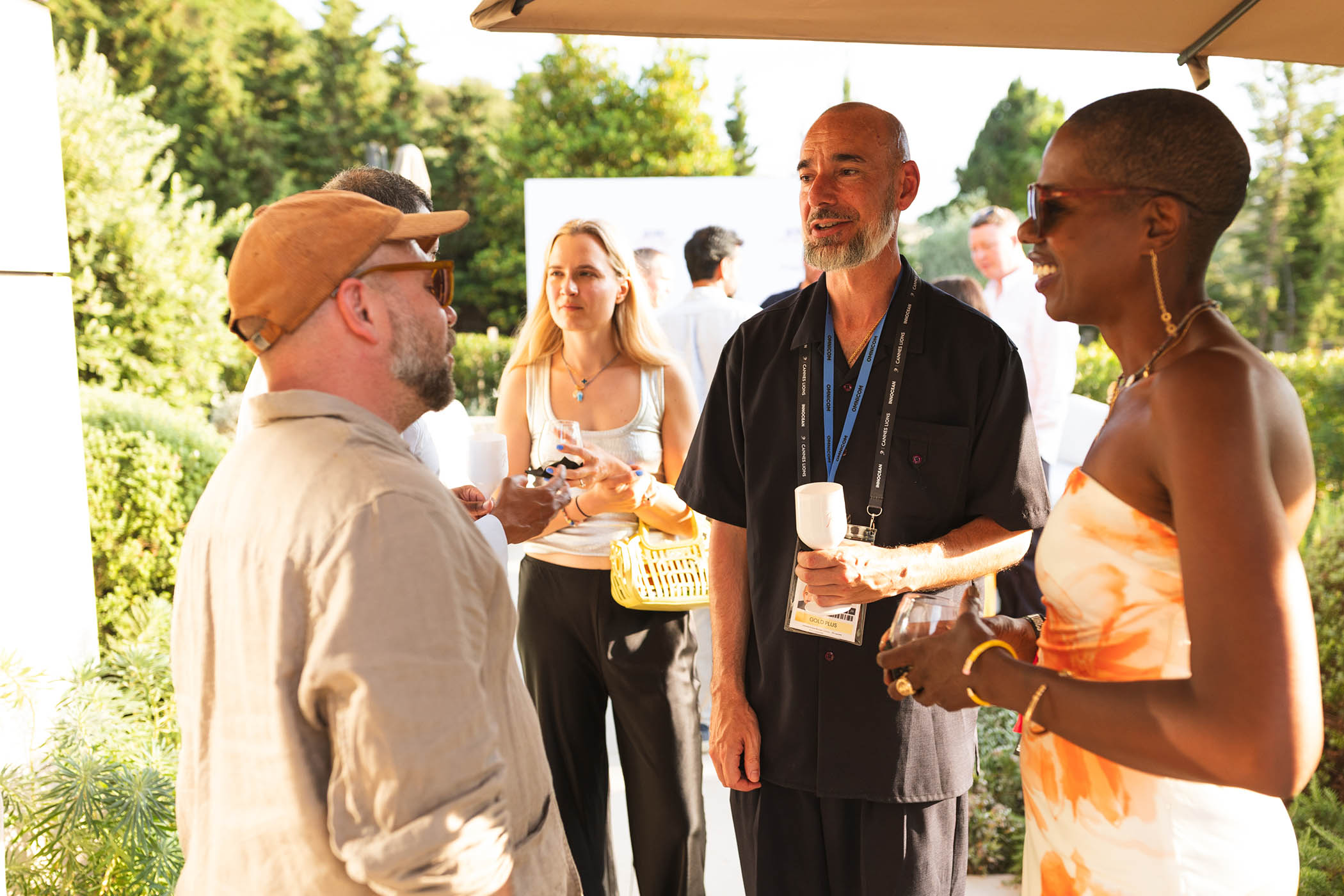
Culture3 Offstage, powered by the Department of Trade, brings business and creative leaders together to speak openly about culture shifts
As glasses are refilled, TED speaker and tonight’s master of ceremonies AC Coppens starts the conversation. “The question for us isn’t whether generative work lives up to a certain quality standard,” they tell the guests. “It’s whether you’re ready to call it creative at all.”
This is not the first time the question has been raised in Cannes. In 1998 the festival gave digital work its own Cyber Lions category, separate from what die-hard print and film traditionalists saw as the real creative competition. The category was quietly retired in 2017, but a look at the most awarded campaigns of the last decade reveals that many are hardly recognisable as ads at all.
But despite the introduction of an AI Craft category this year, automated content is already reshaping creative culture beyond Cannes. Look at the World Cup, says David Sheldrick, artist and founder of AI studio SEED. “We’ve worked with Fifa to create graphics for audiences all around the world,” he tells the table. “And because AI lets you create and distribute more than 4,000 of them in just a few minutes, you can then start telling stories in different languages or with different perspectives, depending on your audience.”
“Our platform does not create, but it allows people to bring their ideas to life without a multimillion dollar budget”
“Our platform does not create, but it allows people to bring their ideas to life without a multimillion dollar budget”
Mahi de Silva, co-founder of Higgsfield
While this sparks conversation at one end of the table about how the rise of AI artists challenges the world’s cultural gatekeepers, guests at the other deviate into a conversation about how that speed and scale could reimagine classic board games. In what one guest calls “generative life”, players would have to react to scenarios that AI pulls from social feeds and news pages in real time.
Anchoring the conversation is Mahi de Silva, co-founder of Higgsfield, a generative AI platform and conversation partner of the Culture3 Offstage dinner. “This is what we mean when we say AI is a tool for human creativity,” he says. “Our platform does not create, but it allows people to bring their ideas to life without a multimillion dollar budget.”
Higgsfield demonstrated this last month with the release of Hell Grind, a 90-minute sci-fi film built entirely with its own tools. Instead of pitching for a Hollywood-sized budget, a small team in Kazakhstan spent $500,000 (£379,000) on Higgsfield’s AI tools and brought their story to life. Had it been made using real actors, props, and sets, the budget would have run into the tens of millions, which in practice means it would never have been made at all.
The problem for those round the table is where this leaves humans. “What defines human creativity?” asks Coppens, daring anyone to use the words “authenticity” or “voice”.
For agency creatives and business leaders around the table, creativity was seen as a form of problem solving: a new way to approach a client or build a product. But the artists pushed back. For them, creativity was a way to express themselves and find a form for their inner world.
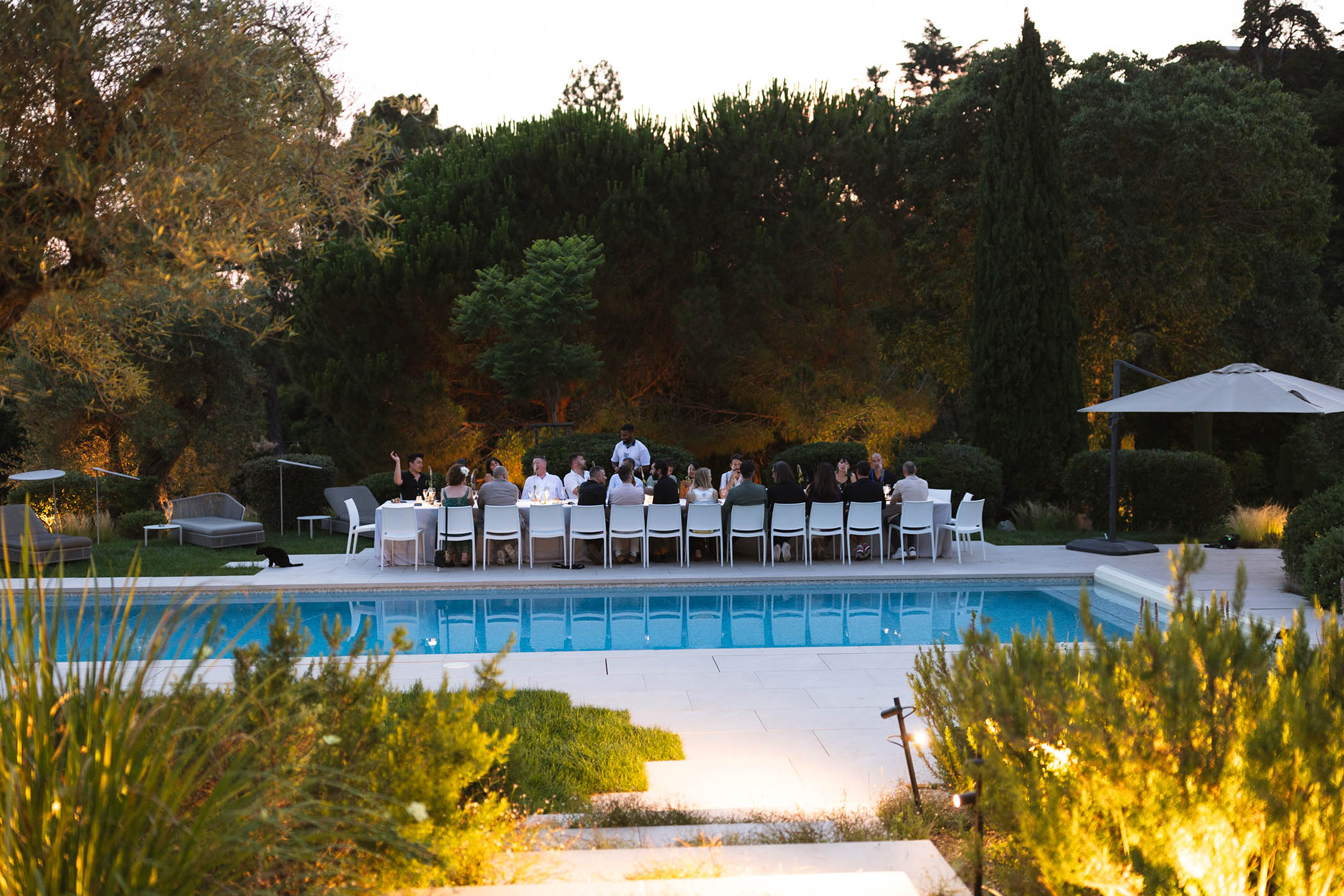
Drifting away from the conversation to speak to your Cannes reporter, one guest outlines an even simpler vision of creativity: “My grandmother never cooked a recipe straight; she’d always change the way it was cooked or seasoned to make it hers,” he says. “And that’s something I think about in my work: what makes it really mine?”
“Human creativity is in the intent,” agrees Coppens. Regardless of where technology takes us, it has always been our intent that matters, whether that is in building a brand that moves culture or hosting a dinner that captures it. At a festival where everyone’s an AI evangelist, Culture3 Offstage gave those building the tools a space to own a bigger conversation than just what’s next: What makes it matter?
That became the evening’s defining thought. AI may democratise creation, but meaning, judgment and intention remain distinctly human. As the tools evolve, the brands that matter won’t be those that simply adopt the technology but they will be the ones that define why they’re using it.
Newsletters
Choose the newsletters you want to receive
View more
For information about how The Observer protects your data, read our Privacy Policy