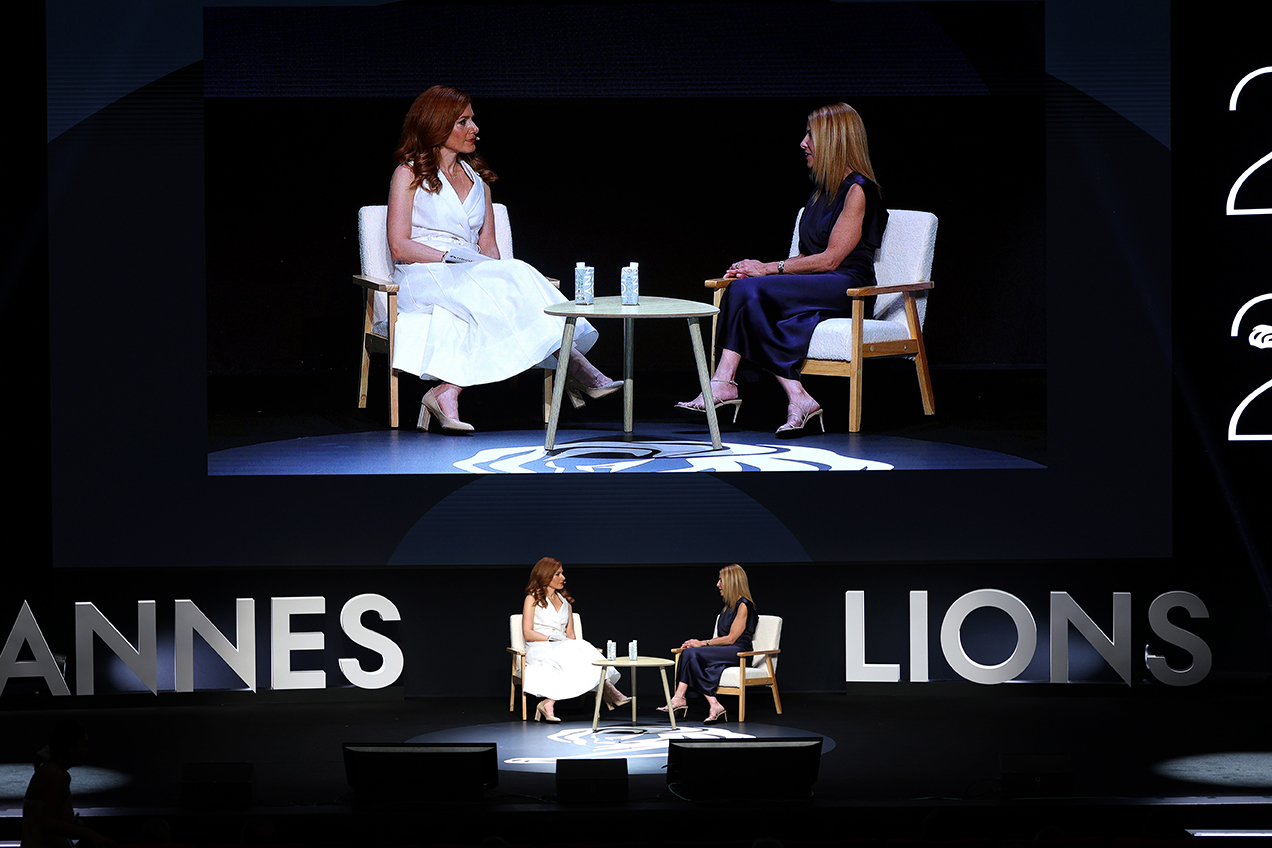
Cannes Lions is the advertising and marketing industry’s largest annual gathering. For three days, Culture3 Offstage gathers global brands, innovators and creative leaders around the table to host the conversations shaping the future of creativity.
By the end of Cannes Lions the city is swarming with AI agents, each capable of automating the marketing industry in a certain way. In the garden of the Carlton Cannes hotel, TikTok Symphony is taking briefs from astonished marketers, turning them into fully fledged video campaigns. Across the road, Meta’s Brand Memory is swallowing old creatives and spitting out new ones in the same tone and voice.
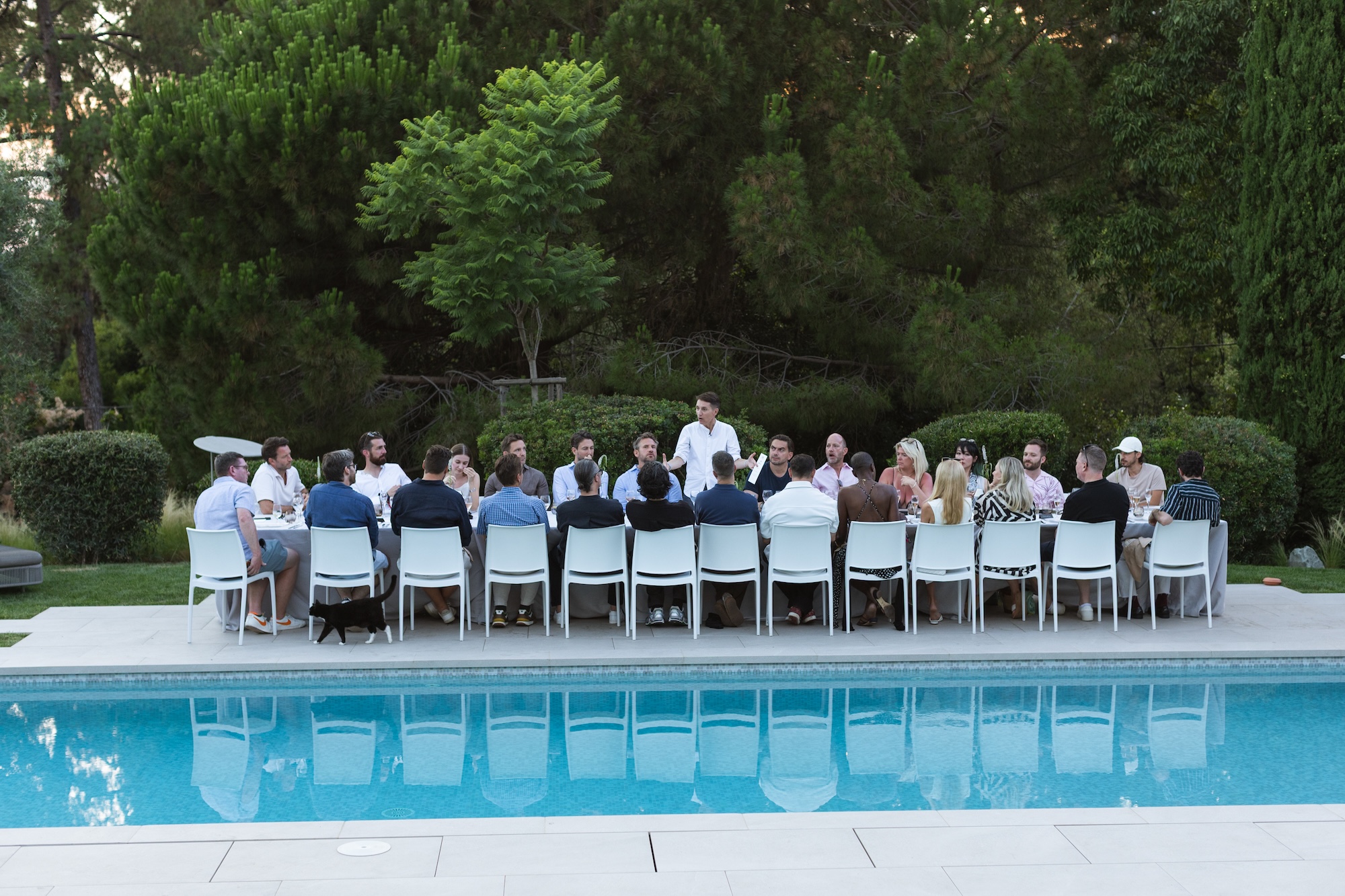
While agents throughout the city continue to work, some of the more senior humans are leaving for the week’s final Culture3 Offstage dinner, which is focused on the culture of leadership. Set in a villa high above the city, the evening is designed to move the conversation past what agents can do and on to how they should be integrated into the workforce.
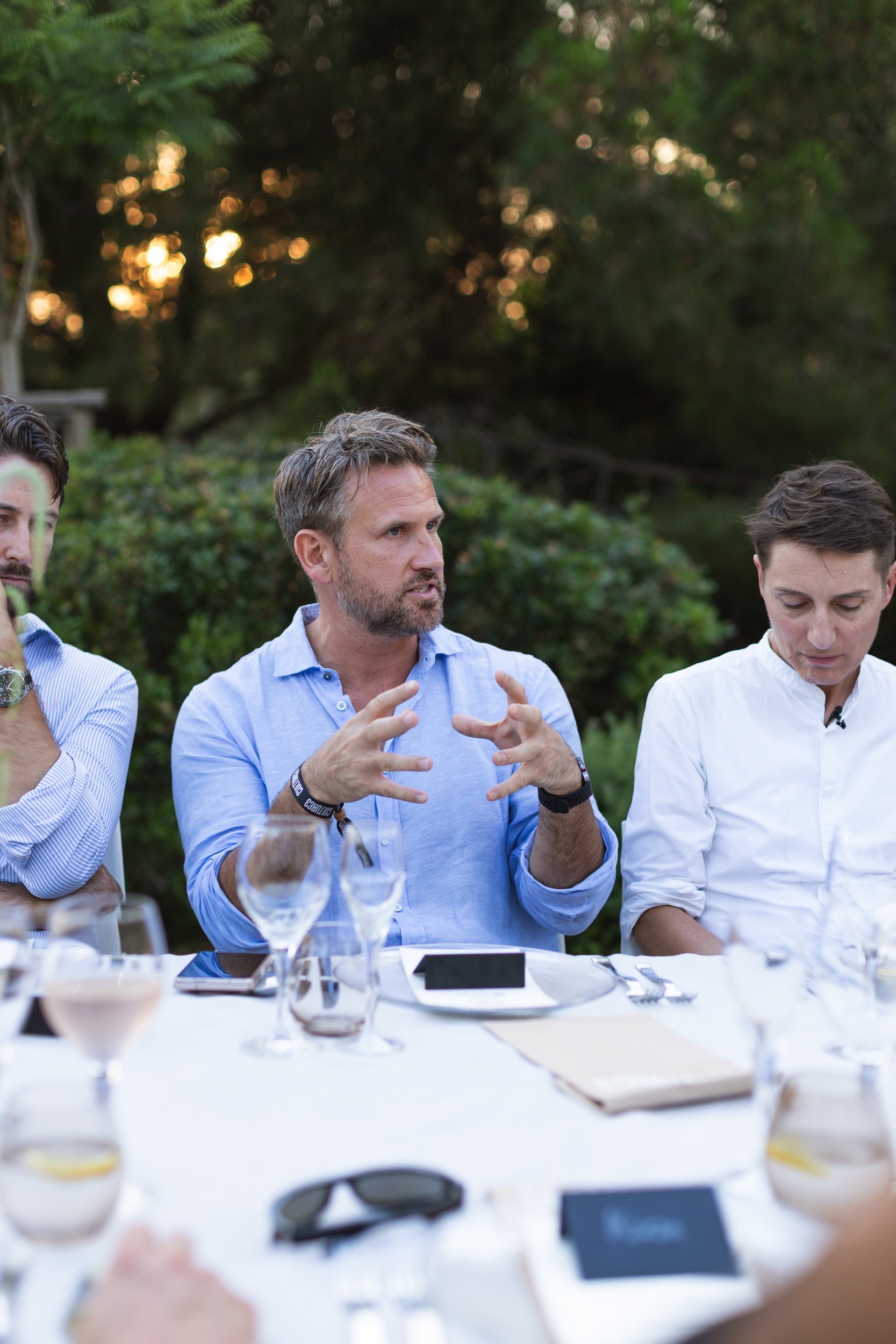
Roger Gorman, CEO of ProFinda
Meeting guests at the door is Roger Gorman, CEO of ProFinda, the evening’s sponsor. For more than a decade his company has been using AI to match people’s skills to the work that needs doing, with the resourcing platform building teams in seconds, for large knowledge based firms.
“People are trying to figure out how to effectively deploy AI agents into the flow of work,” he says as guests take their seats. “The problem is that so many still don’t yet know how to value the work done by their existing workforce, let alone an entirely new agentic workforce.”
This resonates with marketers around the table who remember when agencies would receive a fixed percentage of their client’s media spend, regardless of whether the creative work won a Cannes Lion or completely flopped. By the mid 90s the flat commission was all but gone as timesheets took over and tied pay to the time that creative work took.
“Today a frontier model could do a career’s worth of work between lunch and dinner,” Gorman tells the table, while highlighting the significant changes in speed of processing power between humans and AI. “Humans communicate at the equivalent of three tokens per second, and most advanced AI systems use tokens at 15,000 tokens per second. While that 5,000 times processing power difference is seismic, it doesn’t capture the enormous power of human creativity, and the nuanced relationships, chemistry and tacit knowledge between teams a huge opportunity for creative firms and agencies,” he says.
This raises the question of whether businesses are correctly defining the relationship between effort and value across its workforce, Roger continues.
It comes down to whether leaders truly understand where people do their best work, and fundamentally why businesses such as ProFinda are leading the way human workforces and artificial intelligence interact
It comes down to whether leaders truly understand where people do their best work, and fundamentally why businesses such as ProFinda are leading the way human workforces and artificial intelligence interact
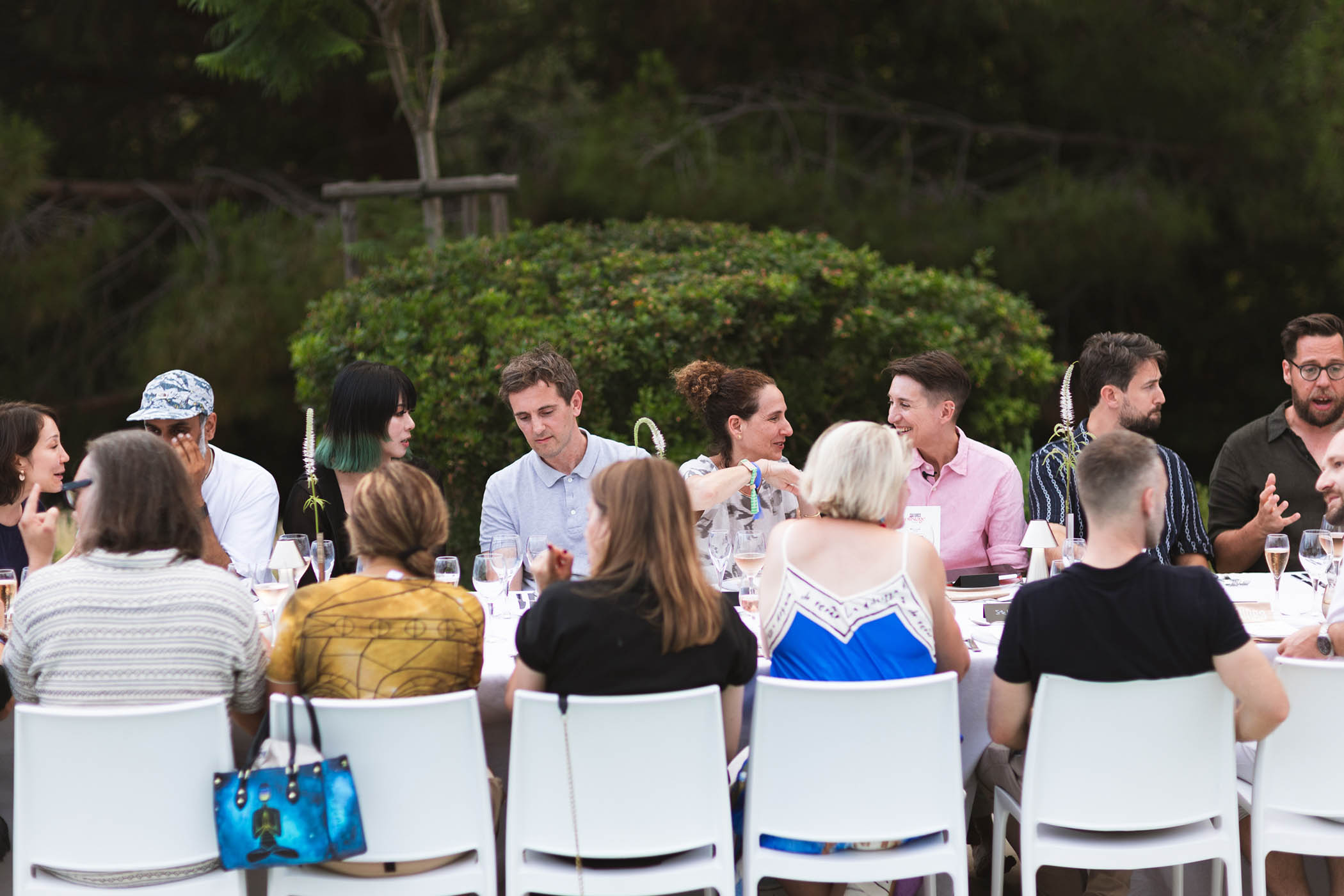
As the table breaks into pockets of conversation, guests take the question in different directions. At one end, a philosophical debate rages over whether time should be part of the equation, with Niceaunties, an artist who uses AI, pointing out that even if her work now takes less time to produce, it takes lived experience, memories and an individual perspective to develop a unique style. Meanwhile, other guests are imagining an AI-powered measure that ties value directly to a campaign’s effect on its audience, gauged from the sentiment it moves in real time.
Amidst the creativity and ideation, the company heads raise a more immediate concern. “The leader of a team of around 12 people told me they had encouraged so much use of AI that their token cost was $10,000 (£7,500) a month,” says Alex Sladen, global marketing director at PwC. “That’s $120,000 a year – so business leaders need to be considering tech costs in their resourcing decisions as much as perceived efficiency.”
This example drew a fascinating case study example from Gorman citing that when agents were integrated correctly they could produce up to four times the output of humans. According to McKinsey, consumer goods teams that handed concepting and first drafts to squads of agents compressed their content cycles to roughly a quarter of the usual time, leaving humans to review, pressure test and sharpen the brand messaging.
The calculation is familiar to anyone who has been travelling to Cannes Lions for long enough. In the late 1980s, agencies had to weigh up whether to employ full-time typesetters or bet on personal computers. Their successors would have to make the same calculation with photographers and CGI (computer-generated imagery).
Ultimately, AI will force some hard decisions, agrees the table. The question for leaders is how they introduce the technology without sacrificing the human qualities their businesses have been built on. “It is about making sure your people know you will give them time to adapt if part of their job gets automated,” says Sebastian Gray, chief executive of the Big Ideas Group.
This is the social contract that has given everyone here their place at the table: do small repetitive jobs until you’ve built up judgment that’s actually worth paying for. The problem, as Gray points out, is that this is the work that agents such as TikTok Symphony and Brand Memory are now doing.
“But perhaps there’s a better way to think about this”, says Mr Gorman. “If we can break down work into smaller groups of tasks we can offer new opportunities to more people.” A study by Deloitte found that 63% of the work people do already falls outside their formal roles. To capture this hidden value, leading global businesses are abandoning traditional job roles for advanced AI platforms such as ProFinda that can map people’s skills directly to real-time tasks, maximising the output of both human and agentic systems. “With 70% of learning coming in the flow of work,” he continues, “matching humans and agents in existing workflows is the key to ensuring human centric organisations – a win for everyone.”
By the time that dessert is served, the table has broken into further smaller groups. Each conversation has turned from where agents fit, to how to bring them in without losing the human value. For all the week’s talk of what agents can do, it is conversations like these that shift a culture in a way that only humans can.
Newsletters
Choose the newsletters you want to receive
View more
For information about how The Observer protects your data, read our Privacy Policy