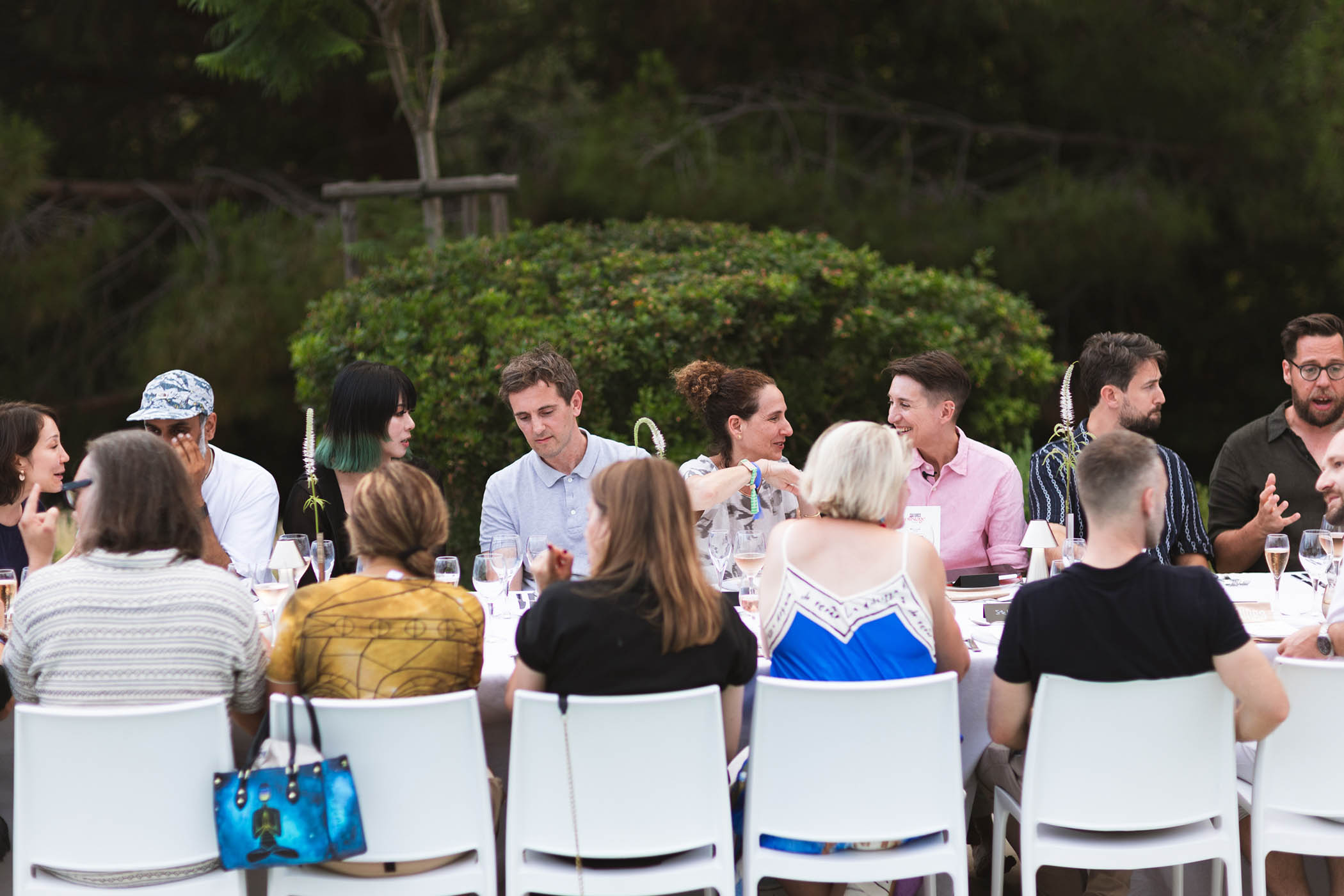

Cannes Lions is the advertising and marketing industry’s largest annual gathering. For three days, Culture3 Offstage gathers global brands, innovators and creative leaders around the table to host the conversations shaping the future of creativity.
By Wednesday evening talk of AI at Cannes Lions has become as oppressive as the heat. Every panellist and participant seems at pains to account for it, either proudly acknowledging automation’s role in their work or keeping it carefully at arm’s length.
Arguments about AI-generated content divide panels across the city. Feelings run so high that the talk rarely gets past this year’s awards, let alone how AI might differentiate the brands in five years’ time. For those who can tear themselves away, the week’s second Culture3 Offstage dinner, sponsored by the digital growth agency Found, is curated to explore the culture of AI.
“Knowing which way sentiment is turning, as it turns, lets you sharpen your messaging and build a strategy around the ideas that actually land with your audience.”
“Knowing which way sentiment is turning, as it turns, lets you sharpen your messaging and build a strategy around the ideas that actually land with your audience.”
Cameron Gunn, Chief Growth Officer of Found
“The truth is that the success of your creations are being measured totally wrong,” says Matthieu Lorrain, an AI visionary who helped bring Google’s AI video generation model Veo to life. “If your aim is to build a meaningful connection with your audience then likes and impressions don’t measure that.”
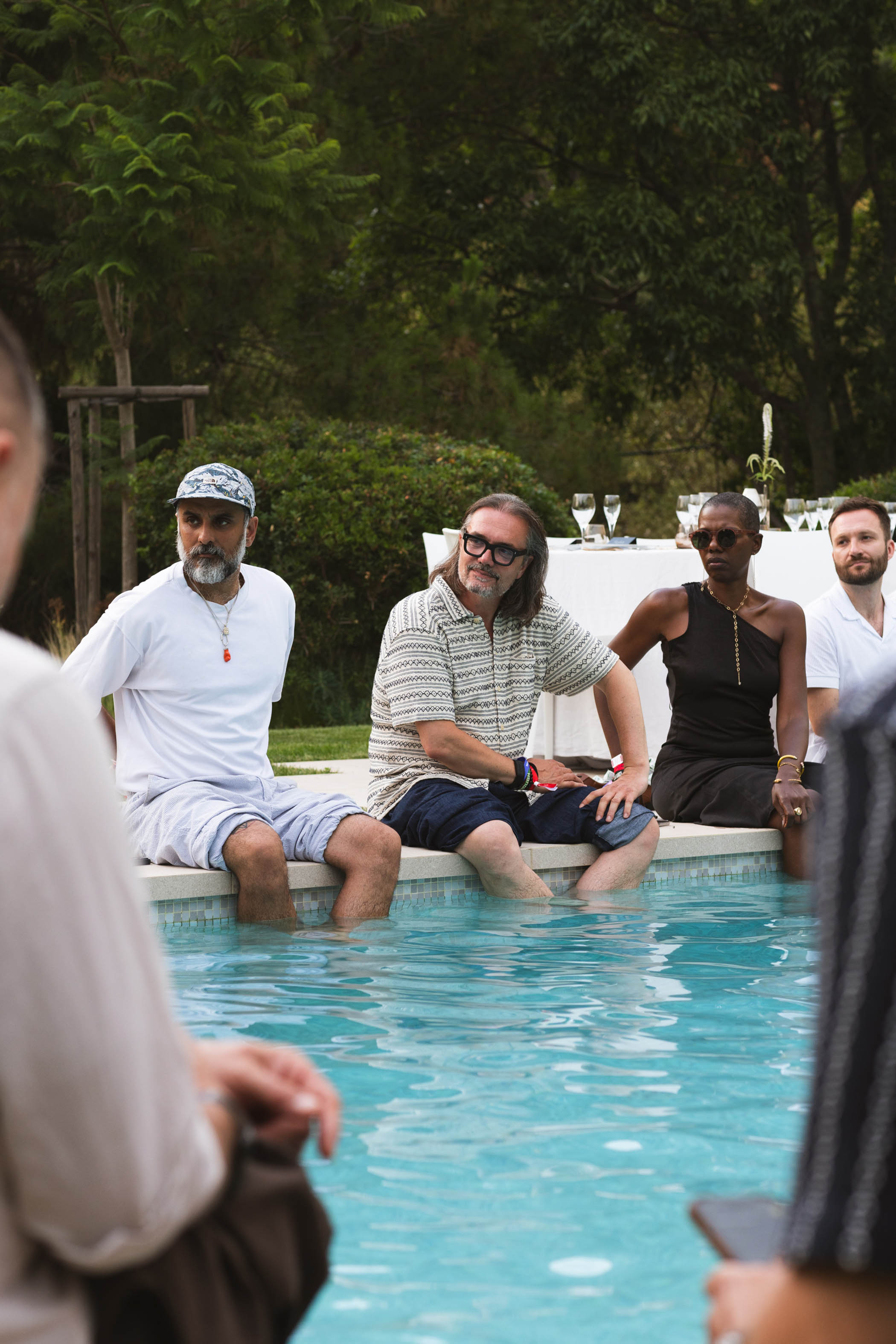
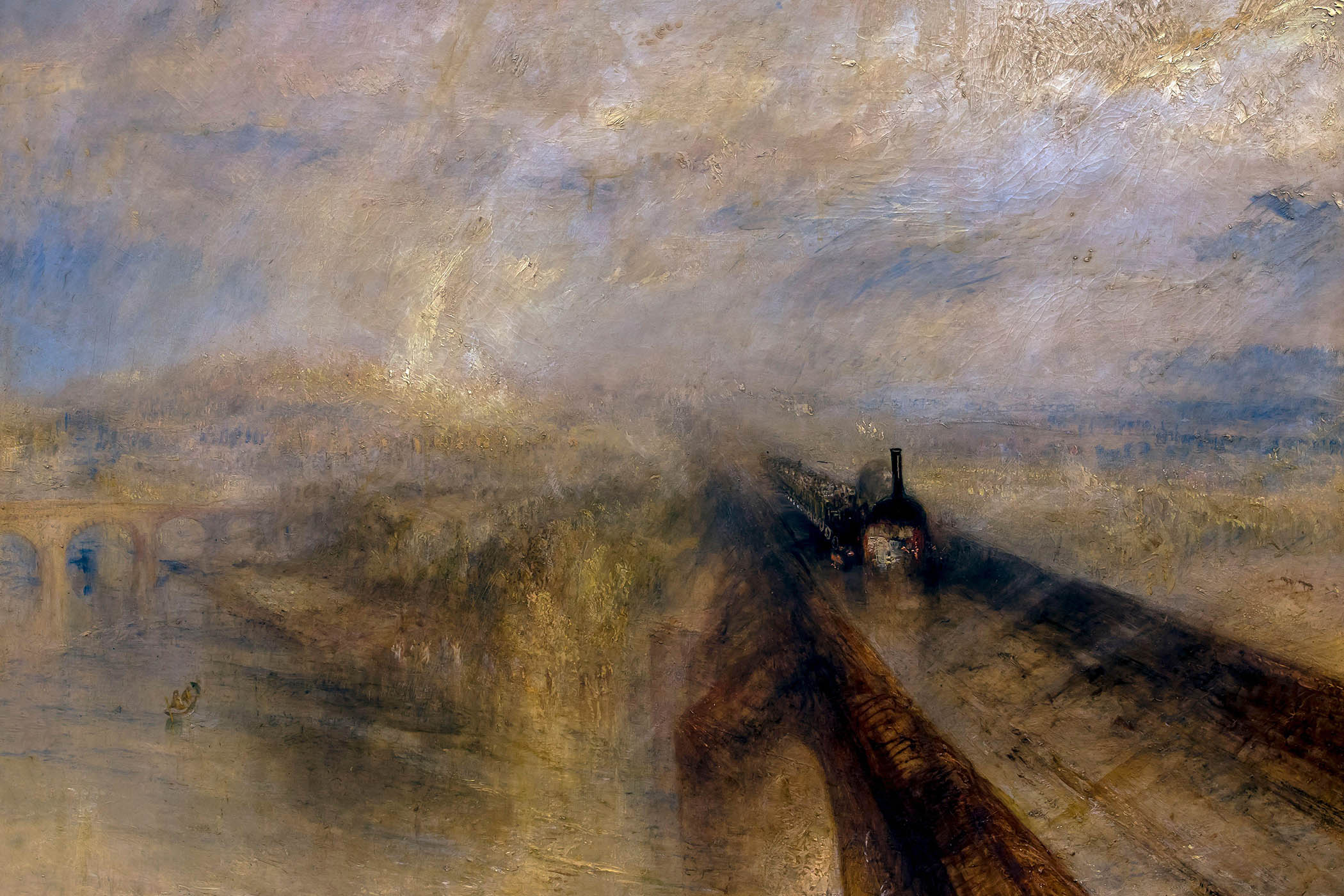
Lorrain has reason to be sceptical. After 16 years at Google, he has watched the tools of his trade change faster than the technology used to measure them. “This is going to become a much bigger challenge as we start to see the emergence of ‘liquid content’, where stories adapt in real time for whoever is reading, watching or even existing within them.”
The gap between content and how we measure it has not opened this week. When Cannes Lions began in 1954, entrants were judged by a handful of advertisers without any recourse to the wider world. No one stopped to ask how the campaigns were making audiences feel until 2011 when the festival introduced the Creative Effectiveness award, which judged entrants on how they drove sales and changed people’s perceptions.
For Cameron Gunn, Chief Growth Officer of Found, the evening’s conversation partner, technology is closing that gap. “AI can read how a campaign is moving while it’s still running rather than weeks later in a sales report,” he says. “Knowing which way sentiment is turning, as it turns, lets you sharpen your messaging and build a strategy around the ideas that actually land with your audience.”
It’s a pitch grounded in Found’s own experience. The agency made its name reading the signals audiences leave in the open, mining social conversation and search behaviour for sentiment that already exists rather than commissioning it. That process is built into Found’s approach to working with brands, where search, social, and the LLMs all play a role in connecting a brand with their audience.
As an introduction, this goes a long way to answering the first question of the evening: If everyone can make everything, how can a brand differentiate itself?
But as pockets of conversation break out across the table new perspectives begin to emerge. “You can only differentiate yourself if you’re absolutely clear on what your brand’s purpose is,” says one guest. “It doesn’t matter what it is – keeping the high street alive, helping people to sleep better – if you aren’t clear on why you exist you’re not going to find your audience and tell the stories that they want to hear.”
“But plenty of brands found their story long before they could name their purpose,” another guest shoots back. “Nike didn’t come up with ‘Just Do It’ until they were about 15 years old.”
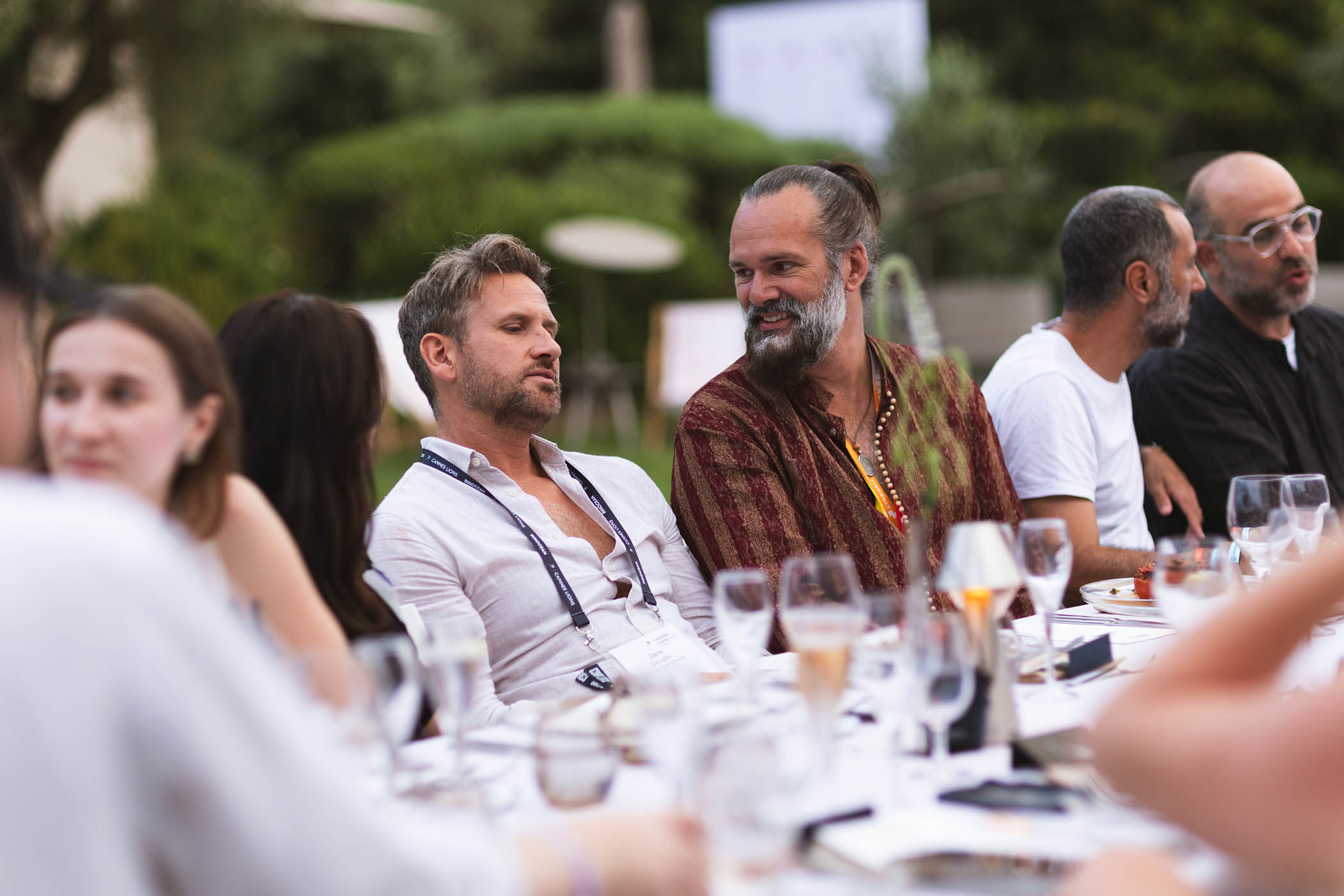
As the debate evolves, the conversation veers towards the final question of the evening: Can you actually create a business out of something that’s designed for resonance rather than reach?
“If the history of advertising has taught us anything it’s that the things worth making have always been the hardest to count,” says Lorrain. This has certainly been true of Cannes Lions. The festival’s main award, the Titanium Lion, was created in 2003 because judges were blown away by a BMW film series but didn’t know how to quantify its impact.
The Observer’s head of studio, Nico Sarti, points out the fact that we’re still talking about it 23 years later, which may suggest the least quantifiable campaigns are perhaps the ones which resonate most with audiences. “If AI can give us new ways to measure what moves people, then perhaps resonance is something creativity can start to engineer.”
These are the kind of exchanges that the main stage rarely makes room for. Down on the Croisette, the conversation bounces from campaign to campaign, focusing on reach and engagement. At Culture3 Offstage, the focus is resonance. Rather than talking to an audience from a stage, the night has brought people together around a table to share food and ideas. And it is the slow, considered conversation, more than anything at Cannes Lions, that resonates with the guests.
Newsletters
Choose the newsletters you want to receive
View more
For information about how The Observer protects your data, read our Privacy Policy