
Let’s talk about people talking about football. As Goalhanger co-founder Tony Pastor put it on Thursday, “football’s already eaten almost every sport worldwide”, and football podcasts are gradually eating every other form of football media with it. Gary Lineker has felt no need to return to sports broadcasting after leaving Match of the Day, despite Jamie Carragher pointing out he had never met someone who listens to Lineker’s The Rest is Football podcast.
Now a ubiquitous if underexplored part of fandom, sports podcasts make up somewhere between a fifth and a quarter of the podcast market, with football accounting for between 40% and 50% of that share, meaning about 10% of all podcast listens are football-related. Most football podcasts fit into one of three categories – general interest (Stick to Football, The Rest is Football, Guardian Football Weekly), niche interest (Football Cliches, Career We Go, The Sweeper) and club-specific (Leeds fans alone can pick from at least 30), hosted by either ex-players, journalists or fans.
Netflix’s deal to broadcast The Rest is Football during the World Cup is reportedly worth about £14m. After Global bought a majority stake in The Overlap, Gary Neville said his network aimed to become “a world-leading football and sports media platform”. Given it already comprises The Overlap US, Overlap Cricket and Overlap Rugby, analysis-led The Breakdown and the Fan Debate – seemingly for those who think analysis is a rare disease – it might have already got there.
Approaching this seemingly endless landscape of hot takes and ‘the thing is, mates’ can feel impenetrable, so here goes. The Overlap is for people who believe football peaked in 2003, and The Rest is Football is for their dads who aren’t quite sure if Didier Drogba is still at Chelsea. The Football Ramble is for people who think they’re hipsters and Stadio is for people who actually are. Guardian Football Weekly is for people who think they’re too smart for other football podcasts, while Libero is for people who think they’re too smart for Guardian Football Weekly. No Tippy Tappy Football is for people who think the game’s gone and Rio Ferdinand Presents is for people who help expedite its downfall. Football Cliches is for the discerning obsessive, Quickly Kevin, Will He Score for the discerning nostalgist.
The Peter Crouch Podcast is for single millennials who still call themselves “The Archbishop of Banterbury”. Undr the Cosh is for people desperate to know what it was like to be Stevenage’s left-back in 2009, while Mick McCarthy and Tony Pulis’s The Managers is for those desperate to know what it was like to manage them. No-one has quite yet worked out who The Good, The Bad and The Football (Paul Scholes, Nicky Butt and Paddy McGuinness) is for, other than perhaps insomniacs who have exhausted all other options, or that one co-worker who makes you take your headphones off for an AI meme.
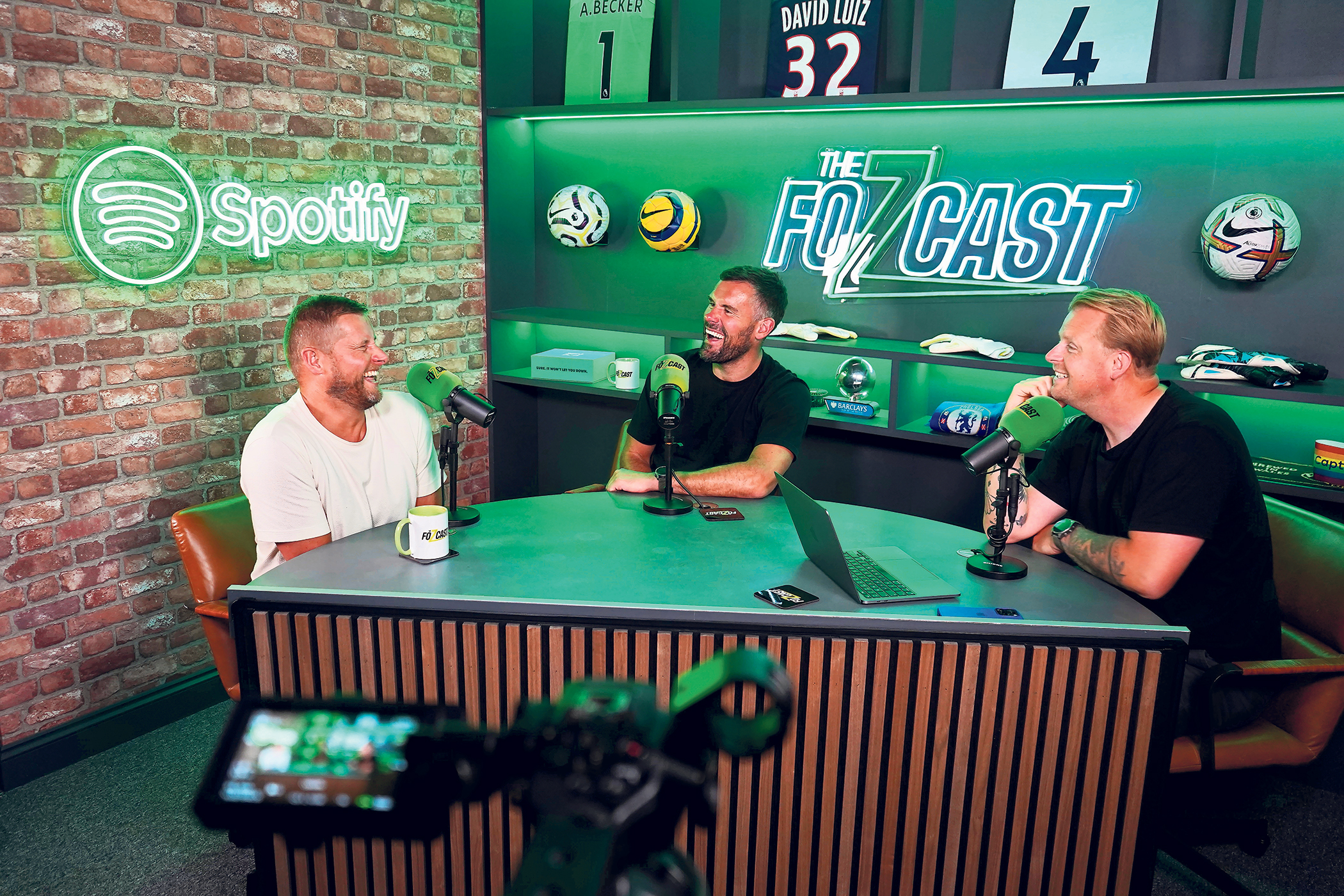
Ben Foster, West Brom and Watford goalkeeper turned minor media mogul, is uniquely positioned to understand this world. He started his YouTube career as The Cycling GK while still playing, and now the Fozcast sits ninth in Spotify’s UK sports podcast charts, ahead of That Peter Crouch Podcast and The Overlap, with almost 1.5m subscribers.
Although it was banned by the Premier League, Foster putting a GoPro in his net during matches was pioneering and compelling, particularly after his final move to Wrexham in 2023, a marriage of true content-creating minds. CGK Studios, Foster’s production company, now also makes That Wrexham Podcast – alongside the club – as well as a range of others.
His thing has always been authenticity and relatability, which he considers fundamental to both his popularity and that of a lot of similar podcasts. He has this romantic view of podcasting and YouTube as a bastion of meritocracy, rewarding “good people” who are “good at talking, simple as that”.
“I’ve seen so many podcasts down the years which I just can’t listen to because they’re not really able to articulate what they’re trying to say, or say it in an insightful manner,” he tells The Observer. “I want to hear details and info from behind the curtain. People can see fakes and frauds an absolute stinking mile off. If you’re working for one of the big boys, then obviously you have to sort of toe the party line a little bit and say what they want you to say and how they want you to say it.”
Newsletters
Choose the newsletters you want to receive
View more
For information about how The Observer protects your data, read our Privacy Policy
Now 42, Foster has become something of a YouTube scholar, claiming to have watched little else for eight years, and so he understands the parasocial relationship between consumer and creator from both sides. “I love YouTube because I can tailor my watching experience to whatever I want to watch,” he says. “When [people] feel seen and feel like they’re talking to you, they’ll emotionally invest in you.” He particularly admires Mark Goldbridge’s willingness to interact with random commenters on a mass scale.
The Fozcast tends to feature three or four of Foster, his friend and commercial director Tom Ochoa, former Barnsley goalkeeper turned coach Dave “Watto” Watson, and former Wrexham defender Ben Tozer. Consistency is a crucial aspect in developing a sense of community for listeners, the same reason that Stick to Football is filmed in a studio which could double as a particularly soulless upmarket bar. Replicating pub chat is a fundamental part of the process, catering to men between 30 and 50 who have lost the social outlets and debate platforms of their youth.
And yet football podcasts also remain something of a Wild West. There is no expectation of any professional training or anything resembling a professional code of ethics. Fact-checking is fast and loose, if it happens at all. Podcasts hosted by ex-players with no journalistic training regularly get major interviews but these almost exclusively feature soft questions without relevant follow-ups. But then this is why they get the access in the first place, a self-perpetuating cycle of incompetence that makes clubs feel safe handing over their players and means that the interviews largely end up being dull and unrevealing. Foster says: “I’ll never try and trip [interviewees] up, never try and get them in trouble.” It feels as though podcasts are held to lower standards of truth and quality, particularly those not operated by journalists, with wide-ranging implications for how we understand and talk about football.
But the future is as interesting as how we got here. Although James Maddison, Erling Haaland and Jude Bellingham, among others, occasionally post professionally shot videos about their lives, no current Premier League player is producing truly independent content about their own careers. Foster believes that players will eventually start broadcasting transfers and contracts on their own channels, although the rampant criticism that he received during his later career is a reasonable indicator of why few have seemed interested.
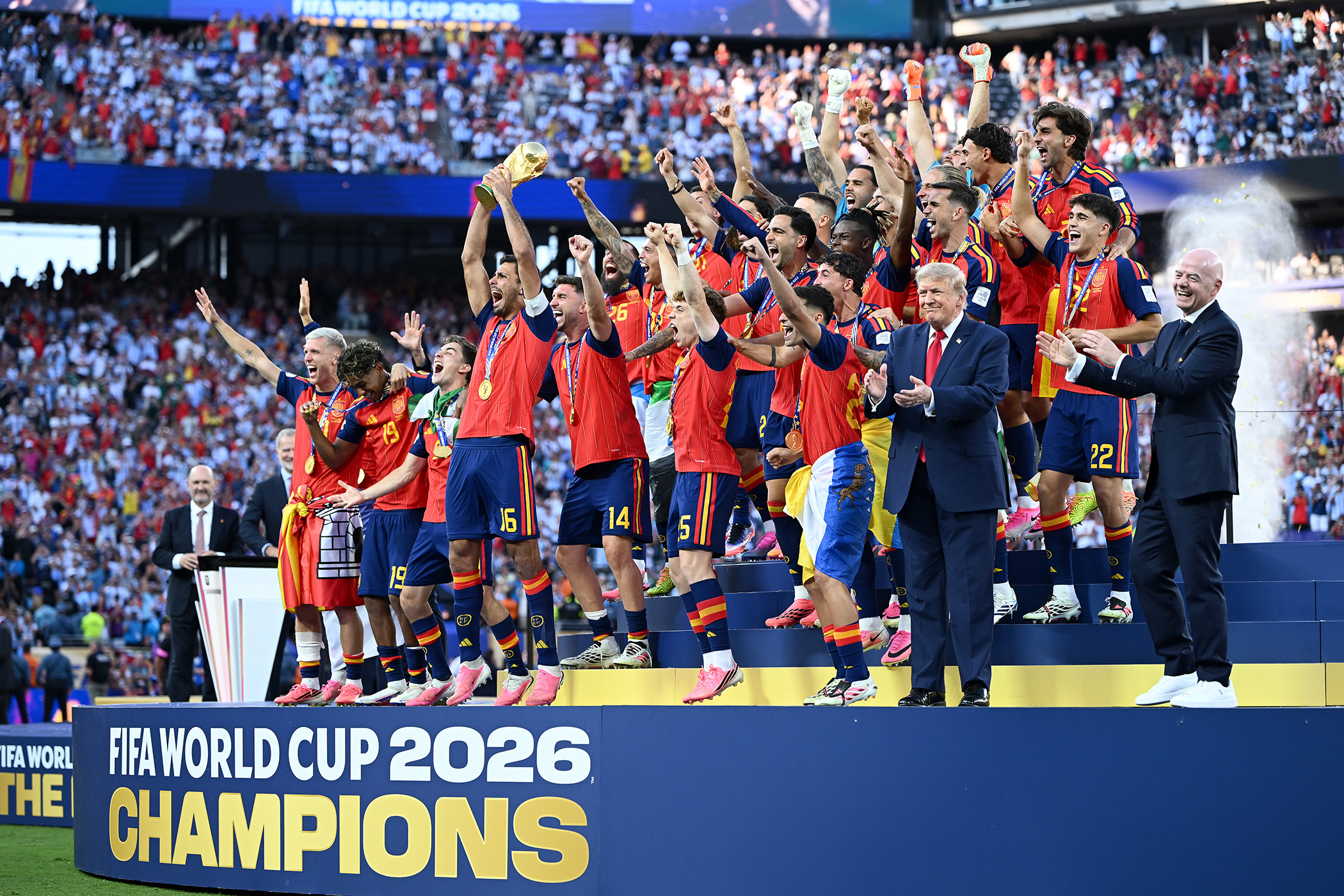
Foster is heading to the World Cup this summer with the Fozcast and is hoping to pick up mainstream media work alongside. “The podcast market is absolutely crazy,” he says. “But I still don’t think we’re anywhere near where we’re going to get to.” The scariest thing is that he’s probably right.