

The wall charts are Blu-Tacked to bedroom walls, Panini stickers are being swapped in the playground and – thanks to the far right – the St George’s flags are already fluttering. The football World Cup is about to kick off, coinciding neatly with yet another existential battle over national identity.
From the United States to western Europe, the far right has been making the case – increasingly loudly – for a narrow, ethno-nationalist view of who gets to call themselves a citizen.
Being born in a nation, or even acquiring citizenship after a number of years, is no longer enough. JD Vance talks of “heritage Americans”, the true patriots who can trace their ancestry back generations. In Germany, Alternative für Deutschland – which is leading in the polls – is pushing for “remigration”.
Jordan Bardella, the far-right National Rally politician who is now favourite to become the next French president, last week used the violence in Paris that followed the Champions League final to darkly warn of the dangers of a multiracial France. He described the perpetrators as “predators” who will soon be “breaking into your apartments”.
Here in the UK, the far right wants to remove rights and benefits from families who have at least one foreign-born parent. True Englishness, according to leading players in Reform UK, is about ethnicity. Some even argue that former British prime minister Rishi Sunak does not count as English.
The World Cup, which starts on Thursday, will offer a very different idea of what national identity means. Of the 48 nations taking part, 40 have at least one player – and often many more – who was born in another country. Those numbers increase dramatically if you trace where their parents were born.
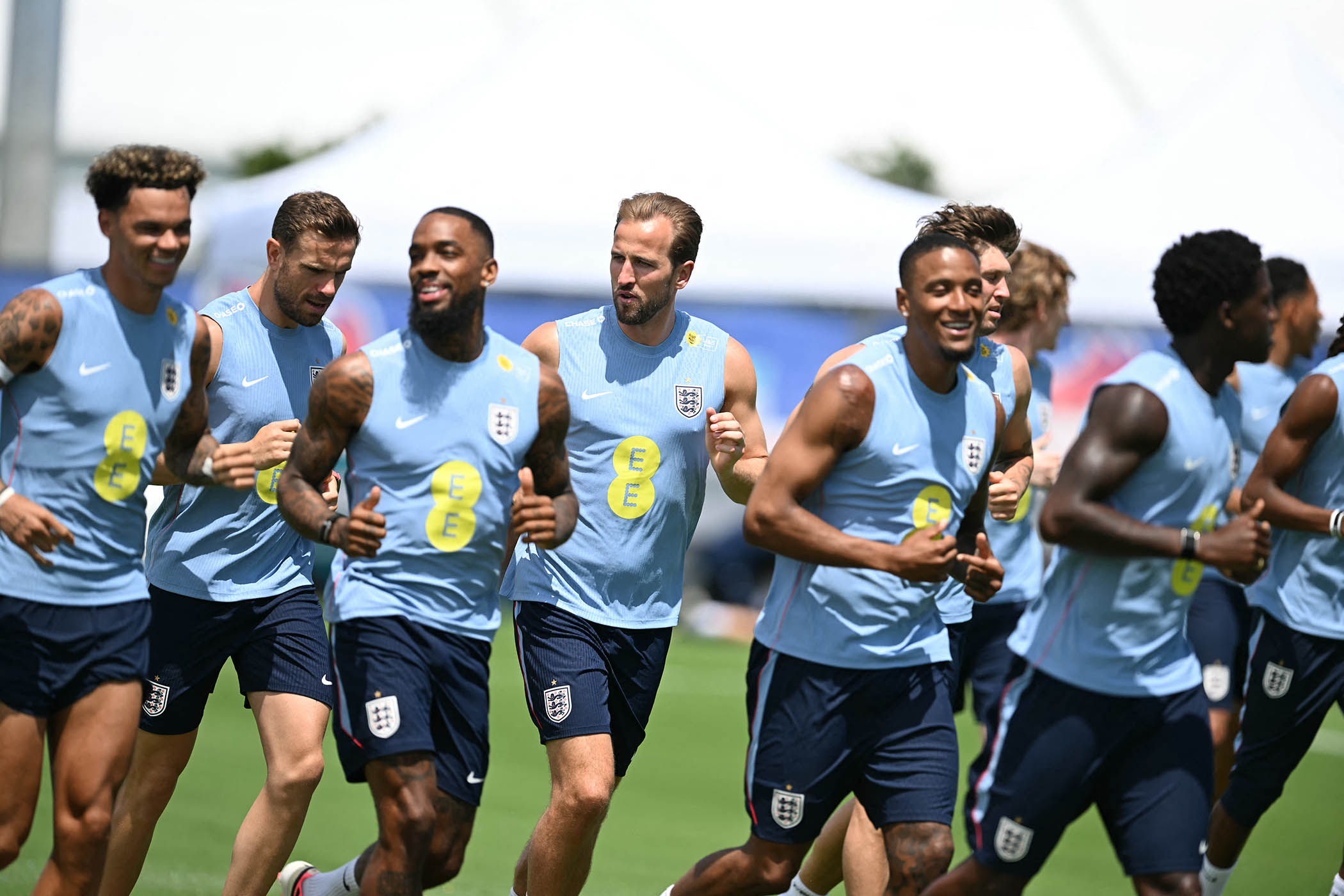
The England team – coached, let’s not forget, by a German – is no different. In 10 days’ time, 26 Englishmen will stand on a field in Dallas, Texas, a giant St George’s flag at their feet, as they bellow out the national anthem before their first game against Croatia. And yet, by the far-right’s rules, the majority of them will not be truly English.
The stage is set for a battle between two ideas of citizenship and identity: one inclusive, the other exclusive; one joyful, the other angry; one liberal, the other racist.
Nothing explains a nation’s politics and identity as much as its national football team. As the historian Eric Hobsbawm put it, the “imagined community of millions seems more real as a team of 11 named people”.
The shape of those imagined communities has changed dramatically over the past 60 years as migration has reshaped our nations. Across the world, more of us now have roots in more than one country than at any other time in history.
Newsletters
Choose the newsletters you want to receive
View more
For information about how The Observer protects your data, read our Privacy Policy
These changes have had a profound impact on international football, in which those with dual nationality – sometimes more – have to choose one homeland over another.
Beyond the England squad, several other English-born footballers will be playing in the World Cup for other countries, including Antoine Semenyo for Ghana and Aaron Wan-Bissaka for the Democratic Republic of the Congo.
Choosing one country over another doesn’t make them any less English – the choice is often about professional opportunity. When the Bayern Munich midfielder Aleksandar Pavlović chose to play for Germany rather than Serbia, the birthplace of his father, he described how “two hearts beat in my chest”.
Football – on the pitch, at least – is a true meritocracy. Coaches, on the whole, choose the best players, which is why they end up more accurately reflecting the true, varied ethnic makeup of their nation.
At times, it can be hard to be optimistic and assume that the more inclusive form of identity will win out. But in a period when far-right talking points have entered the mainstream, it is important to remember that most people reject the narrow, racist view of national identity. Opinion polls have consistently shown that the vast majority of people in England believe you can be English regardless of skin colour or ethnicity.
The World Cup is an opportunity to celebrate the more modern, more open view. For the next few weeks, those flying the St George’s flag will be doing so out of pride. They will lustily sing Three Lions and hope that, this time, it’s coming home. And, perhaps most importantly, they will have a far more liberal view of who that home belongs to than the far right would have us believe.
Photograph by Chandan Khanna/AFP/Getty Images