

The opening week of the World Cup has been a sporting triumph. The host nations have gone unbeaten. Lionel Messi, Harry Kane and Kylian Mbappé have scored seven goals between them. But not everyone is happy. The reason? The ball.
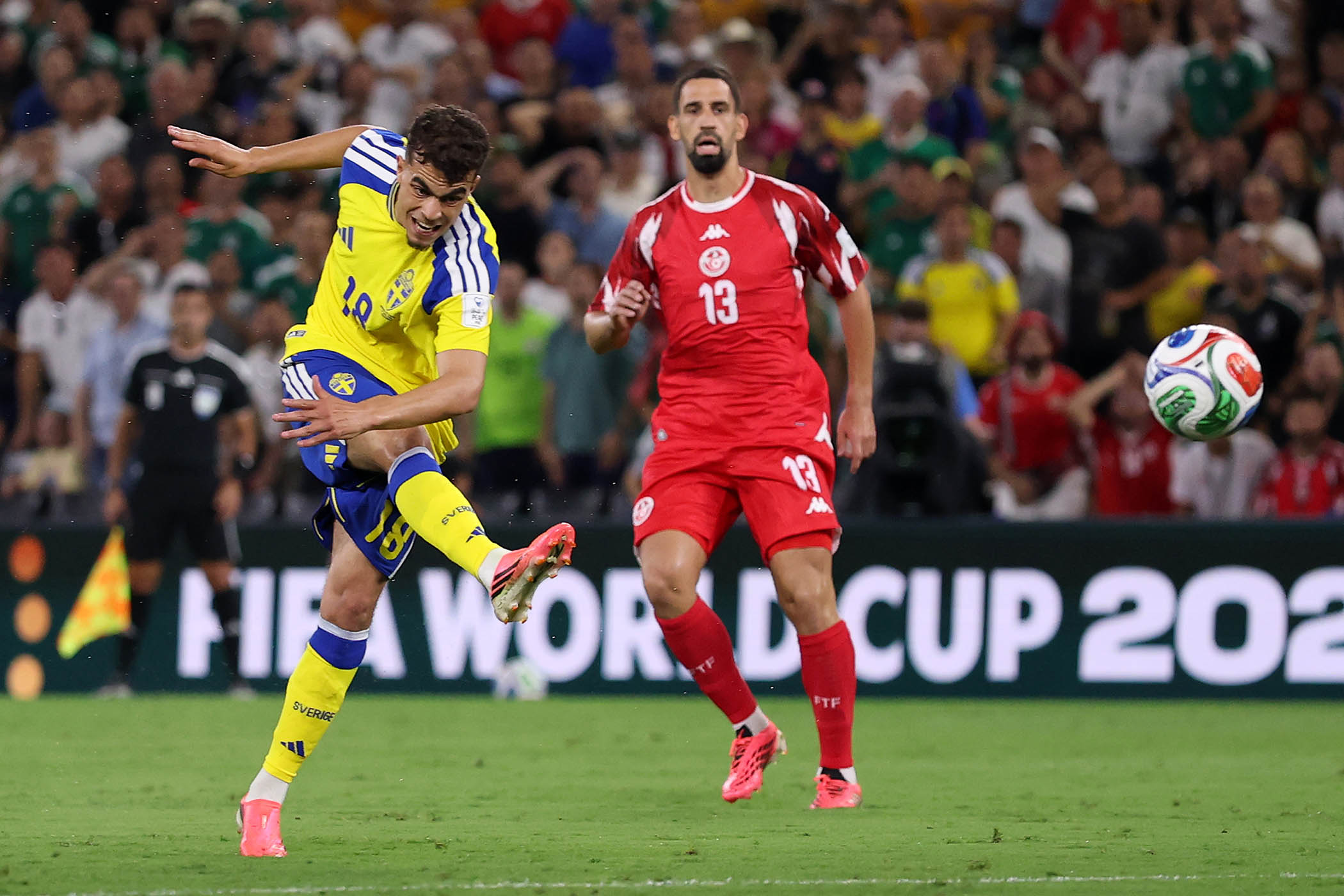
The Adidas Trionda has, literally, got off to a flying start. There have been enough spectacular goals to fill an entire goal of the tournament compilation, thanks to long-range shots from the likes of Sweden’s Yasin Ayari, Austria’s Romano Schmid, and France’s Mbappé.
A new ball is created for every World Cup and the latest is now available in high-street sports shops for £130, albeit without the AI-enabled motion sensors that are gathering real-time data during the tournament.
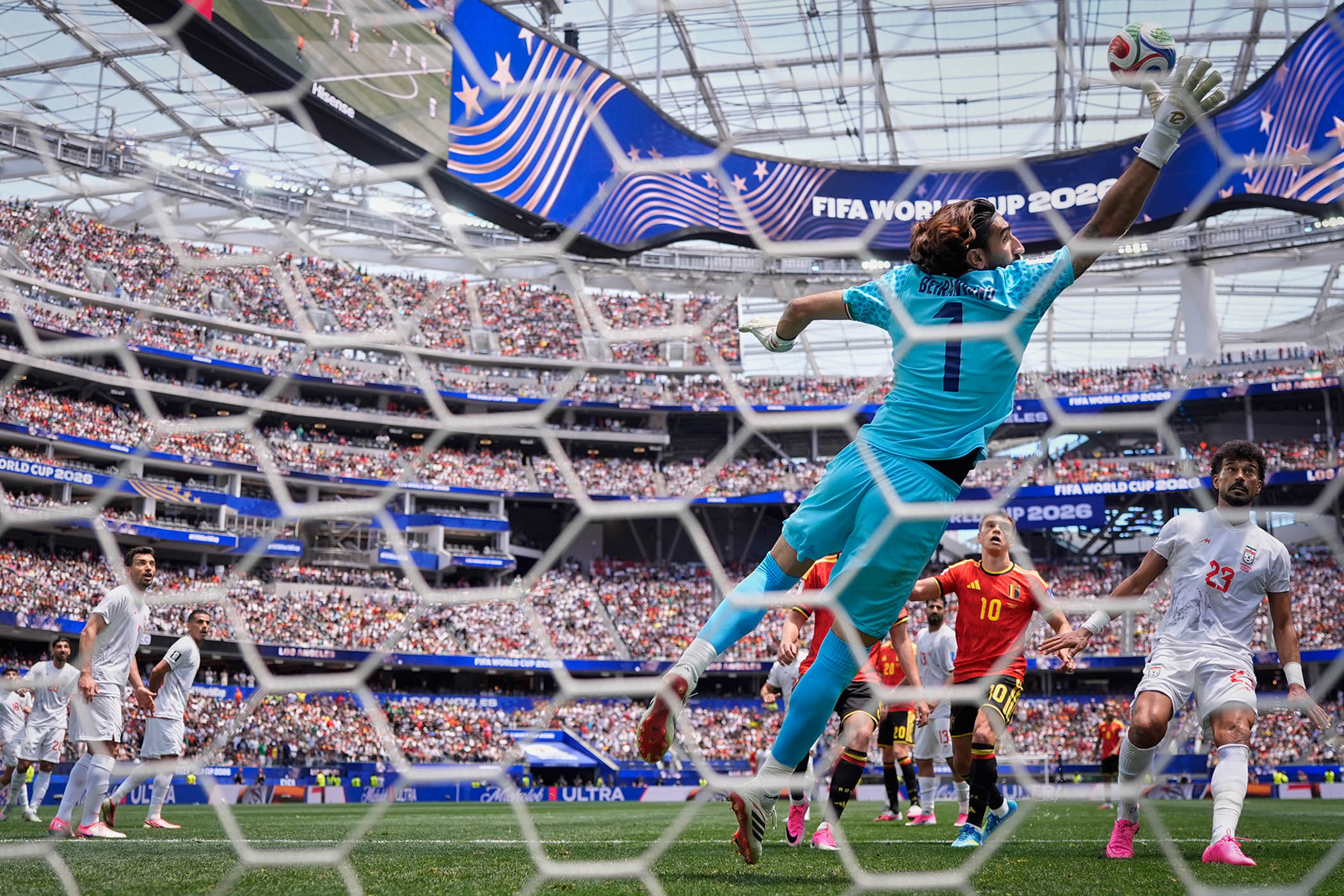
But new doesn’t necessarily mean better. As Joe Hart, England goalkeeper at the 2010 and 2014 World Cups, told the BBC: “I feel as though this [new] ball is coming on to the goalkeeper quicker than they feel it is off the foot. I’ve noticed it with the higher balls in this game.”
What all the long-range goals have in common appears to be how the ball has dipped and swerved in unexpected ways. Hart believes England goalkeeper Jordan Pickford might have fallen foul of its subtle aerodynamics when he got his thumb but not a full hand on Martin Baturina’s equaliser for Croatia during last Tuesday’s match.
So: is the ball to blame for the tournament’s high goal count?
Not quite, according to Prof John Eric Goff, from Purdue University’s Sports Engineering department.
In a paper published last February, independent of Fifa and the ball’s manufacturers, Goff assessed all the recent World Cup footballs, including the new Trionda, in a wind tunnel at the University of Tsukuba in Japan. The point was to understand how each ball was impacted by “drag crisis” – the point at which they can no longer resist air pressure and begin to move erratically.
Goff believes the most recent balls have been largely fit for purpose, especially compared to those in the controversial 2010 World Cup in South Africa.
“In 2010 the Jabulani [ball] had just eight panels [of synthetic material], down from 14 in 2006, but when you start reducing panel numbers, you run the risk of the ball becoming too smooth,” Goff said. At the time it was compared to a beach ball.
Newsletters
Choose the newsletters you want to receive
View more
For information about how The Observer protects your data, read our Privacy Policy
“It turned out with Jabulani that the seam width and depth [between the panels] wasn’t tall enough and the surface texture wasn’t tall enough. The ball was just too smooth. A free kick typically starts at 65mph and the drag crisis took place at around 54mph.”
The drag crisis happened at such a high speed – and therefore so soon after a ball was in motion – that it had a significant effect on free kicks.
With this in mind, Adidas now creates artificial friction on the ball. “The balls since 2014 have been much better,” he said. “The Trionda has the fewest number of panels, just four. But you don’t want it too smooth so there are three deep grooves in the panelling and a long circuitous seam around the ball and it’s rougher than its predecessor.”
This has the effect of delaying the drag crisis – the beach ball effect – which with the new ball occurs at around 30mph – and few free kicks slow that much. The Trionda has the smallest drag crisis speed of all the balls, in the low 30mph region, Goff said.
“The wind tunnel testing doesn’t seem to show that this ball should be flying noticeably faster.”
The reasons the ball might seem faster or more unpredictable are more pedestrian, he considers. In fact the balls are flying higher because the players have got mightier. “The training regimes, the nutrition and all of the different ways that players have gotten stronger,” he said.
Photograph by Luke Hales/Getty Images