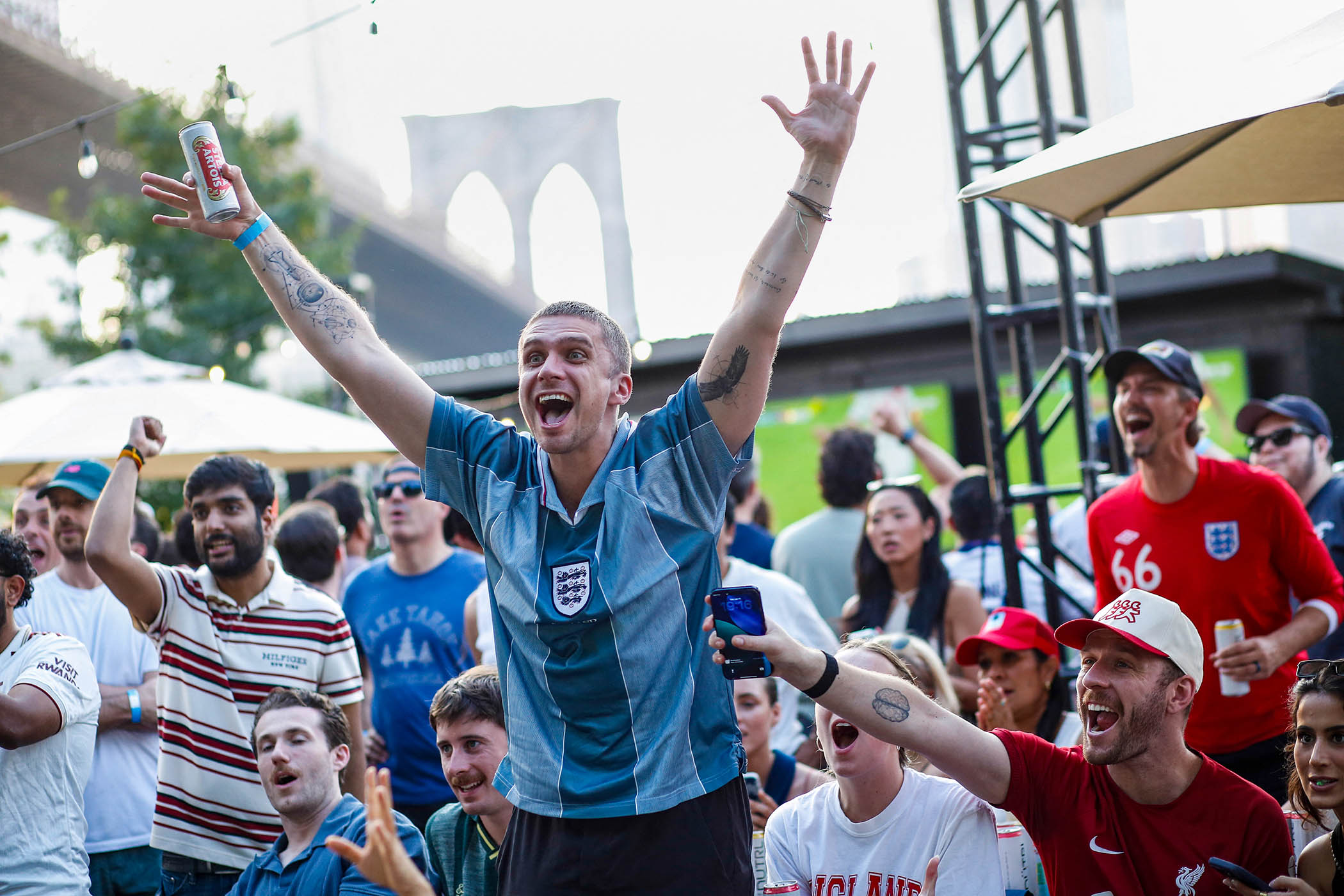

It’s 2.53pm when Football’s Coming Home is first played in the Churchill Tavern on East 28th in Manhattan, enlivening the handful of England fans already here to claim a seat for the five o’clock kickoff, and 3.21pm when Hey Jude has its first outing. At the bar, a father and son, both dazzlingly handsome in the slightly uncanny way of soap operas and adverts, are eating English breakfasts. The father is an Englishman, who moved to America for college and remained after falling in love, his son was born in New York, and raised to be a loyal England fan.
“When it’s England, I always watch with my dad,” he says, bristling with pride. Soon after we speak, his friends arrive, and they begin, with great lust, to sing Ten German Bombers.
The Churchill Tavern is oppressively dark on this bright, muggy Saturday, low-ceilinged and wooden in the Hobbit-y manner anglophiles love, pictures of Shakespeare and Oxo Cube adverts framed on the walls. At first, most of the accents around me are American (two sorority girls exclaim at some curtained booths: “Nooks! So cute!”), but gradually England fans, and a small Norwegian minority, fill it up so that we are all fanning ourselves with menus and apologising for slopping our sweat on one another.
I bump into a friend from London, Oobah Butler, a documentarian, and he tells me that as a teenager, influenced by Irish heritage and contrarianism, he refused to support England.
“Then you get older, and realise it’s not that deep,” he says, convincingly until the game begins and I soon hear him emit the very interesting noise I have only ever heard a man make during sports, a kind of melodic but guttural exclamation of admiration or admonition.
As an Irish person I had a reflexive “anyone but England” attitude until I moved to London ten years ago and had a lovely English boyfriend. In the 2018 World Cup, even watching alone without him, I was appalled to realise I had come to want them to win because it would make him so happy, which is about how I still feel now, thinking of my friends. Though I now live in New York, I can hear behind me the sounds of English young men who remind me of my London pals, yelling “Come on England,” with a thin veneer of irony before it quickly descends into pure sincerity.
There is a baffled swerve in spirits after Norway score. Behind me a man screams, “What is happening?” in a tone of abject despair.
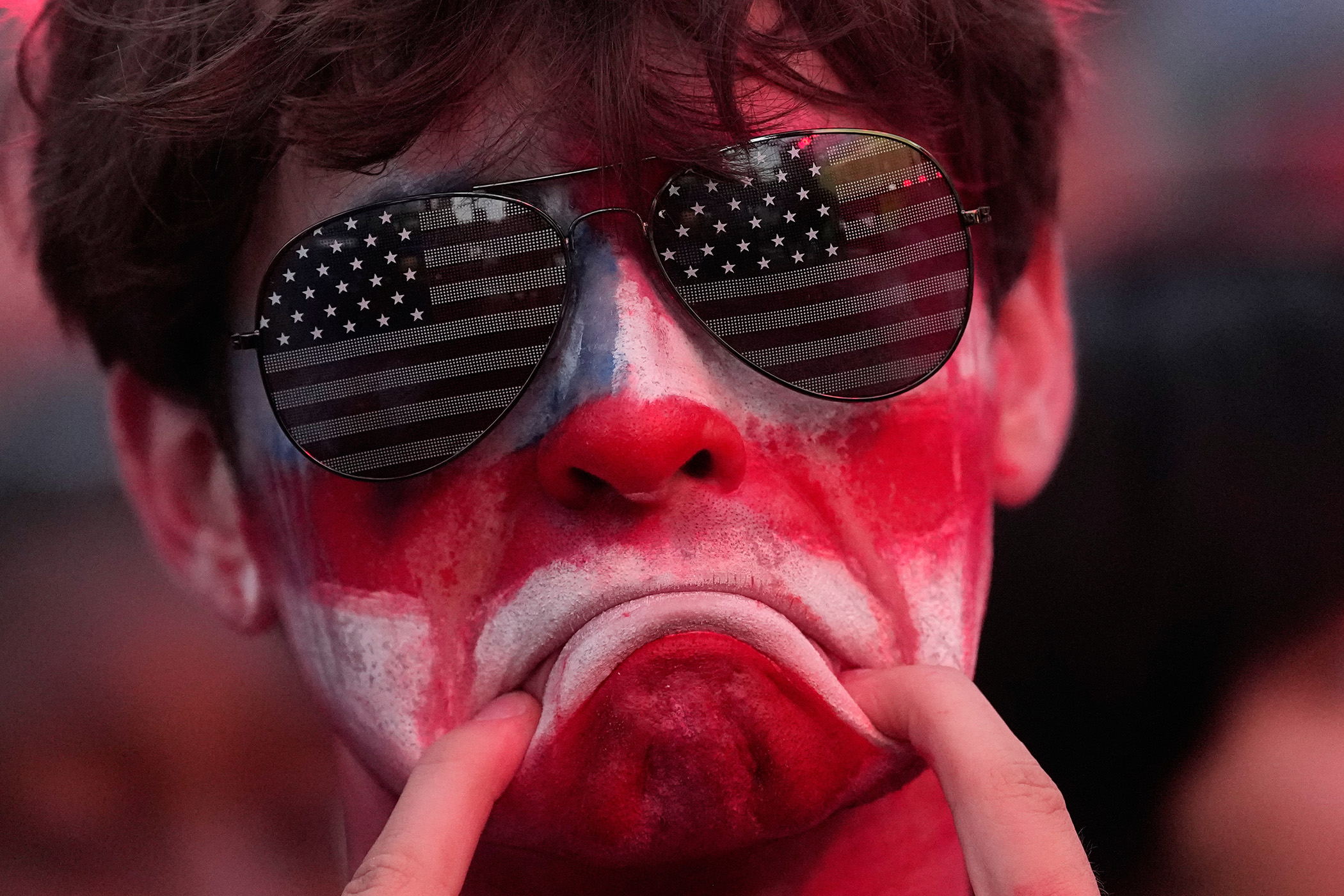
I smile at a distraught kid, and ask if he’s alright. “Football, innit,” he says, tears in his eyes. Less than a minute later, they score, and quickly following that, as is the natural order of things, most of a pint of beer is poured jubilantly over my head.
At half time, a young woman, inebriated in a fashion that is still on the right side of whimsical, asks the bouncer if he is happy for England. When he says he is she catches his accent and asks where he is from. Ireland, he says.
“Then why are you happy for England?” she asks and I meet eyes with him and we share a smile. He shrugs at her bashfully.
Newsletters
Choose the newsletters you want to receive
View more
For information about how The Observer protects your data, read our Privacy Policy
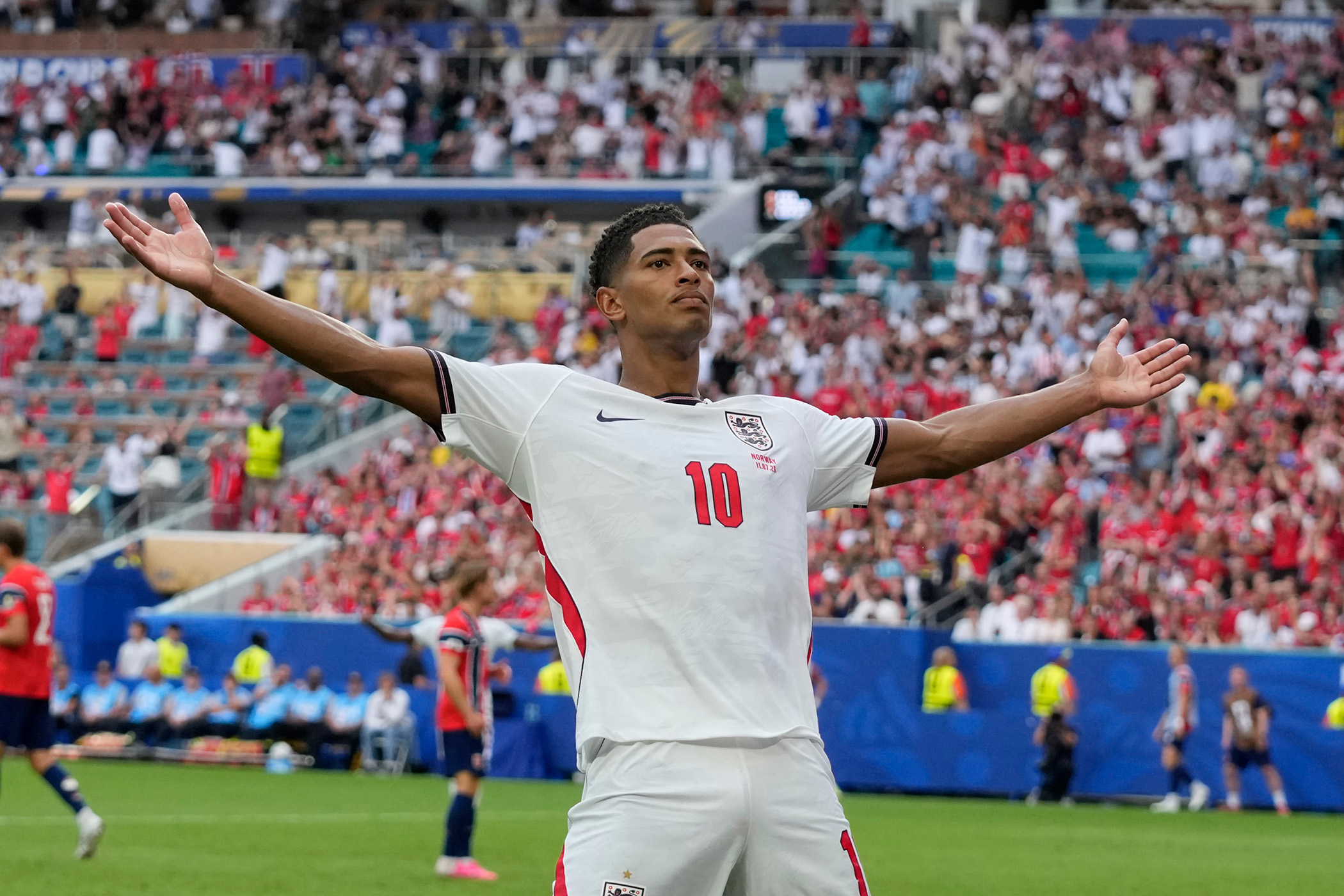
I am at the bar asking the long-suffering staff for water when Bellingham scores his second, and the father and son I spoke with earlier and their crew erupt. There are about a dozen of them and they form, in their celebration, a sort of semi-contained tornado of chaos, chucking pints mostly over each other and bellowing in one another’s faces. It’s remarkable to see, as I never otherwise have except during football, men fully hitting and slapping each other without malice, in elation.
Two boys over from Nottingham tell me they are even more nervous now that England are in the lead. One grips a table and looks on the verge of vomiting from the surges of adrenaline. Then he begins to rationalise, as a coping method: “If they lose, I would prefer they lost to Norway than France, that’s what I’m thinking about right now, because I’m too afraid to think they might win.”
This is the part of sport I enjoy and relate to the most: the incantations and deals with God and elaborate magical thinking fans must project to protect themselves mid-game. I’ve watched a reasonable amount of football in my time, between my father and my boyfriends, but I’ve rarely developed any loyalty to a team beyond wanting my own loved ones to be happy. The problem is, if left to my own devices, I do genuinely feel glad for anyone who wins and sad for anyone who loses.
I’m explaining this to a glamorous Italian woman married to an Englishman outside on the street after the final whistle when everyone is safely celebrating and no more superstitions must be invoked. Ultimately, I tell her, I just want the most things to happen during a game. More of everything, more goals, more drama, more cute consolations between teammates.
“I think I could never be a real fan because when it comes down to it, I just like when things happen, full stop,” I tell her. She grips my wrist, cigarette in hand, and says seriously:
“I absolutely love when things happen,” which strikes me as not a bad slogan for New York itself.
Photograph by Kena Betancur/AFP/Getty Images