
Only seven of the 352 players on duty at the 1978 World Cup were born outside the country they represented, a proportion of just one in 50. By 2022 that had rocketed to one in six. Now, in a continuing reflection of human migration, cross-border recruitment and a relaxation of eligibility rules, we have a tournament that reveals more fluidity than ever in national footballing identity. Almost a quarter of players at this World Cup were born abroad.
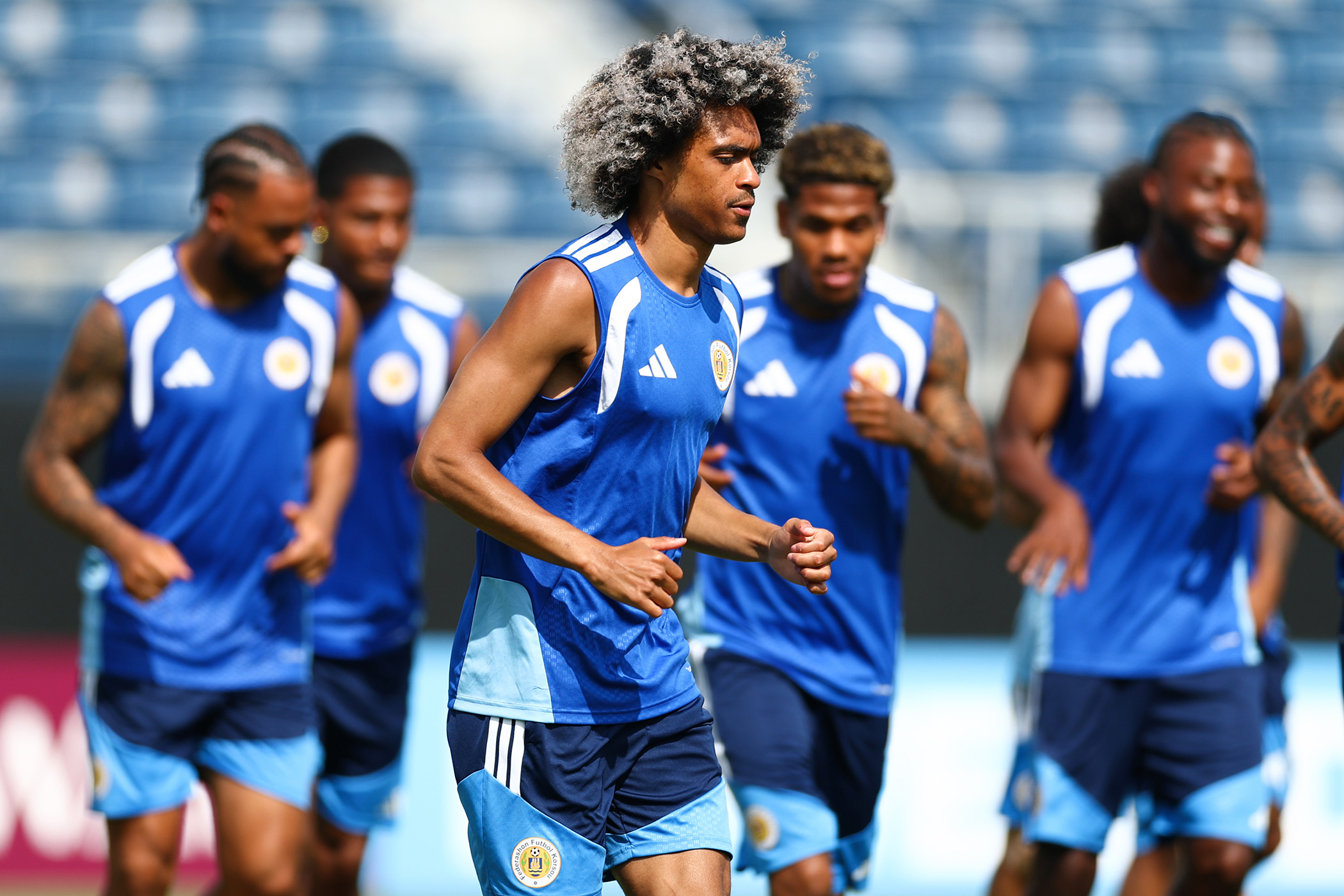
Leading the way are Curaçao, all but one of whose 26-man squad were born overseas, each, in fact, in the Netherlands. Only six of DR Congo’s contingent and seven of Morocco’s party were born in their own territory, while a further six nations have also selected a majority of players native to other countries.
One nation stands out at the other end of this exchange, a prolific supplier of talent. Some 99 French-born players – 23 with France and 76 with other squads – are at the World Cup, which is more than the combined number born in ten countries who are taking part in the tournament: only 98 were born in Curaçao, DR Congo, Morocco, Haiti, Algeria, Tunisia, Cape Verde, Bosnia and Herzegovina, Qatar and Croatia.
If France is the world’s footballing hotspot, then the heat is most intense in its capital. This tournament will feature 53 players born in Paris or its suburbs, which is more than were born across the whole of six participating nations at this World Cup. Thus almost five Parisian XIs could be formed from footballers at the tournament in North America this summer.
The doubling of African nations to ten at this World Cup has played a part in highlighting these many French connections. Of the 76 French-born players who will represent other nations, 43 are with five former colonies that France gave up between 1956 and 1962: Morocco, Tunisia, Algeria, Ivory Coast and Senegal.
England are also contributors to this trend. The 25 home-born players in Thomas Tuchel’s squad (the exception is the Ivorian native Marc Guéhi) are almost matched by the 24 players born in this country who will represent other nations. Five are with Scotland, three each with Canada, the United States, Ghana and New Zealand, two each with Norway and DR Congo and one each with France, Switzerland and Iraq.
This flexibility in national identify has thrown up a few curiosities. Three pairs of brothers will be in different camps at this World Cup. John Souttar is in the Scotland squad while his brother Harry Souttar is on duty with Australia (they were born in Aberdeen to a Scottish father and Australian mother); Nico Williams has been picked by Spain while Ghana have selected his older brother Inaki Williams (both born in Spain to Ghanaian parents); and Désiré Doué will represent France while his older brother Guéla Doué appears for Ivory Coast (both born in France to a French mother and Ivorian father). The half-brothers Brian Brobbey (Netherlands) and Derrick Luckassen (Ghana) will also be in action.
Two World Cup winners will have a family member representing a different country this year. The Algeria goalkeeper Luca Zidane is the son of Zinedine Zidane, a 1998 winner with France; Rani Khedira will play for Tunisia 12 years after his brother Sami Khedira won the World Cup with Germany.
A further cross-border feature of this World Cup is that more than 72% of players appear for a club outside the country of their national team, up from 68% last time, and compared with only 10% at the 1978 World Cup, when nearly half the number were Scots based in England. Around one in seven players at this tournament are foreigners in English league football.
A global tournament it may be, but its heart is in Western Europe. England, France, Germany, Spain and the Netherlands constitute only three per cent of the world by population, but they have provided 24% of this World Cup’s players by birth, and their clubs have supplied 42% of players at the tournament.
Newsletters
Choose the newsletters you want to receive
View more
For information about how The Observer protects your data, read our Privacy Policy
Photograph by Megan Briggs/Getty Images