While Real Madrid’s Vinícius Junior was being rebuked by some this week for “provoking” the racial abuse that routinely comes his way, tennis was reeling from the most impassioned J’Accuse you’re likely to read from a professional athlete.
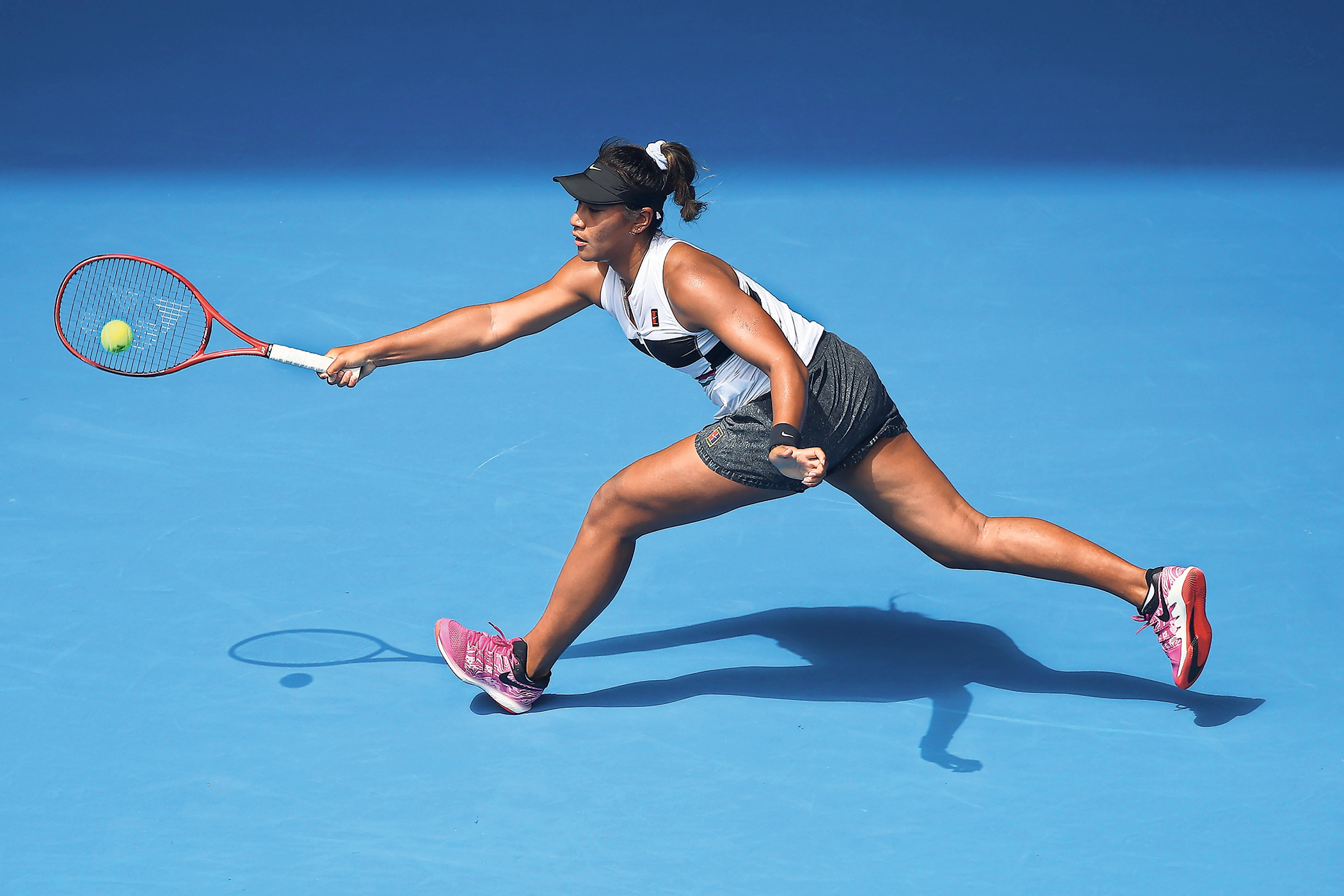
Australia’s Destanee Aiava said 2026 will be her last year in the sport. But first she wanted to settle some scores. Calling tennis her “toxic boyfriend”, Aiava wrote on Instagram: “I want to say a ginormous fuck you to everyone in the tennis community who’s ever made me feel less than. Fuck you to every single gambler who’s sent me hate or death threats. Fuck you to the people who sit behind screens on social media, commenting on my body, my career, or whatever the fuck they want to nitpick.
“And fuck you to a sport that hides behind so-called class and gentlemanly values. Behind the white outfits and traditions is a culture that’s racist, misogynistic, homophobic and hostile to anyone who doesn’t fit the mould [sic].”
This critique is worth repeating in full not least because it covers the full gamut of gamblers, keyboard sadists, the tennis “community” and institutions of her sport. Doubtless tennis would challenge some of those claims and point to the work it does to promote equality.
But there is no glossing over the points made by Vinícius, Aiava and those who rallied around Ireland’s Edwin Edogbo – born in Cobh, County Cork, to Nigerian parents – who received so much racial abuse on social media on his Six Nations debut that the Irish Rugby Football Union turned off comments on a social media post celebrating his 10-minute cameo.
For an anatomy of racism and discrimination in sport, look no further than the week just past. It’s all there, in social media, structures, attitudes and in white people telling Black people whether they have or haven’t been insulted – and then how to react.
José Mourinho’s insistence to Vinícius that his goal celebration had only made things worse at Benfica in midweek, and that Benfica can’t possibly be racist because Eusébio, who moved from Mozambique to Lisbon aged 18, was their greatest player (in the 1960s and 70s), was the death knell for Mourinho’s self-image as a sophisticate.
First, Vinícius wasn’t calling Benfica racist. He was alleging a Benfica player had called him a “monkey”. Second, Spain’s La Liga has logged 26 cases of racial abuse against Vinícius at 10 grounds since 2021. He has been hung in effigy, had bananas thrown at him and been mocked up in a newspaper as Pinocchio.
If anti-immigrant thinking is shaping world politics, why would it not seep into sport?
If anti-immigrant thinking is shaping world politics, why would it not seep into sport?
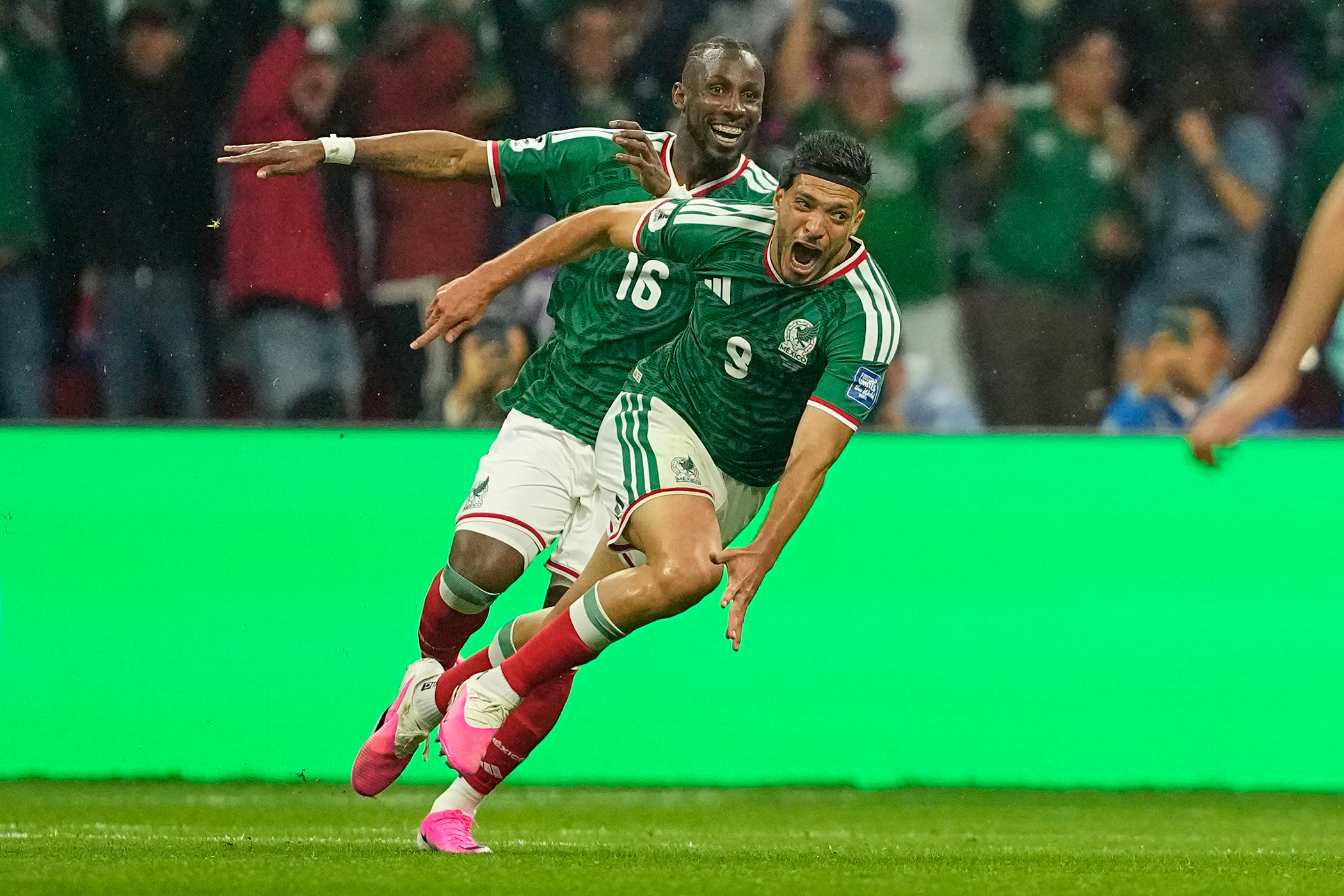
If his goal celebrations are theatrical, it may well be part of his determination to fight back. According to Mourinho, though, and the ex-Premier League referee Mark Clattenburg, who later apologised, Vinícius increased his own chances of being racially abused with his expressive goal celebration.
In other words, they and many others in football imply Vinícius brings it on himself – a repulsive inference. Benfica’s Gianluca Prestianni, who covered his mouth when speaking to Vinícius, and claims he called him “a faggot” not a “monkey”, was supposedly compelled by an elaborate goal celebration to dehumanise a fellow professional. The homophobia in his mitigation plea seemed lost on him.
Newsletters
Choose the newsletters you want to receive
View more
For information about how The Observer protects your data, read our Privacy Policy
When this story blew up, the mind span back to the social media post emanating from the world’s most powerful person (Donald Trump blamed “someone else” on his staff) that depicted Barack and Michelle Obama as apes. In Britain, 26 contemporaries at Dulwich College wrote to Nigel Farage, demanding that he apologise for his racism in their school years.
If nativist populism and anti-immigration thinking is shaping world politics, why would it not seep into sport? The barriers to racism have been lowered.
Except when free speech warriors don’t agree with the message. When US Winter Olympic athletes exercised the First Amendment to discuss a more sinister kind of ICE, their vice-president JD Vance stamped on their freedoms: “You’re there to play a sport … you’re not there to pop off about politics.” Of course, racism in sport long predates the rightward shift in politics. Where is the light in all of this? It may be in Edogbo saying when he was picked for Ireland, “it meant the world to me and my family to be selected in the Six Nations squad,” or the standing ovation the Aviva Stadium gave him, or in the pictures of him hugging his family on the pitch after the Italy game in Dublin.
In Cobh, they projected an image of him in his Ireland shirt on to the tower of Belvelly Castle, saying: “Congratulations and good luck, from everyone on The Great Island.”
One sure way to guarantee defeat is for people not directly affected by it to shrug and say, oh well, there’s not much you can do, beyond tweet sympathetically or wear a T-shirt (or write a column).
Maybe the surest way to stay alive to its threat is to consider constantly how it feels to be on the wrong end of people trying to relegate you from the human race with monkey noises; or poison your Six Nations debut by depicting you as an alien, not fit to wear the nation’s shirt. Desensitisation is a victory for discrimination.
To the perpetrators one might say: imagine that happening to you, or someone in your family, and hope for some flicker of recognition. While, of course, applying zero tolerance and maximum penalties.
Photograph by Mark Kolbe/Getty Images