
This article is part of the Rory Smith on Football newsletter – a guide to help understand what is happening on the pitch, off the pitch, and why all of it matters.
Throughout the tournament, Rory will be travelling across America, delivering daily commentary on the biggest World Cup ever direct to subscribers. His colleague George Simms will report alongside him. Never miss a newsletter, subscribe now here.
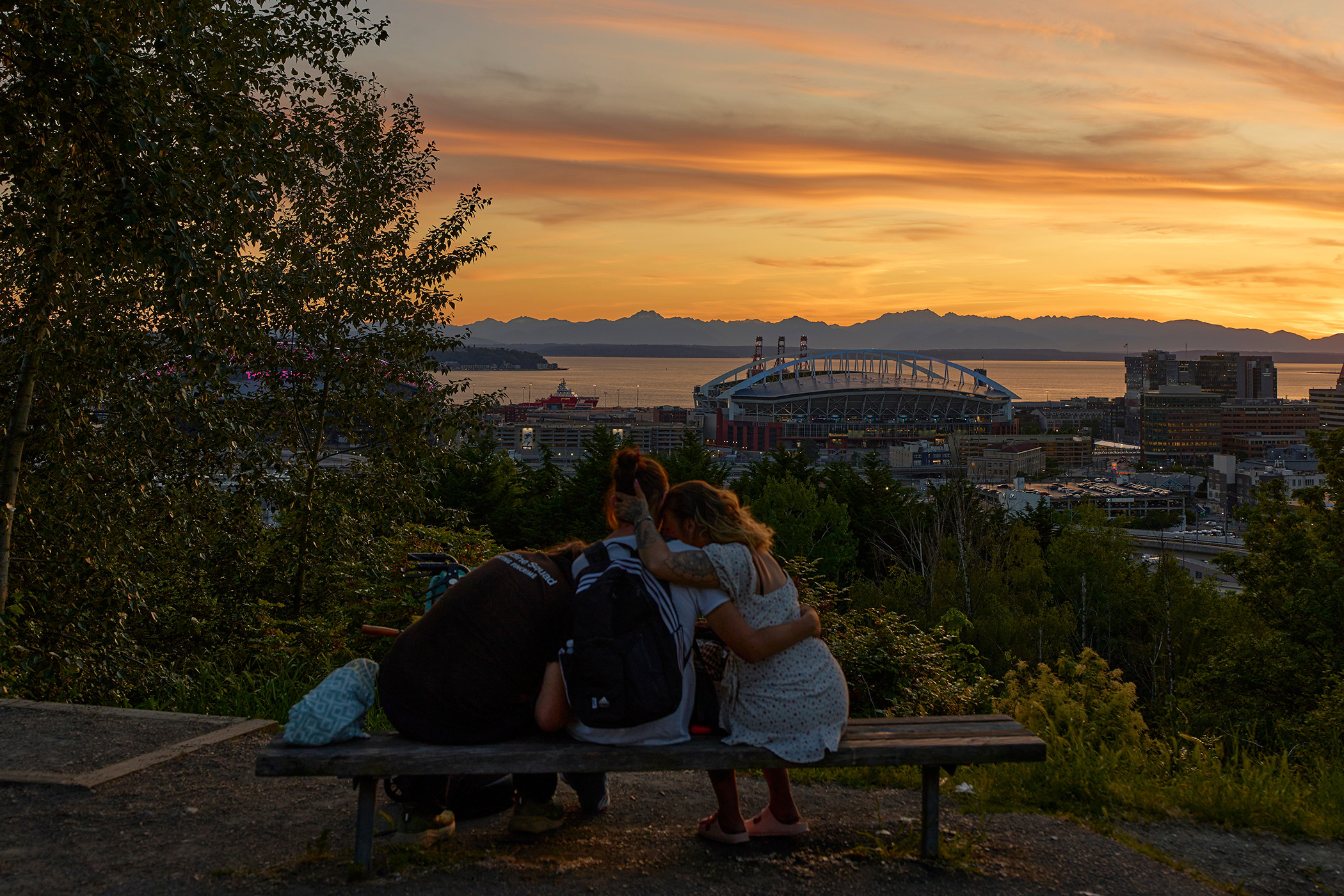
Looking down from the waterfront, the dome of Mount Rainier – all 14,410 feet of it – seems to rise from the roof of the stadium formerly known as Lumin Field, right in the heart of downtown Seattle. It looks a little like a child’s drawing of a volcano, round and snow-collared and peaceful. It is, apparently, dangerously active, a killer hiding in plain sight.
Some cities host World Cups better than others. Size, in this as so many things, is no guarantee of quality. It is not just that major events can get lost in the world’s great metropolises, just one entertainment option among many, it is that places that consider themselves to be global hubs tend to be a little too cool to submit themselves to one single event. They do this stuff all the time.
But then it is not possible – or at least not wise – to take something as sprawling as the World Cup to a city that cannot handle it. Those places do not see the real benefit of hosting; it becomes transactional, maybe even parasitic, fans descending for a game and then departing for somewhere with more bars, more restaurants, more hotel rooms as soon as the whistle blows.
In my experience of World Cups, the best experiences are to be found in those cities that exist in the Goldilocks zone between those two extremes: places that are large and diverse enough not just to draw fans but to keep them there, but at the same time small enough that they appreciate a moment in the sun.
That was true of Salvador in Brazil in 2014, the flags of the competing nations fluttering above cobbled streets as music drifted between the houses; it was true of St. Petersburg during the white nights of 2018, the grand boulevards of the city given over to tens of thousands of fans; and it is, based on 24 hours of intensive research, true of Seattle this time around.
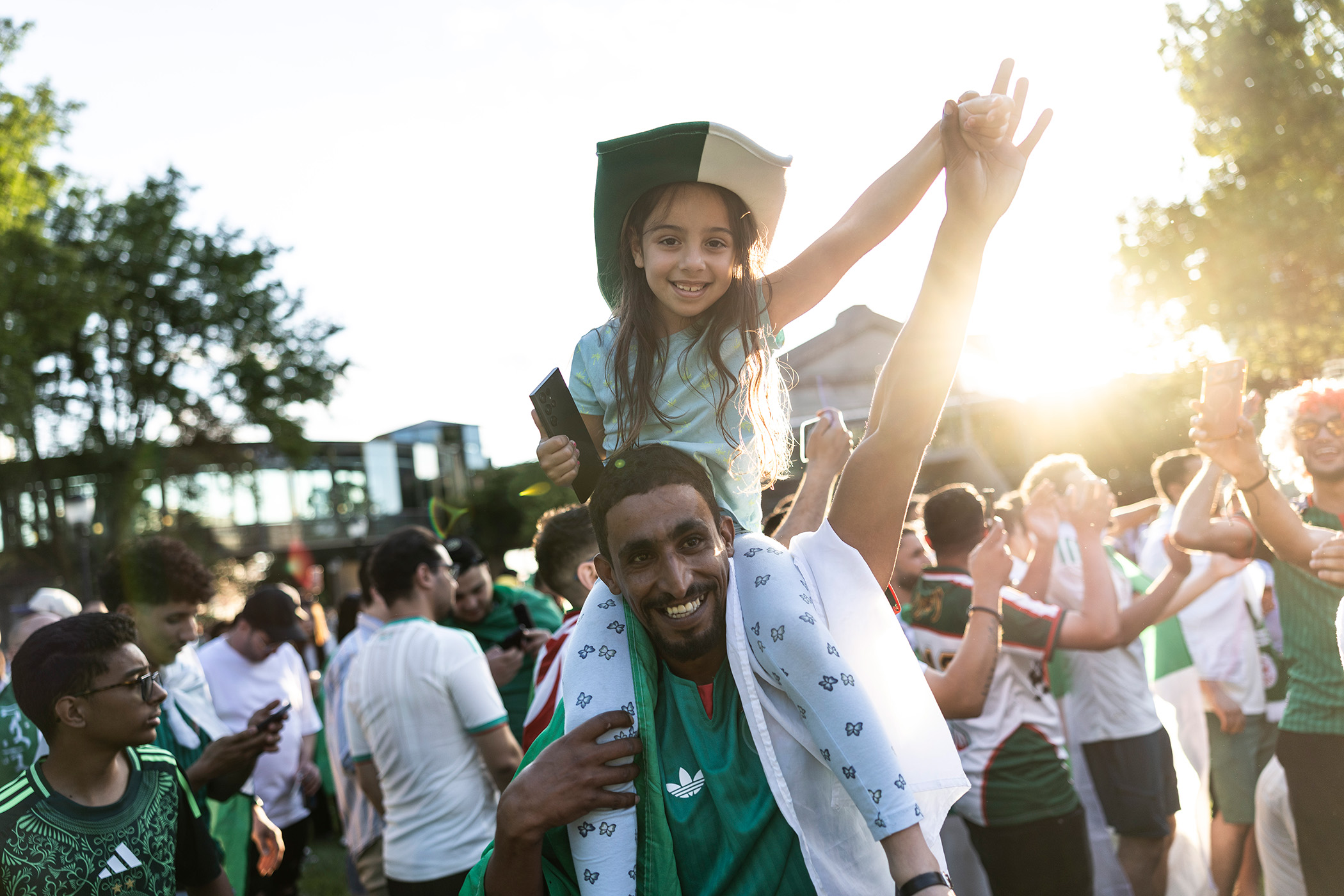
The circumstances, admittedly, help. There were 10,000 or so Australian fans in Vancouver to watch their team unexpectedly beat Turkey in their opening game last week, most of whom have made the brief journey south for their second fixture. More importantly, the United States’ thrilling win against Paraguay has ignited interest in the hosts.
Their meeting at Lumin Field would always have been one of the tournament’s most attractive fixtures; now it is a must-see event. The resale price of tickets, according to those here who are seeking them, currently stands at around $4,000. Everyone is pretty sure this is too much to pay. Only pretty sure, mind. They could probably be persuaded.
But the fact it is an attractive game is only part of it. Seattle has given itself over to the tournament almost entirely. Two barges have been moored on the waterfront and adapted as fanzones, their big screens looming out over the Puget Sound. The flags of the competing nations flutter above the hustle and bustle of Pike Place Market.
Newsletters
Choose the newsletters you want to receive
View more
For information about how The Observer protects your data, read our Privacy Policy
The waterfront is thronged with fans. Everything is walkable, at least by American standards. There is a functioning public transport system; unlike Los Angeles, say, this does not appear to be a city built exclusively for the benefit of Uber’s surge pricing. The Stranger, the city’s alternative newspaper, has printed a free guide to the World Cup aimed both at visitors and football-curious locals.
Seattle is no provincial non-entity. This is the home of Starbucks and Microsoft, Frasier Crane and Kurt Cobain. But it is not a place that habitually has the eyes of the world upon it; it is a city whose appeal, to some extent, ordinarily lies in the fact that it does not feel like the centre of the universe. For a few weeks, thanks to the World Cup, it has the chance. It has decided to make the most of it.