
This article is part of the Rory Smith on Football newsletter – a guide to help understand what is happening on the pitch, off the pitch, and why all of it matters.
Throughout the tournament, Rory will be travelling across America, delivering daily commentary on the biggest World Cup ever direct to subscribers. Never miss a newsletter, subscribe now here.
Some things are worth the wait. The first three weeks of this World Cup have, at times, felt like a little bit of a slog. This tournament, for example, has already featured more games than took place in the entirety of Qatar 2022. Or any previous edition, in fact. And yet we are still, chronologically, only just reaching the halfway point.
That is not to say it has been bad, or boring, or devoid of intrigue or excitement. There have been some genuinely uplifting moments: Vozinha, the Cape Verde goalkeeper, defying Spain; Eloy Rooy, his counterpart with Curaçao, doing the same to Ecuador.
There have been some jaw-dropping individual performances, too: Kylian Mbappé against Senegal, Ousmane Dembélé against Norway, Lionel Messi just generally. The stadiums have been spectacular and broadly well-attended, despite “dynamic” ticket prices. The atmosphere in the host cities has been vibrant, electric, contagious.
But while there have been some genuinely compelling games – not least Austria’s draw with Algeria, the longest first phase in the tournament’s history reaching its improbable crescendo with the last kick in the very last minute of the very last game – it would be disingenuous to suggest that not all of it will prove quite so lasting.
In many ways, the format that Fifa has designed in order to extend the field, and completely by coincidence increase the amount of revenue they can generate, fits our current media landscape perfectly. There are many more games than ever before, but the combination of volume and lack of jeopardy has made each one mean less.
They are empty calories: consumed so passively as to be unthinkingly while you are on your phone, the necessary ingredient for a second screen experience, a form of bright wallpaper that only occasionally intrudes on your actual consciousness. This is football to be scrolled past, football as content, football in the age of the TikTok video.
That is an unavoidable consequence of this model and it is right that Fifa should be criticised for inflicting it on us. But it would be disingenuous not to accept that there are positives, too. The surfeit of inspiring stories in the group stage was one of them. But so is the fact that the expansion of the tournament has brought another round of knockout football. And if you were in any doubt about the value of knockout football, yesterday should really have allayed it entirely.
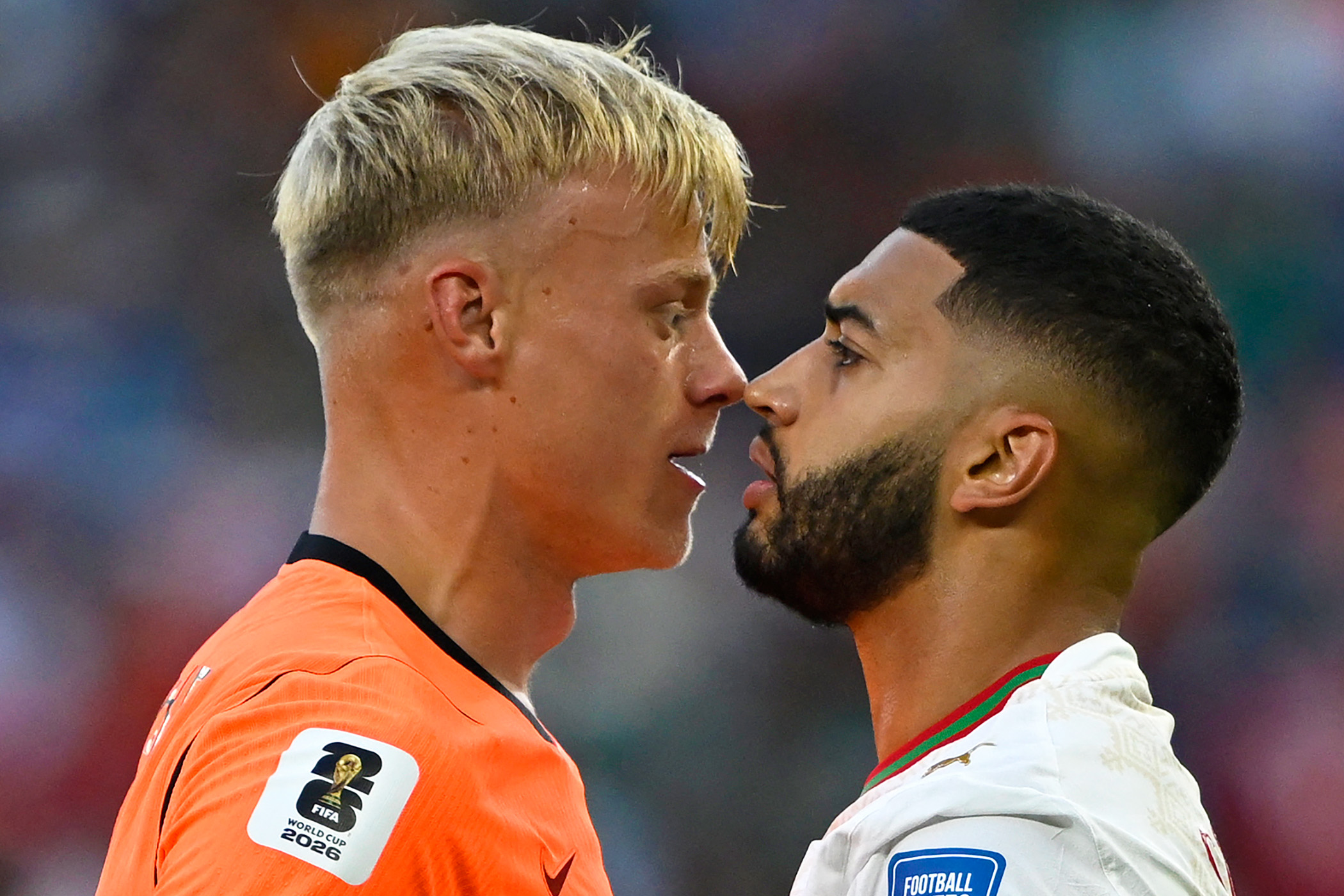
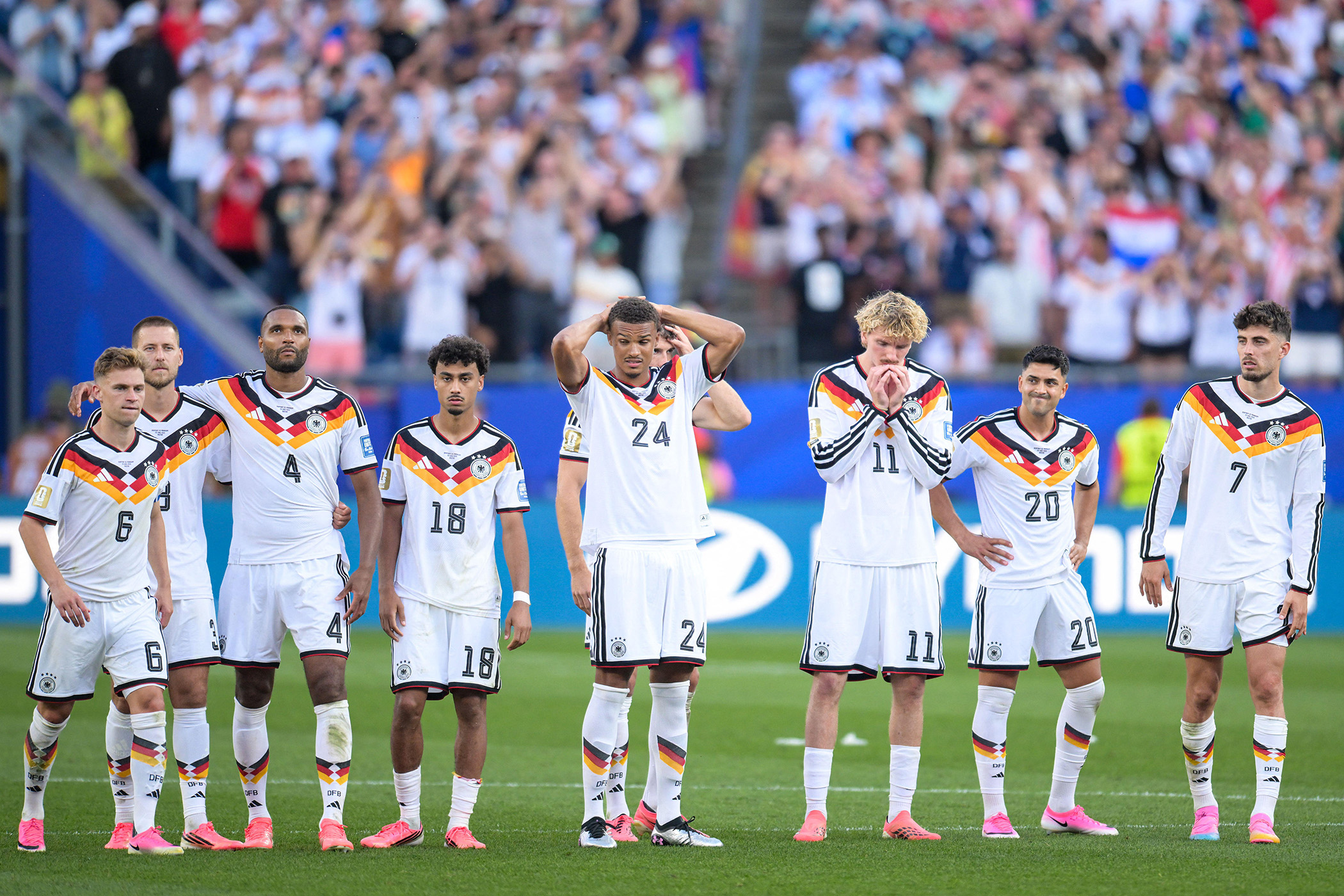
Within the space of 12 hours, Brazil scored a last-minute winner to overcome Japan; Paraguay, who started this World Cup with a 4-1 thrashing by the United States, became the first team to beat Germany on penalties in a World Cup; and the Netherlands and Morocco combined to produce 120 minutes, plus hydration breaks, that may yet be the most absorbing of the tournament.
Newsletters
Choose the newsletters you want to receive
View more
For information about how The Observer protects your data, read our Privacy Policy
That is the quick version, abridged for speed; it does not begin to capture the 4k Ultra High Definition detail that made it all feel so breathless, so urgent, so nerve-shredding. That is where the real glory lies. The devastation of Japan’s players, so close to taking Brazil to extra time, was difficult to watch.
The way that Germany lost, salvaged and then managed to squander the penalty shootout was remarkable. It is possibly not the first time a team has wasted two chances to win a shootout, as Paraguay did, and then went on to claim it anyway (after Jonathan Tah ballooned the first sudden death effort) but no examples leap to mind.
The cliché, meanwhile, would be to say that the encounter of the Dutch and Morocco had everything. That would be true. But it also had several optional extras, the kind that are not included with the standard-issue pack, the sort that normally come at a hidden extra cost.
Not one but two players, Jan Paul van Hecke and Ismael Saibari, currently in the running to be player of the tournament, had to leave the field dripping with blood: it was a fire and brimstone sort of a game, full-blooded and full-throttle, all of it tacitly encouraged by a wonderfully laissez-faire referee.
Cody Gakpo’s goal to give the Dutch the lead prompted a moment that was both haunting and heartwarming: the Liverpool forward, having endured a devastating personal tragedy - the loss of an unborn baby - and electing to remain with his team through it, breaking down in tears as the enormity of what he and his family are suffering hit him all at once; his teammates, not just those on the pitch but all of the substitutes, too, immediately rushing to embrace, to congratulate and console him.
There was Morocco’s injury-time equaliser, a brilliant glancing header from Issa Diop, and Bart Verbruggen’s extraordinary double save, first with his knee and then with his arm, and Yassine Bounou’s unorthodox but deeply effective penalty-saving technique, refusing to dive and simply plucking Crysencio Summerville’s effort out of the air.
All of it happened against the backdrop of a largely Mexican crowd baying for vicarious revenge against the Dutch for a perceived injustice during the World Cup of 2014. It was noisy and it was chaotic and it was wholly engrossing. If a couple of weeks of filler was the price to pay for four more days of this, it was probably worth it.