


This article first appeared as part of the Daily Sensemaker newsletter – one story a day to make sense of the world. To receive it in your inbox, featuring content exclusive to the newsletter, sign up for free here.
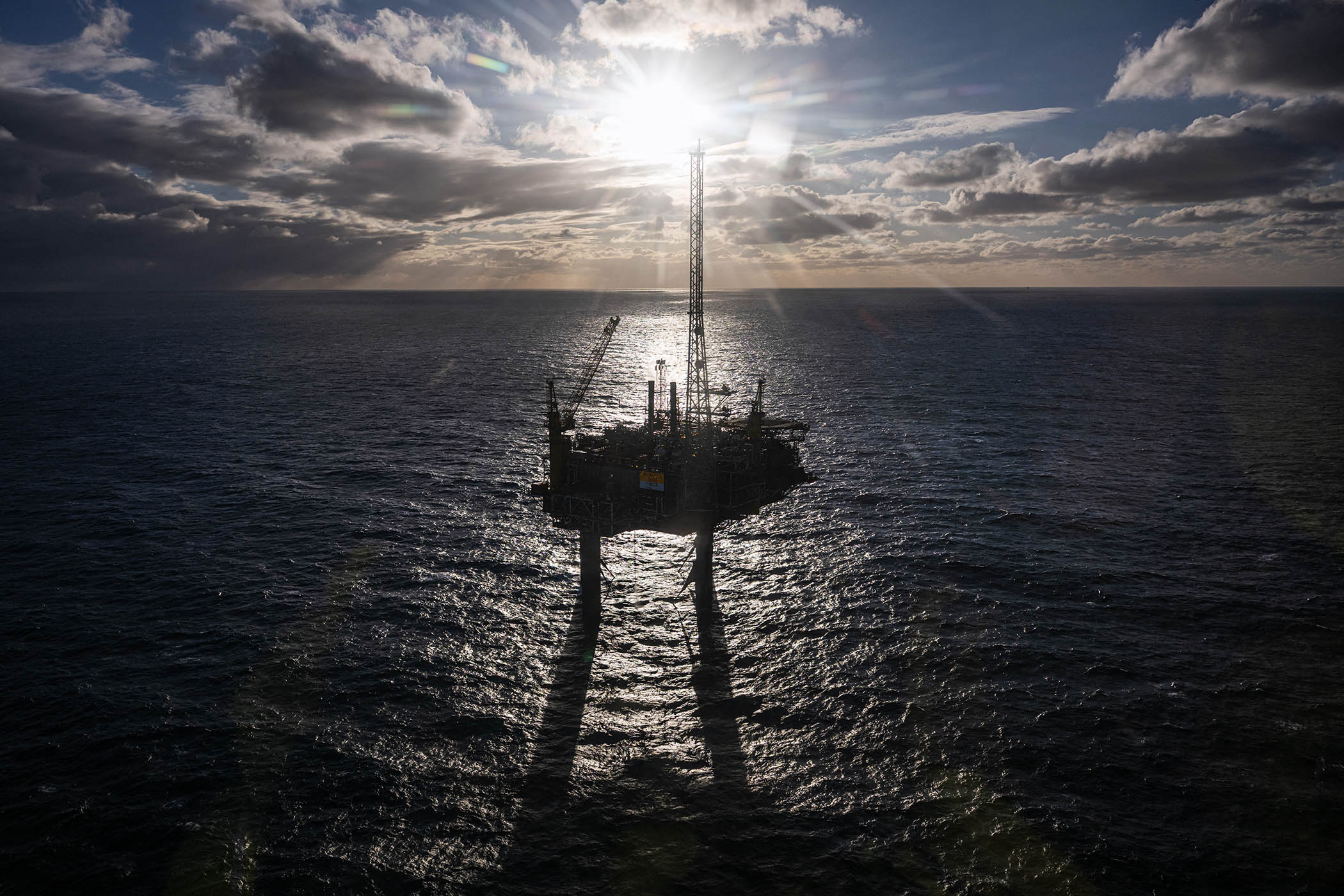
The Conservatives have pledged to scrap “crazy green taxes” and ramp up drilling in the North Sea, claiming this would slash energy bills and help ensure energy security.
So what? It won’t. More reliance on fossil fuels is not a silver bullet to the energy crisis triggered by the Iran war. North Sea oil and gas is subject to high windfall taxes and a moratorium on new exploitation licences as part of the effort to reach net zero by 2050. Drilling for more crude
•
would have a negligible impact on bills;
•
is unlikely to boost energy security; and
•
could hamper the transition to renewables.
Energy shock. The oil price rose by more than 60% in March due to the Iran war. Countries across Asia, which sources most of its crude from the Middle East, have already introduced rationing. There are warnings that similar shortages could hit Europe this month.
Drill baby, drill. Tapping into the UK’s North Sea reserves has been touted as a solution by a variety of politicians on the basis that it would shield the UK from volatile markets and foster energy independence. Nigel Farage, Tony Blair and others have called on Labour to lift its ban on new licences. Even Green voters support drilling in the North Sea.
Do the maths. Most arguments in favour overlook the fact that oil and gas prices are set by global markets, regardless of where the energy is produced. The US, for example, is the world’s largest producer of oil. But this hasn’t stopped its petrol prices from climbing by more than 35%.
Reality check. The UK gets nearly all of its gas from the North Sea, Norway and the US. But roughly 80% of North Sea oil is exported. Even if more were produced, it would still be shipped overseas because Britain lacks the refineries to process it.
Running dry. North Sea production has been in decline for decades. This is partly down to high taxes but also to its status as a “mature basin”. According to calculations by the Energy & Climate Intelligence Unit, roughly 90% of known reserves have already been extracted. Much of the remainder would be difficult and expensive to reach.
Speculative. Proponents of drilling argue that new reserves could be discovered. But success is no guarantee and new fields could take years to become functional. Recent projects have yielded poor results. Voar, an energy consultancy, found that the hundreds of oil and gas licences issued between 2010 and 2024 produced a total of 36 days of gas.
Apples and oranges. Another study by the University of Oxford concluded that maximising North Sea oil and gas extraction would result in modest consumer savings of between £16 and £82 a year, and even then only if the tax revenues were used to subsidise bills. A grid powered completely by renewable energy would save households up to £441 annually.
Go green. Such a grid would also be insulated from future oil crises. Britain has already made great strides in this regard. It was the first major country since 1990 to halve its emissions, which are at their lowest level since the Victorian era. Renewables account for roughly half of the national electricity supply.
Go backwards. Kemi Badenoch wants to prioritise drilling while removing subsidies for wind farms and carbon taxes on electricity generation. She has admitted that most of her envisioned savings of £200 per household would come from scrapping these measures, not by trying to drill for more oil and gas. This approach would do lasting damage to the green transition.
What’s more…. Since the North Sea’s reserves are dwindling, the UK would be left more reliant on fossil fuel imports and even more vulnerable to the next energy shock.
Photograph by Jonathan Nackstrand/AFP/Getty Images
Newsletters
Choose the newsletters you want to receive
View more
For information about how The Observer protects your data, read our Privacy Policy