


This article first appeared as part of the Daily Sensemaker newsletter – one story a day to make sense of the world. To receive it in your inbox, featuring content exclusive to the newsletter, sign up for free here.
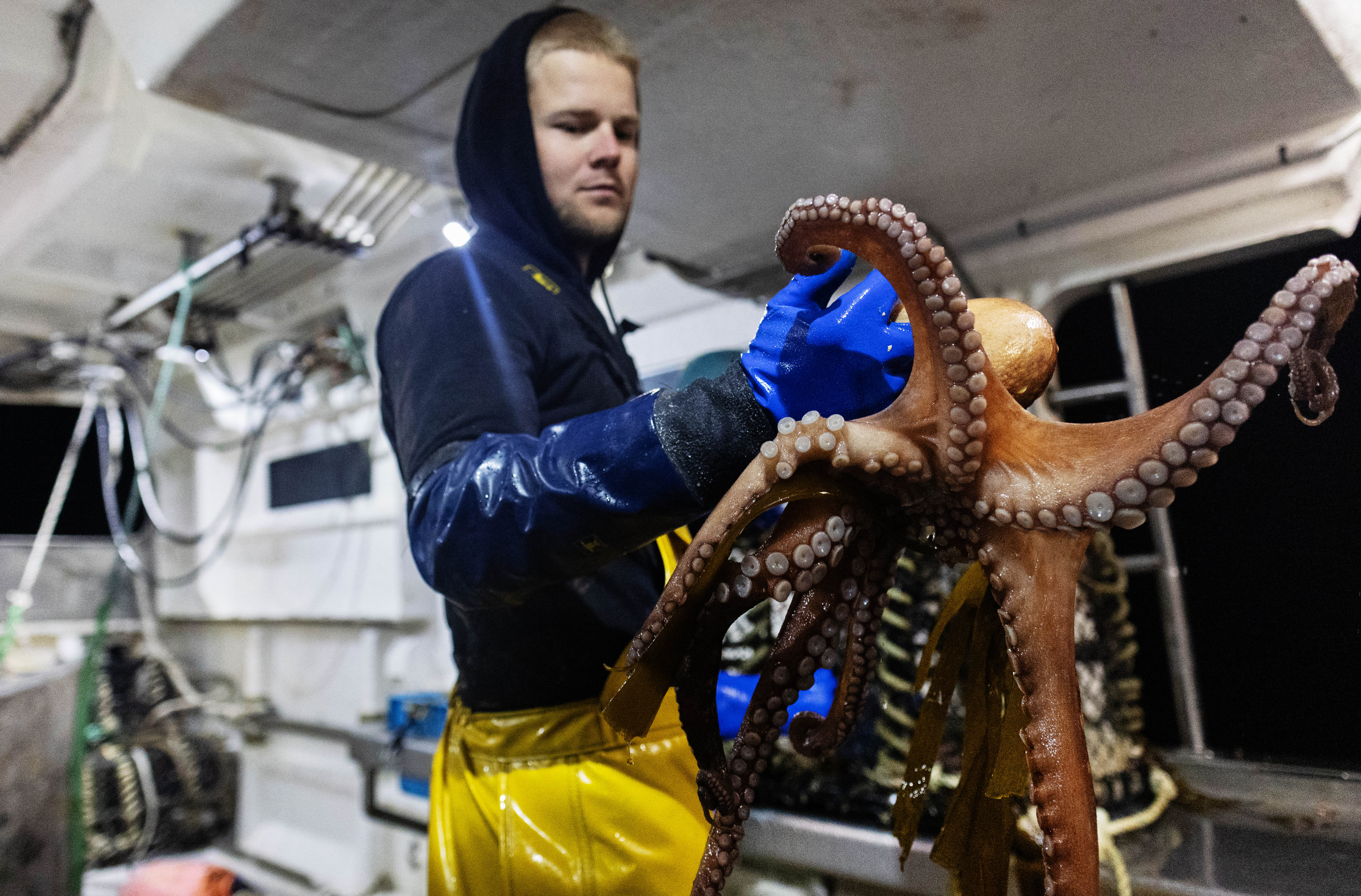
An octopus “bloom” in southwest England is spreading to other parts of the UK, with sightings as far north as Scotland, a study has found.
So what? A seismic transformation is underway in English waters. The amount of octopus caught in 2025 was 1,800% higher than normal. This trend
•
has been linked to climate change;
•
is decimating shellfish populations; and
•
could become permanent.
New pastures. The common octopus is a warm-water species that is usually found in the temperate waters of the Mediterranean, but has slowly crept north. The current bloom started when octopus larvae drifted across the Channel at the beginning of 2025, carried on plankton.
Good timing. It was an opportune moment. Last spring saw an unprecedented marine heatwave off Devon and Cornwall, with temperatures 4C higher than average in some areas. This created the ideal conditions for the animals to develop.
Chance encounters. The research by the Marine Biological Association (MBA) and the University of Plymouth documenting their spread was partly based on sightings by scuba divers. Some respondents reported seeing eight octopuses in areas where previously there were none.
This is not without precedent. There have been at least four major octopus blooms in the last century or so, with particularly big ones in 1899 and 1950. Bryce Stewart from the Marine Biological Association, who led the study, told The Observer that “this seems different.”
Putting down roots. During past surges, the octopuses were killed off by cold winters before they could reproduce. But the study revealed that octopuses are breeding in high numbers, with divers reporting seeing eggs, juveniles and pairs of mating adults.
Why? Stewart puts this down to climate change. UK sea temperatures have increased by some 1.2C over the past four decades, and marine heatwaves are becoming more frequent.
Full nets. Recent landings indicate that octopus numbers continue to grow off southwest England, with April’s catch the highest on record. Last month more than 100 tonnes were caught in a single day in the Devon port of Brixham, yet another record.
Mixed blessings. Like humans, octopuses have a taste for crabs, scallops and lobsters. Landings of all three have plummeted in the southwest, with lobster catches down by 90% in some areas. But the bloom could bolster populations of seals, conger eels and dolphins, which eat octopuses. “It’s completely shaken up the food chain,” said Stewart.
What’s more… Octopuses are not the only sea creature benefiting from warming waters. UK sightings of barrel jellyfish, which can grow the size of dustbin lids, grew by 230% last year.
Photograph by Fred Tanneau/AFP/Getty Images
Newsletters
Choose the newsletters you want to receive
View more
For information about how The Observer protects your data, read our Privacy Policy