


Two weeks into the official bathing season, swimmers were bombarded last Tuesday with warnings of raw sewage pouring into England’s seas. Since the start of this year, water firms have dumped sewage into the country’s rivers and seas for more than 1.5million hours, according to preliminary data.
An analysis by The Observer has revealed that some overflows on England’s coastline are recorded to have dumped sewage more often in the first five months of this year than for all of 2025. Swimmers say they feel “powerless” after pledges by the water firms to protect bathing waters.
At Hythe on the south coast, a sewage overflow pipe intended for emergency use to divert sewage away from homes and streets has pumped out 873 times since the start of the year, compared with 466 times for the whole of 2025, according to data collated by the charity Surfers Against Sewage from water industry figures. Swimmers along this Kent stretch of coast were sent eight sewage pollution alerts during the week.
The Hythe outflow pump discharges storm water and sewage about one and a half miles off the coast, but the flows can blight beaches in Hythe, Sandgate and Folkestone.
While Hythe was rated as excellent for its bathing water quality last year, regular swimmers face the risk of sporadic discharges of raw sewage from Hythe and other sewage overflows along this stretch of case. The advice at nearby Dymchurch beach, about five miles away, is not to swim because of the consistently poor water quality.
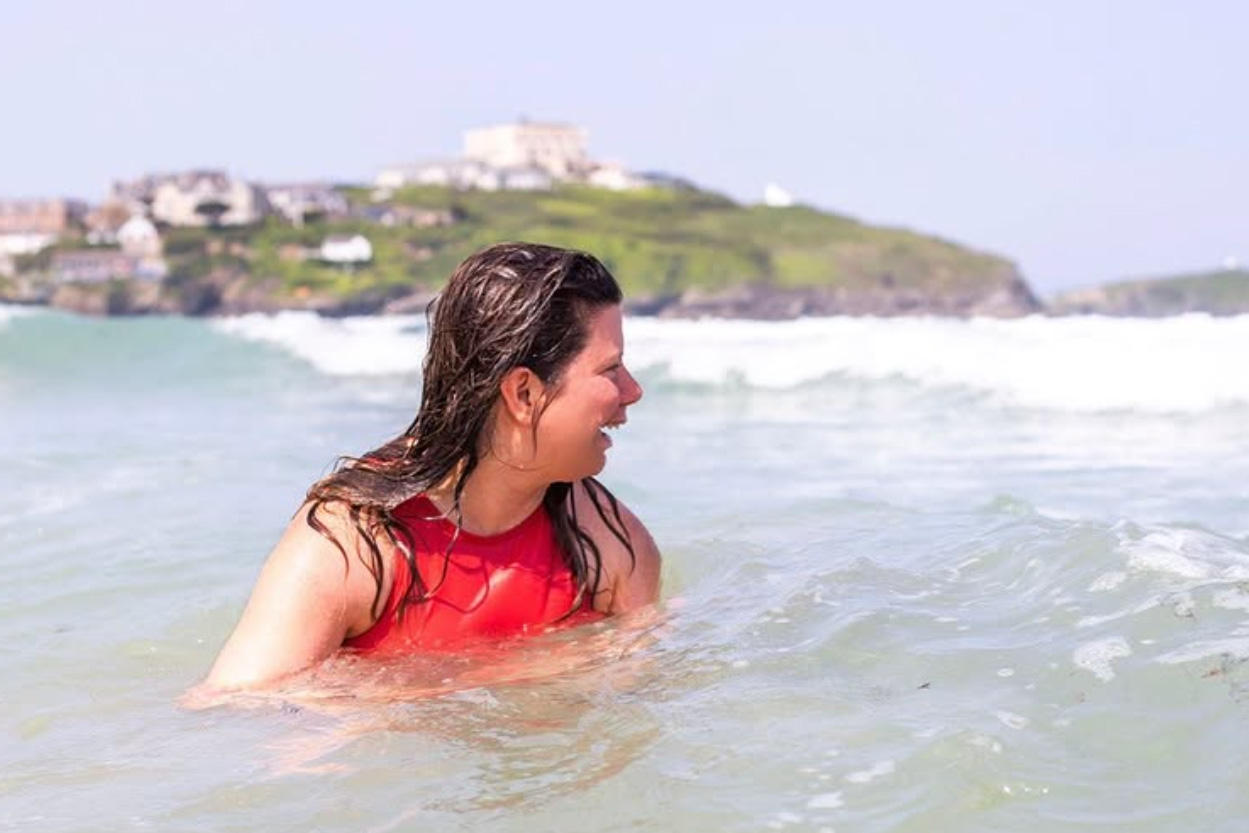
Kirsty Hogben, 31, an open water swim coach who is based in Sandgate, cancelled lessons with clients on Tuesday and Thursday because of the sewage alerts.
“This feels like a public health crisis and it’s heartbreaking for someone like me who relies on the water for a coaching business,” said Hogben. “When there are releases, you can see this brown patch of water compared to the blue and it’s shocking.
“People are starting to feel quite helpless because we have done so many protests. We have a huge swimming community in this area and people have done their best to try and make a difference.” The swimming community and residents successfully campaigned for Sandgate Granville Parade beach near Folkestone to be awarded official bathing water status this year.
Data released by the government in March revealed raw sewage was discharged into England’s rivers and seas for 1.8m hours in 2025, with sewage overflows operating 291,492 times. This was a 35% decrease in total hours, but 2025 was a significantly drier year than 2024. Sewage overflows are designed to relieve pressure on the often inadequate water infrastructure during heavy rain.
Data collated by the website Top of the Poops reveals that sewage overflow pipes in England have already operated for 1,506,109 hours from January 1 this year to June 2. Overflows at South West Water have operated for more than 338,000 hours in the first five months of this year, compared with 407,006 for all of 2025. This is raw data which may be revised after checks for any false alerts.
Newsletters
Choose the newsletters you want to receive
View more
For information about how The Observer protects your data, read our Privacy Policy
While bathing waters are tested weekly during the bathing season, sporadic sewage discharges are a constant health hazard for year-round swimmers. Charlie Green, 26, from Colchester, Essex, suffered a skin infection, probably from a cut when swimming at Trevaunance Cove Beach near St Agnes in Cornwall in November last year.
Green was told by hospital doctors that the infection was likely to have been caused by sewage pollution. “It looked like a snake bite and the infection started running up the inside of my leg,” he said. “It took a long time for my body to recover and to get the confidence to go surfing again.”
While sewage overflows are designed to operate in wet weather, water firms have been criticised for dumping sewage during dry spells and breaching their environmental permits. Data published by Surfers Against Sewage earlier this year shows water companies discharged sewage on dry days for over 187,000 hours in 2025, including 7,885 hours into bathing waters. South West Water was responsible for the highest number of dry spills, totalling 46,191 hours of discharges in 2025.
In March, South West Water pleaded guilty to a catalogue of pollution-related discharges over six years, including 231 discharges of raw sewage at Harlyn beach, near Padstow in Cornwall, between January 2016 and July 2021. Sentencing is expected in July.
Ministers say that water firms are now being held to account over sewage discharges with improved monitoring of sewage overflows in real time and a tougher inspections regime. The failures of the water companies and the regulator over the sewage scandal was recently highlighted in the Channel 4 drama Dirty Business.
The improved analysis and transparency has already supported £10.2bn of investment in storm overflow upgrades.
Southern Water said the Hythe outfall operated more often during heavy rain, with assessments showing a “small to negligible” impact on water quality. The company said it was investing £42m across Folkestone and Hythe to upgrade infrastructure. A spokeswoman said: “While there are many factors that impact water quality, we take our role in this extremely seriously and are working closely to improve water quality in Kent.”
South West Water said it cut storm overflow spills by 17% last year and a £760m investment plan targeting overflows was already delivering improvements. The company said the majority of dry day spills are caused by groundwater infiltration following rainfall.
A spokesperson for the n Environment Agency said it had undergone significant changes in recent years to better tackle water pollution. They added: “Since 2015, we have concluded 69 prosecutions against water and sewerage companies securing fines of over £153m.”
A Defra spokesperson said: “This government has taken swift action to hold water companies to account. We have banned unfair water boss bonuses, and our reforms will establish a new regulator with greater powers to drive transparency and protect the environment.”
Photograph courtesy of Kirsty Hogben