


This article first appeared as part of the Daily Sensemaker newsletter – one story a day to make sense of the world. To receive it in your inbox, featuring content exclusive to the newsletter, sign up for free here.
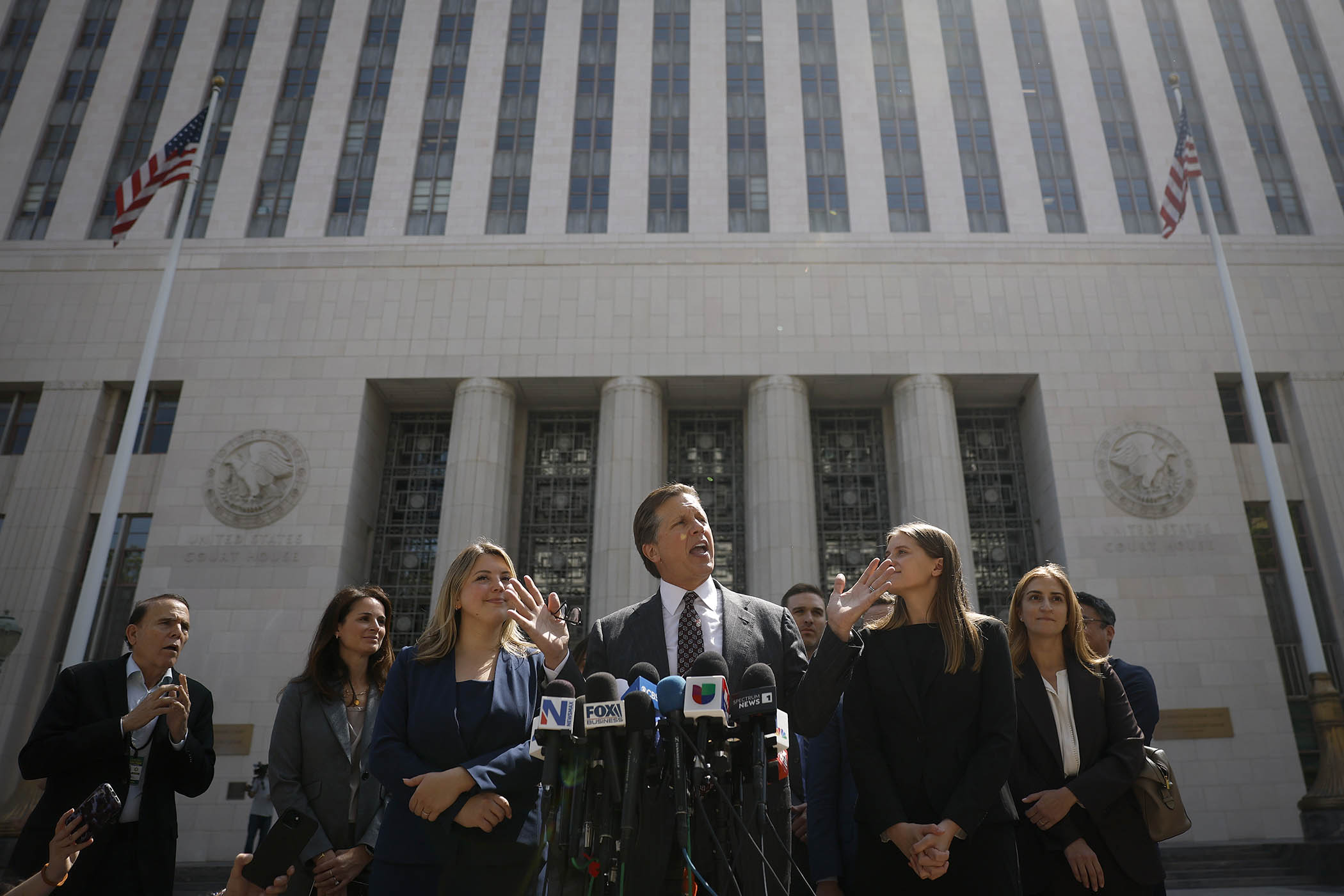
A jury in Los Angeles has determined that Meta and YouTube harmed a 20-year-old woman who became addicted to their platforms. The companies were ordered to pay her $6m in damages.
So what? This is a small amount of money for firms which collectively make hundreds of billions in revenue every year. But the ruling is a five-alarm fire for big tech. A growing body of research suggests social media damages the mental health of young people. But never before has a claimant successfully argued that individual firms are liable. The decision
•
has been called Silicon Valley’s ‘big tobacco’ moment;
•
sets a precedent for thousands of similar lawsuits; and
•
could fundamentally reshape social media if it is upheld.
Familiar story. The woman, known as Kaley, told the court that she became hooked to social media after signing up to YouTube when she was six and Instagram when she was nine. She said this led to depression, body dysmorphia and suicidal thoughts. Her lawyer argued that the tech giants had built “addiction machines” using personalised algorithms and infinite scrolling.
Intelligent design. He also produced internal company documents suggesting that the platforms actively tried to attract children despite knowing that they could be harmful.
In defence. Mark Zuckerberg testified that Meta had adequate child safety guardrails. YouTube maintained that it is a streaming site, not a social media platform. This failed to convince the jurors. Meta was ordered to pay $4.2m, while Instagram was told to pay $1.8m. Both TikTok and the owner of Snapchat settled for undisclosed sums before the trial started.
Publisher vs platform. Tech companies have previously been shielded from legal action by a section of the US Communications Decency Act, which states that they are not liable for content posted by their users. But the case focused on the design of the platforms.
Blueprint. The novel strategy has re-written the legal playbook and is likely to be replicated. Thousands of similar lawsuits have been filed that accuse tech firms of designing products harmful to children. The cumulative impact could be ruinous.
From all sides. Earlier this week a court in New Mexico fined Meta $375m for failing to protect children and exposing them to sexual predators. This was another first.
Virtual reality. Meta reportedly laid off hundreds of people on Wednesday, while the company’s stock fell by more than 6% on Thursday morning. Even so, it still plans to spend up to $170bn this year as part of its attempt to win the AI race.
Nicotine to dopamine. The legal cases have drawn parallels with litigation brought by more than 40 US states against cigarette makers in the 1990s. The lawsuit accused them of marketing their products to young people while concealing the health dangers. It eventually resulted in a master settlement of $206bn. The firms also agreed to scale down their marketing.
Car without wheels. Meta and YouTube intend to appeal the Los Angeles verdict. If unsuccessful, they could be forced to remove the features that make their platforms addictive, which would upend their business models and fundamentally alter the experience of users.
Trailblazer. The backlash against big tech has been a slow burn. It has been nearly five years since Frances Haugen, a former Facebook employee, leaked documents that appeared to show the platform knew its products were harmful to teens but downplayed the dangers in public.
Now everyone cares. After Australia banned teenagers from social media in December, countries from Denmark to Indonesia have discussed similar legislation. This week, the UK government began to trial a digital curfew for hundreds of young people.
Long way to go. Dozens of US states have banned phones in schools. But attempts to regulate tech platforms at the federal level have foundered in Congress. Numerous child safety bills have been introduced and Silicon Valley bosses have been hauled before lawmakers, but to no avail.
What’s more… This is why the battle is being fought and may be won in the courts.
Photography by Justin Sullivan / Getty Images
Newsletters
Choose the newsletters you want to receive
View more
For information about how The Observer protects your data, read our Privacy Policy