
This article first appeared as part of the Daily Sensemaker newsletter – one story a day to make sense of the world. To receive it in your inbox, featuring content exclusive to the newsletter, sign up for free here.
Andy Burnham says he won’t take Britain back into the EU if he becomes prime minister.
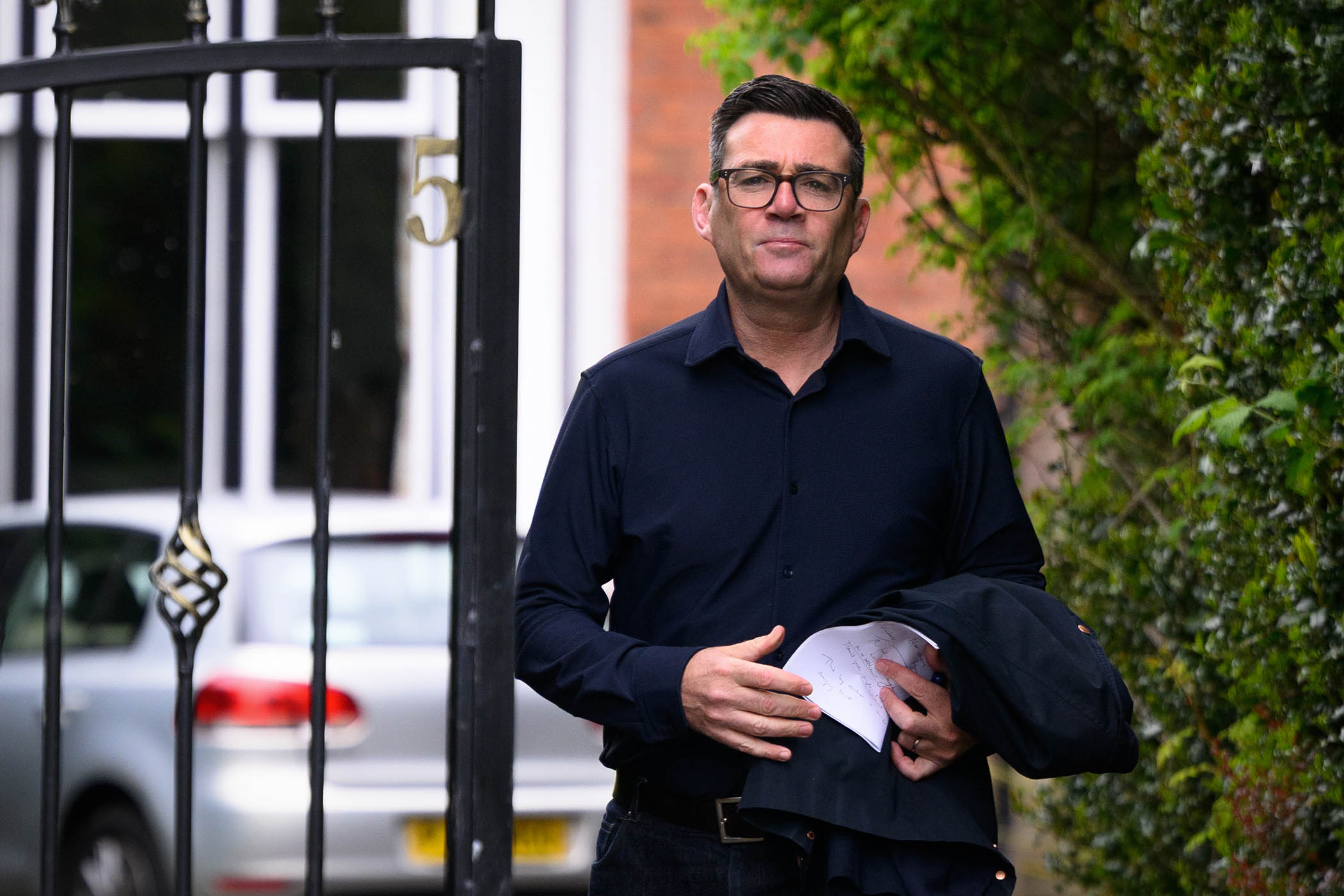
So what? He has to say this. The King of the North (who also says he hears the disquiet about his exercise shorts) is running for parliament in a constituency where
•
65% of voters backed Brexit in 2016; and
•
more than half voted for Reform in this month’s local elections.
Burnham would prefer not to talk about Brexit right now, having backed rejoining wholeheartedly only last year. But he couldn’t avoid it in a speech yesterday because Wes Streeting, the former health secretary, restarted the Brexit wars on Saturday by saying he would like to rejoin the EU, even though the Labour grandee David Blunkett says that would be “suicidal” for the party.
That bad? No. Recent polling suggests 63% of British voters want a closer relationship with Europe and 55% would like to rejoin. What rejoin enthusiasts do need to bear in mind is that
•
55% is nowhere near the 60-70% that hard-boiled EU observers reckon would have to favour rejoining before Brussels would take a British application seriously;
•
even that 55% could crumble on contact with conditions likely to be imposed by the EU, such as adoption of the Euro; and
•
whatever enhancements Labour seeks next to the EU-UK relationship are going to be hard-won because the European Commission is giving nothing away.
Negotiations for a youth “experience” scheme, for example, are stuck on British demands for a numbers cap of around 50,000 but also on an EU requirement that EU students be charged local fees only to attend UK universities.
Cheer up, rejoiners. Burnham could lose the Makerfield byelection, expected on 18 June. There would still be a Labour leadership contest. Streeting would be in it and he’s expected to restate his rejoin argument in a Commons speech as soon as today, on the basis that
•
there’s a clear rejoin majority in the parliamentary Labour party and among party members;
•
he believes in getting back in and thinks he might as well say so; and
•
he believes there’s a rejoin coalition to be assembled nationally, even if it’s not the one with the giant red retaining wall that brought Labour to power 22 months ago.
Manchesterism 2.0. The above is what the Manchester mayor can’t say. What he did say yesterday was that Margaret Thatcher’s deregulation and deindustrialisation set Britain on the wrong path 40 years ago; that he’d shown Manchester the right one as mayor, not least with £2 bus fares; and that he’d renationalise “basics” such as energy and public transport. He said Brexit has been damaging “but the last thing we should do is revisit these arguments”, and that Britain would be “stuck in a permanent rut” if we did.
Speaking of ruts. Streeting is not alone in thinking of Brexit as a rut and anything short of rejoining as another version of a rut, yielding only marginal economic gains and leaving Britain as a fee-paying rule-taker.
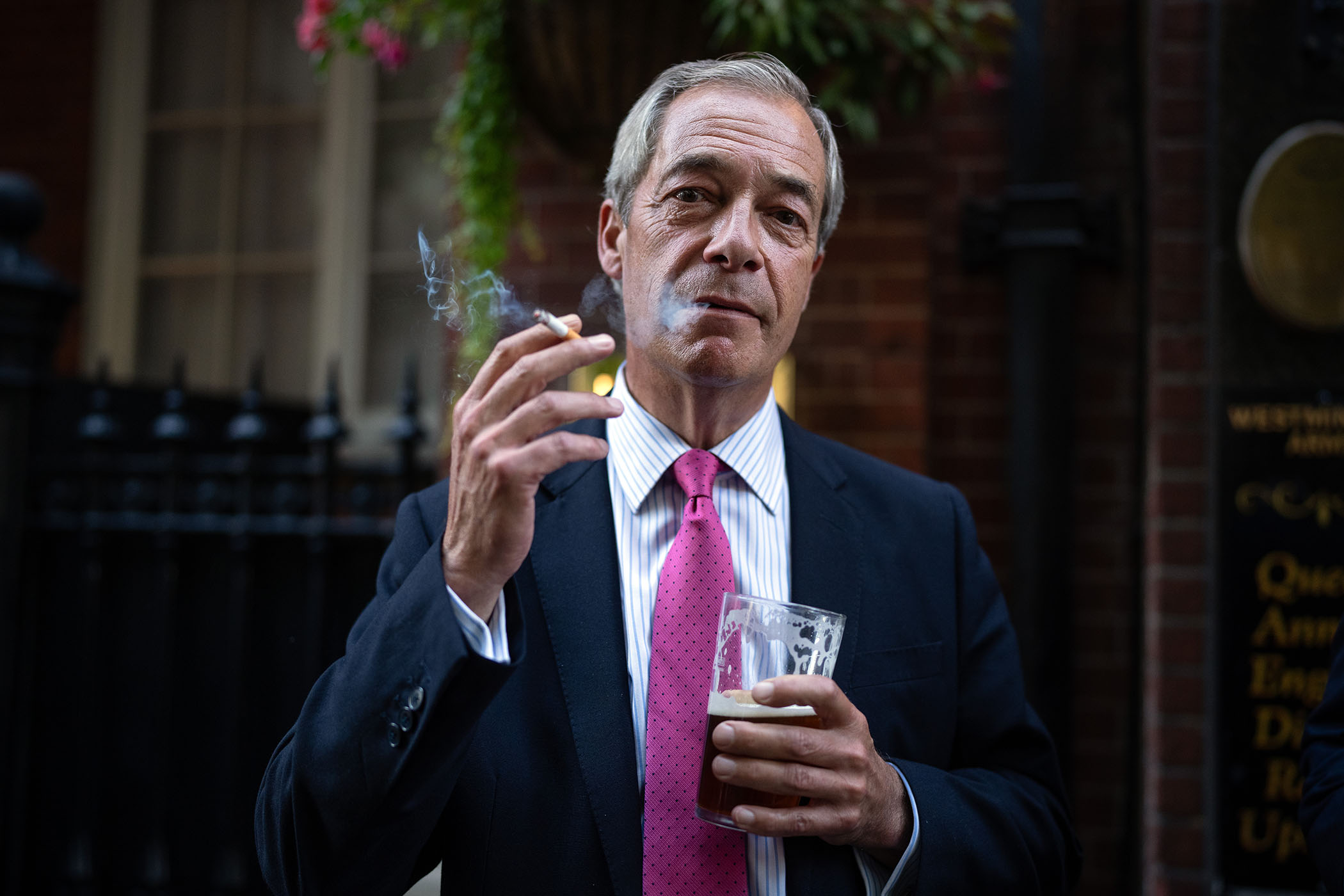
Or what? Reform’s Nigel Farage responded to Streeting’s Europe gambit with a reminder that EU membership would entail free movement rights in the UK for nearly 500m EU citizens, omitting as usual to note that only a tiny fraction would use them and UK citizens would enjoy them too.
Times have changed. When net EU migration to the UK was surging in the middle of the 2010s “the UK economy was stronger and its labour market more open than many other EU economies’,” Rob McNeil of the Migration Observatory says. “But after the referendum the key EU countries that sent large numbers of people to the UK have done some significant economic catching up. Poland for example has seen a big increase in the dynamism of its economy in the last ten years. Similarly Romania and Bulgaria have done pretty well from being members of the EU.” No one can forecast migration patterns in the event Britain rejoined, but the pull factor wouldn’t be the same.
What’s more… Nor would the exchange rate. The pound lost 20% of its value against the euro at a stroke in 2016 and has clawed little of it back. The UK’s attractiveness to EU workers has, commensurately, shrunk.
Photograph by Gary Oakley/Getty Images
Newsletters
Choose the newsletters you want to receive
View more
For information about how The Observer protects your data, read our Privacy Policy