
This article first appeared as part of the Daily Sensemaker newsletter – one story a day to make sense of the world. To receive it in your inbox, featuring content exclusive to the newsletter, sign up for free here.
Four days into Donald Trump’s war of choice in Iran, it is still not clear why he launched it.
So what? This matters because Trump’s motives are likely to determine
•
his methods;
•
his stamina and tolerance for US casualties; and
•
his willingness to engage seriously with allies and possible successors to Ayatollah Khamenei.
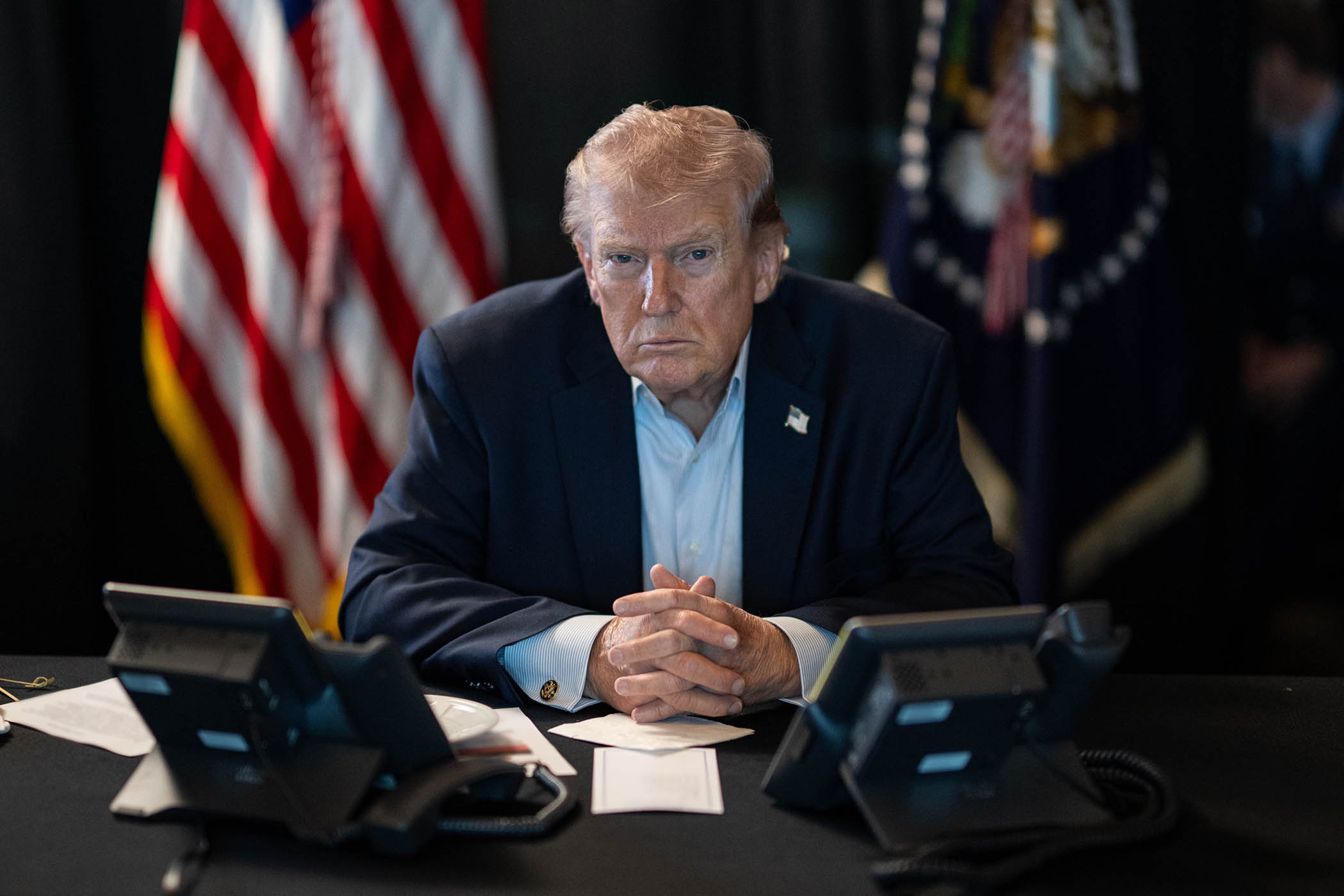
Sliding scale. Trump’s look on Saturday night was as bizarre as his rhetoric: eyes shrouded by a baseball cap, bombs “dropping everywhere”. But at least his thinking had the clarity of distance. It has become muddier. Historians will probably decide he had many reasons to attack. A useful approach for now may be to rank them by nobility of intention, from most to least.
1. Fresh start. Occam’s razor says the best explanation is usually the simplest. That would be the one Trump gave first: to deny Iran a nuclear weapon and precipitate regime change. Seize the day, he told Iranians fed up with theocracy. “Take over your government… This will probably be your only chance for generations.” He may be right.
2. Retribution. Trump told Iranian protesters in January that help was on its way. It didn’t come in time, and tens of thousands were killed. The US did not have enough military assets in the region for an attack then, but Trump moved fast to assemble them and struck once they were in place. To note: his Saturday speech didn’t actually mention the protesters. It did mention Iranian attacks on US personnel as far back as 1983.
3. Intel. The New York Times reported this weekend that the CIA learned “shortly before” the attack that Khamenei and multiple senior military and civilian leaders would be in the same Tehran compound on Saturday morning. On Friday afternoon, on advice from Vice President JD Vance and others, Trump approved a plan to target them all at once.
4. Whisperers. More influential than Vance over the longer term have been Israel’s Benjamin Netanyahu and Saudi Arabia’s Mohammed bin Salman. Netanyahu had reportedly been urging Trump to hit Iran rather than pursue a diplomatic nuclear deal since mid-February. MBS, in public, ruled out American use of Saudi airspace but backed a military strike in private. Sources told The News Meeting that the crown prince is now considering joining the US-Israeli campaign.
5. A taste for it. The president who promised to extricate the US from old wars and not to get involved in new ones seems to have developed a fondness for military force since kidnapping Venezuela’s Nicolás Maduro with no American loss of life. That was “the perfect scenario”, he told an interviewer at the weekend.
6. Diplomacy was working. Oman’s foreign minister, Badr bin Hamad Al Busaidi, flew to Washington last Friday in a last-ditch effort to persuade Team Trump that talks Muscat was hosting in Geneva were producing “creative and constructive proposals” – including an Iranian pledge not to seek nuclear weapons. If Trump was by that time committed to war, a diplomatic breakthrough was the last thing he needed.
7. Wag the dog. Last Thursday, Democrats in Congress accused the US Justice Department of withholding documents from publicly released Epstein files that contain allegations of sexual abuse of a minor by Trump. The DoJ and Trump deny these allegations, which have in any case been wiped off the front pages by Iran.
8. Shake the tin. For now it’s legal in the US to bet on the outbreak of war and the removal of a foreign leader, and a Reuters analysis of the Polymarket prediction platform shows that $529m was wagered on the timing of Saturday’s strike. A further $150m was bet on “Khamenei out” contracts. Not all the bets paid off but six Polymarket accounts netted $1.2m between them from bets placed in the hours before the attack.
What’s more… Democrats aren’t being coy about the implications. Mike Levin, a congressman from California, accused the gamblers of “profiting off advance knowledge of military action”. So who knew what, and when?
Photograph by The White House/Anadolu via Getty Images
Newsletters
Choose the newsletters you want to receive
View more
For information about how The Observer protects your data, read our Privacy Policy