
This article first appeared as part of the Daily Sensemaker newsletter – one story a day to make sense of the world. To receive it in your inbox, featuring content exclusive to the newsletter, sign up for free here.
Iran said it was reviewing a US-backed peace proposal to end the conflict in the Middle East.
So what? The fundamentals remain unchanged. There is still little evidence that either side is willing to bridge the gap between their positions. Yesterday’s attack on an Iranian-flagged ship suggests that Donald Trump still thinks he can bring about submission by force. Meanwhile
•
the Strait of Hormuz remains closed with growing costs;
•
there is no evidence that the US has fulfilled its war aims; and
•
Project Freedom was launched and abandoned in a little over 48 hours.
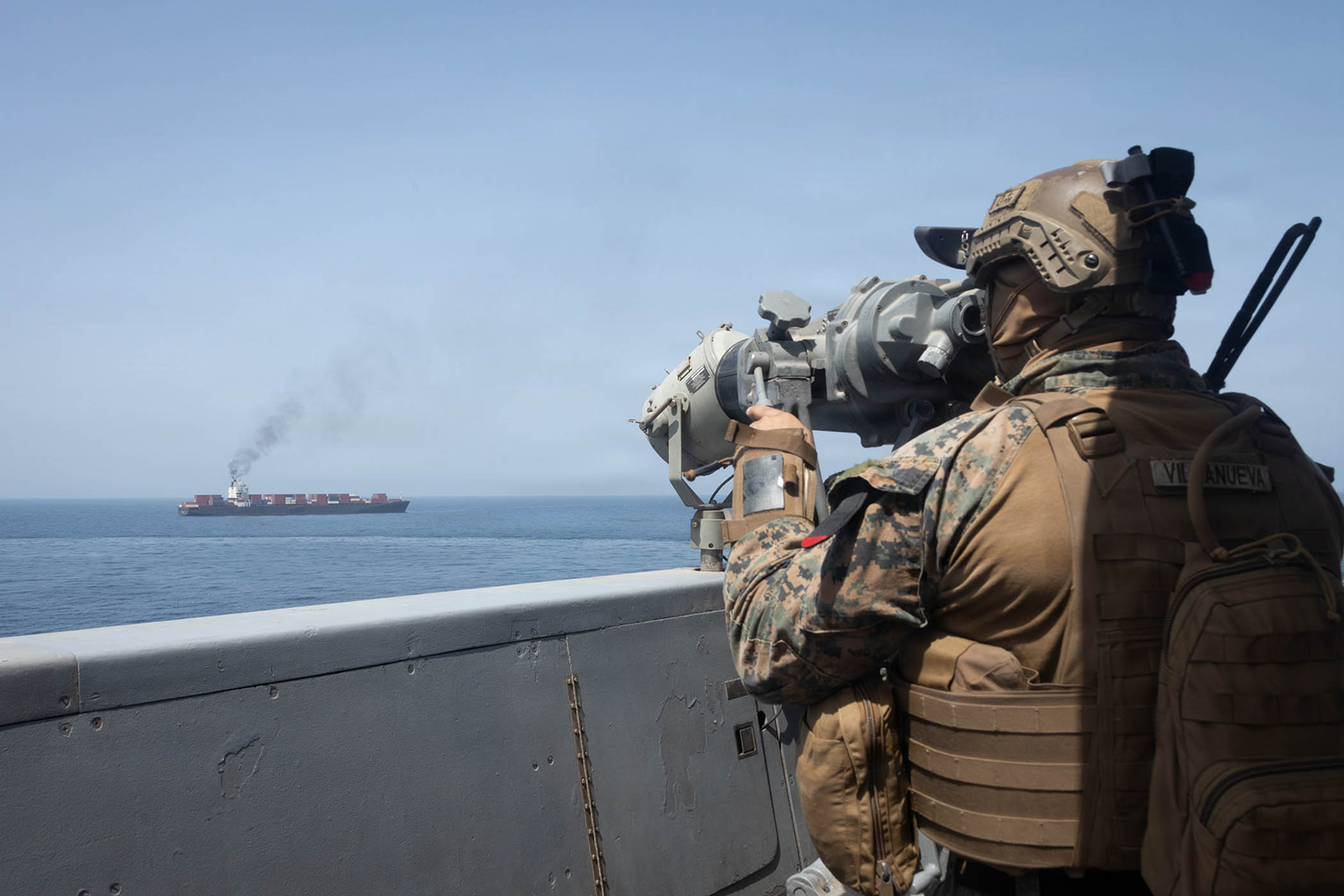
Operation open up. Trump announced Project Freedom on Sunday as a “humanitarian gesture” to provide relief to countries that have become collateral damage in the US war with Iran. He sent 15,000 US troops to the strait, along with 100 seacraft and aircraft, to open the Strait of Hormuz and allow more than 1,000 commercial ships and 20,000 sailors to leave.
Only words. Stephen Cotton from the International Transport Workers’ Federation told ship-owners that they should “not to treat this announcement as a green light” as there were few assurances of safe passage. Only two US-flagged ships made it through the channel on Monday, along with a third vehicle carrier operated by Danish shipping giant Maersk.
Unilateral. Tehran immediately threatened any military force from entering the channel, particularly the US. Within hours of Trump’s announcement, Iranian drones hit an Emirati oil tanker in the strait. Abu Dhabi spent two days intercepting missiles fired its way.
War is over… Rubio told reporters on Tuesday that the US had “concluded” its operation in Iran and that its objectives had been achieved. There is limited proof of this. The regime remains in place and is effectively in control of the Strait of Hormuz, which was open before the war began.
… If you want it. “Washington now faces an unwinnable war and an unacceptable deal,” said Ali Vaez from the International Crisis Group.
Different planets. Trump abruptly paused Project Freedom on Tuesday and said it would give time for progress towards a conclusive ceasefire agreement with Iran. The US blockade of Iranian ports is in effect, although Iran has said it won’t negotiate until it ends. Iran has delayed discussions to curb its nuclear programme, which was the central aim of the US invasion.
Weapon of mass disruption. Every hour that the Strait of Hormuz is closed does more long-term damage to the world. On Tuesday, Saudi Arabia declared a $33.6bn budget deficit linked to the drop in oil sales. The United Nations has warned that 45m people risk acute hunger if fertiliser supplies don’t make it through the waterway before the end of the month.
Ready to go. France’s aircraft carrier group has moved into the Red Sea, waiting for a ceasefire to enact a joint mission with Britain to remove mines from the Strait of Hormuz and unblock the waterway once and for all. It’s not clear if Iran will accept this, even with a US deal. Tehran recently launched a new state organisation to collect tolls from transiting ships.
And another thing. There is also little clarity about what this means for Lebanon, where Israeli attacks continue. Tehran has insisted that peace there must be part of a permanent ceasefire, but Israeli prime minister Benjamin Netanyahu appears to take the opposite view. There are ongoing questions about whether Trump has the will or the ability to bring him on side.
What’s more… All indications suggest that Iranian hardliners want to keep control of the Strait of Hormuz even if they allow it to reopen. With a more hostile regime now in power in Tehran it is hard to see a scenario in which the White House can convincingly claim victory.
Photograph by Getty Images
Newsletters
Choose the newsletters you want to receive
View more
For information about how The Observer protects your data, read our Privacy Policy