
This article first appeared as part of the Daily Sensemaker newsletter – one story a day to make sense of the world. To receive it in your inbox, featuring content exclusive to the newsletter, sign up for free here.
Lebanese and Israeli diplomats are expected to meet in Washington today for talks aimed at shoring up a shaky ceasefire.
So what? The two countries are not technically fighting each other. Israel’s offensive in Lebanon is not directed at the state but at Hezbollah, a powerful Iranian proxy which remains opposed to direct negotiations. But much will depend on the outcome of the talks, including
•
a lasting end to the fighting;
•
Lebanon’s internal stability; and
•
the trajectory of the US war with Iran.
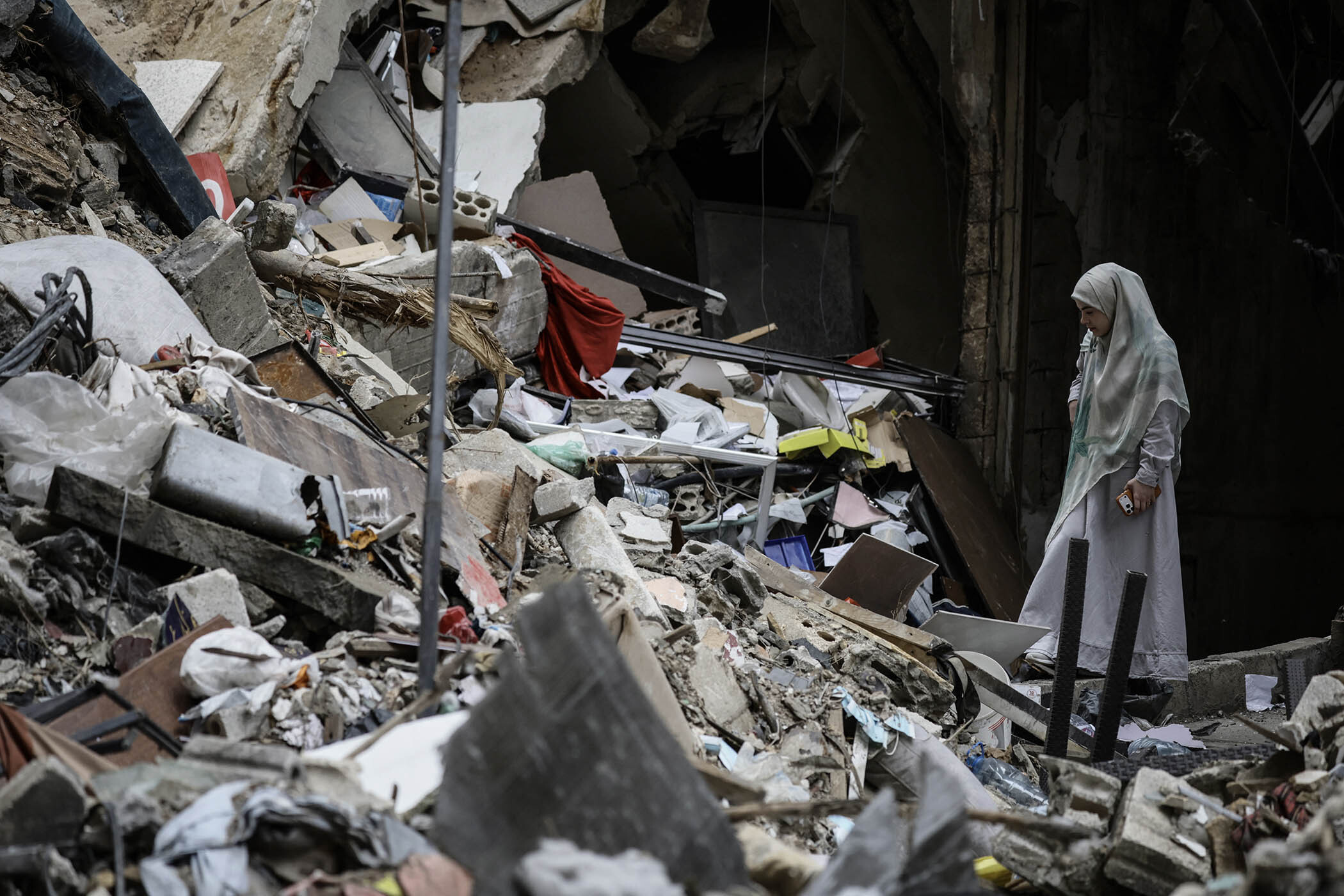
How we got here. Hezbollah launched rockets into Israel in support of Iran on 2 March. Israel responded with a military campaign that has killed more than 2,000 people, displaced 1.2m and reduced parts of Beirut to rubble. Whole villages have been razed in southern Lebanon as Israel seeks to establish a buffer zone.
Second front. Israel’s continued attacks against Lebanon initially threatened to derail the truce between the US and Iran. They were called off at the behest of Donald Trump, and a 10-day ceasefire has been in place since last Friday. It is holding despite shelling from Israel and retaliatory rocket fire from Hezbollah.
State within a state. The Israeli and Lebanese governments both want to disarm Hezbollah. With its stockpile of weapons, missiles and drones, the group is more powerful than the Lebanese army. It also commands strong support in the country’s sizable Shia community, casting itself as the main resistance against Israeli occupations stretching back to the 1980s.
Overlapping objectives. Israel wants Hezbollah defanged so it can never pose a threat to its northern residents. Lebanon wants a monopoly on arms inside its border, as well as an end to repeated Israeli air offensives and ground invasions that are directed at Hezbollah but harm Lebanese citizens and undermine the country’s sovereignty.
Slow going. Lebanon has been trying to disarm Hezbollah, which was severely weakened by Israeli strikes in 2023 and 2024. But the process is fraught. Any attempt to seize its weapons risks igniting internal violence in a country still haunted by a 15-year civil war. A Hezbollah MP said this week that “no one in Lebanon or abroad will be able to disarm the resistance.”
Common theme. These difficulties didn’t stop Donald Trump from claiming the ceasefire between Lebanon and Israel meant he had solved another war and that Lebanon had agreed to “take care of Hezbollah”. He invited the two countries' leaders to Washington for a summit that is yet to take place.
Narrower aims. Today’s talks are between ambassadors, who are tasked with thrashing out the template of a peace process imposed by the US. Without Hezbollah’s involvement, it is hard to see what the negotiations can achieve beyond an extension to the truce. But it is hoped that they will lay the groundwork for deeper discussions.
Domino effect. Any resumption of hostilities could torpedo the truce between the US and Iran, which sees the conflicts as two fronts in a broader war.
What’s more… Peace talks between the US and Iran are already on shaky ground. Trump announced an extension of the Gulf ceasefire on Tuesday, but negotiations in Islamabad are yet to take place and attacks on shipping continue.
Photograph by Ibrahim Amro / AFP via Getty Images
Newsletters
Choose the newsletters you want to receive
View more
For information about how The Observer protects your data, read our Privacy Policy