

This article first appeared as part of the Daily Sensemaker newsletter – one story a day to make sense of the world. To receive it in your inbox, featuring content exclusive to the newsletter, sign up for free here.
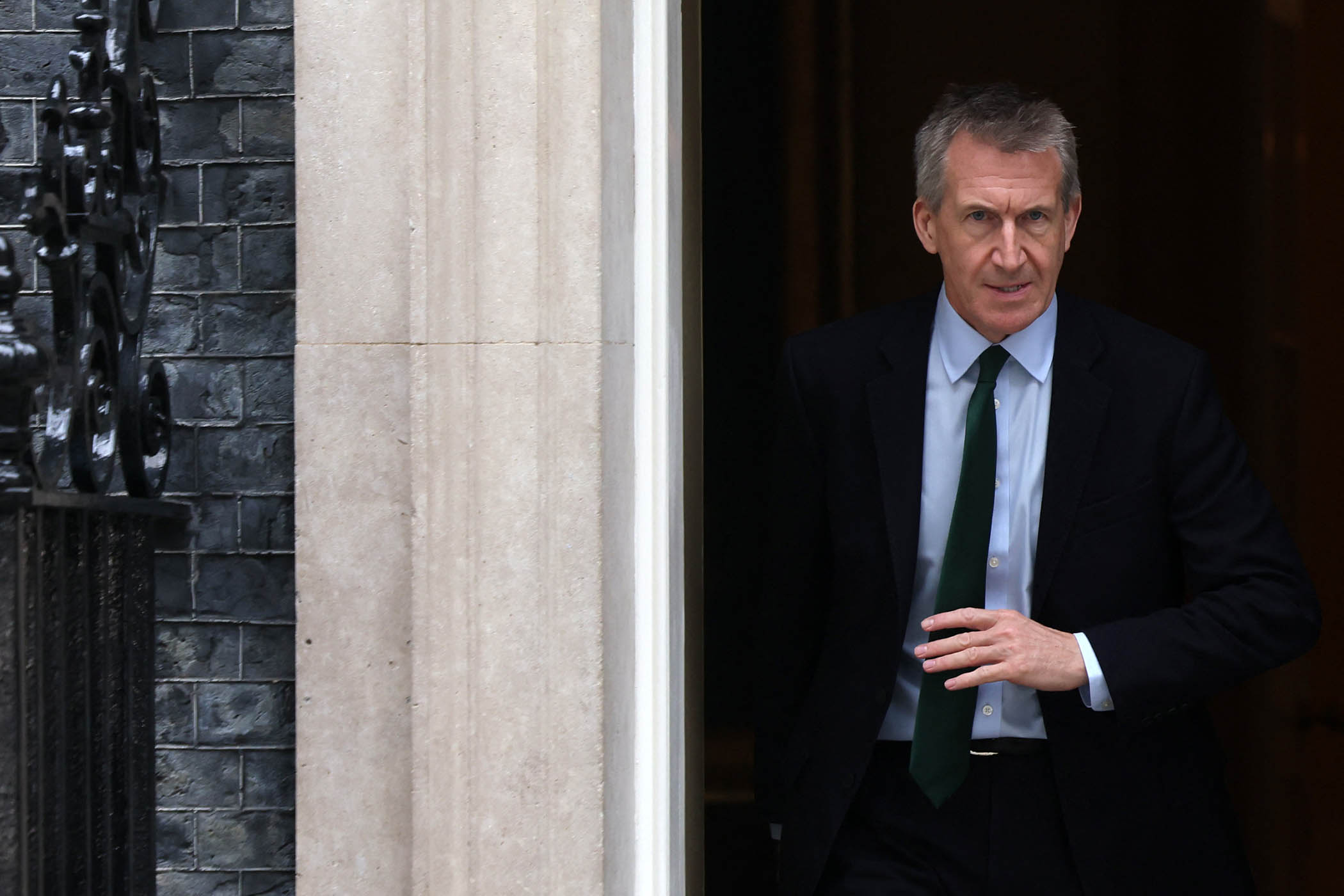
Health Secretary Wes Streeting has announced a targeted vaccination campaign for University of Kent students in response to an “unprecedented” outbreak of meningitis.
So what? This will reassure students by protecting against serious illness. But it might not do much to stem the immediate spread of the outbreak, since it is not certain that the jabs will reduce transmission. There have been 15 cases, two of which have been fatal. Four have been confirmed in laboratory tests to be meningococcal B infections, a bacterial strain against which most people are not protected. The outbreak
•
is unusual in its size;
•
appears to have spread at a Canterbury club night; and
•
has been declared a national incident due to its severity.
Epicentre. One of the young people to have died has been named as Juliette, a sixth-form student at a grammar school in Faversham. The other was a student at the University of Kent. France has also confirmed a case from an individual who had attended the university. Some people infected visited Club Chemistry, a nightclub in Canterbury.
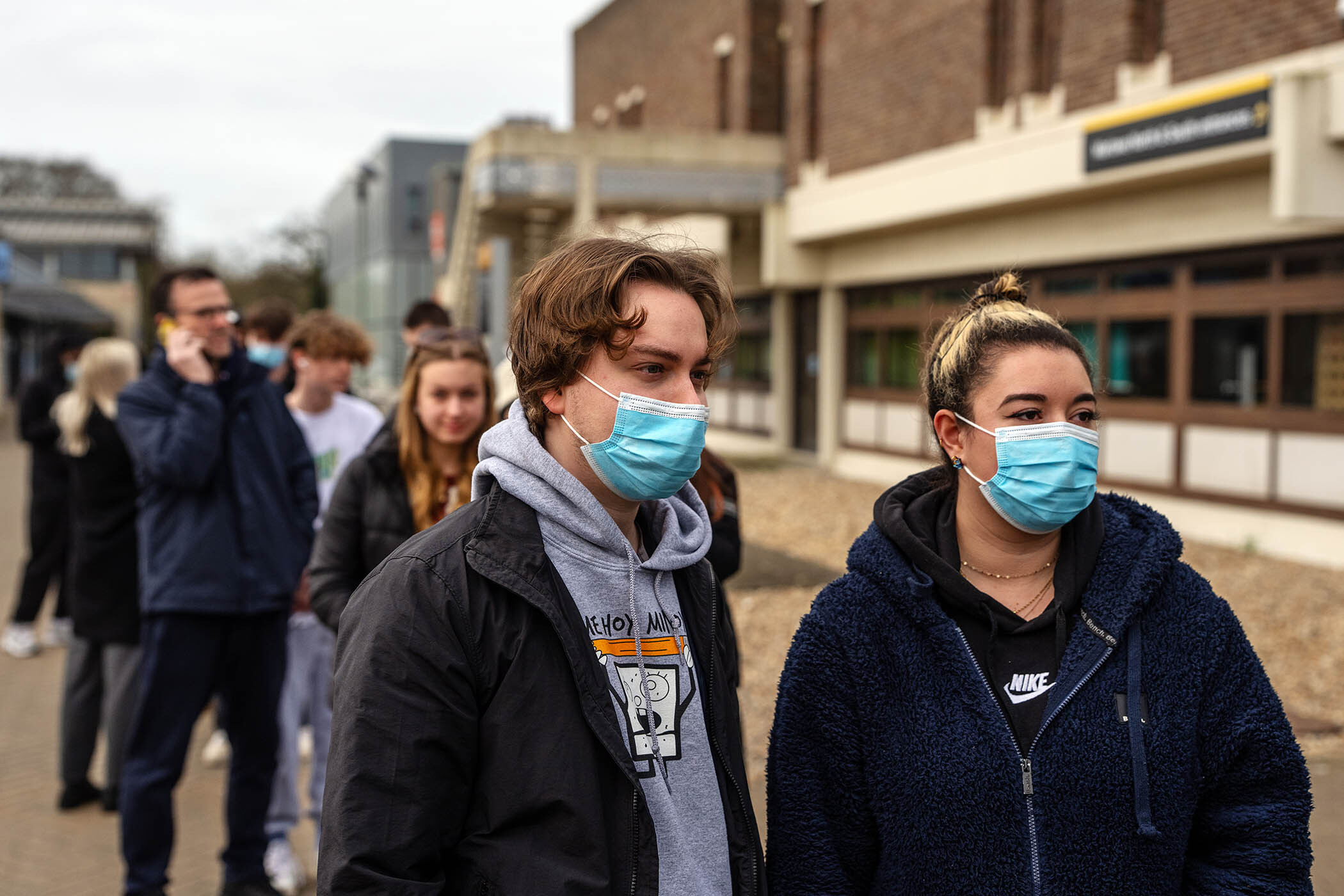
Response plan. Vaccines are being offered to students who live in halls of residence. More important is the administration of antibiotics, which kill the bacteria that cause meningitis B. These prevent infection in 90% of cases. So far, 700 doses have been administered to students queuing for treatment in Canterbury.
The illness. Meningitis is an infection that affects the protective lining of the brain and spinal cord. Babies, children and teenagers are most vulnerable, although it can affect people of all ages. The condition can cause blood poisoning, leading to life-threatening sepsis.
Take-up. Teenagers aged 14 are offered the MenACWY vaccine, which protects against four bacteria that cause meningitis. But they are not given the jab for meningitis B, despite pressure from charities. Since 2015 it has been administered to babies, who are most vulnerable to infections, meaning anyone older than 11 is not protected unless they got it privately.
Unusual times. Meningitis B is the most common form of bacterial meningitis, accounting for roughly 80% of cases in the UK and killing 10% of people who are infected. Cases declined sharply in England between 2001 and 2021, falling from 1,614 to 61. They have ticked up since the pandemic, but outbreaks are still usually clustered into twos and threes.
Susan Hopkins, chief of the UK Health Security Agency, said it was the most cases she had seen in a single weekend over her 35-year career.
How it is caught. Outbreaks of meningitis B usually progress slowly. Key transmission vectors include kissing, shared accommodation and sharing drinks or vapes. Tom Nutt, head of Meningitis Now, said that students are at particular risk because they are “more likely to carry the bacteria that can cause meningitis and because bacteria can spread more easily in settings where students and young people live, study and socialise closely together”.
How it develops. The disease is dangerous because it can progress quickly after the first symptoms appear, which can include a fever, headache, drowsiness and vomiting. These early warning signs are often confused with other illnesses such as a cold, flu or hangover.
Too slow? UKHSA emphasised that the outbreak has not spread beyond Kent. But questions are being raised about the speed of its response.
Fast enough? Downing Street said that UKHSA was first alerted to a “cluster of cases” late on Saturday and “acted immediately”. This is a full week after some of the cases visited Club Chemistry. Several students queuing for antibiotics in Canterbury told the BBC that rumours had circulated for days about people falling ill before UKHSA alerted them on Sunday evening.
What’s more… Streeting has asked the joint committee on vaccination and immunisation to consider recommending the meningitis B vaccine to older children.
Photograph by Carl Court/Getty Images
Newsletters
Choose the newsletters you want to receive
View more
For information about how The Observer protects your data, read our Privacy Policy