
This article first appeared as part of the Daily Sensemaker newsletter – one story a day to make sense of the world. To receive it in your inbox, featuring content exclusive to the newsletter, sign up for free here.
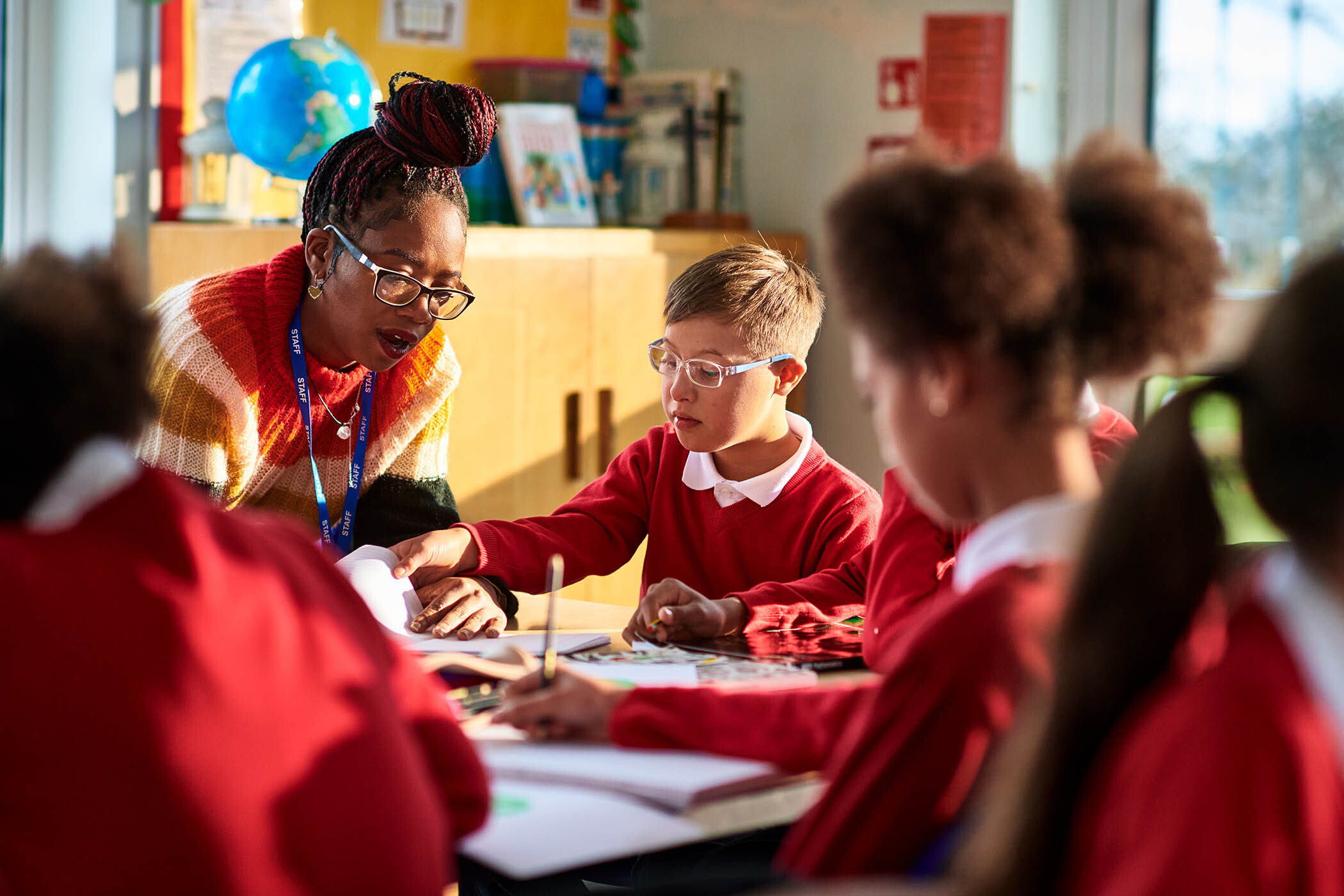
Bridget Phillipson, the UK’s education secretary, says her £4bn overhaul of the special educational needs and disabilities system will help children get specialist help.
So what? Not everyone will be better off for it. In an era of fragmented politics, the need to reform Send support is a rare point of cross-party consensus. The number of children requiring specialist help has surged in recent years, a trend that threatens to bankrupt local authorities. But getting the reforms right is a delicate balancing act. Labour’s new policies
•
significantly increase the support given to mainstream schools; but
•
trim the number of pupils with tailored support plans; and
•
could prompt a rebellion from backbench MPs.
Eye on the detail. The money committed by Labour includes £1.6bn given directly to nurseries, schools and colleges. Another £1.8bn will fund “experts at hand”, such as specialist teachers and speech therapists, which schools can request based on demand.
Pared back. Most controversial is a proposal to reduce the number of children with education, health and care plans. These are legal documents that entitle children to tailored support from their local councils, and securing them can be a lengthy and expensive process involving tribunals. From September 2029, children with EHCPs will be reassessed as they move up the education system. The aim is to reserve them for pupils with the most severe needs, but some parents are worried that this stricter criteria will leave some to fall through the tracks.
Big talk. Other children will be given an “individual support plan” with several tiers of support. Phillipson claims that they will create a less adversarial system by removing “the need to fight for an EHCP” and making mainstream schools “truly inclusive”.
Money matters. The main motivation is cost. There are 1.7m pupils with Send in English schools, up from 1.3m in 2014. Since 2018 there has also been an 80% rise in children with EHCPs, who make up about a quarter of children with Send and 1 in 20 of all pupils.
Root cause. The rise has been driven by more diagnoses of autism spectrum disorder, ADHD and other conditions. It is a major factor behind the financial crisis in local government, since councils are legally obliged to fund Send alongside social care and homelessness services.
Wrong direction. Councils are projected to spend nearly £15bn on Send this year, up from £5bn a decade ago. Part of the outlay goes to funding places at specialist private schools that cost £61,500 per year on average, compared to £24,000 for a state sector place.
Costly and bad. The National Audit Office warned in 2024 that the system is “financially unsustainable” and not delivering better outcomes for children. Councils have borrowed to meet demand, with eight in 10 warning they face insolvency because of the mounting costs.
Newsletters
Choose the newsletters you want to receive
View more
For information about how The Observer protects your data, read our Privacy Policy
Counterfactual history. This money could have been spent fixing potholes, collecting bins and keeping libraries open. Instead these services have been cut, even as council tax rises.
To the rescue? Labour has already committed £5bn to pay off 90% of existing Send debts, which are currently being artificially kept off council books to keep them afloat. This situation is due to expire in 2028, when the government plans to take responsibility for funding.
Taking its time. A recent survey found that 70% of MPs listed Send issues in their top five queries from constituents. After last year’s backbench rebellions over welfare and winter fuel payments reform forced damaging U-turns, Labour delayed releasing its white paper so it could conduct a thorough listening exercise. It has focused on making the moral case for reform.
Proof and pudding. This appears to have worked, with education charities greeting the plans with cautious optimism. But the funding may be inadequate. On training, for instance, £200m has been put aside to carry out “the most ambitious and comprehensive” offer ever seen.
What’s more Most controversial is a proposal to reduce the number of children with education, health and care plans. These are legal documents that entitle children to tailored support from their local councils, and securing them can be a lengthy and expensive process involving tribunals. From September 2029, children with EHCPs will be reassessed as they move up the education system. The aim is to reserve them for pupils with the most severe needs, but some parents are worried that this stricter criteria will leave some to fall through the cracks.
Photograph by Gary Burchell/Getty Images